Pimples, those pesky little red dots that seem to have a knack for popping up at the most inconvenient times. We’ve all experienced them at some point, but do we really understand why they appear and how to prevent them? In this article, we’ll explore the risk factors behind pimples and provide you with some simple precautions you can take to keep your skin clear and blemish-free. So if you’re tired of battling those unwelcome visitors on your face, read on to discover the secrets to a pimple-free complexion.
Risk Factors for Pimples
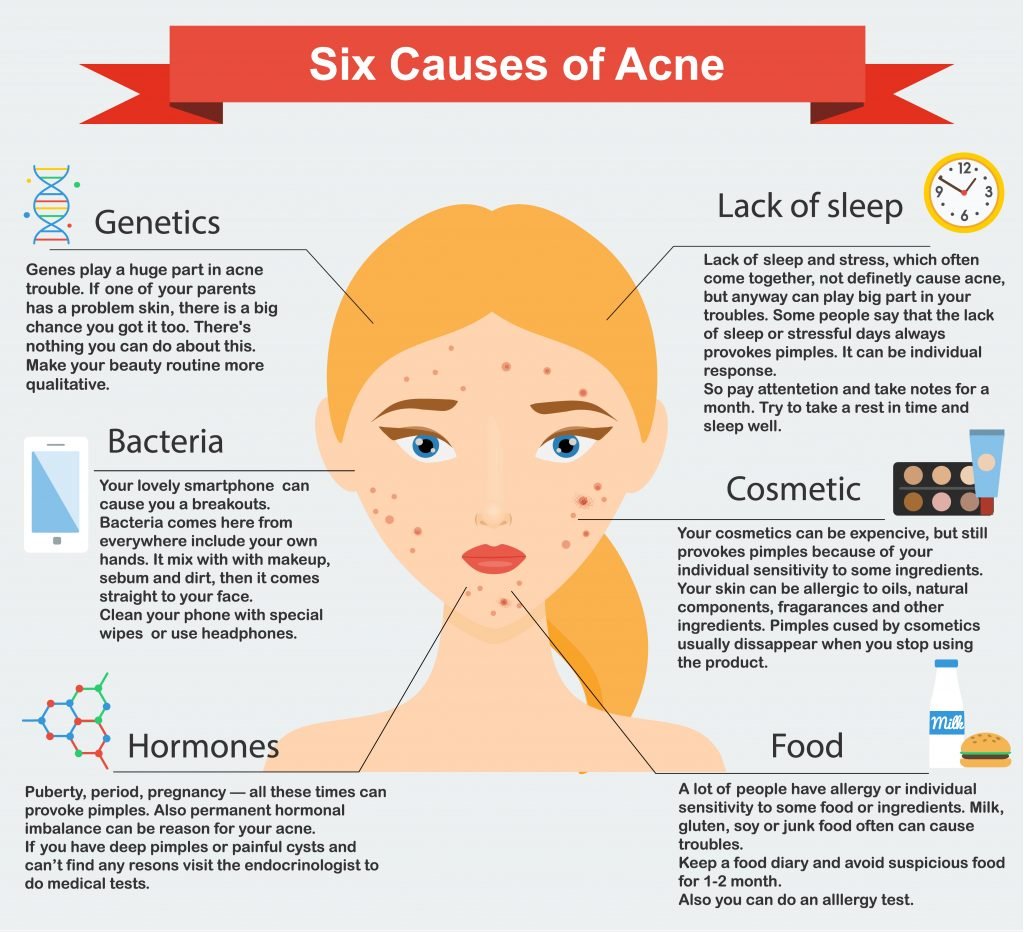
Pimples, also known as acne, are a common skin condition that affects many people at some point in their lives. While it can be frustrating to deal with pimples, it’s important to understand the risk factors that contribute to their development. By knowing these risk factors, you can take steps to prevent or manage pimples more effectively. Here are some of the key risk factors for pimples:
1. Hormonal Changes
Hormonal changes are one of the primary risk factors for pimples. During puberty, the body undergoes significant hormonal fluctuations, which can lead to increased oil production and clogged pores. Hormonal changes can also occur during pregnancy, menstruation, and menopause, contributing to the development of pimples. It’s important to be aware of these hormonal changes and take appropriate measures to keep your skin clean and balanced.
2. Family History
Your genetics play a significant role in determining your risk of developing pimples. If your parents or siblings have a history of acne, you are more likely to experience it as well. This is because certain genetic variations can make your skin more susceptible to inflammation and the formation of pimples. If you have a family history of acne, it’s important to be proactive in preventing and managing breakouts.
3. Age
Age is another risk factor for pimples. While acne is commonly associated with adolescence, it can affect people of all ages. Teenagers are more prone to acne because of the hormonal changes that occur during puberty. However, adults can also experience breakouts due to hormonal shifts, stress, and other factors. Understanding how age affects your skin can help you implement the right skincare routine for your specific needs.
4. Skin Type
Your skin type plays a significant role in your risk of developing pimples. People with oily or combination skin are more prone to acne because their skin produces more oil, which can clog pores and lead to breakouts. On the other hand, individuals with dry skin are less likely to develop pimples, but they may still experience periodic breakouts due to other factors. It’s important to understand your skin type and use appropriate skincare products to maintain a healthy complexion.
5. Cosmetics and Skincare Products
The cosmetics and skincare products you use can affect your risk of developing pimples. Some products, such as heavy foundations or creams, can clog pores and contribute to breakouts. It’s important to choose non-comedogenic products that are specifically formulated to prevent the clogging of pores. Additionally, regularly cleaning your makeup brushes and avoiding expired products can help reduce the risk of developing pimples.
6. Diet
While the link between diet and acne is not fully understood, some studies suggest that certain foods may contribute to the development of pimples. High glycemic index foods, such as refined carbohydrates and sugary snacks, may increase inflammation and sebum production, leading to acne. Dairy products and foods rich in saturated fats have also been associated with an increased risk of developing pimples. Eating a balanced diet rich in fruits, vegetables, whole grains, and lean proteins can help promote healthy skin.
7. Stress
Stress can have a significant impact on your skin health, including an increased risk of developing pimples. When you’re stressed, your body releases stress hormones like cortisol, which can trigger inflammation and oil production in the skin. This can lead to clogged pores and the formation of pimples. It’s important to find healthy ways to manage stress, such as engaging in regular exercise, practicing relaxation techniques, and getting enough sleep.
8. Medications
Certain medications can contribute to the development of pimples as a side effect. For example, corticosteroids, anticonvulsants, and hormonal medications may disrupt the balance of hormones in your body, leading to increased oil production and breakouts. If you’re taking any medications and notice an increase in pimples, it’s important to consult with your healthcare provider to discuss alternative options or additional skincare measures to counteract the effects.
9. Occupational Factors
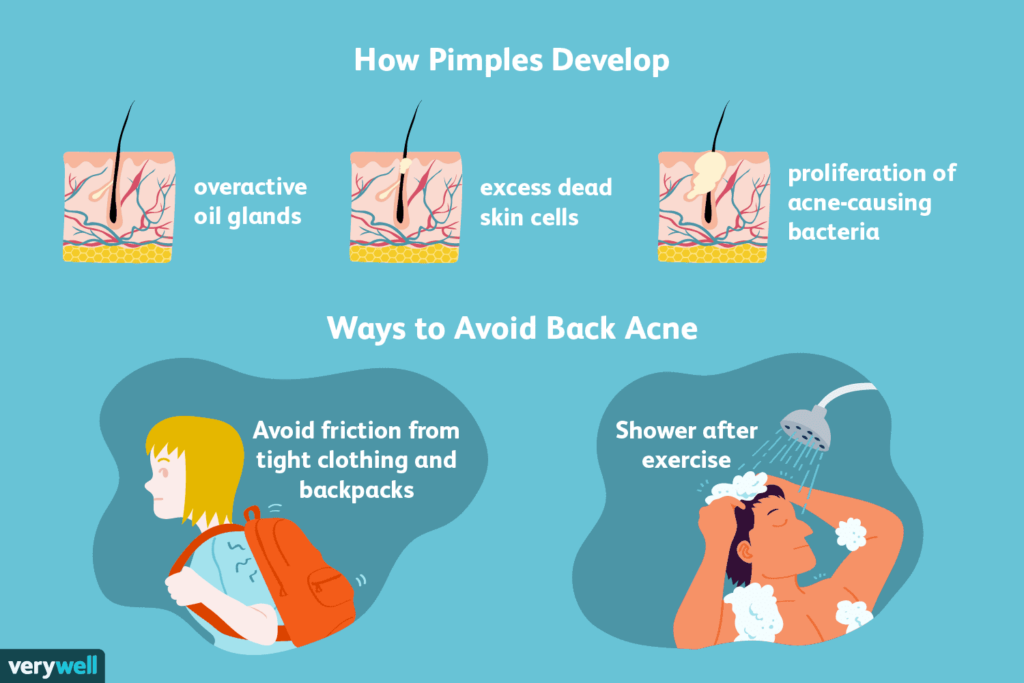
Occupational factors can also contribute to the development of pimples. Jobs that require prolonged exposure to irritants, such as oils, chemicals, or pollutants, can clog pores and lead to breakouts. Additionally, if you wear helmets, hats, or other headgear for extended periods, you may experience increased sweat and oil production, creating an environment for pimples to form. If your occupation puts you at risk for pimples, it’s important to cleanse your skin thoroughly and use appropriate protective measures.
10. Environmental Factors
Environmental factors, such as pollution and humidity, can worsen existing pimples or contribute to their development. Pollutants in the air can clog pores and increase inflammation, leading to breakouts. Meanwhile, high humidity can increase sweat and oil production, providing a breeding ground for bacteria that can cause pimples. It’s important to cleanse your skin regularly, especially if you live in a polluted or humid environment, to minimize the risk of developing pimples.
Now that we’ve covered the risk factors for pimples, let’s explore some precautions you can take to prevent or manage pimples effectively.

Precautions for Pimples
While it’s not always possible to completely prevent pimples, there are several precautions you can take to reduce their occurrence and manage them effectively. By implementing these precautions, you can improve the overall health and appearance of your skin. Here are some key precautions for pimples:
1. Maintain a Consistent Skincare Routine
Establishing a consistent skincare routine is crucial for preventing and managing pimples. This routine should include cleansing your face twice a day with a gentle cleanser suitable for your skin type. It’s important to avoid harsh scrubbing or over-washing, as this can strip the skin of its natural oils and worsen breakouts. After cleansing, apply a lightweight moisturizer and, if necessary, acne-fighting treatments containing ingredients like salicylic acid or benzoyl peroxide.
2. Keep the Skin Clean
Keeping your skin clean is essential for preventing and managing pimples. Regularly cleanse your face to remove dirt, oil, and bacteria that can clog pores and lead to breakouts. It’s important to use a gentle cleanser that won’t irritate or dry out your skin. Additionally, it’s crucial to avoid touching your face throughout the day, as this can transfer dirt and bacteria from your hands to your skin, potentially causing new pimples to form.
3. Avoid Touching or Picking at Pimples
Although it can be tempting, it’s important to resist the urge to touch or pick at your pimples. Picking at pimples can introduce bacteria into the affected area and increase inflammation, making the breakout worse. It can also lead to scarring and prolong the healing process. Instead, if you have a pimple, treat it with appropriate acne-fighting products and allow it to heal naturally.
4. Use Non-comedogenic Products
Choosing non-comedogenic products is crucial for preventing clogged pores and minimizing the risk of developing pimples. Non-comedogenic products are specifically formulated to not clog pores, making them suitable for acne-prone skin. Look for this label when purchasing cosmetics, sunscreen, moisturizers, and other skincare products to ensure they won’t contribute to pimples.
5. Practice Good Hygiene
Maintaining good hygiene is an important precaution for preventing and managing pimples. Regularly wash your pillowcases, towels, and other items that come into contact with your face to remove dirt, oil, and bacteria that can contribute to breakouts. It’s also essential to clean your makeup brushes regularly, as dirty brushes can harbor bacteria and transfer it to your skin.
6. Limit Sun Exposure
While exposing your skin to sunlight can temporarily improve the appearance of pimples, excessive sun exposure can worsen breakouts in the long run. This is because the sun’s UV rays can increase inflammation and lead to increased oil production. Additionally, certain acne medications can make your skin more sensitive to sunlight. To protect your skin from the harmful effects of the sun, use a broad-spectrum sunscreen with an SPF of 30 or higher, and wear protective clothing and accessories.
7. Eat a Healthy Diet
Maintaining a healthy diet is not only beneficial for your overall health but also for your skin. Consuming a balanced diet rich in fruits, vegetables, whole grains, and lean proteins can provide your skin with the essential nutrients it needs to stay healthy and clear. Avoid high glycemic index foods, dairy products, and foods high in saturated fats, as these have been associated with an increased risk of developing pimples.
8. Manage Stress Levels
Stress can have a profound impact on your skin health, including the development of pimples. Finding healthy ways to manage stress is crucial for preventing breakouts. Engage in regular exercise, practice relaxation techniques like yoga or meditation, and make sure to get enough sleep. Taking care of your mental well-being can positively impact your skin’s health.
9. Follow Good Hair and Scalp Hygiene
Your hair and scalp can contribute to the development of pimples, especially if they come into contact with your face. To prevent breakouts, it’s important to follow good hair and scalp hygiene practices. Keep your hair clean and avoid using heavy, oily hair products that can transfer onto your face. If you have long hair, try to keep it away from your face, especially when you sleep, to minimize the transfer of oil and bacteria.
10. Be Aware of Potential Triggers
Being aware of potential triggers for your pimples can help you prevent or manage breakouts effectively. Pay attention to factors such as certain foods, cosmetics, stressors, or environmental conditions that seem to worsen your acne. By identifying and avoiding these triggers, you can minimize the risk of developing pimples and improve the overall health of your skin.
In conclusion, understanding the risk factors for pimples is essential for preventing and managing breakouts effectively. By considering factors such as hormonal changes, family history, age, skin type, cosmetics, diet, stress, medications, occupational factors, and environmental factors, you can take proactive measures to reduce the occurrence of pimples. Additionally, implementing precautions such as maintaining a consistent skincare routine, keeping your skin clean, avoiding touching or picking at pimples, using non-comedogenic products, practicing good hygiene, limiting sun exposure, eating a healthy diet, managing stress levels, following good hair and scalp hygiene, and being aware of potential triggers can significantly improve your skin’s health and reduce the likelihood of developing pimples. Remember, everyone’s skin is unique, so it may take some trial and error to find the right combination of precautions that work best for you. However, with persistence and patience, you can achieve clear and healthy skin.