
Parkinson’s Disease is a chronic neurodegenerative disorder that affects millions of people worldwide. In order to effectively manage this condition, it is crucial to understand the risk factors that can contribute to its onset, as well as the precautions that can help prevent its progression. By identifying these factors and taking necessary precautions, individuals can potentially reduce their risk of developing Parkinson’s Disease and improve their overall quality of life. This article explores the various risk factors associated with Parkinson’s Disease and provides helpful tips on precautionary measures that can be taken to mitigate its impact.
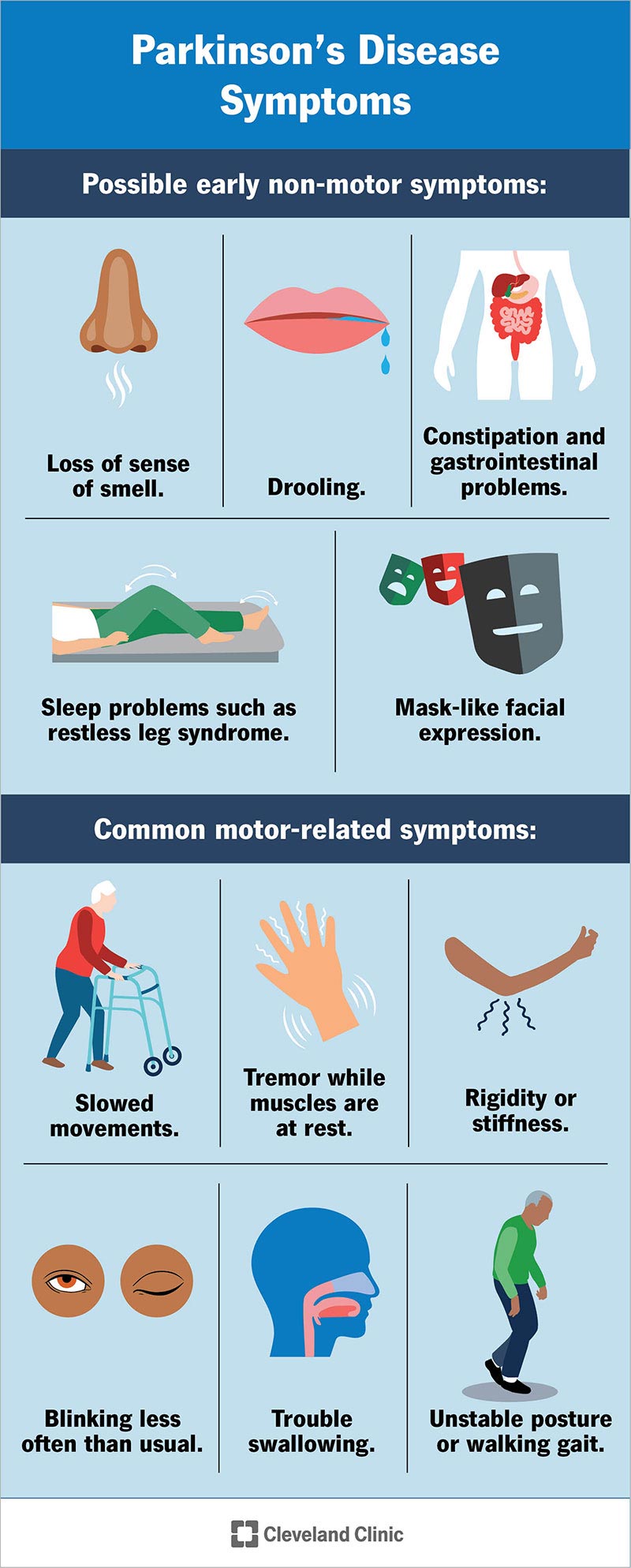
Risk Factors for Parkinson’s Disease
Age
Age is a significant risk factor for Parkinson’s disease. Although this neurodegenerative disorder can affect people of all ages, the risk significantly increases with advancing age. Most cases of Parkinson’s disease occur in individuals over the age of 60. However, there are cases of early-onset Parkinson’s disease that can manifest before the age of 50.
Gender
Parkinson’s disease is more prevalent in men than in women. Although the reason for this gender disparity is not entirely understood, studies have consistently shown that men are at a higher risk of developing Parkinson’s disease than women. More research is needed to uncover the underlying cause of this gender difference.
Genetics
Genetic factors play a role in the development of Parkinson’s disease. Individuals with a family history of the condition are at a higher risk compared to those without any relatives affected by the disease. Mutations in several genes, such as the SNCA, LRRK2, and PARK2 genes, have been associated with an increased risk of Parkinson’s disease. However, it is important to note that not all individuals with these genetic mutations will develop the disorder.
Environmental Factors
Certain environmental factors have been linked to an increased risk of Parkinson’s disease. Exposure to pesticides and herbicides, particularly in agricultural settings, has been associated with a higher incidence of the disease. Additionally, exposure to heavy metals like lead and manganese, as well as certain industrial chemicals, may also contribute to the development of Parkinson’s disease. It is important to be aware of these potential environmental hazards and take necessary precautions to minimize exposure.
Head Trauma
Individuals who have experienced head injuries may have a higher risk of developing Parkinson’s disease. Traumatic brain injuries, particularly those resulting in loss of consciousness or requiring hospitalization, have been associated with an increased risk of developing Parkinson’s disease later in life. It is crucial to take appropriate measures to prevent head injuries, such as wearing protective headgear during sports activities and ensuring overall safety in daily life.
Exposure to Pesticides
Exposure to pesticides, particularly certain types of insecticides and herbicides, has been identified as a potential risk factor for Parkinson’s disease. Agricultural workers, gardeners, and individuals living in rural areas with high pesticide usage are more susceptible to this risk. It is advisable to take precautions to reduce exposure to pesticides, such as using protective clothing and equipment and following safety guidelines when handling these substances.
Certain Medications
Some medications have been associated with an increased risk of Parkinson’s disease. For instance, certain antipsychotic drugs used to treat schizophrenia and other mental health conditions may have a potential link to the development of Parkinson’s disease. However, the risk posed by these medications is relatively low, and their benefits usually outweigh the potential risks. It is important to discuss any concerns with your healthcare provider before starting or stopping any medications.
Chemical Exposure
Exposure to certain chemicals in the workplace or through hobbies may increase the risk of Parkinson’s disease. Studies have suggested that exposure to industrial chemicals, such as solvents, glue, and metals like manganese and copper, may contribute to the development of Parkinson’s disease. It is essential to follow safety guidelines and use protective measures to minimize the risk of chemical exposure.
Reduced Estrogen Levels
Reduced estrogen levels in women have been linked to an increased risk of Parkinson’s disease. Estrogen, a hormone predominantly found in females, plays a protective role in the brain and may help prevent the development of Parkinson’s disease. Hormonal changes during menopause and the natural aging process can lead to decreased estrogen levels, potentially increasing the risk. However, hormone replacement therapy (HRT) should only be considered after thorough consultation with a healthcare provider, as the benefits and risks of HRT need to be carefully assessed on an individual basis.
Smoking
Smoking has been identified as a potential risk factor for Parkinson’s disease. Studies have shown that individuals who smoke cigarettes are at a lower risk of developing Parkinson’s disease compared to non-smokers. However, the reasons behind this protective effect are not well understood, and the harmful effects of smoking greatly outweigh any potential benefits. Quitting smoking and adopting a healthy lifestyle should be the primary focus for reducing the risk of Parkinson’s disease.

Precautions to Reduce the Risk of Parkinson’s Disease
Maintaining a Healthy Lifestyle
Adopting and maintaining a healthy lifestyle is crucial in reducing the risk of Parkinson’s disease. This includes incorporating regular exercise, eating a balanced diet, managing stress levels, and avoiding harmful habits such as excessive alcohol consumption and drug use. By prioritizing your overall well-being, you can contribute to your body’s resilience against the development of Parkinson’s disease.
Regular Exercise
Engaging in regular physical exercise has numerous benefits, including reducing the risk of Parkinson’s disease. Studies have shown that individuals who engage in moderate to vigorous physical activity have a lower risk of developing this neurodegenerative disorder. Activities such as walking, jogging, dancing, swimming, and cycling can improve cardiovascular health, maintain muscle strength, and potentially protect against Parkinson’s disease.
Balanced Diet
Maintaining a balanced diet rich in fruits, vegetables, whole grains, lean proteins, and healthy fats is essential for overall health and reducing the risk of Parkinson’s disease. Increasing the intake of antioxidants through foods like berries, leafy greens, and nuts may provide neuroprotective benefits. Additionally, consuming foods rich in omega-3 fatty acids, such as fatty fish or flaxseeds, may also be beneficial.
Avoiding Environmental Toxins
To reduce the risk of Parkinson’s disease, it is important to minimize exposure to environmental toxins. This includes avoiding or reducing contact with pesticides, herbicides, heavy metals, and industrial chemicals wherever possible. Taking necessary precautions, such as wearing protective clothing, using gloves, and following safety guidelines, can help minimize exposure to these toxins.
Avoiding Head Injuries
Head injuries can increase the risk of Parkinson’s disease, so it is essential to take precautions to prevent such injuries. Wearing protective headgear during high-risk activities like contact sports, motorcycle riding, or cycling can significantly reduce the risk of head trauma. Maintaining a safe environment at home by removing potential hazards and using safety equipment is also important.
Medication Management
Proper management of medications is crucial in reducing the risk of Parkinson’s disease. It is important to follow prescribed dosages, communicate any concerns or side effects to healthcare providers, and avoid self-medication. Regularly reviewing medications with a healthcare professional can help identify any potential risks or interactions that may contribute to the development of Parkinson’s disease.
Hormone Replacement Therapy
For women experiencing reduced estrogen levels during menopause, hormone replacement therapy (HRT) may be considered under the guidance of a healthcare provider. Estrogen replacement may potentially reduce the risk of Parkinson’s disease, although further research is needed to fully understand this relationship. It is important to discuss the benefits and risks of HRT with a healthcare professional before making any decisions.
Regular Check-ups
Regular check-ups with healthcare providers are essential for monitoring overall health and identifying any potential risk factors or early signs of Parkinson’s disease. These routine visits provide an opportunity to discuss family history, evaluate lifestyle habits, and address any concerns. Early detection and intervention can significantly improve outcomes in the management of Parkinson’s disease.
Awareness of Family History
Having awareness of your family history is important in assessing your risk of Parkinson’s disease. If you have relatives with the condition, it is advisable to discuss this with your healthcare provider. Genetic counseling may be recommended to explore any potential inherited risk factors and provide personalized guidance on preventive measures.
Regular Sleep Patterns
Maintaining regular sleep patterns is crucial for overall health and reducing the risk of Parkinson’s disease. Quality sleep plays a vital role in repairing and rejuvenating the body, including the brain. Aim for seven to nine hours of uninterrupted sleep each night and establish a consistent sleep routine. If you have difficulty sleeping, it is advisable to seek medical advice to address any underlying issues and improve sleep quality.
By understanding and addressing these risk factors and taking appropriate precautions, you can actively reduce the risk of Parkinson’s disease and promote a healthier life. Always consult with healthcare professionals for personalized guidance and recommendations tailored to your specific needs and circumstances.
