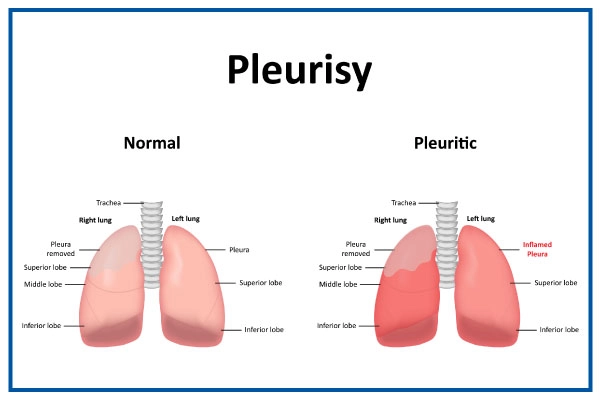
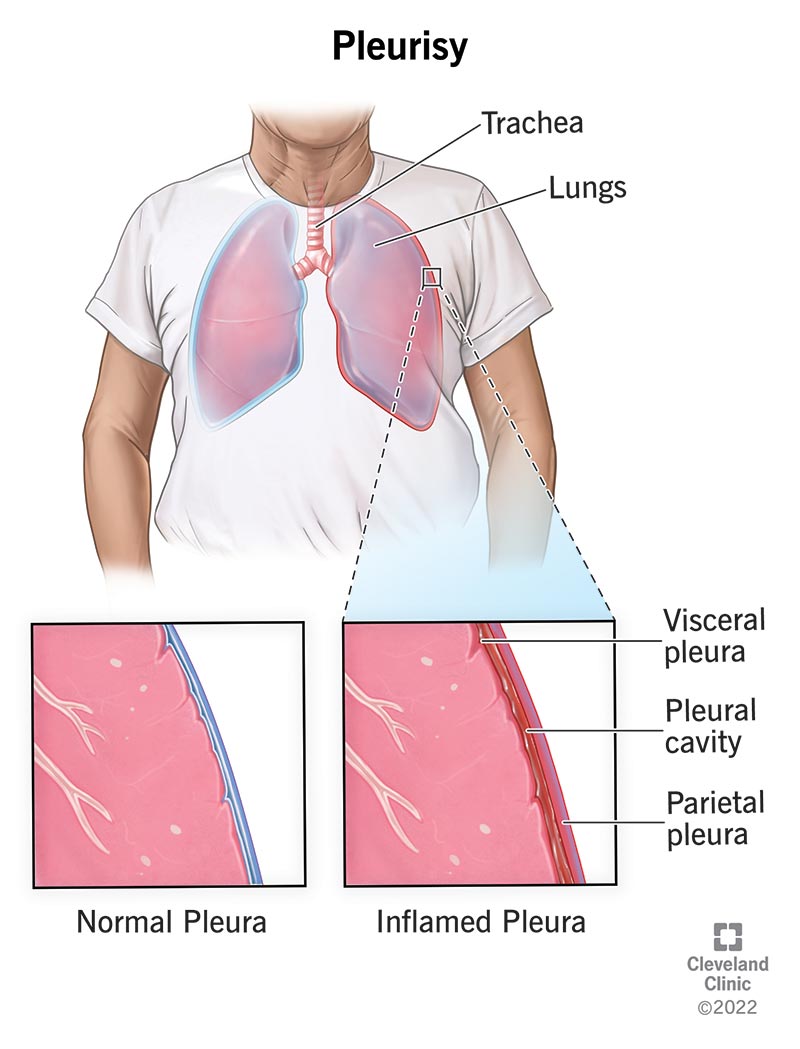
Pleurisy, a condition characterized by inflammation of the lining around the lungs, can cause sharp chest pain and discomfort. In this article, we will explore the various risk factors that can contribute to the development of pleurisy and discuss some essential precautions to alleviate its symptoms. By understanding the factors that increase the chances of developing pleurisy and taking necessary precautions, you can effectively manage this condition and improve your overall well-being.
Risk Factors for Pleurisy
Age
One of the risk factors for developing pleurisy is age. Although pleurisy can occur at any age, it is more common in adults, particularly those over the age of 65. The risk of developing pleurisy increases as you get older due to the natural aging process of the body. Therefore, it is important for older individuals to be aware of the symptoms and risk factors associated with pleurisy.
Gender
Studies have shown that there may be a slight gender difference when it comes to the risk of pleurisy. It has been observed that women are slightly more prone to developing pleurisy compared to men. However, it is important to note that this does not mean that men are immune to this condition. Both genders should be cautious and take necessary precautions to prevent pleurisy.
Smoking
Smoking is a major risk factor for various lung diseases, including pleurisy. The chemicals present in cigarettes can damage the respiratory system and weaken the lungs, making them more susceptible to infections and inflammation. If you are a smoker, quitting smoking is essential not only for preventing pleurisy but also for promoting overall respiratory health.
Underlying lung conditions
Having an underlying lung condition increases the risk of developing pleurisy. Conditions such as chronic obstructive pulmonary disease (COPD), asthma, tuberculosis, and lung cancer can make the lungs more vulnerable to infections and inflammation. Proper management and treatment of these conditions are crucial to reduce the risk of pleurisy.
Weakened immune system
A weakened immune system can make you more susceptible to various infections, including those that can lead to pleurisy. Certain medical conditions, such as HIV/AIDS, autoimmune diseases, and cancer, as well as undergoing treatments like chemotherapy or radiation therapy, can weaken the immune system. Taking measures to strengthen your immune system, such as maintaining a healthy lifestyle and following medical advice, can help reduce the risk of pleurisy.
Chest trauma
Trauma to the chest, such as from a car accident or a fall, can cause injuries to the pleura, the lining of the lungs. These injuries can lead to pleurisy. It is important to take precautions to avoid such trauma, especially if you are engaged in activities that carry a higher risk of chest injuries, such as extreme sports or occupations that involve physical labor.
Exposure to certain chemicals or toxins
Exposure to certain chemicals or toxins in the environment can increase the risk of developing pleurisy. Asbestos, a mineral commonly used in construction materials, is known to cause pleural diseases, including pleurisy. Other chemicals and toxins found in workplaces or polluted environments can also contribute to the development of pleurisy. It is important to minimize exposure to such substances and follow safety guidelines in order to protect your lungs.
Previous respiratory infections
Having had previous respiratory infections, such as pneumonia or bronchitis, can increase the risk of developing pleurisy. These infections can cause inflammation and damage to the lungs, making them more vulnerable to further infections, including pleurisy. Proper treatment and management of respiratory infections are crucial to prevent complications and reduce the risk of pleurisy.
Recent surgery or invasive procedures
Certain surgeries or invasive procedures involving the chest or lungs can increase the risk of developing pleurisy. The trauma caused during these procedures can lead to inflammation of the pleura. It is important to follow post-operative care instructions carefully and be aware of any signs or symptoms of pleurisy after undergoing such procedures.
Family history of pleurisy
Having a family history of pleurisy can also increase your risk of developing this condition. Although the exact genetic factors contributing to pleurisy are still under research, familial tendencies have been observed. If you have a family history of pleurisy, it is important to be mindful of the risk factors and take necessary precautions to prevent its occurrence.
Precautions to Prevent Pleurisy
Maintaining good hygiene
Practicing good hygiene plays a crucial role in preventing the spread of respiratory infections that can lead to pleurisy. Wash your hands frequently with soap and water for at least 20 seconds, especially before eating or touching your face. Cover your mouth and nose with a tissue or your elbow when coughing or sneezing to prevent the spread of germs.
Avoiding exposure to respiratory infections
Avoid close contact with people who have respiratory infections, such as the flu or common cold, as these infections can increase the risk of developing pleurisy. Stay away from crowded places, especially during flu seasons, and maintain a safe distance from individuals who are symptomatic or have a known respiratory infection.
Getting vaccinated
Vaccination is an effective preventive measure against various respiratory infections that can lead to pleurisy. It is recommended to get vaccinated against diseases such as influenza and pneumonia, especially if you are at a higher risk due to age or underlying health conditions. Consult with your healthcare provider to determine the appropriate vaccines for you.
Quitting smoking
If you are a smoker, the most important step you can take to prevent pleurisy is to quit smoking. Smoking damages the respiratory system, weakens the lungs, and increases the risk of respiratory infections and inflammation. Seek support from healthcare professionals, join smoking cessation programs, and explore the available resources to help you quit smoking.
Avoiding chest trauma
To minimize the risk of pleurisy caused by chest trauma, take precautions to avoid injuries to the chest area. Use seatbelts while driving or riding in vehicles, wear appropriate protective gear during sports or activities that carry a risk of chest trauma, and be cautious in environments where accidents or falls are more likely to occur.
Reducing exposure to chemicals or toxins
Minimizing exposure to chemicals and toxins, particularly those known to cause pleural diseases, is vital for preventing pleurisy. Take necessary precautions in your workplace or surroundings to avoid contact with these substances. Follow safety guidelines and use protective equipment, such as masks and gloves, when handling chemicals or working in environments with potential exposure.
Managing underlying lung conditions
If you have an underlying lung condition, such as COPD or asthma, it is crucial to effectively manage and treat the condition to reduce the risk of pleurisy. Follow your healthcare provider’s guidance, adhere to prescribed medications, engage in recommended lifestyle changes, and attend regular check-ups to monitor the condition and prevent complications.
Strengthening the immune system
Maintaining a healthy lifestyle is essential for strengthening your immune system and reducing the risk of infections, including pleurisy. Eat a balanced diet rich in fruits, vegetables, whole grains, and lean proteins. Get regular exercise, prioritize quality sleep, manage stress, and avoid excessive alcohol consumption. These lifestyle choices can help boost your immune system and protect against respiratory infections.
Following post-operative care instructions
If you have undergone chest or lung surgery or any invasive procedure, it is crucial to follow the post-operative care instructions provided by your healthcare team. This includes taking prescribed medications, attending follow-up appointments, and being aware of any signs or symptoms of complications, such as pleurisy. Promptly report any concerns to your healthcare provider for appropriate management.
Regular check-ups with a healthcare provider
Regular check-ups with a healthcare provider are important for monitoring your overall health and addressing any potential risk factors or symptoms related to pleurisy. Keep up with routine vaccinations, discuss any concerns or changes in your health, and follow the recommended screening guidelines for conditions that may increase the risk of pleurisy. Your healthcare provider can provide personalized advice and guidance based on your individual risk factors and medical history.
In conclusion, while certain factors may increase the risk of developing pleurisy, taking necessary precautions can significantly reduce the likelihood of experiencing this condition. By practicing good hygiene, avoiding exposure to respiratory infections, getting vaccinated, quitting smoking, preventing chest trauma, reducing exposure to chemicals or toxins, managing underlying lung conditions, strengthening the immune system, following post-operative care instructions, and maintaining regular check-ups with a healthcare provider, you can protect your respiratory health and minimize the risk of pleurisy. Remember, prevention is always better than cure when it comes to pleurisy.