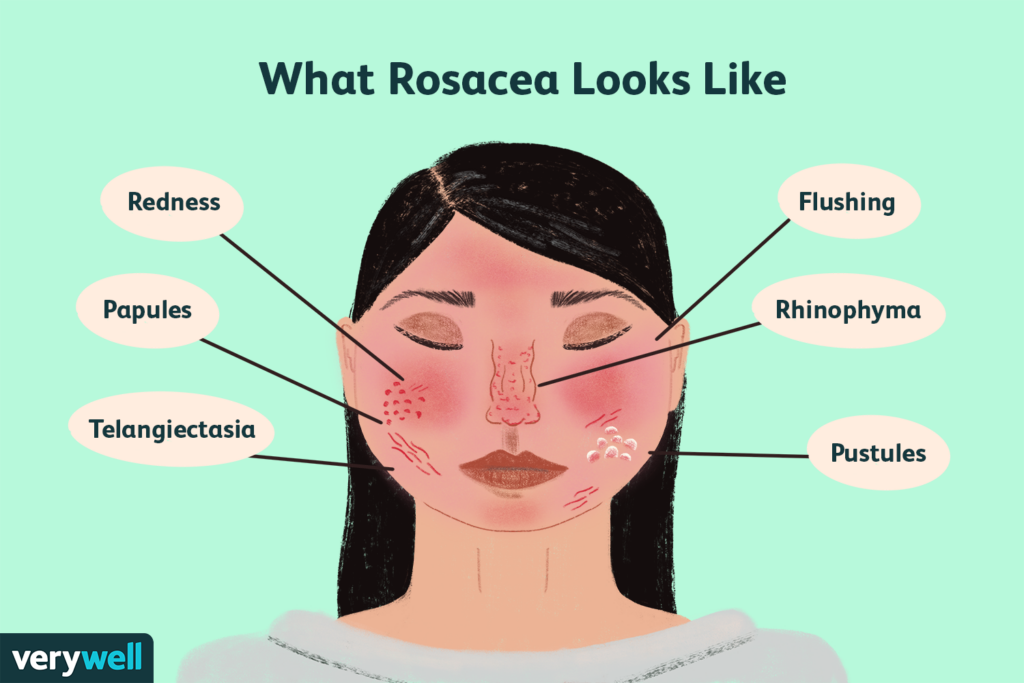
Do you often experience redness and flushing on your face? Are you frustrated with the persistent acne-like breakouts and visible blood vessels? If so, you might be dealing with an inflammatory skin condition called rosacea. In this article, we will explore the risk factors associated with rosacea and discuss precautionary measures you can take to manage and prevent flare-ups. By understanding the triggers and implementing simple lifestyle changes, you can regain control over your skin and minimize the impact of this chronic condition.

Risk Factors for Rosacea
Gender
When it comes to rosacea, gender plays a role in determining your risk. Although both men and women can develop this common skin condition, studies have shown that women are more likely to be affected by rosacea than men. In fact, some research suggests that women are up to three times more likely to experience symptoms of rosacea than their male counterparts. While the exact reasons for this gender disparity are still unknown, hormonal factors may play a role.
Age
Age is another important risk factor for rosacea. This chronic skin condition commonly begins to manifest in individuals between the ages of 30 and 50, although it can affect people of all age groups. As you age, your skin becomes more susceptible to various issues, including rosacea. The exact reasons why age is a risk factor for rosacea are not yet fully understood, but it is believed to involve the natural aging processes of the skin and changes in blood vessels.
Family History
If you have a family member who has been diagnosed with rosacea, your risk of developing the condition increases. Rosacea has been found to have a strong genetic component, meaning that it can be passed down within families. If your parents, grandparents, or siblings have rosacea, it is important to be vigilant and aware of the signs and symptoms. While having a family history of rosacea does not guarantee that you will develop the condition, it does increase your susceptibility.
Ethnicity
Ethnicity can also play a role in your risk of developing rosacea. Studies have shown that individuals with fair skin, particularly those of Celtic or Scandinavian descent, are more likely to develop rosacea. This is believed to be due to the fact that fair-skinned individuals typically have less melanin, which provides natural protection against UV radiation. Moreover, it is thought that the presence of certain genes associated with fair skin may also increase the likelihood of developing rosacea.
Skin Type
Your skin type can impact your susceptibility to rosacea as well. Those with sensitive skin or a tendency to easily flush or blush may be at a higher risk. Individuals with dry skin or skin conditions such as eczema or psoriasis may also be more prone to developing rosacea. The delicate nature of sensitive or dry skin can make it more susceptible to rosacea triggers such as environmental factors and harsh skincare products. Therefore, it is important to pay extra attention to caring for your skin if you fall into these categories.
Environmental Factors
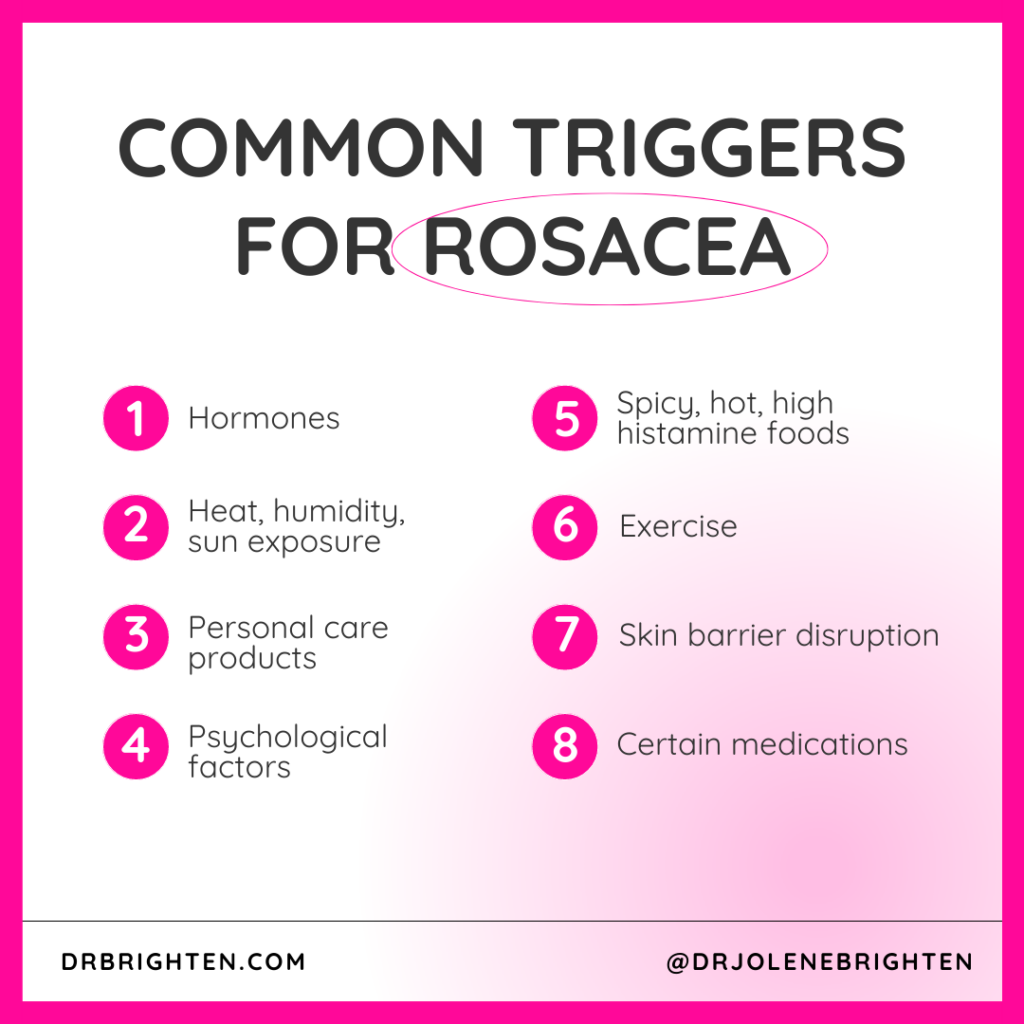
Environmental factors can have a significant impact on the development and exacerbation of rosacea. Exposure to extreme temperatures, whether hot or cold, can trigger flare-ups in individuals with rosacea. Additionally, sunlight and wind can also contribute to the worsening of symptoms. It is advisable to protect your skin from harsh weather conditions by wearing appropriate clothing and using sunscreen. Moreover, indoor environments with intense heat or cold, such as saunas or air-conditioned spaces, can also provoke rosacea symptoms.
Dietary Triggers
Certain foods and beverages have been identified as potential triggers for rosacea flare-ups. While these triggers can vary between individuals, common culprits include spicy foods, hot drinks, and alcohol. Consuming these triggers can cause blood vessels in the skin to dilate, leading to redness and an increase in other symptoms. It is recommended to keep a food diary and pay attention to how your skin reacts to different foods in order to identify and avoid your personal triggers.
Medications
Certain medications have been linked to the development or exacerbation of rosacea in some individuals. For instance, prolonged use of topical steroids can cause a condition known as steroid-induced rosacea. Additionally, medications that dilate blood vessels, such as drugs used to treat hypertension, may contribute to the appearance of rosacea symptoms. If you are concerned about your medications and their potential impact on your skin, it is crucial to consult with your healthcare provider to explore alternative options or adjust your treatment plan accordingly.
Precautions for Rosacea
Protecting the Skin
Protecting your skin from external factors that can trigger or aggravate rosacea symptoms is essential. This includes wearing appropriate clothing to shield your face from extreme weather conditions, such as hats and scarves in cold weather, and using sunscreen with a high sun protection factor (SPF) to guard against harmful UV rays.
Gentle Cleansing
When it comes to cleansing your skin, a gentle approach is key. Harsh cleansers and vigorous scrubbing can irritate your skin and potentially worsen rosacea symptoms. Opt for mild, non-abrasive cleansers formulated for sensitive skin. Use your fingertips to gently cleanse your face, avoiding rough washcloths or brushes. After cleansing, pat your skin gently with a soft towel to dry.
Moisturizing
Moisturizing is crucial for individuals with rosacea, especially if you have dry or sensitive skin. A suitable moisturizer can help soothe and hydrate your skin, reducing dryness and maintaining its barrier function. Look for fragrance-free and non-comedogenic moisturizers, as these are less likely to irritate your skin or clog your pores. Apply the moisturizer gently, using upward motions, and allow it to fully absorb before applying any other skincare products or makeup.
Avoiding Trigger Factors
Identifying and avoiding your personal trigger factors is paramount in managing and preventing rosacea flare-ups. Keep a record of activities, foods, and other factors that seem to exacerbate your symptoms. Common triggers include exposure to sunlight, extreme temperatures, stress, certain foods and beverages, and certain skincare products. By being mindful of your triggers and avoiding them as much as possible, you can help minimize the frequency and intensity of flare-ups.
Managing Stress
Stress can often be a trigger for rosacea, so finding effective ways to manage and reduce stress levels is important. Engage in activities that help you relax, such as yoga, meditation, deep breathing exercises, or engaging in hobbies and interests you enjoy. It is also essential to prioritize self-care and ensure you are getting enough sleep. By taking care of your overall well-being, you may notice a positive impact on your rosacea symptoms.
Using Sunscreen
Protection from the sun’s harmful rays is crucial for individuals with rosacea. UV radiation can exacerbate symptoms and contribute to the formation of visible blood vessels. Therefore, it is important to use a broad-spectrum sunscreen with an SPF of 30 or higher on a daily basis. Apply an adequate amount to all exposed areas of your skin, and remember to reapply every few hours, especially if you are outdoors or sweating.
Avoiding Hot Drinks
Hot drinks, such as coffee or tea, can trigger flushing and redness in individuals with rosacea. To help manage your symptoms, try opting for cooler alternatives, such as iced coffee, herbal teas, or room temperature beverages. While this precaution may not eliminate rosacea symptoms completely, it may help reduce their intensity and frequency.
Avoiding Spicy Foods
Spicy foods, including dishes seasoned with chili peppers or other hot spices, are known triggers for rosacea in many individuals. The capsaicin present in these foods can cause blood vessels to dilate, resulting in increased redness and flushing. To minimize the impact of spicy foods on your rosacea, try opting for milder flavors or experimenting with alternative seasonings that still provide taste but avoid triggering symptoms.
Avoiding Alcohol
Alcohol is a well-known trigger for rosacea, and its consumption can lead to flushing and increased redness. It is advisable to limit or avoid alcohol consumption if you have been diagnosed with rosacea. If you do choose to consume alcohol, it is recommended to do so in moderation and be mindful of your body’s reactions. Consider opting for low-alcohol or alcohol-free alternatives when possible.
Avoiding Harsh Skincare Products
When choosing skincare products, it is important to steer clear of harsh ingredients that can irritate your sensitive skin and worsen rosacea symptoms. Alcohol-based toners, abrasive exfoliators, and products containing fragrances or essential oils are examples of skincare items that should be avoided. Instead, opt for gentle, fragrance-free products specifically formulated for sensitive skin. Always patch test new products before incorporating them into your routine to ensure they do not cause any adverse reactions.
By understanding the various risk factors associated with rosacea and implementing the recommended precautions, you can effectively manage and minimize the impact of this chronic skin condition. It is important to remember that every individual’s experience with rosacea is unique, and finding the right combination of precautions may require some trial and error. If you suspect you have rosacea or are experiencing persistent skin concerns, it is always advisable to consult with a dermatologist for an accurate diagnosis and personalized treatment plan. With proper care and precautions, you can take control of your rosacea and maintain healthy, radiant skin.