
Stress is an unfortunate reality that affects us all at some point in our lives. In this article, we will explore the various risk factors that contribute to stress and discuss the precautions you can take to alleviate its negative impact on your well-being. By understanding these factors and implementing the necessary precautions, you will be better equipped to manage stress and maintain a healthy, balanced lifestyle. So, let’s dive into the world of stress and discover how we can conquer it together.
Risk Factors for Stress
Stress has become a common part of our lives, and it can have a significant impact on our overall well-being. While some amount of stress is normal and can even be motivating, excessive or prolonged stress can have detrimental effects on our physical and mental health. It is important to understand the risk factors that contribute to stress so that we can take proactive steps to prevent or manage it effectively. Here, we will explore various risk factors for stress, including lifestyle factors, work factors, personal factors, psychological factors, and social factors.
Lifestyle Factors
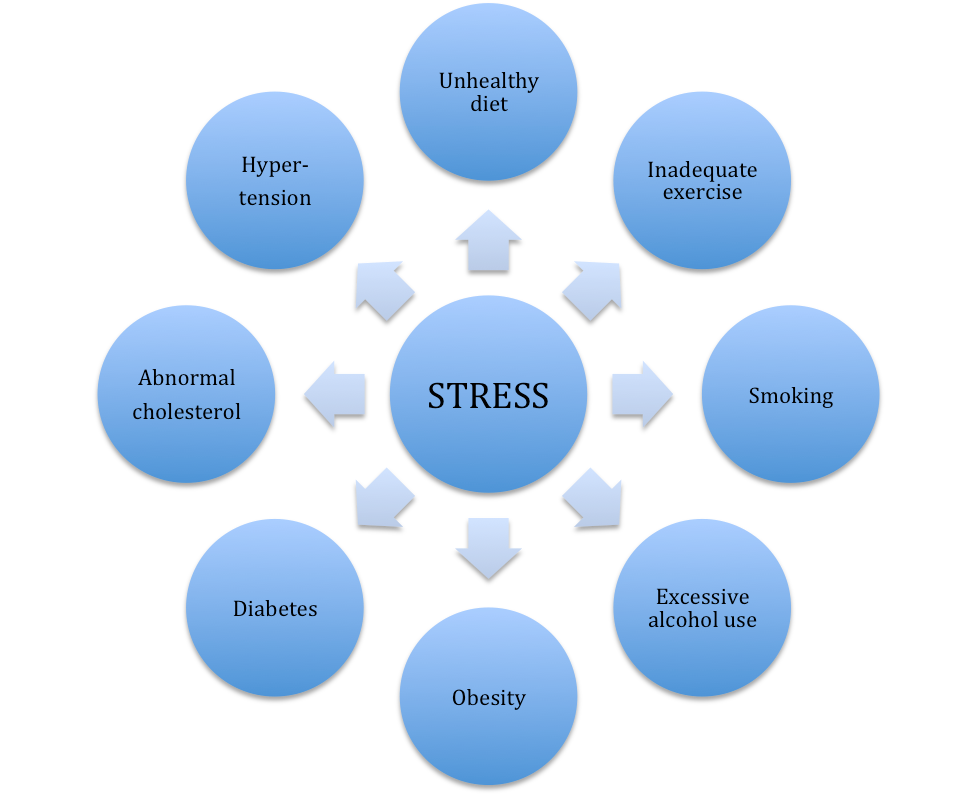
Our lifestyle choices play a crucial role in determining our susceptibility to stress. By adopting healthier habits, we can significantly reduce our risk of experiencing chronic stress. Unhealthy diet, lack of exercise, poor sleep habits, and substance abuse are four lifestyle factors that can contribute to stress.
An unhealthy diet lacking in essential nutrients can leave you feeling fatigued, irritable, and more vulnerable to stress. It is important to maintain a balanced diet, rich in fruits, vegetables, whole grains, and lean proteins, to support your overall well-being and reduce your stress levels.
A sedentary lifestyle devoid of regular physical activity can also contribute to stress. Exercise is not only vital for maintaining physical fitness, but it also boosts your mood and reduces anxiety and stress. Incorporating regular exercise into your routine, even if it is just a brisk walk or a quick workout session, can have a significant impact on your stress levels.
Poor sleep habits can leave you feeling tired, irritable, and less resilient to stressful situations. Establishing a regular sleep routine and creating a calm and comfortable sleeping environment can greatly contribute to better sleep quality and reduce stress. Avoiding caffeine and electronic devices before bedtime can also help promote a restful night’s sleep.
Substance abuse, whether it is alcohol, drugs, or even excessive caffeine consumption, can exacerbate stress levels. While substances may provide temporary relief, they ultimately increase anxiety and contribute to a vicious cycle of stress. Limiting or eliminating substance use can have significant benefits for your overall well-being and stress management.
Work Factors
Work is an integral part of our lives, but it can also be a significant source of stress. The demands and pressures of the workplace can overwhelm us if not managed effectively. High workload, job insecurity, lack of control, and poor work-life balance are four work factors that can contribute to stress.
A high workload, with overwhelming tasks and tight deadlines, can lead to chronic stress. It is important to effectively manage your workload and develop time management skills to avoid feeling overwhelmed. Setting realistic goals, prioritizing tasks, and seeking help or delegation when necessary can help alleviate work-related stress.
Job insecurity, whether it is due to company restructuring, layoffs, or the fear of losing one’s job, can create a constant sense of anxiety and stress. Developing a versatile skill set, staying updated in your field, and maintaining a positive attitude can help increase job security and reduce stress related to work.
Lack of control over your work environment, such as not having autonomy in decision-making or feeling micromanaged, can significantly contribute to stress levels. Communicating your needs and preferences to your superiors, finding ways to take ownership of your work, and seeking opportunities for growth and development can help regain a sense of control and minimize work-related stress.
Achieving a healthy work-life balance is essential to prevent stress from infiltrating your personal life. Depending on your job and circumstances, striking the right balance between work responsibilities and personal commitments can be challenging. However, prioritizing self-care, setting boundaries, and making time for activities and relationships outside of work can greatly contribute to reducing stress levels.
Personal Factors
In addition to lifestyle and work factors, certain personal characteristics and traits can increase an individual’s vulnerability to stress. Understanding these factors can help us identify potential areas of improvement and take necessary precautions. Existing health conditions, having a Type A personality, perfectionism, and low self-esteem are four personal factors that can contribute to stress.
Existing health conditions, whether physical or mental, can place additional stress on an individual’s life. Managing these conditions effectively and seeking appropriate medical care and support can help alleviate the burden of stress. Engaging in self-care practices and maintaining a proactive approach towards one’s health can also contribute to stress reduction.
Having a Type A personality, characterized by a competitive and driven nature, can make individuals more susceptible to stress. The constant need for achievement, perfection, and high expectations can create undue pressure and lead to chronic stress. Learning to prioritize tasks, embracing imperfection, and practicing self-compassion can help individuals with a Type A personality manage stress more effectively.
Perfectionism, the desire to meet excessively high standards, can lead to chronic stress and feelings of never being “good enough.” Recognizing that perfection is unattainable and learning to set realistic goals and expectations can help relieve stress associated with perfectionism.
Low self-esteem, feeling inadequate or having a negative self-image, can contribute to stress and anxiety. Cultivating self-acceptance, practicing self-care, and surrounding oneself with positive and supportive individuals can help boost self-esteem and reduce stress levels.

Psychological Factors
Our thought patterns and emotional well-being greatly influence our stress levels. Certain psychological factors can increase our vulnerability to stress, but by developing healthy coping mechanisms, we can effectively manage stress. Negative thinking patterns, inability to manage emotions, and poor coping mechanisms are three psychological factors that contribute to stress.
Negative thinking patterns, such as catastrophizing, overgeneralizing, and dwelling on negative experiences, can perpetuate feelings of stress. Learning to challenge and reframe negative thoughts, practicing gratitude and mindfulness, and seeking professional help, if needed, can help break the cycle of negative thinking and reduce stress levels.
Some individuals struggle with managing their emotions effectively, which can lead to heightened stress levels. Developing emotional intelligence, understanding and accepting one’s emotions, and learning healthy ways to express and regulate emotions can significantly contribute to stress reduction.
Coping mechanisms are the strategies we employ to manage stress and adversity. Poor coping mechanisms, such as avoidance, substance use, or aggression, can exacerbate stress and lead to further negative consequences. Developing healthier coping mechanisms, such as engaging in relaxation techniques, seeking support from loved ones, or pursuing hobbies and activities that bring joy, can greatly enhance stress management abilities.
Social Factors
As social creatures, our interactions with others can greatly impact our stress levels. Certain social factors can contribute to stress, but by fostering healthy relationships and addressing societal pressures, we can mitigate their effects. Relationship issues, isolation and loneliness, and societal pressures are three social factors that can contribute to stress.
Relationship issues, whether with a romantic partner, family member, or friend, can create significant stress in our lives. It is important to cultivate open and honest communication, establish healthy boundaries, and seek professional help or counseling when needed to address relationship issues and reduce associated stress.
Isolation and loneliness can have detrimental effects on our mental and physical well-being. Connecting with loved ones, joining social groups or clubs, and engaging in community activities can help combat feelings of isolation and reduce stress levels. Additionally, seeking support from friends, family, or support groups can provide a crucial network of individuals who can offer understanding and comfort during challenging times.
Societal pressures, such as cultural expectations, societal norms, and peer pressure, can contribute to stress and feelings of inadequacy. It is important to recognize and challenge these pressures, embracing personal values and beliefs instead. Surrounding yourself with individuals who accept and support you for who you are can greatly alleviate societal-induced stress.
Precautions for Stress
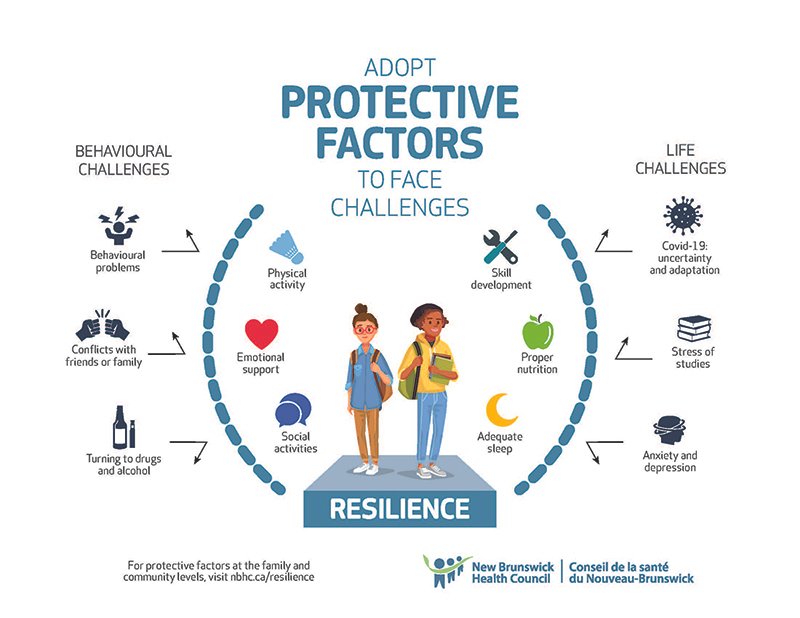
While it may not be possible to completely eliminate stress from our lives, there are several precautions we can take to minimize its impact. Recognizing warning signs, maintaining a healthy lifestyle, building resilience, seeking support, and setting boundaries are five key precautions for managing stress effectively.
Recognizing Warning Signs
One of the first steps in managing stress is to be aware of the warning signs indicating heightened stress levels. These signs can manifest in physical, emotional, and behavioral symptoms. By recognizing and acknowledging these signs, you can take the necessary steps to address stress before it spirals out of control.
Physical Symptoms
Physical symptoms of stress can include headaches, muscle tension, fatigue, sleep disturbances, changes in appetite, and digestive issues. Paying attention to these physical signals can help you identify when stress is taking a toll on your body and prompt you to take action to mitigate its effects.
Emotional Symptoms
Emotional symptoms of stress may manifest as irritability, anxiety, mood swings, feelings of overwhelm, and a sense of disconnection. It is important to acknowledge and validate these emotions, seeking healthy outlets for expression and finding strategies to restore emotional well-being.
Behavioral Symptoms
Behavioral symptoms of stress can include changes in eating or sleeping patterns, increased use of substances or addictive behaviors, withdrawal from social activities, and difficulty concentrating or making decisions. Being mindful of these behavioral changes can help you recognize when stress is impacting your daily life and prompt you to seek support or implement stress-reducing strategies.

Maintaining a Healthy Lifestyle
Taking care of your physical and mental well-being is essential for managing stress effectively. Incorporating the following practices into your daily life can significantly contribute to stress reduction:
Balanced Diet
A balanced diet consisting of nutrient-rich foods provides your body with the fuel it needs to function optimally. Choose whole grains, fruits, vegetables, lean proteins, and healthy fats to maintain stable blood sugar levels and support your overall well-being.
Regular Exercise
Exercise has numerous benefits for stress reduction. Engaging in regular physical activity releases endorphins, boosts your mood, and improves your overall physical and mental health. Find activities that you enjoy and make it a priority to incorporate exercise into your routine.
Adequate Sleep
Quality sleep is crucial for stress management. Establish a regular sleep routine, create a calm sleeping environment, and practice relaxation techniques to promote restful sleep. Avoid caffeine and electronic devices before bedtime to ensure you are giving your body and mind the opportunity to recharge.
Stress-Reducing Activities
Engaging in activities that help you relax and unwind can significantly reduce stress levels. Whether it is practicing mindfulness and meditation, enjoying a hobby, or spending time in nature, find activities that bring you joy and make them a regular part of your routine.
Setting Boundaries
Setting boundaries is essential for protecting your physical and mental well-being. Here are three key aspects of setting boundaries to consider:
Learning to Say No
It is important to learn to say no when you feel overwhelmed or when a request does not align with your values or priorities. By setting limits and protecting your time and energy, you can prevent yourself from taking on excessive stress and maintain a healthier work-life balance.
Prioritizing Self-Care
Making self-care a priority sends a powerful message that your well-being matters. Set aside regular time for activities that nourish your mind, body, and soul. Whether it is taking a long bath, reading a book, or practicing self-reflection, prioritize self-care activities that recharge and rejuvenate you.
Creating Work-Life Balance
Creating a healthy work-life balance is essential for preventing stress from consuming your personal life. Set boundaries around your work hours, engage in activities outside of work that bring you joy, and establish clear lines between professional and personal responsibilities. This will help you maintain a sense of equilibrium and reduce stress levels.
In conclusion, stress is a multifaceted issue influenced by various risk factors. By addressing lifestyle factors, work factors, personal factors, psychological factors, and social factors, we can take proactive measures to manage stress effectively. Recognizing warning signs, adopting a healthy lifestyle, building resilience, seeking support, and setting boundaries all contribute to a comprehensive approach for stress management. By prioritizing our well-being and taking necessary precautions, we can create a healthier and more balanced life.