Have you ever experienced the overwhelming frustration of dealing with a child’s explosive temper tantrum? In this article, we will explore the risk factors that contribute to these challenging outbursts and discuss practical precautions you can take to navigate them more effectively. By knowing the potential triggers and arming yourself with strategies to diffuse these moments, you can create a calmer and more harmonious environment for both you and your child. So, let’s dive in and discover how to handle temper tantrums like a pro.
Risk Factors For Temper Tantrums
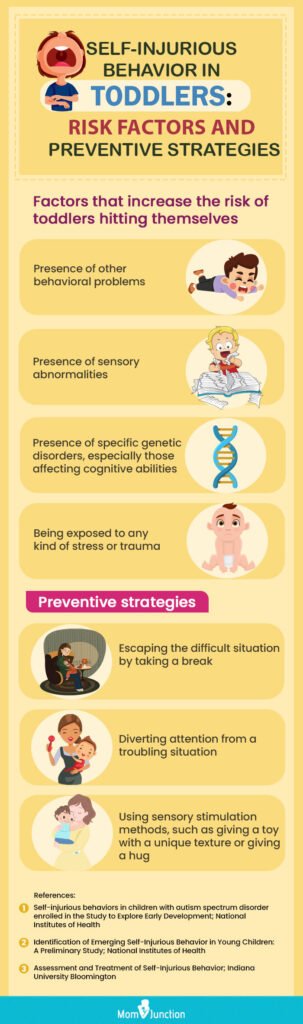
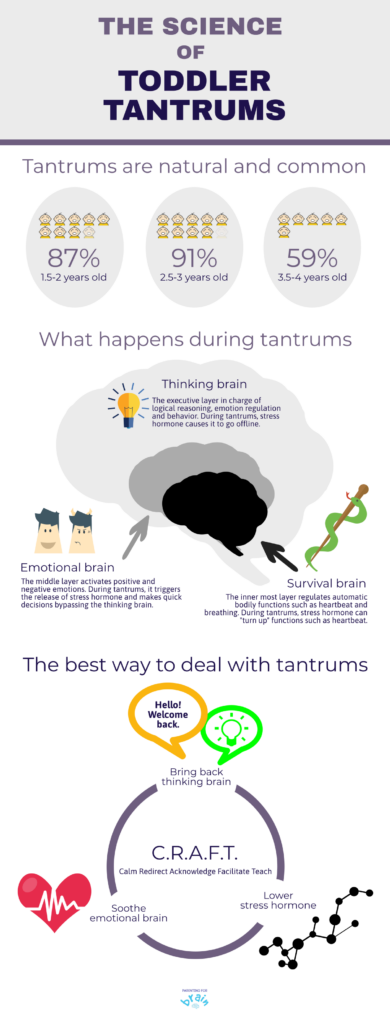
Temper tantrums are a common behavior in young children, but they can be challenging for both parents and children alike. Understanding the risk factors for tantrums can help parents and caregivers identify potential triggers and take proactive measures to prevent or manage them effectively. There are several factors that contribute to the occurrence of temper tantrums, including family factors, developmental factors, and contextual factors.
Family Factors
Family dynamics play a crucial role in a child’s emotional development and behavior. Certain family factors may increase the likelihood of temper tantrums. For example, a chaotic or stressful home environment, inconsistent parenting styles, or a lack of emotional closeness between family members can contribute to a child’s emotional dysregulation and increase the frequency and intensity of tantrums. It is essential for parents to create a nurturing and supportive environment that promotes emotional well-being and provides clear expectations and boundaries.
Developmental Factors
Temper tantrums are most common in toddlers and preschoolers, as this stage of development is marked by significant cognitive, emotional, and social changes. During this period, children are learning to assert their independence and communicate their needs and desires. However, their understanding and language skills are still developing, which can lead to frustration and a higher likelihood of tantrums. Understanding and empathizing with their developmental milestones can help parents set realistic expectations and respond to their children’s needs effectively.
Contextual Factors
The context in which a child lives and interacts can also contribute to the occurrence of tantrums. Certain situations or events can trigger an emotional outburst in children. Overstimulation from a loud, crowded environment, a sudden change in routine, or transitions from one activity to another can overwhelm a child and lead to tantrums. It is important for parents to be aware of these contextual factors and make necessary adjustments to minimize or prevent tantrums from occurring.
Precautions for Temper Tantrums
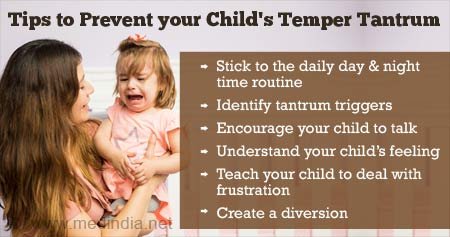
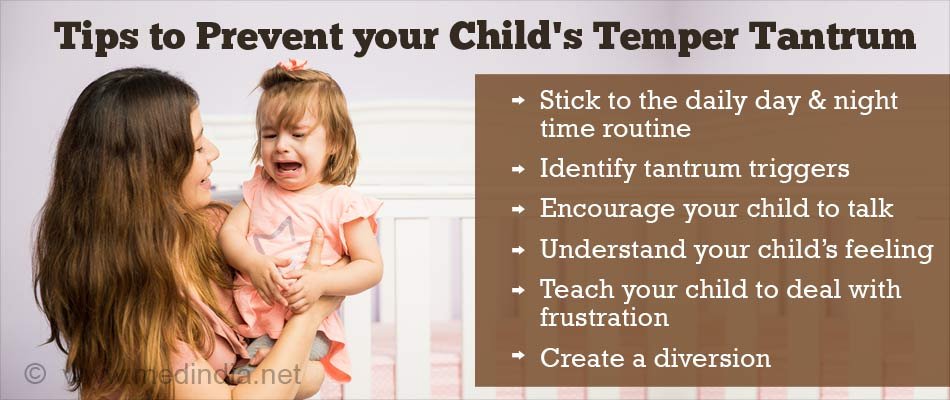
While it may not be possible to completely eliminate tantrums, there are several precautions parents can take to reduce their frequency and intensity. By implementing effective parenting strategies, teaching emotional regulation skills, and ensuring physical well-being, parents can create a conducive environment that promotes positive behavior and minimizes the occurrence of tantrums.
Parenting Strategies
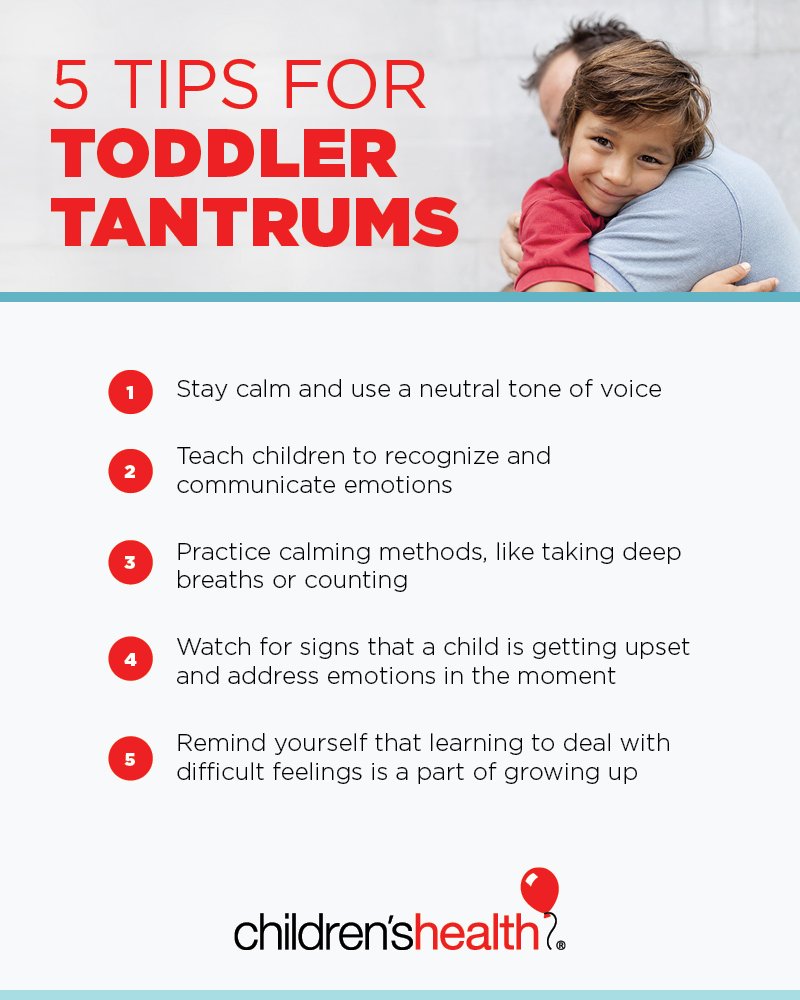
Positive parenting strategies play a vital role in preventing and managing tantrums. Encouraging open communication, setting clear expectations, and using positive reinforcement can help children understand the boundaries and the consequences of their behavior. It is important for parents to remain calm, patient, and empathetic during tantrums, providing a safe space for their child to express their emotions while also teaching appropriate ways to cope with frustration.
Teaching Emotional Regulation
Emotional regulation is a critical life skill that children need to develop. By teaching children how to identify and express their emotions, parents can help them regulate their behavior and cope with overwhelming feelings. Implementing activities such as deep breathing exercises, mindfulness techniques, and offering verbal support can assist children in understanding and managing their emotions effectively.
Ensuring Physical Well-being
Physical well-being plays a significant role in a child’s emotional state. Hunger, fatigue, or illness can lower a child’s threshold for frustration, increasing the likelihood of tantrums. Parents should ensure that their child is getting adequate sleep, nutrition, and exercise to maintain their physical well-being. A healthy lifestyle can contribute to overall emotional well-being and reduce the occurrence of tantrums.
Recognizing Early Signs of Tantrums
Being able to recognize the early signs of tantrums is crucial for parents to intervene before they escalate. Infants, toddlers, and school-age children may exhibit different behaviors leading up to a tantrum. By understanding these early signs, parents can implement appropriate strategies to de-escalate the situation and help their child regain control of their emotions.
Signs in Infants and Toddlers
In infants and toddlers, early signs of tantrums may include crying, fussiness, or physical agitation. They may show signs of fatigue or hunger, rub their eyes, or display clingy behavior. The key is to recognize these signs as indicators of a potential tantrum and respond by addressing their immediate needs or providing comfort.
Signs in Preschoolers and School-age Children
As children grow older, their expressions of frustration may become more verbal and intense. They may use words or gestures to express their dissatisfaction, become easily irritable, or display escalating behaviors such as hitting, kicking, or throwing objects. It is crucial for parents to recognize these signs as a signal for intervention and provide support to help their child self-regulate their emotions.
Effect of Temper Tantrums on Children
Tantrums not only impact the child’s immediate emotional state but can also have long-term effects on their overall well-being. Understanding these effects can motivate parents to take proactive measures to prevent tantrums and support their child’s emotional development effectively.
Emotional Impact
Tantrums can have a profound emotional impact on children. They may feel overwhelmed, frustrated, or helpless during a tantrum, leading to a decline in self-esteem and overall emotional well-being. Frequent tantrums can also contribute to increased anxiety and depression in children, making it essential for parents to intervene and teach healthy coping strategies.
Interpersonal Effects
The occurrence of tantrums within social settings, such as family gatherings or school, can impact a child’s relationships with peers and adults. Children who frequently engage in tantrums may find it challenging to form and maintain positive relationships, as their peers may struggle to understand or cope with their intense emotional outbursts. Social isolation or rejection can further exacerbate a child’s emotional distress.
Long-Term Consequences
If not properly addressed or managed, temper tantrums can have long-term consequences on a child’s development. They may lead to behavior problems, poor self-regulation skills, and difficulty adjusting to new environments or challenges. It is crucial for parents to seek appropriate support and intervention to prevent these long-term consequences and promote positive development in their child.