Are you curious to learn more about rubella and its causes, symptoms, and treatment? Look no further! In this article, you will find all the essential information you need to know about this contagious viral infection known as rubella. From understanding what causes rubella to recognizing its symptoms, we will explore how this disease impacts the body and what treatment options are available. So, let’s embark on this journey together and increase our knowledge about rubella!
Causes of Rubella
Rubella, also known as German measles, is caused by the rubella virus. This virus is responsible for the transmission of rubella through various means. There are three main causes of rubella: virus transmission, maternal transmission, and congenital rubella syndrome.
Virus Transmission
Rubella is primarily transmitted from person to person through respiratory droplets in the air. When an infected person sneezes or coughs, tiny droplets containing the rubella virus become airborne. These droplets can then be inhaled by others, leading to the transmission of the virus.
Additionally, rubella can also be transmitted through direct contact with an infected person’s respiratory secretions or saliva. This can occur when an infected person touches their mouth or nose and then touches objects or surfaces, which others subsequently come into contact with. In such cases, the virus can be transferred from the infected person to others through the contaminated surfaces.
Another mode of transmission is from a mother to her fetus during pregnancy. This is known as congenital rubella syndrome and can have severe consequences for the baby.
Maternal Transmission
Maternal transmission occurs when a pregnant woman becomes infected with the rubella virus. The virus can then cross the placenta and infect the developing fetus, leading to congenital rubella syndrome.
When rubella is contracted during early pregnancy, the risk of transmission to the fetus is highest. The virus can interfere with the normal development of the baby, resulting in a range of complications.
Certain risk factors increase the likelihood of maternal transmission. These include lack of immunity to rubella, exposure to individuals who have rubella, and living in crowded or unsanitary conditions. It is important for pregnant women to take precautionary measures to reduce the risk of rubella infection.
Prevention measures include ensuring vaccination before becoming pregnant, practicing good hygiene, avoiding close contact with individuals who have rubella, and seeking prompt medical attention if exposure to rubella is suspected.
Congenital Rubella Syndrome
Congenital rubella syndrome refers to the range of birth defects that occur in babies whose mothers were infected with rubella during pregnancy. This syndrome can have lifelong consequences for the affected individuals.
The definition of congenital rubella syndrome encompasses various physical, developmental, and intellectual abnormalities. These can include hearing loss, eye abnormalities, heart defects, developmental delay, and intellectual disabilities. The severity of the syndrome can vary from mild to severe, depending on the timing of infection during pregnancy and other factors.
Symptoms of Rubella
Rubella presents with a distinct set of symptoms, which can vary in severity from person to person. Recognizing these symptoms is essential for an accurate diagnosis and prompt medical intervention.
Initial Symptoms
The initial symptoms of rubella often resemble those of a mild cold or flu. They may include a low-grade fever, mild headache, and a sore throat. These symptoms typically appear 2 to 3 weeks after exposure to the virus.
Characteristic Rash
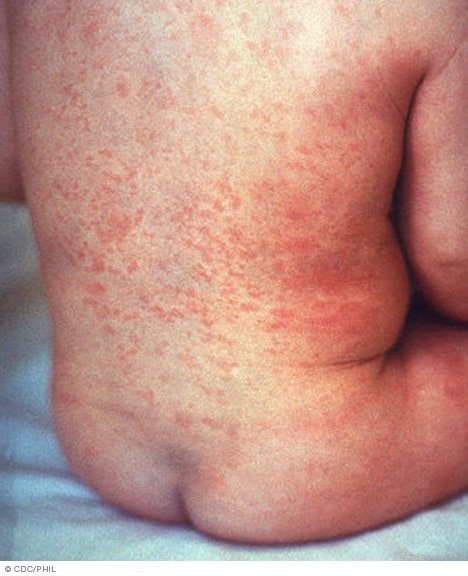
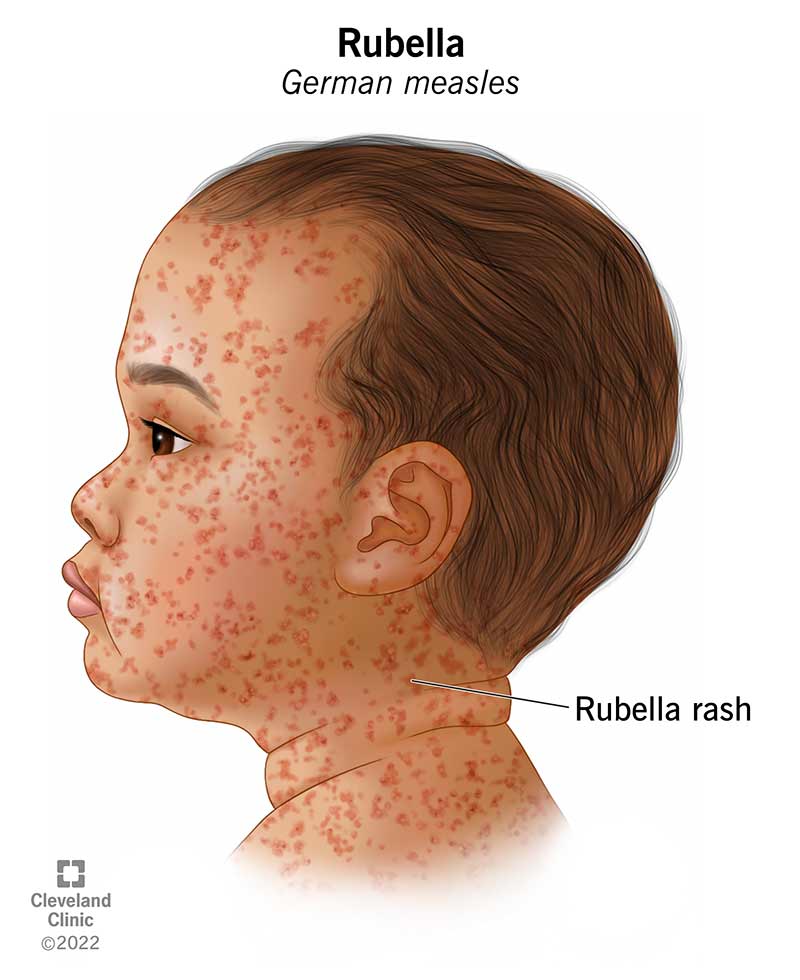
One of the hallmark symptoms of rubella is a distinctive rash. This rash usually starts on the face and then spreads to the rest of the body. It appears as pink or light red spots that can merge together to form a uniform rash. The rash typically lasts for 2 to 3 days and may be accompanied by itching in some individuals.
Other Possible Symptoms
In addition to the initial symptoms and characteristic rash, rubella may also present with other accompanying symptoms. These can include enlarged lymph nodes, particularly behind the ears and at the back of the neck. Joint pain, especially in adults, may also be experienced. Some individuals may also have a runny or stuffy nose.

Treatment of Rubella
Treatment for rubella primarily focuses on managing the symptoms and preventing complications. There is no specific antiviral medication available for rubella, and the illness is self-limiting in most cases.
Supportive care is the mainstay of treatment. This includes getting plenty of rest, drinking fluids to stay hydrated, and taking over-the-counter pain and fever relievers, such as acetaminophen, as directed by a healthcare professional.
In some cases, if there are complications or severe symptoms, additional medications may be prescribed. These may include antipyretics, anti-inflammatory drugs, or antihistamines to alleviate specific symptoms.
Prevention is crucial in managing rubella. One of the most effective ways to prevent rubella is through vaccination.
Prevention through Vaccination
Rubella vaccination is an essential tool in preventing the spread of the virus. It is included as part of routine childhood immunizations, typically administered in combination with measles and mumps vaccines, known as the MMR vaccine.
The recommended vaccination schedule includes the first dose at 12 to 15 months of age, followed by a second dose at 4 to 6 years of age. The vaccine is highly effective in protecting against rubella and confers long-lasting immunity.
Vaccination not only protects individuals from rubella but also helps prevent the transmission of the virus in the community. It reduces the risk of maternal transmission during pregnancy and safeguards against the development of congenital rubella syndrome.
While the MMR vaccine is generally safe and well-tolerated, certain considerations should be kept in mind for special populations. These include individuals with compromised immune systems, pregnant women, and individuals with a history of severe allergic reactions to previous vaccinations.
In conclusion, rubella is caused by the rubella virus and has various means of transmission. Maternal transmission during pregnancy can result in congenital rubella syndrome, which can have severe consequences for the baby. Recognizing the symptoms of rubella, such as the initial symptoms and characteristic rash, is vital for proper diagnosis and treatment. Treatment primarily involves supportive care, and prevention through vaccination is key to managing and preventing rubella. By being aware of the causes, symptoms, and treatment of rubella, you can take proactive steps to protect yourself and others from this contagious viral infection.