
German Measles, also known as rubella, is a contagious viral infection that primarily affects children. In this informative article, we will explore the symptoms, treatment options, and prevention methods for this common childhood illness. From the telltale rash to the potential complications, we will help you gain a comprehensive understanding of German Measles and how to protect yourself and your loved ones. So, sit back, relax, and let’s delve into the world of German Measles together.
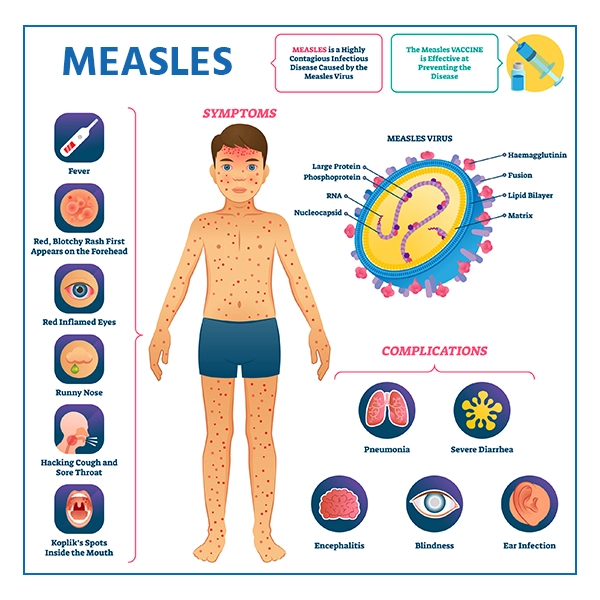
Symptoms
Fever
German Measles, also known as rubella, typically begins with a low-grade fever. You may experience a slight rise in body temperature, usually between 99°F and 100°F. While this may not seem alarming, it is important to monitor and track your fever as it can provide valuable information to healthcare professionals during the diagnostic process.
Rash
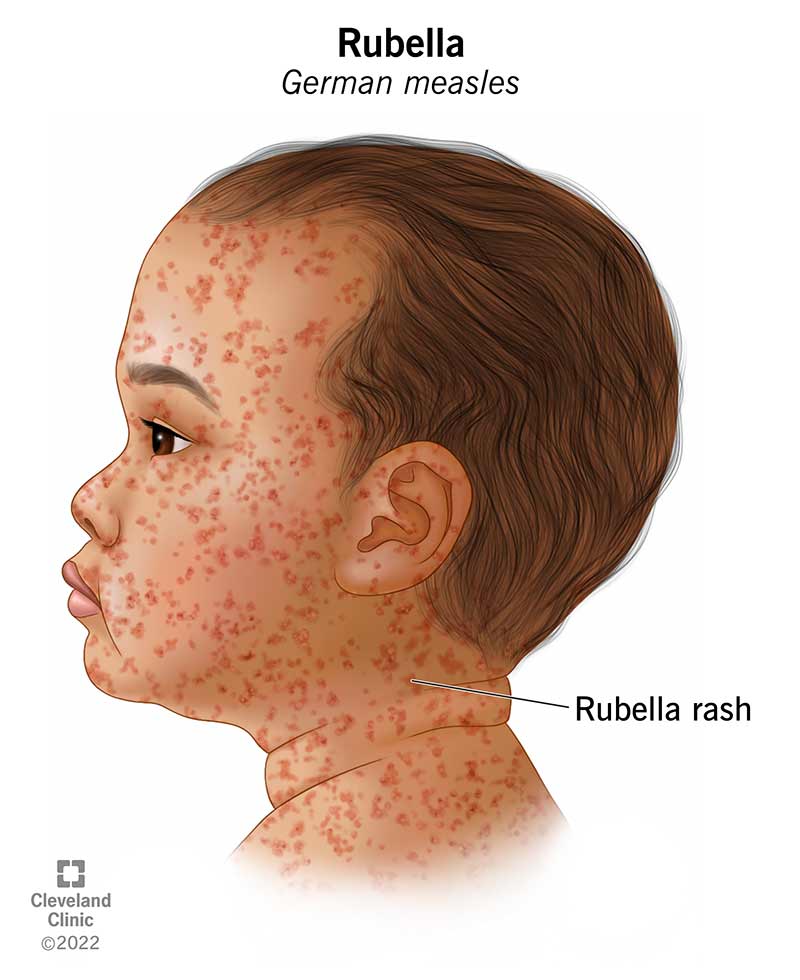
One of the distinctive symptoms of German Measles is the appearance of a rash. This rash usually starts on the face and then spreads to the rest of the body. It presents as pink or light red spots that may be slightly raised and have a fine texture. The rash is generally not itchy and doesn’t cause discomfort. It typically lasts for about three days before fading away.
Swollen Lymph Nodes
Rubella often leads to swollen lymph nodes, particularly those located behind the ears and at the base of the skull. You may notice that these areas on your body feel tender or slightly painful to the touch. The enlarged lymph nodes are your body’s natural response to fighting off the viral infection. It is important to remember that not all individuals with German Measles will experience swollen lymph nodes, but it is a common symptom to be aware of.
Joint Pain
In some cases, German Measles may cause joint pain, especially in adults. You may experience mild to moderate pain in your joints, particularly in the wrists, fingers, knees, and ankles. These symptoms may last for a few days and usually improve as your body recovers from the infection. If you are experiencing joint pain along with other symptoms, it is advisable to seek medical attention for an accurate diagnosis and appropriate treatment.
Diagnosis
Physical Examination
To diagnose German Measles, a healthcare professional usually begins with a thorough physical examination. During this examination, they will inspect your skin for the characteristic rash, palpate the lymph nodes for swelling, and assess your joints for any signs of inflammation. This examination helps in identifying potential symptoms and guiding further diagnostic tests.
Blood Tests
Blood tests are essential to confirm a rubella infection. By analyzing a sample of your blood, healthcare professionals can detect the presence of specific antibodies produced by your immune system in response to the rubella virus. These tests, such as the enzyme-linked immunosorbent assay (ELISA), can accurately determine if you have an active Rubella infection or if you have previously been immunized against the virus. Blood tests also help confirm the diagnosis and rule out other potential causes of your symptoms.
Complications
Birth Defects
One of the most concerning complications of German Measles occurs when pregnant individuals contract the infection. Rubella during pregnancy can lead to severe birth defects in the developing fetus, referred to as congenital rubella syndrome (CRS). The virus can affect the baby’s heart, eyes, ears, brain, and other organs, leading to various disabilities and lifelong health challenges. It is crucial to take preventive measures to protect both yourself and your baby from this potential complication.
Encephalitis
Although rare, German Measles can occasionally lead to encephalitis, which is inflammation of the brain. This complication can cause symptoms such as headache, confusion, seizures, and even coma. Encephalitis requires immediate medical attention, as it can be life-threatening and may result in long-term neurological consequences.
Arthritis
In some cases, rubella can cause joint inflammation, resulting in a condition known as rubella-associated arthritis. This usually affects adult women and older individuals. The joint pain and stiffness may last for several weeks or months. While it is typically self-limiting and resolves without long-term complications, medical care may be necessary to manage the symptoms effectively.
Treatment
Symptomatic Relief
While there is no specific antiviral treatment for German Measles, the focus of the treatment is on relieving the symptoms and managing any potential complications. It is essential to get plenty of rest, drink fluids to stay hydrated, and take over-the-counter pain relievers, such as acetaminophen and non-steroidal anti-inflammatory drugs (NSAIDs), to help alleviate fever, rash, and joint pain. However, always consult with a healthcare professional before taking any medication, especially if you are pregnant or have any underlying health conditions.
Medications
In specific cases, healthcare professionals may prescribe medications to manage severe symptoms or complications associated with German Measles, such as encephalitis or rubella-associated arthritis. These medications may include antiviral drugs, corticosteroids to reduce inflammation, or other targeted therapies depending on the individual situation. It is crucial to follow the prescribed treatment plan and attend regular follow-up appointments with your healthcare provider.
Prevention
Vaccination
The most effective method of preventing German Measles is through vaccination. The MMR vaccine (measles, mumps, and rubella) provides immunity against rubella and is routinely administered during childhood. It is a safe and highly effective vaccine that has significantly reduced the incidence of rubella cases worldwide. If you have not received the MMR vaccine or are unsure of your immunization status, it is advisable to consult with your healthcare provider and consider getting vaccinated to protect yourself and others.
Pregnancy Planning
If you are planning to become pregnant, it is important to ensure that you are immune to rubella before conceiving. A blood test can determine your immunity status, and if you are not immune, vaccination is recommended. It is advisable to wait at least one month after the vaccination before attempting to conceive to ensure full protection. In case you are already pregnant and not immune to rubella, it is crucial to avoid exposure to the virus to protect the developing fetus from potential harm.
Isolation
During a rubella outbreak or if you are infected with German Measles, it is crucial to practice isolation to prevent the spread of the virus. Isolation involves restricting contact with individuals who are not immune to rubella, particularly pregnant women. Staying home, avoiding public places, and maintaining good hygiene practices, such as regular handwashing, can help reduce the risk of transmission. Following isolation protocols not only protects others but also reduces the chances of complications among vulnerable populations.
Vaccination
MMR Vaccine
The MMR vaccine is a combination vaccine that protects against three diseases: measles, mumps, and rubella. It is typically administered in two doses, with the first dose being given around 12-15 months of age and the second dose between 4-6 years of age. The vaccine contains weakened forms of the viruses, stimulating the immune system to produce a protective response without causing the diseases. It is highly effective in preventing rubella and its associated complications.
When to Get Vaccinated
It is important to follow the recommended vaccination schedule to ensure optimal protection against rubella. Children should receive their first dose of the MMR vaccine at around 12-15 months of age, and the second dose between 4-6 years of age. Adolescents and adults who have not been vaccinated or do not have documented immunity should also receive the MMR vaccine. If you are unsure about your immunization status, consult with your healthcare provider for guidance.
Vaccine Effectiveness
The MMR vaccine has been extensively studied and proven to be highly effective in preventing rubella. According to the Centers for Disease Control and Prevention (CDC), two doses of the MMR vaccine provide approximately 97% protection against rubella. The vaccine not only protects individuals from developing the disease but also helps prevent the circulation of the virus, contributing to herd immunity and safeguarding vulnerable populations. It is vital to promote and maintain high vaccination coverage rates to ensure the continued effectiveness of the vaccine.

Pregnancy Planning
Vaccination Before Pregnancy
If you are planning to become pregnant, it is advisable to check your immunization status and ensure you are immune to rubella. The MMR vaccine can be safely administered to non-pregnant individuals, and vaccination before pregnancy provides protection against rubella infection. If you are not immune, getting vaccinated at least one month prior to conception allows sufficient time for your immune system to develop protective antibodies.
Avoiding Exposure During Pregnancy
If you are already pregnant and not immune to rubella, it is crucial to take precautions to avoid exposure to the virus. Limiting close contact with individuals who may be infected, practicing good hygiene, and ensuring that you are up-to-date with your MMR vaccine are essential measures to protect yourself and your developing baby. If you suspect any potential exposure to rubella during pregnancy, promptly consult with your healthcare provider for further evaluation and guidance.
Isolation
Restricting Contact
To prevent the spread of German Measles, it is important to restrict contact with individuals who are not immune to rubella, particularly pregnant women, and individuals with compromised immune systems. This includes avoiding close contact, such as hugging, kissing, sharing utensils, and spending time in enclosed spaces with potentially vulnerable individuals. By maintaining a distance and adhering to isolation measures, you can significantly reduce the risk of transmitting the virus to others.
Preventing Spread
In addition to restricting contact, it is crucial to practice good hygiene to prevent the spread of the rubella virus. This includes regular handwashing with soap and water for at least 20 seconds, covering your mouth and nose with a tissue or your elbow when coughing or sneezing, properly disposing of used tissues, and avoiding touching your face with unwashed hands. These simple measures can help reduce the chances of transmission and protect those around you.

Outbreaks
Importance of Containment
Controlling and containing outbreaks of German Measles is a critical aspect of public health. Swift identification and isolation of infected individuals, along with contact tracing, are essential to prevent the further spread of the virus within the community. By implementing strict containment measures, healthcare authorities can limit the number of cases and reduce the potential for complications, particularly among vulnerable populations.
Vulnerable Populations
During outbreaks, certain populations are particularly vulnerable to the complications of German Measles. Pregnant women, infants, individuals with compromised immune systems, and those who have not been vaccinated are at higher risk. It is crucial to prioritize vaccination campaigns, targeted outreach efforts, and educational initiatives to ensure these vulnerable populations are protected and receive appropriate care if they do become infected.
Public Health Measures
Surveillance
Surveillance plays a crucial role in monitoring the prevalence and spread of German Measles. Healthcare authorities collect and analyze data on reported cases, immunity rates, and outbreaks to inform public health strategies. By closely monitoring the situation, healthcare professionals can identify potential areas of concern, accurately assess the impact of preventive measures, and adjust public health interventions accordingly.
Contact Tracing
Contact tracing is a fundamental public health strategy used during outbreaks to identify individuals who may have been exposed to the rubella virus. Healthcare professionals gather information about the infected individual’s recent contacts and locations to alert potentially affected individuals and provide appropriate guidance, such as testing or vaccination. Contact tracing helps break the chain of transmission and minimize the spread of the disease within the community.
Outbreak Response
A prompt and comprehensive outbreak response is crucial to limit the impact of German Measles on public health. In collaboration with healthcare professionals, public health authorities develop and implement strategies to control the outbreak. This may involve targeted vaccination campaigns, isolation and quarantine measures, educational initiatives, and public awareness campaigns. By coordinating efforts and mobilizing resources, the response can effectively mitigate the spread of the virus and protect the population.
