
Let’s explore the ins and outs of German Measles together! In this article, you’ll gain a comprehensive understanding of this viral infection, learning about its symptoms, causes, and available treatments. German Measles can be an unpleasant experience, but by getting informed, you’ll be equipped with the knowledge to recognize and effectively manage the condition. So let’s dive in and discover everything you need to know about German Measles!
Symptoms
Skin rash
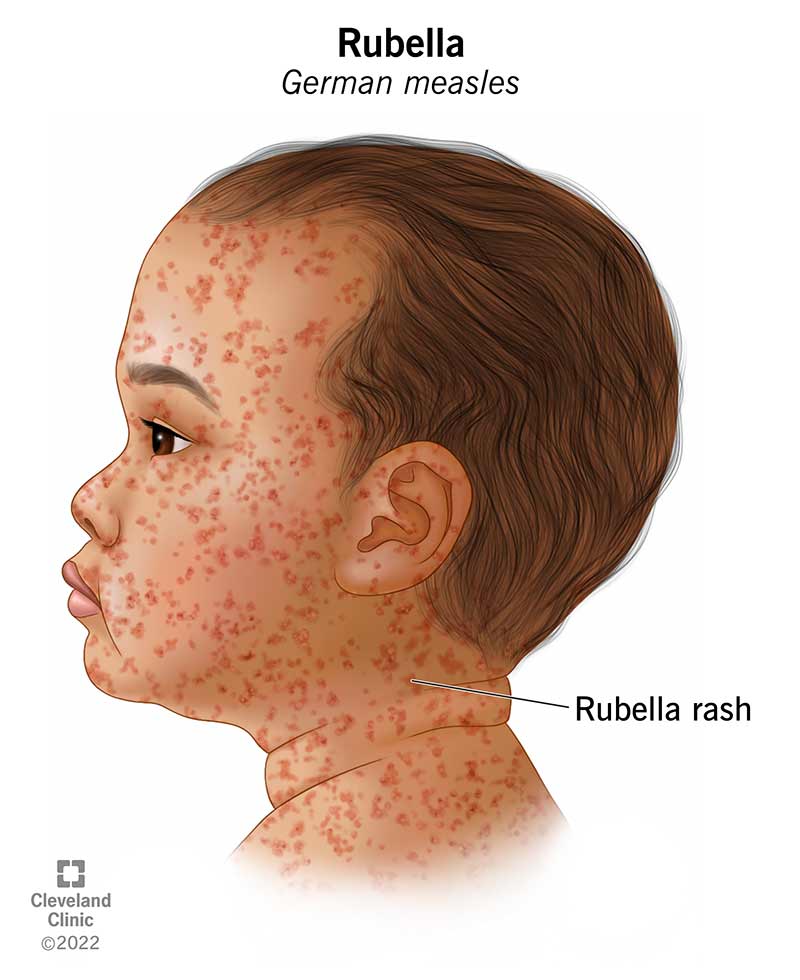
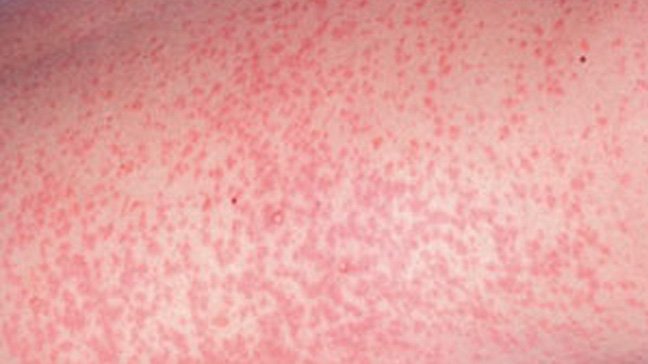
The most recognizable symptom of German measles is a pink or red rash that starts on the face and quickly spreads throughout the body. The rash typically lasts for about three days and may be accompanied by itchiness or discomfort.
Fever
Fever is another common symptom of German measles. It usually begins a few days before the rash appears and can range from mild to high-grade. The fever may be accompanied by other flu-like symptoms such as fatigue and body aches.
Headache
Headaches are a frequent complaint among individuals with German measles. The intensity can vary from mild to severe and may be accompanied by sensitivity to light or sound.
Swollen lymph nodes
German measles can cause swelling of the lymph nodes, particularly those located at the back of the neck and behind the ears. These swollen glands may be tender to the touch and can persist for several days.
Red eyes
Red and inflamed eyes, known as conjunctivitis, are commonly observed in individuals with German measles. This symptom may cause itching, burning, and a discharge of mucus from the eyes.
Causes
Rubella virus
The cause of German measles is the rubella virus, a member of the Togaviridae family. This virus is highly contagious and can spread easily from person to person through respiratory droplets when an infected individual coughs or sneezes. It can also be transmitted through direct contact with nasal or throat secretions of an infected person.
Transmission
German measles is primarily transmitted from person to person through airborne respiratory droplets. When an infected individual coughs or sneezes, tiny droplets containing the virus can be inhaled by people in close proximity, leading to infection. Additionally, the virus can be spread by touching surfaces or objects contaminated with the virus and then touching the nose, mouth, or eyes.
Pregnancy complications
One of the most concerning aspects of German measles is its potential to cause complications during pregnancy. If a pregnant woman contracts the rubella virus, it can increase the risk of miscarriage, stillbirth, or a range of birth defects known as congenital rubella syndrome (CRS). Therefore, it is crucial for pregnant women to take precautions to avoid exposure to the virus.
Diagnosis
Physical examination
To diagnose German measles, a healthcare professional will conduct a thorough physical examination, paying close attention to the characteristic rash and other accompanying symptoms. They may also check for enlarged lymph nodes and inflammation in the eyes.
Blood tests
Blood tests can be used to confirm a diagnosis of German measles. These tests detect the presence of antibodies against the rubella virus in the bloodstream. A positive result indicates a current or past infection, while a negative result suggests no exposure or immunity to the virus.
Complications
Arthritis
Arthritis, characterized by joint pain, stiffness, and swelling, is a possible complication of German measles. This condition typically resolves on its own within a few weeks, but in some cases, it can persist for a prolonged period.
Encephalitis
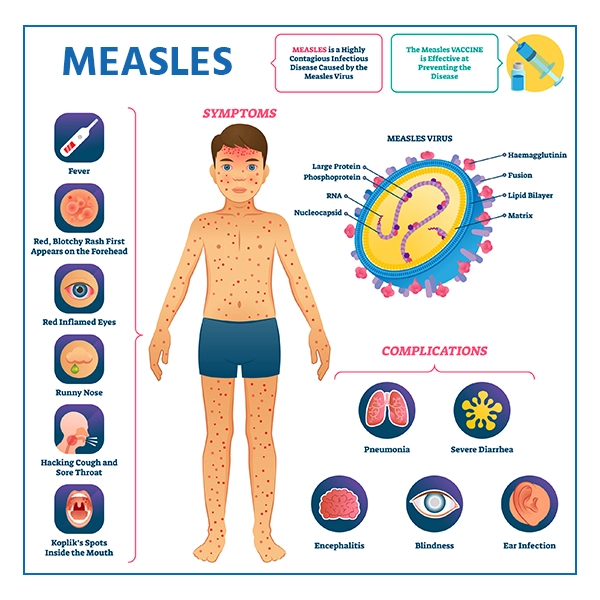
Although rare, German measles can result in encephalitis, which is inflammation of the brain. This complication can cause a range of neurological symptoms, including headache, confusion, seizures, and even coma. Prompt medical attention is crucial in these cases.
Congenital rubella syndrome
German measles during pregnancy can lead to congenital rubella syndrome (CRS) in the unborn baby. CRS can cause a variety of birth defects, including hearing loss, vision problems, heart abnormalities, developmental delay, and intellectual disability. It highlights the importance of preventing rubella infection in pregnant women.
Treatment
Symptomatic relief
Treatment for German measles focuses on relieving the associated symptoms. Over-the-counter pain relievers can help alleviate fever, headache, and joint pain. Applying calamine lotion or taking antihistamines can provide relief from itchiness caused by the rash.
Rest and fluids
Rest and staying well-hydrated are essential during German measles. Adequate rest helps the body fight the infection, and drinking plenty of fluids helps prevent dehydration, especially if fever is present.
Medications
In severe cases or when complications arise, medical intervention may be necessary. Antiviral medications may be prescribed to help reduce the severity and duration of symptoms. However, these medications are typically not recommended for routine cases of German measles.
Prevention
Vaccination
The most effective way to prevent German measles is through vaccination. The measles, mumps, and rubella (MMR) vaccine provides immunity against the rubella virus. It is routinely administered to children as part of their immunization schedule. It is also recommended for adults who have not been vaccinated or are unsure of their immunization status.
Immunity
Previous infection with the rubella virus or vaccination can confer immunity against German measles. Immunity means that if you are exposed to the virus, your body’s immune system can effectively fight off the infection without developing symptoms. This is why vaccination campaigns are crucial to achieving herd immunity and protecting vulnerable populations.
Outlook
Prognosis
In general, the prognosis for German measles is excellent. Most individuals make a full recovery within a week or two, with no long-term consequences. However, complications can occur, particularly in pregnant women and newborns, underscoring the importance of timely medical care and prevention efforts.
Long-term effects
For the majority of individuals with German measles, there are no long-term effects once the infection has resolved. However, as mentioned earlier, complications such as arthritis and congenital rubella syndrome can occur in some cases. It is essential to prioritize prevention and early treatment to minimize the risk of long-term complications.
When to See a Doctor
Seek medical attention for pregnant women
Pregnant women who suspect they may have been exposed to German measles or who develop symptoms should seek immediate medical attention. Prompt diagnosis and management are critical to protect both the mother and the unborn baby from potential complications.
Consult a doctor for infants and young children
If your infant or young child exhibits symptoms of German measles, it is advisable to consult a healthcare professional. While German measles is typically a mild illness in children, it is essential to rule out other more serious conditions and ensure appropriate management.

Conclusion
German measles, caused by the rubella virus, is a contagious illness characterized by a rash, fever, headache, swollen lymph nodes, and red eyes. While it is generally a mild illness in children and adults, it can have severe consequences for pregnant women and their unborn babies. Prevention through vaccination and practicing good hygiene is crucial in controlling the spread of the disease. Seeking medical attention for pregnant women and young children is essential to ensure appropriate management and minimize complications. With proper care and attention, the prognosis for German measles is excellent, and most individuals make a full recovery without any long-term effects.