
Have you ever experienced the discomfort of an ingrown toenail? If so, you know just how frustrating it can be. But fear not, because relief may be closer than you think. In this article, we will explore a range of effective home remedies that can help alleviate the pain and promote healing for your ingrown toenail. No need to rush to the doctor just yet, as you might find the solution you’re seeking right in the comfort of your own home. So sit back, relax, and get ready to discover simple remedies that can bring you the relief you’ve been longing for.
Understanding Ingrown Toenails
What is an Ingrown Toenail?
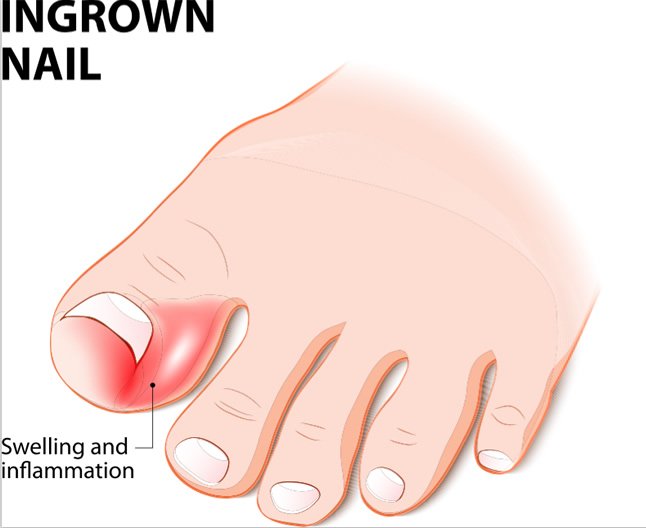
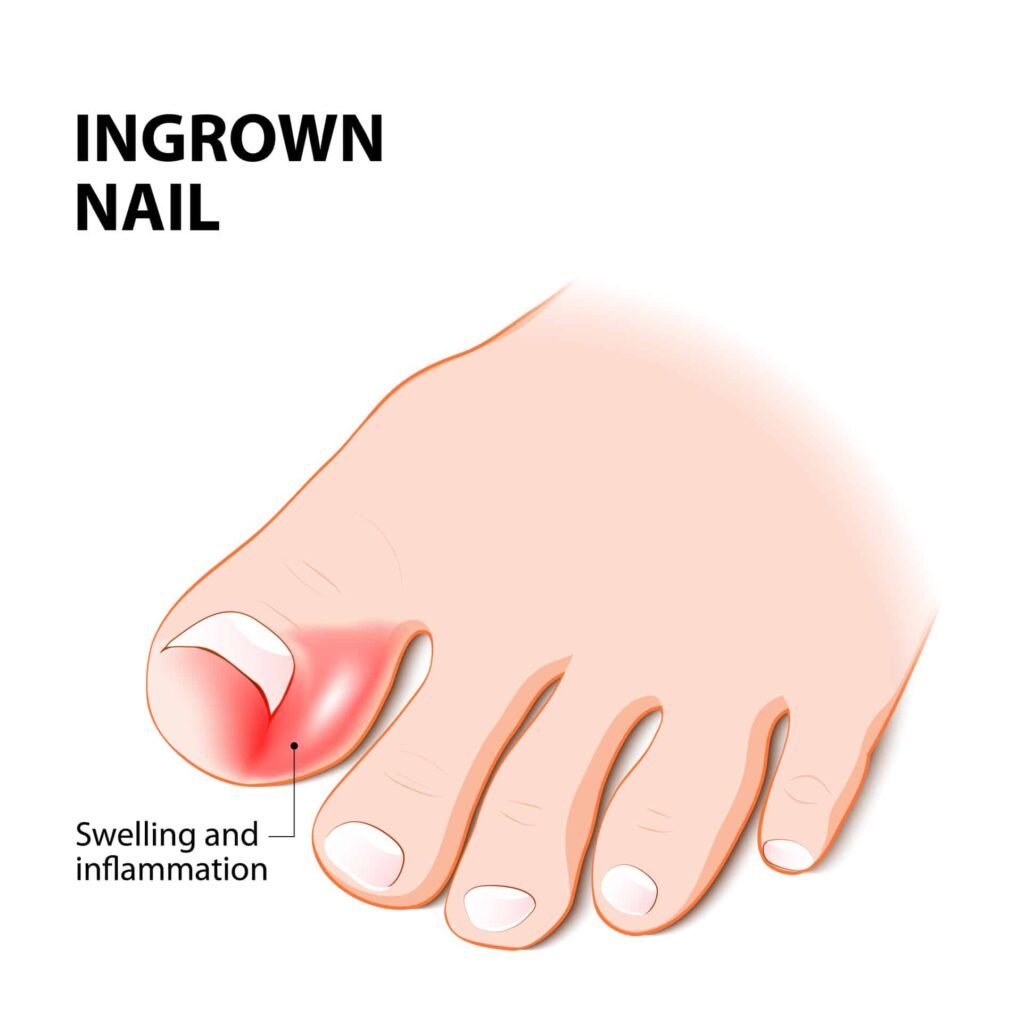
An ingrown toenail occurs when the edge of the nail grows into the surrounding skin, causing pain, inflammation, and discomfort. This condition most commonly affects the big toe, but it can also occur in other toes. Ingrown toenails can occur due to a variety of reasons, including improper nail trimming, wearing tight or ill-fitting shoes, injury to the toe, or genetic predisposition.
Causes of Ingrown Toenails
One of the leading causes of ingrown toenails is improper nail trimming technique. Cutting the nail too short or rounding the edges can increase the likelihood of the nail growing into the skin. Wearing shoes that are too tight or narrow can also put pressure on the toes and lead to ingrown nails. Furthermore, any trauma or injury to the toe can cause the nail to grow abnormally and become ingrown. Lastly, some people are genetically predisposed to developing ingrown toenails, making them more susceptible to this condition.
Common Symptoms
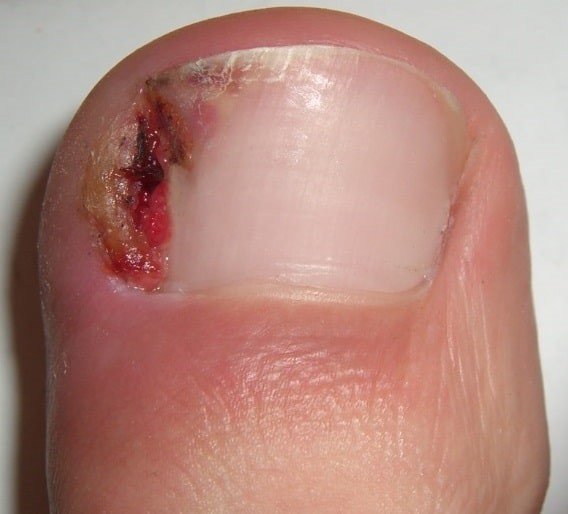
The symptoms of an ingrown toenail vary in severity but often include pain, tenderness, redness, and swelling around the affected toe. You may also notice the presence of pus or drainage if the toe becomes infected. In some cases, the skin around the ingrown nail may become hard or overgrown. If you experience these symptoms, it is important to address the issue promptly to prevent further complications.
Prevention Tips
Proper Nail Trimming Technique
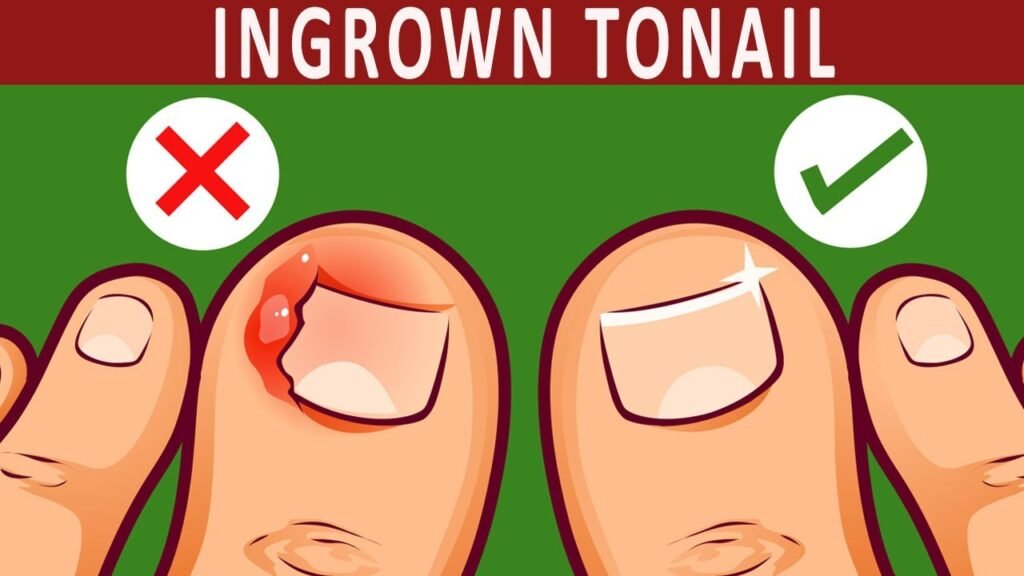
To prevent ingrown toenails, it is crucial to maintain proper nail trimming technique. Cut your nails straight across instead of rounding the edges, and avoid cutting them too short. Keeping your nails at a moderate length can help reduce the risk of them growing into the surrounding skin.
Choosing the Right Footwear
Wearing shoes that fit properly is essential for preventing ingrown toenails. Opt for shoes with a wide toe box that provide enough room for your toes to move freely. Avoid narrow or tight-fitting shoes that can squeeze the toes and increase the likelihood of developing ingrown nails.
Regular Feet Care Routine
Establishing a regular feet care routine can help keep your nails healthy and prevent ingrown toenails. Trim your nails regularly, keeping them at a moderate length. Additionally, make sure to clean and dry your feet thoroughly, especially between the toes, as damp conditions can promote fungal growth.
Home Remedies for Ingrown Toenails
Soaking the Affected Toe in Warm Water
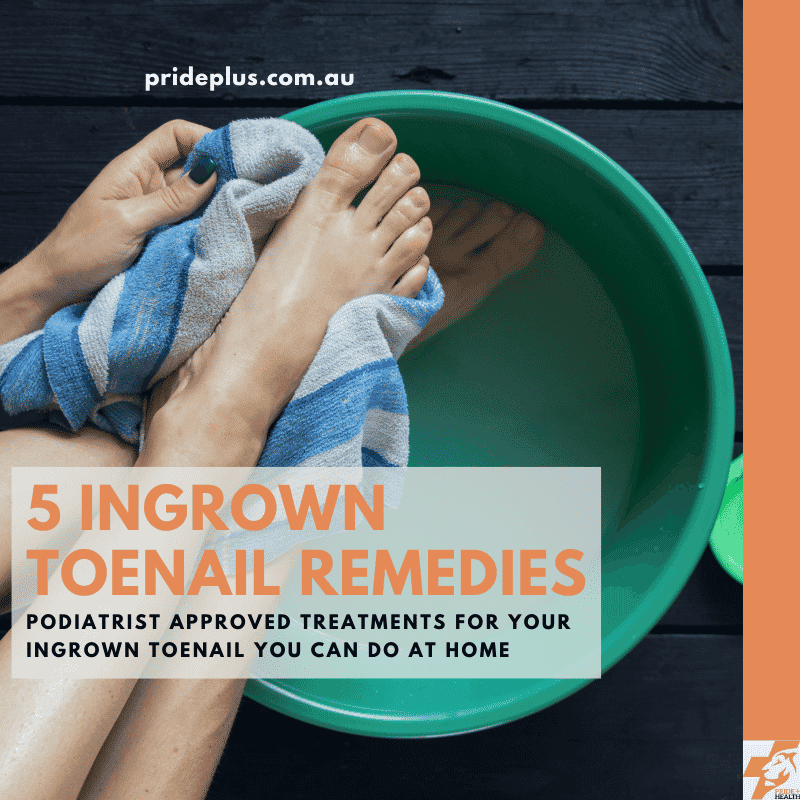
Soaking the affected toe in warm water can help relieve pain, reduce inflammation, and soften the skin. Fill a basin with warm water and add a tablespoon of Epsom salt if desired. Soak your foot for 15-20 minutes, repeating this remedy 2-3 times a day until the symptoms improve.
Applying Antibiotic Ointments
Applying antibiotic ointments to the affected area can help prevent infection and promote healing. Clean the toe gently with mild soap and warm water, pat it dry, and then apply the ointment. Cover the area with a clean bandage to protect it from further irritation.
Using Epsom Salt
Epsom salt possesses anti-inflammatory properties and can help reduce pain and swelling associated with ingrown toenails. Dissolve a tablespoon of Epsom salt in warm water and soak your foot for 15-20 minutes. Repeat this remedy daily until the symptoms subside.
Applying a Topical Ointment with Anti-inflammatory Properties
Using a topical ointment containing ingredients such as tea tree oil or aloe vera can help reduce inflammation and soothe the affected area. Gently apply the ointment to the ingrown toenail, following the instructions on the product label.
Natural Remedies
Tea Tree Oil
Tea tree oil has antiseptic and anti-inflammatory properties that can help alleviate the discomfort caused by ingrown toenails. Dilute a few drops of tea tree oil with a carrier oil, such as coconut or olive oil, and apply it to the affected area using a cotton swab.
Apple Cider Vinegar
Apple cider vinegar is known for its antimicrobial properties and can help prevent infection in ingrown toenails. Mix equal parts of apple cider vinegar and warm water in a basin and soak your foot for 15-20 minutes. Repeat this remedy daily until the symptoms improve.
Lemon Juice
Lemon juice contains citric acid, which can help soften the skin around the ingrown toenail and promote healing. Squeeze the juice from a fresh lemon and apply it to the affected area. Let it sit for a few minutes before rinsing it off with warm water.
Turmeric Paste
Turmeric has anti-inflammatory properties that can help reduce pain and inflammation caused by ingrown toenails. Mix turmeric powder with water to form a paste and apply it to the affected area. Leave it on for 20 minutes before rinsing it off.
Medical Treatment Options
Lifting the Nail
In some cases, a healthcare professional may be able to lift the edge of the ingrown nail and place a splint or cotton under it to encourage proper growth. This procedure can provide temporary relief and allow the nail to grow out naturally.
Partial Nail Removal
For more severe cases, partial nail removal may be necessary. This procedure involves removing a portion of the nail and the underlying nail bed to prevent future ingrown nails from developing. It is typically performed under local anesthesia.
Total Nail Removal
In rare cases where other treatments have failed or the ingrown toenail is recurrent, total nail removal may be considered. This procedure involves the permanent removal of the entire nail and may be recommended if the nail is severely deformed or causing chronic pain and infection.
When to Seek Professional Help
Signs of Infection
If you notice signs of infection, such as increased pain, swelling, redness, warmth, or the presence of pus, it is essential to seek professional help. These symptoms can indicate that the ingrown toenail has become infected and requires medical attention.
Extreme Pain and Discomfort
If you are experiencing severe pain and discomfort that is interfering with your daily activities, it is advisable to consult with a healthcare professional. They can evaluate your condition and recommend appropriate treatment options to alleviate your symptoms.
Chronic Ingrown Toenails
If you are frequently experiencing ingrown toenails or have a chronic issue that has not responded to home remedies or self-care, it is important to seek professional help. A healthcare professional can assess the underlying cause of your condition and suggest effective treatment strategies.
Complications and Risks
Risk of Infection
One of the main complications associated with ingrown toenails is the risk of infection. If left untreated or improperly treated, an ingrown toenail can become infected and lead to more severe symptoms. Proper care and prompt treatment can help minimize the risk of infection.
Development of Abscess
In severe cases, an ingrown toenail can lead to the formation of an abscess, a pocket of pus that can cause intense pain and require medical intervention. To prevent the development of an abscess, it is important to address the issue early on and seek appropriate treatment.
Nail Deformities
Persistent ingrown toenails can cause long-term nail deformities, such as a curved or thicker nail, or ridges on the nail surface. If left untreated, these nail deformities can become permanent and require additional treatment to correct.
Post-Treatment Care
Keeping the Toenail Clean
After receiving medical treatment or trying home remedies, it is crucial to keep the toenail clean to prevent infection and aid in healing. Clean the area gently with mild soap and warm water, and pat it dry. Avoid excessive pressure or trauma to the toe.
Applying Antibiotic Ointments
Applying antibiotic ointments as recommended by your healthcare professional can help prevent infection and promote healing. Follow the instructions provided and apply the ointment regularly, keeping the area covered with a clean bandage.
Using Protective Bandages
If your ingrown toenail is healing or if you have undergone a partial nail removal procedure, using protective bandages can help cushion and support the affected area. It can also prevent further irritation and promote proper healing.
Lifestyle Changes
Maintaining Proper Nail Hygiene
To prevent future occurrences of ingrown toenails, it is important to maintain good nail hygiene. Trim your nails straight across, keeping them at a moderate length, and avoid rounding the edges. Regularly clean and dry your feet, paying special attention to the areas around the nails.
Wearing Comfortable Footwear
Choosing comfortable footwear that provides ample room for your toes to move freely is essential for preventing ingrown toenails. Opt for shoes with a wide toe box and avoid tight or narrow-fitting shoes that can put pressure on the toes.
Regular Foot Examinations
Performing regular foot examinations can help you detect any signs of ingrown toenails or other foot issues early on. Pay attention to any changes in the appearance or sensation of your nails, and seek professional help if you notice any abnormalities.
Conclusion
Importance of Timely Treatment
Ingrown toenails can cause significant discomfort and pain if left untreated. It is important to address the issue promptly to prevent further complications and long-term nail deformities. By recognizing the symptoms and seeking timely treatment, you can alleviate your symptoms and promote proper healing.
Incorporating Preventive Measures
In addition to treating ingrown toenails, it is crucial to incorporate preventive measures into your daily routine. Follow proper nail trimming techniques, wear comfortable footwear, and maintain a regular feet care routine to minimize the risk of ingrown nails.
Consultation with a Healthcare Professional
If you are experiencing chronic ingrown toenails, severe pain, signs of infection, or if home remedies are not providing relief, it is advisable to seek consultation with a healthcare professional. They can provide a proper diagnosis and recommend appropriate treatment options to address your specific condition.