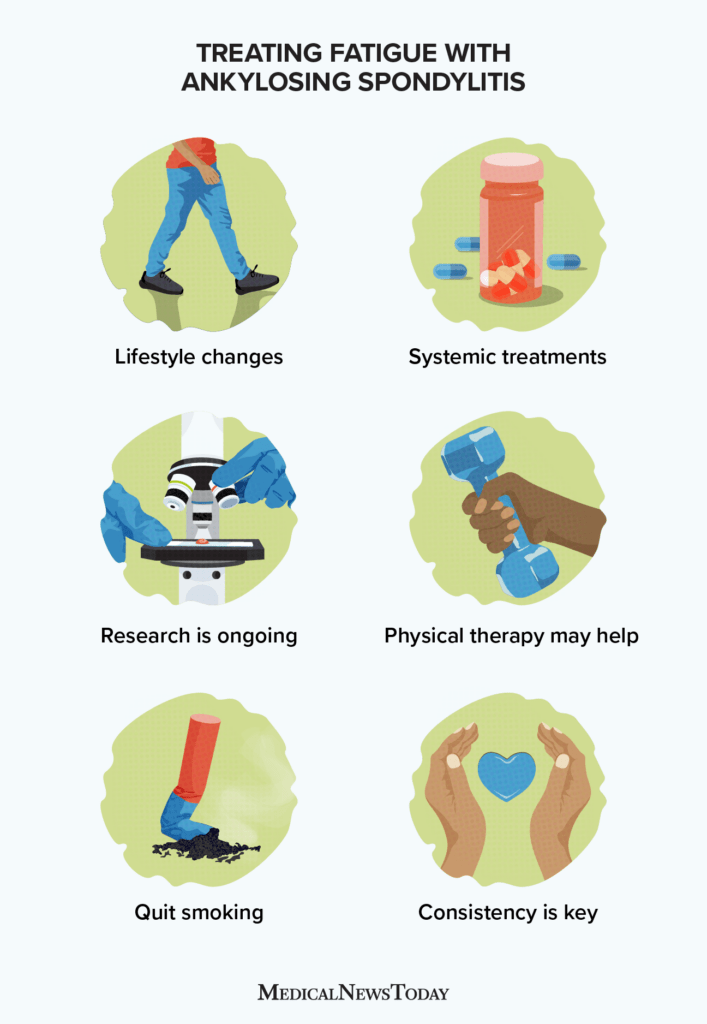
Living with a chronic condition like Ankylosing Spondylitis can be challenging, but with the right lifestyle changes and medication options, you can effectively manage your symptoms and improve your quality of life. This article will explore the various approaches you can take, from incorporating regular exercise and maintaining a healthy diet to considering different medication options available. By adopting a holistic approach and working closely with your healthcare provider, you can take control of your condition and enjoy a fulfilling life.
Lifestyle Changes for Managing Ankylosing Spondylitis
Maintaining a Healthy Weight
One of the key lifestyle changes for managing Ankylosing Spondylitis (AS) is maintaining a healthy weight. Excess weight can put additional stress on your joints and spine, exacerbating the symptoms and progression of the condition. By keeping your weight within a healthy range, you can reduce the strain on your body and potentially alleviate some of the discomfort associated with AS.
To maintain a healthy weight, it’s important to follow a balanced diet that is rich in nutrients and low in processed foods. Focus on consuming fruits, vegetables, whole grains, lean proteins, and healthy fats. Additionally, portion control is crucial. Aim to eat smaller, more frequent meals throughout the day to help manage your weight and prevent overeating.
Regular Exercise and Stretching
Regular exercise and stretching play a vital role in managing Ankylosing Spondylitis. Engaging in physical activity can help improve joint mobility, reduce stiffness, and strengthen the muscles surrounding your spine. It is important, however, to choose exercises that are low-impact and gentle on your joints, as high-impact activities may worsen your symptoms.
Some recommended exercises for AS include walking, swimming, yoga, and Pilates. These activities promote flexibility, improve posture, and enhance overall physical fitness. Additionally, incorporating stretching exercises into your routine can help alleviate stiffness and increase your range of motion. Consult with a physical therapist or a qualified fitness professional to develop an exercise program that suits your individual needs and limitations.
Improving Posture
Proper posture is essential for managing Ankylosing Spondylitis. Maintaining a correct posture helps reduce strain on your spine and minimizes the risk of spinal deformities. It is important to be mindful of your posture throughout the day, whether you’re sitting, standing, or walking.
When sitting, ensure that your back is straight, and your shoulders are relaxed. Use a supportive chair that provides adequate lumbar support. Avoid slouching or sitting for extended periods without breaks. When standing, distribute your weight evenly on both feet and avoid excessive leaning or arching of the back. Practicing good posture not only helps manage AS symptoms but also promotes overall spinal health.
Using Hot or Cold Therapy
Hot or cold therapy can provide temporary relief from the pain and stiffness associated with Ankylosing Spondylitis. You can apply heat or cold to affected areas to reduce inflammation, soothe sore muscles, and promote relaxation.
For acute pain or muscle spasms, applying a cold pack wrapped in a towel to the affected area can help numb the area and reduce inflammation. You can also opt for ice massage or cold therapy gel packs. Conversely, heat therapy can help relax muscles and improve circulation. Using a heating pad, warm compress, or taking a warm bath can provide soothing relief to stiff joints and promote muscle relaxation. Experiment with both hot and cold therapies to discover which works best for you and provides the most relief.
Avoiding Smoking and Alcohol
Avoiding smoking and limiting alcohol consumption is essential for managing Ankylosing Spondylitis. Smoking has been shown to worsen inflammation and accelerate the progression of the condition. It also decreases the effectiveness of medications used to treat AS. Quitting smoking can significantly improve your overall health and reduce the severity of AS symptoms.
Similarly, alcohol can interact negatively with medications used to manage AS and may have a detrimental effect on the liver. It is recommended to limit alcohol consumption or avoid it altogether. Instead, focus on staying hydrated with water or non-alcoholic beverages that provide health benefits.
Managing Stress and Mental Health
Managing stress and prioritizing mental health is crucial when it comes to managing Ankylosing Spondylitis. Chronic pain and physical limitations can take a toll on your emotional well-being, leading to increased stress and anxiety. Learning effective stress management techniques can help you cope with the challenges of living with AS.
Engaging in activities that promote relaxation and mindfulness, such as meditation, deep breathing exercises, or practicing hobbies, can reduce stress levels. Additionally, seeking support from friends, family, or joining support groups can provide emotional support and help you connect with others who understand your experiences. Taking care of your mental health is just as important as managing the physical symptoms of AS and can contribute to an overall improved quality of life.
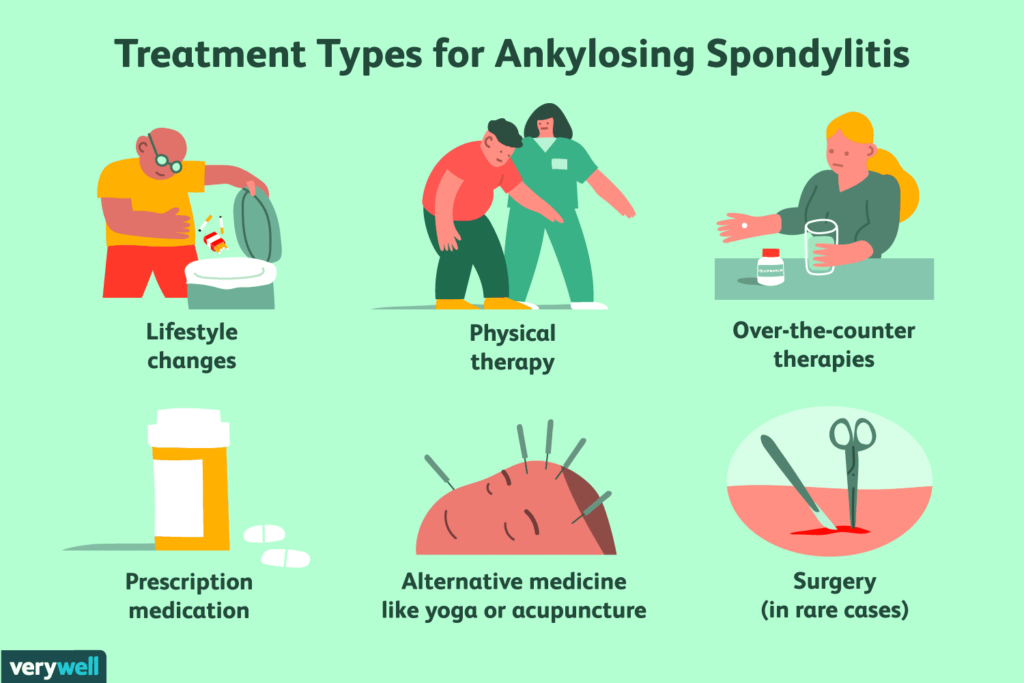
Medication Options for Managing Ankylosing Spondylitis
Non-Steroidal Anti-Inflammatory Drugs (NSAIDs)
Non-Steroidal Anti-Inflammatory Drugs (NSAIDs) are commonly used to manage the pain and inflammation associated with Ankylosing Spondylitis. NSAIDs work by reducing the production of certain chemicals in the body that cause inflammation and pain. They can help improve mobility, reduce stiffness, and alleviate discomfort.
Common NSAIDs used to treat AS include ibuprofen, naproxen, and diclofenac. However, it is important to consult with your healthcare provider before starting any medication regimen, as they can have potential side effects and may interact with other medications you are taking.
Disease-Modifying Antirheumatic Drugs (DMARDs)
In some cases, Non-Steroidal Anti-Inflammatory Drugs (NSAIDs) may not provide sufficient relief for managing Ankylosing Spondylitis. In such situations, your doctor may recommend Disease-Modifying Antirheumatic Drugs (DMARDs). DMARDs work by regulating the immune system and slowing the progression of AS.
Common DMARDs used to treat AS include sulfasalazine and methotrexate. These medications can help reduce inflammation and prevent joint damage. However, it is important to note that DMARDs may take several weeks to months to show their full effect, and regular monitoring of liver function and blood tests may be required.
Biologic Response Modifiers
Biologic Response Modifiers, also known as biologics, are a newer class of medications used in the treatment of Ankylosing Spondylitis. They target specific components of the immune system involved in the inflammatory process. Biologics can help reduce inflammation, improve symptoms, and slow down the progression of AS.
Common biologics used for AS treatment include adalimumab, etanercept, and infliximab. These medications are typically administered through self-injection or intravenous infusion under medical supervision. Biologics are generally reserved for individuals with moderate to severe AS who have not responded adequately to other treatments.
Corticosteroids
Corticosteroids are a type of medication that can help manage the inflammation associated with Ankylosing Spondylitis. They work by suppressing the immune system and reducing inflammation. Corticosteroids can be administered orally, through injections, or applied topically to affected joints.
These medications provide short-term relief and are often used during acute flare-ups or when other treatments fail to provide sufficient relief. However, long-term use of corticosteroids can have significant side effects, so they are typically used sparingly and for short durations.
Pain Medications
In addition to the above-mentioned medication options, pain medications may also be prescribed to manage the pain associated with Ankylosing Spondylitis. These medications can provide temporary relief from pain and discomfort, allowing individuals to better manage their symptoms.
Common pain medications used for AS include acetaminophen and tramadol. These medications should be used under the guidance of a healthcare provider, as they can have potential side effects and may interact with other medications.
It is important to note that medication options for managing Ankylosing Spondylitis vary from individual to individual. Your healthcare provider will evaluate your specific needs and condition before determining the most suitable medication regimen for you. Regular follow-ups and open communication with your healthcare team are essential to ensure the most effective management of your AS symptoms.