
Hey there! Feeling a bit curious? Well, today we’re going to talk about a topic that might not be on everyone’s radar: signs and symptoms of gallbladder cancer. You might be surprised to learn that gallbladder cancer is not as rare as you might think, and recognizing its early warning signs can be crucial for getting timely treatment. So, let’s dive into this article and explore the telltale signs that you should keep an eye out for. Your health matters, after all!
Types of Gallbladder Cancer
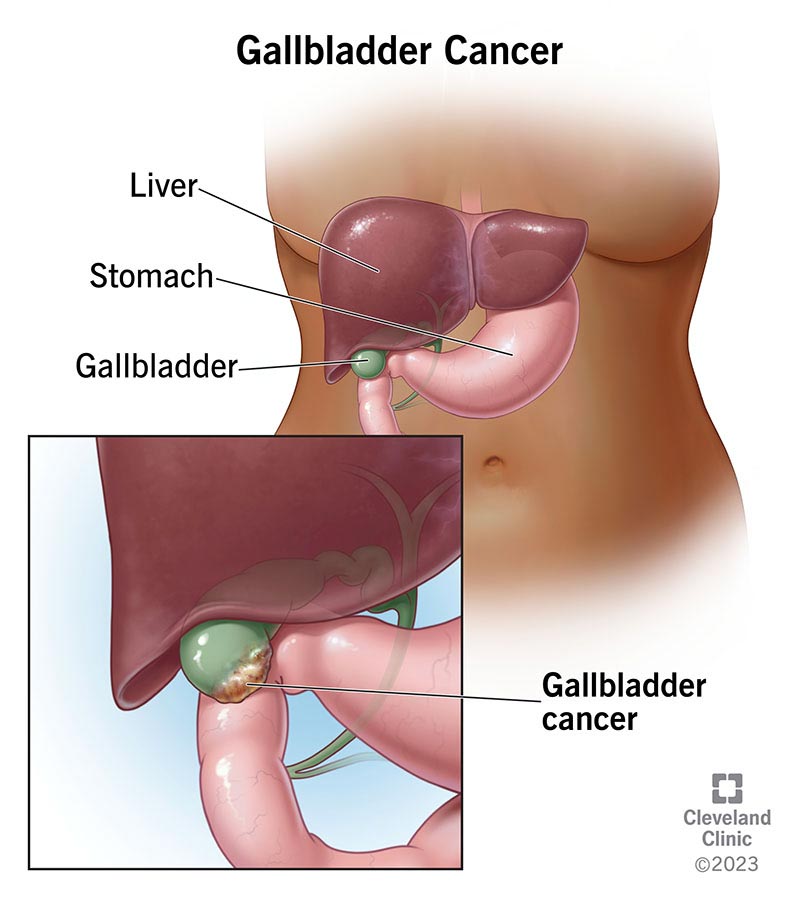
Gallbladder cancer is a rare but serious condition that can be classified into different types based on the cells from which it originates. Understanding the different types of gallbladder cancer can help in determining the most appropriate treatment options.
Adenocarcinoma
Adenocarcinoma is the most common type of gallbladder cancer, accounting for approximately 90% of cases. It develops in the glandular cells that line the inner surface of the gallbladder. Despite its high prevalence, adenocarcinoma is often diagnosed at an advanced stage, making treatment more challenging.
Squamous cell carcinoma
Squamous cell carcinoma is a less common form of gallbladder cancer that arises from the squamous cells, which are mainly found in the skin and surfaces of organs. This type of cancer tends to be more aggressive and has a poorer prognosis compared to adenocarcinoma.
Adenosquamous carcinoma
Adenosquamous carcinoma is a rare type of gallbladder cancer that has characteristics of both adenocarcinoma and squamous cell carcinoma. It develops from a combination of glandular cells and squamous cells. Due to its rarity, there is limited research on adenosquamous carcinoma, and its optimal treatment is still an area of study.
Small cell carcinoma
Small cell carcinoma is an extremely rare and aggressive form of gallbladder cancer. It originates from small neuroendocrine cells, which are responsible for producing hormones. Small cell carcinoma is often associated with a poorer prognosis and a higher likelihood of metastasis.
Neuroendocrine tumors
Neuroendocrine tumors (NETs) can develop in various parts of the body, including the gallbladder. These tumors arise from neuroendocrine cells and can be either benign or malignant. Gallbladder NETs are relatively uncommon and typically have a more favorable prognosis compared to other types of gallbladder cancer.
Understanding the specific type of gallbladder cancer is crucial for determining the appropriate treatment plan and predicting the prognosis of the disease. Consulting with a healthcare professional specializing in oncology is essential in making informed decisions about your treatment options and care.
Risk Factors
While the exact cause of gallbladder cancer remains unknown, several risk factors have been identified that may increase the likelihood of developing the disease. Being aware of these risk factors can help you take proactive steps towards prevention and early detection.
Gender (Female)
Gallbladder cancer is more common in women than in men. Although the reasons for this gender disparity are not fully understood, hormonal factors may play a role. Women have a higher incidence of gallbladder diseases, such as gallstones and gallbladder inflammation, which are known risk factors for gallbladder cancer.
Age (Older age)
The risk of developing gallbladder cancer increases with age. It is more commonly diagnosed in individuals over the age of 60. As you age, the likelihood of developing certain medical conditions, such as gallstones and gallbladder polyps, also increases, further contributing to the overall risk.
Ethnicity and geographic location
Certain ethnic groups, such as Native Americans, Hispanics, and individuals from certain Asian countries, have a higher incidence of gallbladder cancer. Geographic factors, including living in regions with a higher prevalence of gallbladder diseases and dietary habits specific to certain areas, may also play a role.
Certain medical conditions
Certain medical conditions, such as porcelain gallbladder (calcification of the gallbladder wall), primary sclerosing cholangitis (chronic inflammation of the bile ducts), and gallbladder adenoma (benign tumor), are associated with an increased risk of developing gallbladder cancer.
Obesity
Obesity is a significant risk factor for various types of cancer, including gallbladder cancer. Excess body weight, especially around the abdomen, can increase the risk of developing gallstones, which in turn raises the risk of gallbladder cancer.
Gallbladder polyps
Gallbladder polyps are abnormal growths that protrude from the inner lining of the gallbladder. While most gallbladder polyps are benign, certain types, such as adenomas, have the potential to develop into cancer over time. Regular monitoring and evaluation of gallbladder polyps are crucial to detect any malignant transformation.
Family history of gallbladder cancer
Having a family history of gallbladder cancer increases the risk of developing the disease. If a close relative, such as a parent or sibling, has had gallbladder cancer, it is advisable to discuss this with your healthcare provider to determine if additional screening or preventative measures are necessary.
Gallstones
Gallstones are hardened deposits that form in the gallbladder. While most gallstones do not lead to cancer, long-standing gallstones can cause chronic inflammation and irritation of the gallbladder lining, increasing the risk of gallbladder cancer. Prompt treatment and management of gallstones are essential in reducing this risk.
Chronic inflammation of the gallbladder
Chronic inflammation of the gallbladder, also known as chronic cholecystitis, can result from repeated gallstone attacks or other underlying conditions. Prolonged inflammation may contribute to DNA damage and increase the risk of developing gallbladder cancer.
Signs and Symptoms
Early detection of gallbladder cancer is often challenging due to the lack of specific symptoms in the early stages of the disease. Nevertheless, being aware of the potential signs and symptoms can help prompt early medical evaluation and diagnosis.
Abdominal pain
Persistent abdominal pain, typically located in the upper right quadrant of the abdomen, is a common symptom of gallbladder cancer. The pain may be dull or sharp and may be intermittent or constant. It is important not to ignore persistent or worsening abdominal pain.
Jaundice
Jaundice is a condition characterized by the yellowing of the skin and eyes and occurs when there is a buildup of bilirubin in the body. In gallbladder cancer, jaundice may develop when the tumor obstructs the bile ducts, preventing the flow of bile into the intestine. Jaundice may be accompanied by dark urine and pale stools.
Unintended weight loss
Unexplained weight loss that occurs unintentionally can be a symptom of various underlying conditions, including gallbladder cancer. If you notice significant weight loss without changes in diet or physical activity, it is important to bring this to the attention of your healthcare provider.
Fever
Fever is a common symptom of various infections and inflammatory conditions. In gallbladder cancer, fever may be due to the presence of an infection or the body’s response to the tumor. If you experience persistent or recurrent fever without an apparent cause, it is advisable to seek medical evaluation.
Nausea and vomiting
Nausea and vomiting can occur due to various reasons, including gallbladder cancer. These symptoms may arise from the obstruction of the bile ducts or the release of certain substances by the tumor. Persistent or severe nausea and vomiting should prompt a discussion with your healthcare provider.
Loss of appetite
A decrease in appetite and unintended weight loss often go hand in hand. Gallbladder cancer can cause a loss of appetite due to factors such as the tumor’s effect on the digestive system, changes in metabolism, or the presence of other accompanying symptoms. If your appetite is consistently diminished, it is important to share this information with your healthcare provider.
Bloating or discomfort
A feeling of bloating or discomfort in the abdomen may be present in gallbladder cancer, particularly if the tumor is causing obstruction or enlargement of the gallbladder. This sensation may be described as a constant pressure or a feeling of fullness.
Fatigue
Fatigue is a common symptom experienced by individuals with various types of cancer, including gallbladder cancer. The underlying mechanisms contributing to fatigue in cancer patients are complex and multifactorial. If you notice persistent fatigue that is not alleviated by rest, it is advisable to consult with your healthcare provider.
Skin itching or rashes
Itching of the skin, also known as pruritus, is occasionally observed in gallbladder cancer. This symptom can result from the buildup of bile salts in the bloodstream due to obstruction of the bile ducts. If you experience persistent or severe itching without a clear cause, it is essential to discuss this with your healthcare provider.
Pale or clay-colored stools
When the flow of bile is obstructed by a tumor, the stools may become pale or clay-colored. This change in stool color is due to the lack of bilirubin, the pigment responsible for the normal brown color of stools. If you notice this change in stool color, it is important to bring it to the attention of your healthcare provider.
Recognizing these signs and symptoms is crucial in promoting early diagnosis and treatment of gallbladder cancer. However, it is important to note that these symptoms are not exclusive to gallbladder cancer and can be attributed to various other conditions as well. Consulting with a healthcare professional is essential for an accurate diagnosis and appropriate management.
Diagnostic Tests
The diagnosis of gallbladder cancer typically involves a series of tests and procedures to evaluate the extent of the disease and determine the most appropriate treatment plan. These diagnostic tests allow healthcare providers to gather information about the cancer’s stage, location, and characteristics.
Liver function tests
Liver function tests are blood tests that assess the liver’s health and its ability to perform its functions. These tests measure the levels of various substances, including liver enzymes and bilirubin. Abnormal results may indicate liver damage or obstruction caused by gallbladder cancer.
Blood tests
Various blood tests may be performed to assess general health and detect any abnormalities associated with gallbladder cancer. These tests may include a complete blood count (CBC), which evaluates the number and types of blood cells, as well as other laboratory tests to assess organ function and check for specific tumor markers.
Ultrasound
Ultrasound uses sound waves to create images of the internal organs. It is a commonly used imaging technique to evaluate the gallbladder and other abdominal structures. Ultrasound can provide valuable information about the presence of gallbladder tumors, their size, and their relationship to surrounding structures.
CT scan
A computed tomography (CT) scan combines X-ray images taken from different angles to produce detailed 3D images of the body. CT scans can help determine the size and location of the tumor, as well as whether it has spread to nearby lymph nodes or other organs. CT scans are particularly useful for staging and planning treatment for gallbladder cancer.
MRI scan
Magnetic resonance imaging (MRI) uses powerful magnets and radio waves to create detailed images of the body’s soft tissues. MRI scans can provide valuable information about the gallbladder and surrounding structures, helping to determine the extent of the tumor and any spread to nearby lymph nodes or organs.
PET scan
Positron emission tomography (PET) scan involves the use of a radioactive tracer to create images of the body’s cells and tissues. PET scans can help determine the metabolic activity of the tumor, identifying areas of increased cell growth. This information is valuable in evaluating the spread of gallbladder cancer to other parts of the body.
Endoscopic retrograde cholangiopancreatography (ERCP)
ERCP is a specialized procedure used to evaluate the bile ducts and the pancreatic duct. During ERCP, a flexible tube with a camera is inserted through the mouth and advanced into the small intestine, allowing the healthcare provider to visualize the bile and pancreatic ducts. ERCP can help identify any abnormalities or obstructions caused by gallbladder cancer.
Biopsy
A biopsy involves the removal of a small sample of tissue for laboratory analysis. In the case of suspected gallbladder cancer, a biopsy may be performed using various techniques, such as fine-needle aspiration (FNA) or endoscopic biopsy. The tissue sample is examined under a microscope to confirm the presence of cancer cells and determine the specific type.
These diagnostic tests, in combination with a thorough clinical evaluation, help healthcare providers determine the extent of the disease and develop an individualized treatment plan. It is important to discuss the results and their implications with your healthcare provider to ensure a comprehensive understanding of your condition.

Stages of Gallbladder Cancer
Staging is an important step in the management of gallbladder cancer as it helps determine the extent of the disease and guides treatment decisions. The staging system commonly used for gallbladder cancer is known as the TNM staging system, which takes into account the size of the tumor (T), the involvement of nearby lymph nodes (N), and the presence of distant metastasis (M).
Stage 0 (Carcinoma in situ)
Stage 0, also known as carcinoma in situ, refers to the presence of abnormal cells within the innermost layer of the gallbladder wall. At this stage, the cancerous cells have not invaded or spread to deeper layers of the gallbladder or other organs. Carcinoma in situ is considered the earliest stage of gallbladder cancer and offers the best prognosis if treated promptly.
Stage I
Stage I gallbladder cancer refers to tumors that have invaded the muscle layer of the gallbladder wall but have not spread to nearby lymph nodes or distant sites. At this stage, the tumor is still confined to the gallbladder, and surgical removal offers the best chance of cure.
Stage II
Stage II gallbladder cancer involves tumors that have spread beyond the muscle layer of the gallbladder wall but have not reached the nearby organs or lymph nodes. Although the cancer has advanced to some extent, surgical removal may still be possible in certain cases, depending on the location and extent of the tumor.
Stage III
Stage III gallbladder cancer indicates tumors that have invaded nearby organs or have spread to regional lymph nodes. At this stage, the cancer has typically advanced significantly, making surgical removal more challenging. Treatment may involve a combination of surgery, chemotherapy, and radiation therapy.
Stage IV
Stage IV gallbladder cancer represents tumors that have spread to distant organs, such as the liver, lungs, or bones. At this advanced stage, surgical removal may not be feasible, and treatment aims to control symptoms, improve quality of life, and extend survival through chemotherapy, targeted therapy, or other palliative measures.
The stage of gallbladder cancer plays a critical role in determining the treatment options and overall prognosis. It is important to discuss the staging of your cancer with your healthcare provider to understand how it may influence your treatment decisions and expectations.
Treatment Options
The treatment approach for gallbladder cancer depends on several factors, including the stage of the disease, the tumor’s characteristics, and an individual’s overall health. A multidisciplinary team of healthcare professionals, including surgeons, medical oncologists, and radiation oncologists, work together to develop a comprehensive treatment plan tailored to each patient’s specific needs.
Surgery
Surgical removal of the gallbladder, known as cholecystectomy, is the primary treatment option for early-stage gallbladder cancer. In some cases, additional procedures may be performed to remove nearby lymph nodes or affected organs. Surgery aims to remove the cancerous tumor and any surrounding tissues that may harbor cancer cells. The type and extent of surgery may vary depending on the location and stage of the tumor.
Chemotherapy
Chemotherapy involves the use of drugs to destroy cancer cells or inhibit their growth. It is commonly used as an adjuvant therapy after surgery to kill any remaining cancer cells and reduce the risk of recurrence. Chemotherapy may also be used as a neoadjuvant therapy, administered before surgery to shrink the tumor and improve the chances of successful surgical removal. In advanced cases where surgery is not feasible, chemotherapy may be used to control symptoms and slow down the progression of the disease.
Radiation therapy
Radiation therapy utilizes high-energy beams, such as X-rays or protons, to destroy cancer cells or reduce their growth. It may be used in conjunction with surgery or chemotherapy, either before or after the primary treatment, to target any remaining cancer cells in the gallbladder or nearby lymph nodes. Radiation therapy can also be used to alleviate symptoms and improve the quality of life in advanced cases where curative intent is not possible.
Targeted therapy
Targeted therapy is a form of cancer treatment that specifically targets certain molecules or proteins involved in the growth and spread of cancer cells. It works by interfering with specific pathways or signaling processes, inhibiting the tumor’s ability to survive and grow. Targeted therapy medications are often used in combination with chemotherapy or as a second-line treatment option in advanced gallbladder cancer.
Immunotherapy
Immunotherapy is a promising treatment approach that harnesses the body’s immune system to fight against cancer cells. It works by boosting the immune response or removing barriers that prevent immune cells from recognizing and attacking the tumor. While the role of immunotherapy in gallbladder cancer is still being investigated in clinical trials, it has shown potential in certain cases, particularly for those with unresectable or advanced disease.
The choice of treatment for gallbladder cancer depends on various factors, including the disease stage, tumor characteristics, and individual patient factors. It is crucial to have an open and honest discussion with your healthcare team to understand the available treatment options, their potential benefits and risks, and how they align with your specific situation.
Prognosis and Survival Rate
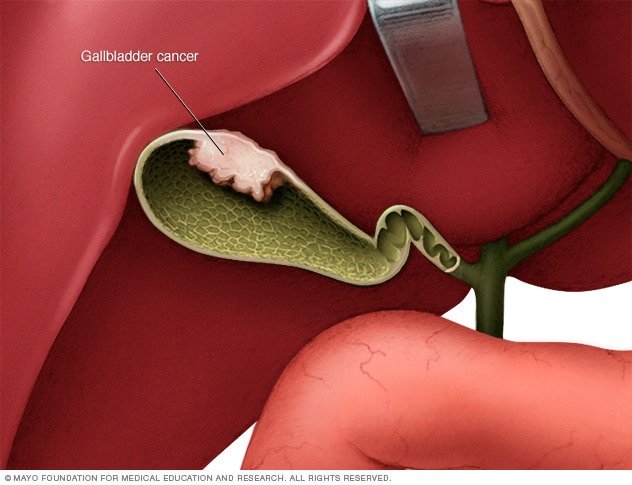
The prognosis for gallbladder cancer can vary widely depending on the stage of the disease at the time of diagnosis and other individual factors. It is important to note that prognosis is not a definitive prediction but rather an estimation based on available information.
Overall survival rate
The overall survival rate for gallbladder cancer refers to the percentage of individuals who survive for a certain period, typically five years, after diagnosis. The overall survival rate for gallbladder cancer is generally low due to late-stage diagnoses. It is essential to remember that survival rates are averages and do not account for individual variations.
Stage-specific survival rates
Survival rates for gallbladder cancer vary significantly depending on the stage of the disease. Generally, the earlier the stage at diagnosis, the better the prognosis. For example, the five-year survival rate for stage I gallbladder cancer is higher than for stage IV gallbladder cancer. However, these survival rates are approximate and can vary depending on individual factors and treatment effectiveness.
Factors affecting prognosis
Several factors can impact the prognosis and survival outcomes for gallbladder cancer. These factors include the stage of the disease, the grade of the tumor (its aggressiveness), the presence of certain genetic mutations, the patient’s overall health, and the effectiveness of the chosen treatment plan. It is important to discuss these factors with your healthcare provider for a personalized assessment of your prognosis.
Recurrence and metastasis
Gallbladder cancer has a high potential for recurrence and metastasis, even after successful treatment. Regular follow-up appointments and imaging studies are necessary to monitor for any signs of recurrence or spread of the disease. Early detection of recurrent or metastatic disease allows for timely interventions and the exploration of additional treatment options.
While the prognosis for gallbladder cancer can be challenging, advances in treatment options and increased awareness have improved outcomes for some patients. It is important to remain hopeful and work closely with your healthcare team to develop an individualized care plan tailored to your specific needs.
Prevention
While the causes of gallbladder cancer are not fully understood, several lifestyle modifications can help reduce the risk of developing the disease. Adopting a proactive approach to prevention can significantly impact your overall health and well-being.
Maintain a healthy weight
Obesity is a significant risk factor for gallbladder cancer. Making lifestyle changes to achieve and maintain a healthy weight can help reduce the risk of developing the disease. Focus on incorporating a balanced diet and regular physical activity into your routine to promote overall health.
Eat a balanced diet
A healthy, well-balanced diet plays an essential role in reducing the risk of various types of cancer. Include plenty of fruits, vegetables, whole grains, and lean proteins in your diet. Limit the consumption of processed and red meats, as well as high-calorie and high-sugar foods. A nutritious diet provides the body with essential nutrients and antioxidants that support overall health and reduce the risk of developing gallbladder cancer.
Exercise regularly
Regular physical activity not only helps in maintaining a healthy weight but also offers numerous other health benefits. Aim for at least 150 minutes of moderate-intensity aerobic exercise, such as brisk walking or swimming, each week. Additionally, incorporate strength training exercises to improve muscle strength and overall fitness.
Limit alcohol consumption
Excessive alcohol consumption can contribute to various health problems, including an increased risk of gallbladder cancer. Stick to moderate alcohol consumption, which is defined as up to one drink per day for women and up to two drinks per day for men. It is advisable to avoid alcohol altogether if you have a history of gallbladder disease or other risk factors for gallbladder cancer.
Quit smoking
Smoking is a well-established risk factor for numerous types of cancer, including gallbladder cancer. If you smoke, take steps to quit. Seek support from healthcare professionals, use nicotine replacement therapies, or explore smoking cessation programs to increase your chances of success in quitting smoking. Quitting smoking offers numerous health benefits and reduces the risk of developing gallbladder cancer.
Adopting a healthy lifestyle and making conscious efforts to reduce exposure to known risk factors are the key steps towards preventing gallbladder cancer. These preventive measures promote overall health and well-being, reducing the risk of various diseases.

Seeking Medical Advice
If you experience any symptoms or have concerns about gallbladder cancer, it is important to seek prompt medical advice. Early detection and diagnosis can significantly impact treatment outcomes and overall prognosis.
When to see a doctor
It is advisable to see a doctor if you experience persistent or worsening abdominal pain, unexplained weight loss, jaundice, or any other concerning symptoms. Additionally, if you have a family history of gallbladder cancer or other risk factors, it may be beneficial to discuss these with your healthcare provider, who can provide further guidance on screening and preventive measures.
Medical consultation and diagnosis
Consulting with a healthcare professional specializing in gallbladder cancer, such as an oncologist or a gastroenterologist, is crucial for an accurate diagnosis and appropriate treatment recommendations. During the consultation, the healthcare provider will evaluate your medical history, perform a physical examination, and order relevant diagnostic tests to assess your condition comprehensively. They will then discuss the results with you, formulate a treatment plan, and provide support throughout your journey.
Remember, seeking medical advice and early detection are essential in the management of gallbladder cancer. A proactive approach to your healthcare can ensure prompt evaluation and appropriate intervention, leading to better treatment outcomes.
Conclusion
Gallbladder cancer is a rare but serious condition that requires prompt attention and care. Understanding the types, risk factors, signs and symptoms, diagnostic tests, treatment options, prognosis, and prevention strategies associated with gallbladder cancer equips you with knowledge to make informed decisions about your health.
If you experience any concerning symptoms or have a family history of gallbladder cancer, do not hesitate to consult with a healthcare provider specializing in oncology or gastroenterology. Early detection and intervention can significantly impact the outcome of gallbladder cancer, often improving patient outcomes and quality of life.
While gallbladder cancer can be a challenging diagnosis, it is essential to remain hopeful and seek support from healthcare professionals, friends, and family. Your healthcare team will work with you to design an individualized treatment plan and provide resources to support you throughout your journey. Remember to prioritize self-care and adopt a proactive approach to prevention, focusing on maintaining a healthy lifestyle and reducing known risk factors.
By staying informed, proactive, and optimistic, you can navigate the complexities of gallbladder cancer with confidence and strive for the best possible outcome.
