You’ve just received the news that you or someone you love has been diagnosed with gallbladder cancer. It’s a daunting and overwhelming time, but don’t worry – you’re not alone in this journey. This article will take you through the various treatment options available for gallbladder cancer, giving you a better understanding of what to expect and providing you with the knowledge you need to make informed decisions about your healthcare. From surgery to radiation therapy, we’ll explore each option, discussing the benefits, risks, and potential side effects. Remember, with the right information and support, you can navigate this challenging path and find the best treatment plan for you or your loved one.
Surgery
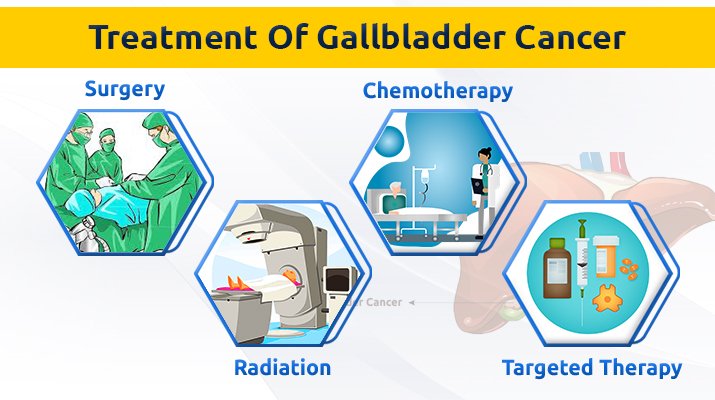
When it comes to treating gallbladder cancer, surgery is often an essential component of the treatment plan. Several surgical procedures may be performed, depending on the stage and extent of the cancer. Let’s explore some of the most common surgical interventions for gallbladder cancer:
Cholecystectomy
One of the primary surgical procedures for gallbladder cancer is cholecystectomy. This involves the removal of the gallbladder, along with any nearby lymph nodes that may be affected. Cholecystectomy can be performed through open surgery or laparoscopic techniques, depending on the individual case.
Lymphadenectomy
In cases where the cancer has spread to nearby lymph nodes, lymphadenectomy may be performed. This involves the removal of the affected lymph nodes to prevent further spread of the disease. Lymphadenectomy is often done in conjunction with other surgical procedures, such as cholecystectomy.
Liver resection
If the gallbladder cancer has spread to the liver, a liver resection may be necessary. This procedure involves the surgical removal of a portion of the liver affected by cancer. Liver resection aims to eliminate the cancerous cells and improve the chances of successful treatment.
Palliative surgery
Palliative surgery is an option for patients with advanced gallbladder cancer that cannot be cured. The goal of palliative surgery is to relieve symptoms and improve the patient’s quality of life. This may involve removing obstructions, reducing pain, or improving the function of affected organs.
Chemotherapy
Chemotherapy uses drugs to kill cancer cells or stop them from growing. It is often used in combination with surgery or radiation therapy to maximize the effectiveness of treatment. Here are three common types of chemotherapy used in the management of gallbladder cancer:
Adjuvant chemotherapy
Adjuvant chemotherapy refers to chemotherapy given after surgery. Its purpose is to destroy any remaining cancer cells and reduce the risk of recurrence. Adjuvant chemotherapy is typically recommended for patients with high-risk factors, such as advanced stage or positive lymph nodes.
Neoadjuvant chemotherapy
Neoadjuvant chemotherapy involves chemotherapy given before surgery. The goal is to shrink the tumor and make it easier to remove during surgery. Neoadjuvant chemotherapy may be recommended for patients with larger tumors that would otherwise be difficult to remove.
Systemic chemotherapy
Systemic chemotherapy is a treatment option for gallbladder cancer that has spread to distant organs or is in an advanced stage. It involves the use of drugs that are delivered throughout the body via the bloodstream. Systemic chemotherapy aims to slow down the progression of the disease and alleviate symptoms.

Radiation Therapy
Radiation therapy uses high-energy radiation beams to target and destroy cancer cells. It can be utilized as a standalone treatment or in combination with surgery and chemotherapy. Let’s explore two common types of radiation therapy for gallbladder cancer:
External Beam Radiation Therapy
External beam radiation therapy involves directing radiation beams from a machine outside the body to the tumor. The procedure is carefully planned to ensure that the radiation precisely targets the cancer cells while minimizing damage to healthy tissues. External beam radiation therapy can be used as a primary treatment or as an adjuvant therapy after surgery.
Brachytherapy
Brachytherapy, also known as internal radiation therapy, involves placing tiny radioactive seeds or wires directly into or near the tumor. The radiation is delivered continuously to the tumor over a period of time. Brachytherapy is typically used as a palliative treatment to relieve symptoms and is less commonly utilized as a curative therapy for gallbladder cancer.
Targeted Therapy
Targeted therapy specifically targets certain molecules or pathways involved in the growth and progression of cancer cells. It offers a more precise approach compared to conventional chemotherapy. Let’s take a closer look at two types of targeted therapies used in the treatment of gallbladder cancer:
ERBB2 inhibitors
ERBB2 inhibitors are a type of targeted therapy that block the activity of the ERBB2 protein, which is often overexpressed in gallbladder cancer. By inhibiting this protein, ERBB2 inhibitors can slow down the growth of cancer cells. They may be used in combination with chemotherapy or as a standalone treatment, depending on the individual case.
VEGFR inhibitors
VEGFR inhibitors target the vascular endothelial growth factor receptor (VEGFR), which plays a crucial role in the formation of new blood vessels that supply nutrients to tumors. By blocking VEGFR, these inhibitors can limit the blood supply to cancer cells, inhibiting their growth. VEGFR inhibitors may be used in combination with other treatments or as a single-agent therapy.
Immunotherapy
Immunotherapy empowers the body’s immune system to recognize and attack cancer cells. It has revolutionized cancer treatment and offers new hope for patients with gallbladder cancer. Let’s explore two types of immunotherapy commonly used in the management of this disease:
PD-1/PD-L1 inhibitors
PD-1/PD-L1 inhibitors work by blocking immune checkpoints that dampen the immune response. These inhibitors help activate the immune system, allowing it to recognize cancer cells and mount a targeted attack. PD-1/PD-L1 inhibitors have shown promising results in clinical trials and are approved for certain cases of advanced gallbladder cancer.
CTLA-4 inhibitors
CTLA-4 inhibitors are another type of immunotherapy that helps enhance the immune system’s response against cancer cells. By inhibiting the CTLA-4 protein, these inhibitors unleash the immune system’s full potential to recognize and destroy cancer cells. CTLA-4 inhibitors are still under investigation for use in gallbladder cancer but show potential as a future treatment option.
Palliative Care
Palliative care aims to improve the quality of life for patients with advanced or incurable gallbladder cancer. It focuses on managing symptoms, providing emotional support, and enhancing overall well-being. Two essential aspects of palliative care for gallbladder cancer include:
Pain management
Effective pain management is crucial for patients with advanced gallbladder cancer. Palliative care teams work closely with patients to develop personalized pain management plans, ensuring that pain is adequately controlled and allowing individuals to remain comfortable and functional.
Nutritional support
Gallbladder cancer can affect a person’s ability to eat and absorb nutrients, leading to nutritional deficiencies and weight loss. Palliative care teams may include dietitians who can provide tailored nutritional support to help manage symptoms, maintain strength, and improve the overall quality of life.
Clinical Trials
Clinical trials are research studies designed to evaluate the safety and effectiveness of new treatments or therapies. They play a critical role in advancing medical knowledge and improving treatment options for gallbladder cancer. Let’s explore two types of clinical trials that are relevant to this disease:
Research studies
Research studies are conducted to investigate various aspects of gallbladder cancer, including its genetic underpinnings, risk factors, and novel treatment approaches. These studies contribute to a deeper understanding of the disease and may pave the way for future advancements in diagnosis and treatment.
Experimental treatments
Experimental treatments refer to new or innovative therapies that are not yet approved or widely available. Clinical trials offer eligible patients the opportunity to access these treatments before they are accessible to the general population. Participation in clinical trials not only gives patients access to potentially life-saving therapies but also contributes to medical knowledge and future treatment options.
Alternative and Complementary Therapies
In addition to conventional medical treatments, some patients may explore alternative and complementary therapies to manage symptoms and improve overall well-being. Here are two examples of alternative and complementary therapies that individuals with gallbladder cancer may consider:
Herbal medicine
Herbal medicine involves the use of plant-derived substances to promote health and treat specific conditions. Some herbal remedies may have properties that could potentially support the well-being of patients with gallbladder cancer. However, it is essential to consult with healthcare professionals before incorporating herbal medicine into the treatment plan, as interactions with conventional treatments can occur.
Acupuncture
Acupuncture is an ancient Chinese practice that involves the insertion of thin needles into specific points in the body. It is believed to help restore balance and promote overall well-being. Some individuals with gallbladder cancer may find acupuncture helpful for managing symptoms such as pain, nausea, and anxiety. It is crucial to work with a licensed acupuncturist who has experience working with cancer patients.
Meditation
Meditation is a practice that involves focusing attention and eliminating the stream of thoughts to achieve a state of deep relaxation and mindfulness. It can be a valuable tool for reducing stress and improving overall well-being for individuals with gallbladder cancer. Engaging in regular meditation practice may help individuals cope with the emotional and physical challenges of the disease.
Multidisciplinary Treatment Approach
Gallbladder cancer often requires a multidisciplinary treatment approach involving a team of healthcare professionals from different specialties. This collaborative approach ensures that patients receive the most comprehensive and individualized care possible. Two key components of a multidisciplinary treatment approach for gallbladder cancer include:
Tumor board meetings
Tumor board meetings bring together experts from various disciplines, including medical oncology, surgical oncology, radiation oncology, pathology, and radiology. During these meetings, the team reviews individual cases, discusses treatment options, and develops integrated treatment plans tailored to each patient’s specific needs. Tumor board meetings facilitate comprehensive decision-making and ensure the best possible outcomes for patients.
Collaborative treatment plans
Collaborative treatment plans involve close communication and coordination among healthcare professionals. The medical oncologist, surgeon, radiation oncologist, and other specialists work together to execute the treatment plan, ensuring that each intervention is timed appropriately and coordinated seamlessly. This approach optimizes treatment outcomes and minimizes treatment-related complications.
Follow-up Care
Follow-up care plays a crucial role in monitoring the progress of treatment, detecting any recurrence or new developments, and providing ongoing support for patients with gallbladder cancer. Here are two aspects of follow-up care that are typically included:
Imaging tests
Regular imaging tests, such as CT scans or MRIs, are performed to monitor the results of treatment and check for any new tumors or metastases. These tests can offer valuable information about the effectiveness of therapy and provide an opportunity for early detection of potential problems.
Tumor marker blood tests
Blood tests to measure tumor markers, such as CA 19-9, may be conducted as part of follow-up care for gallbladder cancer. Elevated tumor marker levels may indicate the presence of residual cancer cells or a recurrence. Regular monitoring of these markers can help healthcare professionals detect early signs of disease progression and intervene accordingly.
In conclusion, the treatment options for gallbladder cancer are diverse and multifaceted, reflecting the complexities of the disease. Surgical interventions, chemotherapy, radiation therapy, targeted therapy, immunotherapy, palliative care, clinical trials, alternative therapies, and a multidisciplinary treatment approach all contribute to the management and treatment of gallbladder cancer. With ongoing advancements in medical knowledge and innovative therapies, there is hope for improved outcomes and a brighter future for individuals facing gallbladder cancer. Remember, every individual’s journey is unique, and it’s crucial to work closely with a healthcare team to determine the best treatment plan for your specific situation.