
So, you’ve heard of Lymphogranuloma Venereum (LGV), but you’re not quite sure what it entails? Don’t worry, we’ve got you covered! In this article, we’ll be discussing the signs and symptoms of LGV, a sexually transmitted disease that can often go unnoticed or misdiagnosed. By understanding the common indicators of this infection, you’ll be better equipped to seek timely medical attention and take necessary precautions. So, let’s get started and shed some light on LGV together!

What is Lymphogranuloma Venereum (LGV)?
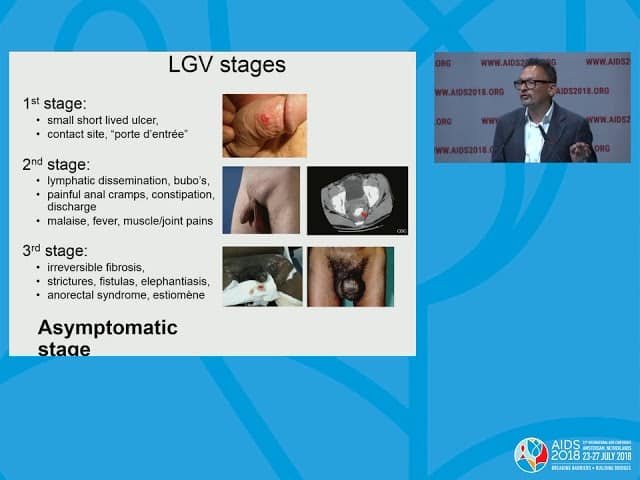
Lymphogranuloma Venereum (LGV) is a sexually transmitted infection (STI) caused by a specific strain of the bacteria Chlamydia trachomatis. It primarily affects the lymphatic system and can lead to severe complications if left untreated. LGV is more common in certain parts of the world, including parts of Africa, Asia, and the Caribbean, but cases have also been reported in other regions.
Causes of LGV
As mentioned earlier, LGV is caused by the bacteria Chlamydia trachomatis. This bacterium can be transmitted from one person to another through sexual contact, including vaginal, anal, or oral sex. It is important to note that LGV is only caused by specific strains of Chlamydia trachomatis, different from the strains that cause more common forms of chlamydia infection.
Transmission of LGV
LGV is primarily transmitted through sexual contact. This can include vaginal, anal, or oral sex with an infected person. It is important to note that LGV can also be transmitted through non-sexual means, such as sharing contaminated objects like sex toys. It is crucial to practice safe sex and take necessary precautions to prevent the spread of LGV.
Stage 1: Primary Infection
During the primary infection stage of LGV, a small painless genital ulcer may develop at the site of infection, usually within two to three days or up to 30 days after exposure. This ulcer may go unnoticed as it does not cause pain or discomfort. This stage is also characterized by the enlargement and tenderness of the lymph nodes in the groin area. Other symptoms that may accompany this stage include fever and flu-like symptoms, such as fatigue and muscle aches.
Signs and Symptoms of Stage 1 LGV
Painless genital ulcer
The presence of a painless genital ulcer is one of the main signs of stage 1 LGV. This ulcer may be small and go unnoticed, but it is an important indicator of possible infection.
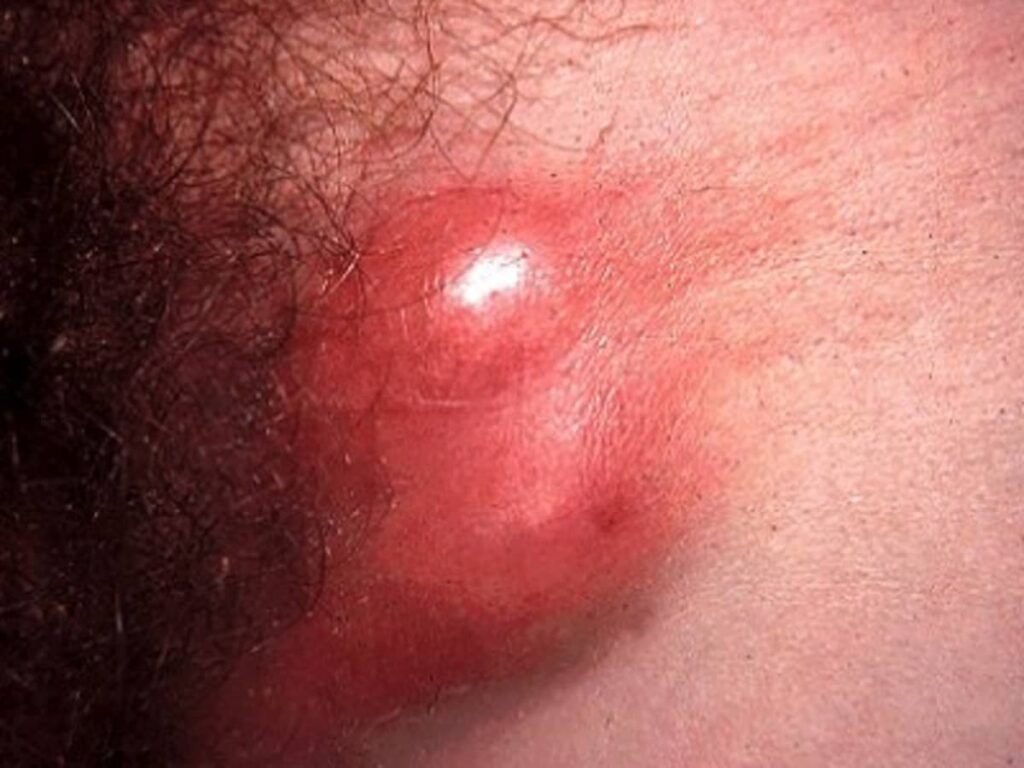
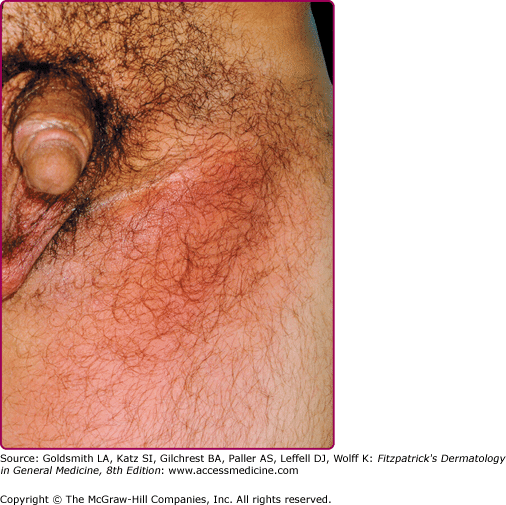
Enlarged and tender lymph nodes in the groin
Another symptom of stage 1 LGV is the enlargement and tenderness of the lymph nodes in the groin area. These swollen lymph nodes may be accompanied by redness and can feel firm or rubbery to the touch.
Fever and flu-like symptoms
In addition to the aforementioned symptoms, individuals with stage 1 LGV may also experience fever and flu-like symptoms. These can include fatigue, muscle aches, headaches, and a general feeling of illness.
Stage 2: Secondary Infection
If left untreated, LGV can progress to the secondary infection stage. During this stage, the infection can spread to other parts of the body, particularly the rectum. This can result in rectal inflammation, anal discharge and bleeding, and painful bowel movements. Swollen lymph nodes can also be observed in both the groin and rectal areas.

Signs and Symptoms of Stage 2 LGV
Rectal inflammation
One of the key symptoms of stage 2 LGV is rectal inflammation. This can cause discomfort, pain, and a sensation of fullness in the rectal area.
Anal discharge and bleeding
Individuals with stage 2 LGV may experience anal discharge, which can range from mucous-like to pus-like in consistency. Additionally, bleeding from the anus may occur, especially during bowel movements.
Painful bowel movements
Painful bowel movements are commonly reported in individuals with stage 2 LGV. This can be attributed to the inflammation and infection in the rectum.
Swollen lymph nodes in the groin and rectum
Similar to the first stage, stage 2 LGV is characterized by swollen lymph nodes. In this stage, these swollen lymph nodes can be observed in both the groin and rectum.
Stage 3: Late Complications
If left untreated for an extended period, LGV can progress to late complications. These complications can have serious long-term effects on a person’s health and well-being.
Signs and Symptoms of Stage 3 LGV
Rectal strictures and narrowing
One of the potential late complications of LGV is the development of rectal strictures and narrowing. This can result in difficulty passing stools and may require medical intervention.
Proctocolitis
Proctocolitis is another late-stage complication of LGV. It refers to the inflammation of the rectum and colon, which can cause symptoms such as diarrhea, abdominal pain, and rectal bleeding.
Fistulas and abscesses
In some cases, LGV can lead to the formation of fistulas and abscesses. Fistulas are abnormal connections between two organs or structures, while abscesses are collections of pus. These complications can be painful and require surgical intervention.
Elephantiasis (rare)
Although rare, elephantiasis can occur as a late complication of LGV. Elephantiasis refers to the swelling and enlargement of body parts, typically the limbs, due to the obstruction of lymphatic vessels. This severe complication can be debilitating and have a significant impact on a person’s quality of life.
Prevention and Control of LGV
Preventing and controlling LGV involves practicing safe sex and taking necessary precautions. This includes using barrier methods, such as condoms, during sexual activity. Regular testing for STIs is also important, especially for individuals who engage in high-risk sexual behaviors. If diagnosed with LGV, it is essential to seek early treatment to prevent the progression of the infection and the development of complications.
In conclusion, Lymphogranuloma Venereum (LGV) is a sexually transmitted infection caused by a specific strain of Chlamydia trachomatis. It can lead to various stages of infection with distinct signs and symptoms, ranging from painless genital ulcers to severe late-stage complications. By understanding the causes, transmission, and progression of LGV, individuals can take necessary precautions to prevent infection and seek early treatment if needed. Remember, practicing safe sex and regular STI testing are vital in preventing the spread of LGV and maintaining sexual health.