
- Facing the Mirror: Understanding the Grip of Acne-Induced Social Anxiety.
You’ve probably found yourself doing this. Standing in front of the mirror, a familiar dread creeping in. It’s not just about the occasional pimple anymore; it’s about the persistent presence of acne and the heavy weight it’s placed on your shoulders. As the Listicle Content Architect, I understand this struggle intimately, and I’m here to guide you through dissecting the complex relationship between your skin and your social life. This isn’t just a cosmetic issue; it’s a deeply psychological one that can significantly impact your well-being. We’re going to break down how acne can quietly, or not so quietly, fuel social anxiety.
The Invisible Scars: Beyond the Surface
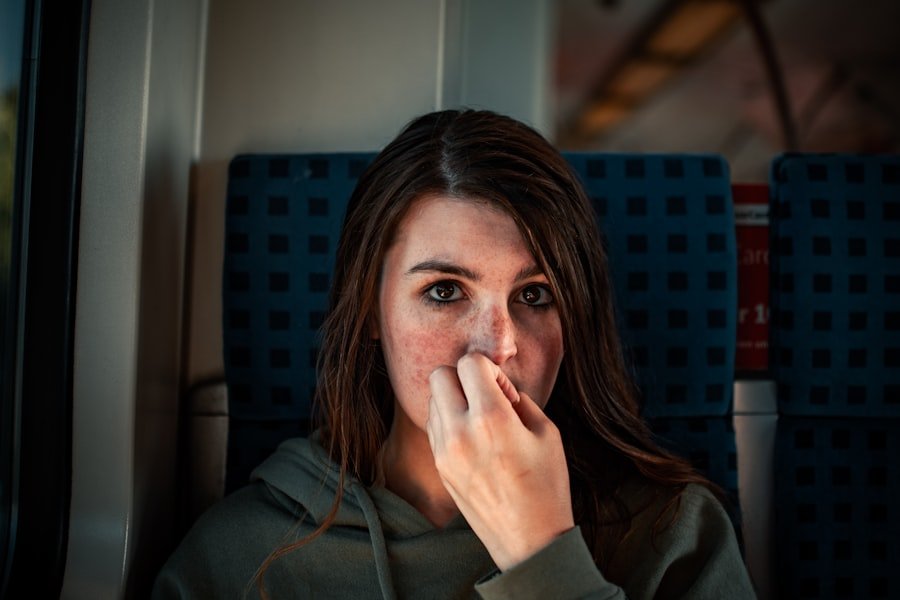
Acne, whether mild or severe, can feel like a spotlight permanently aimed at your face. This persistent visibility creates a unique kind of anxiety, one that’s hard for those who haven’t experienced it to truly grasp. It’s not about vanity; it’s about feeling exposed, judged, and fundamentally flawed in a way that feels inescapable. You might notice yourself scrutinizing your reflection before you even leave the house, wondering if this time, someone will notice the redness, the bumps, the texture that you’ve come to associate with shame.
The “What Ifs” That Haunt Your Thoughts
Social situations, once perhaps a source of enjoyment or a necessary part of life, can become a minefield of “what ifs.” What if someone stares? What if they think I’m unhygienic? What if they bring up my acne directly? These anxieties can escalate quickly, turning a simple coffee date or a work presentation into an ordeal. You might spend more time rehearsing conversations that never happen, or mentally planning escape routes, all stemming from the fear of judgment about your skin.
The Cycle of Avoidance: When Anxiety Becomes a Self-Fulfilling Prophecy
The more you worry about your acne and how others perceive it, the more you might find yourself withdrawing from social interactions. This avoidance, while seemingly a protective mechanism, can inadvertently reinforce your anxiety. You miss out on opportunities to build confidence, to realize that most people are not fixated on your skin, and to experience genuine connection. This creates a vicious cycle: anxiety leads to avoidance, and avoidance leads to further anxiety.
- The Social Minefield: Navigating Everyday Interactions with Acne.
You step out of your home, and suddenly, the world feels like a stage, and you’re under harsh fluorescent lights. Every interaction, no matter how brief, can feel fraught with potential judgment. This is the reality for many experiencing social anxiety fueled by acne. It’s about more than just avoiding eye contact; it’s a pervasive sense of unease that colors your perception of every social encounter. We’ll explore how these everyday moments can become significant hurdles.
Public Spaces: The Ultimate Test of Resilience
Think about it. Walking down a busy street, sitting in a crowded cafe, or even just queuing at the grocery store. These are spaces where you’re exposed to a multitude of people, and for you, each glance can feel like an interrogation. You might find yourself instinctively trying to cover your face with your hair, turning away, or adopting a generally less open posture. The simple act of being seen can trigger a surge of self-consciousness, making you feel like your acne is the only thing anyone can possibly notice.
Casual Conversations: The Fear of the Unspoken Comment
Even seemingly innocuous conversations can become a source of anxiety. A colleague asking about your weekend, a friend inquiring about your day – these are typically opportunities for connection. But with acne-induced social anxiety, you might be anticipating a slip-up, a poorly phrased comment, or even just a lingering stare that confirms your worst fears. You might be so preoccupied with managing your appearance that you struggle to be fully present in the conversation, your mind racing with defense mechanisms.
Group Settings: The Amplified Pressure Cooker
When you’re in a group, the perceived pressure to conform and be liked can be amplified. This is especially true if you feel your acne sets you apart. Think about attending a party, a team meeting, or a family gathering. The feeling of being under a collective gaze can be overwhelming. You might hesitate to speak up, fearing that all eyes will turn to you, focusing on your skin rather than your words. The desire to blend in can become a powerful, yet paralyzing, force.
Romantic Encounters: The Ultimate Vulnerability
This is perhaps where the anxiety can be most intense. The prospect of intimacy, of being truly seen and vulnerable with another person, can be terrifying when you’re battling acne. You might find yourself delaying dating, avoiding close physical contact, or constantly worrying about how your skin looks in dimly lit rooms or in the morning. The fear of rejection based on your appearance can be a significant barrier to forming meaningful romantic connections.
- The Mental Battleground: Cognitive Distortions Fueling the Fire.
You’re not just fighting a battle on your skin; you’re also locked in a fierce mental one. Social anxiety caused by acne often thrives on a host of unhelpful thought patterns. As your LCA, I’m here to help you identify these distortions so you can begin to deconstruct them. These are the silent saboteurs that tell you things that simply aren’t true, yet feel incredibly real. Understanding them is the first step towards regaining control.
Mind Reading: Assuming the Worst of Others
This is a classic. You convince yourself that you know exactly what other people are thinking, and that it’s negative. You see someone glance in your direction, and immediately, your mind jumps to: “They’re looking at my acne. They think I’m disgusting.” You haven’t heard a word, you haven’t seen a judgmental expression, but your brain has already made a definitive, harsh conclusion. This is mind-reading, and it’s a significant driver of social anxiety.
Catastrophizing: Imagining the Worst-Case Scenario
Every social interaction becomes a potential disaster in your mind. You envision the most humiliating outcome, the most embarrassing moment, and you prepare yourself for it as if it’s an inevitability. A small breakout becomes the prelude to being ostracized. A compliment is met with suspicion, as you wait for the inevitable backhanded remark about your skin. Catastrophizing turns minor concerns into full-blown crises.
Personalization: Taking Everything as a Direct Attack
You tend to interpret neutral or ambiguous events as being directed at you personally. If a group of people are laughing, you might assume they’re laughing at you and your acne. If someone seems a little quiet, you might believe it’s because they’re uncomfortable with your appearance. This tendency to internalize everything as a personal reflection of your perceived flaws is exhausting and incredibly isolating.
Dichotomous Thinking (Black-and-White Thinking): The All-or-Nothing Trap
You see things in extremes. Either your skin is perfect and you’re socially confident, or it’s not perfect and you’re a social pariah. There’s no middle ground, no room for nuance. If you have a single blemish, your internal monologue might declare, “My skin is ruined. I can’t possibly go out tonight.” This all-or-nothing approach prevents you from recognizing that imperfections are normal and that a single pimple doesn’t negate your worth as a person or your ability to connect.
Filtering: Focusing Solely on the Negative
Your mind acts like a sieve, letting through all the negative stimuli while filtering out anything positive. You might receive several compliments on your outfit or your personality, but your brain latches onto the one perceived negative glance or the inner voice that whispers, “But they’re just being polite; they really notice the acne.” This selective focus on the negative reinforces your anxieties and prevents you from seeing the broader, and often more positive, reality of how you are perceived.
- Beyond the Surface: Strategies for Reclaiming Your Social Life.
You’ve endured the mirror’s judgment, navigated the minefields of daily interactions, and recognized the insidious whispers of your own thoughts. Now, it’s time to equip yourself with the tools to fight back. As your LCA, I aim to empower you with actionable strategies that move you from a place of avoidance and anxiety towards genuine connection and self-acceptance. This isn’t about instantly curing your acne, but about learning to live fully and confidently despite it, and working towards clarity.
Empowering Your Skin: The First Line of Defense
While this listicle focuses on the psychological, acknowledging the physical is crucial. Taking proactive steps to manage your acne can significantly alleviate the anxiety associated with it.
- Consult a Dermatologist: This is not about vanity; it’s about addressing a medical condition. A dermatologist can provide professional assessment and treatment plans tailored to your specific needs. This can range from prescription creams and oral medications to lifestyle recommendations. Feeling like you are actively treating the issue can provide a powerful sense of agency.
- Establish a Consistent Skincare Routine: Find a gentle, effective routine that works for your skin type. This might involve a cleanser, a treatment product, and a moisturizer. The act of caring for your skin can be a form of self-compassion, a ritual that says, “I am taking care of myself.”
- Embrace Healthy Habits: Diet, hydration, and sleep all play a role in skin health. While not a magic cure, incorporating nutritious foods, drinking plenty of water, and ensuring adequate rest can contribute to clearer skin and improved overall well-being, which positively impacts your mood and confidence.
- Consider Makeup as a Tool, Not a Crutch: If you choose to use makeup, do so in a way that makes you feel good. Experiment with products that offer good coverage without clogging pores. The goal is to enhance, not to hide, and to feel empowered by your choices.
Rewriting Your Inner Dialogue: Cognitive Restructuring in Action
You’ve identified the cognitive distortions. Now, let’s actively challenge them.
- Challenge Negative Thoughts: When you catch yourself thinking negatively, ask yourself: “What is the evidence for this thought? What is the evidence against it? Is there another way to interpret this situation?” For example, if you think, “Everyone is staring at my pimple,” ask yourself, “Are they really all staring, or am I just noticing a few people looking in my general direction? Are they looking at my pimple, or just looking at me?”
- Practice Self-Compassion: Treat yourself with the same kindness and understanding you would offer a friend. Recognize that having acne is common and that it doesn’t define your worth. When you experience difficult emotions related to your skin, acknowledge them without judgment. Phrases like, “It’s okay to feel anxious about this,” can be incredibly validating.
- Focus on Facts, Not Assumptions: Instead of assuming what others are thinking, focus on observable facts. If someone smiles at you, the fact is they smiled. The assumption that they’re smiling because they noticed your acne is just that – an assumption.
- Identify and Challenge Cognitive Distortions: Keep a thought record. When you experience anxiety, write down the situation, your thoughts, your feelings, and then your evidence-based, more balanced thoughts. This practice trains your brain to think more realistically.
Gradual Exposure: Facing Your Fears Step by Step
The goal isn’t to instantly become fearless, but to slowly build your tolerance for social situations. Think of it as graded exposure, where you gradually increase the challenge.
- Start Small: Begin with low-stakes interactions. Make eye contact with a cashier, offer a brief smile to a stranger, or engage in a short conversation with a neighbor. These small victories build confidence.
- Set Realistic Social Goals: Instead of aiming for a huge party, perhaps your goal for the week is to initiate one conversation with a colleague or to join a small online group related to your interests.
- Practice in Safe Environments: Rehearse social interactions with a trusted friend or family member. Role-playing can help you feel more prepared and less anxious when the real situation arises.
- Stay Present: When you’re in a social situation, consciously try to focus on the here and now. Listen to what others are saying, engage in the conversation, and focus on the experience itself, rather than on your internal anxieties about your appearance.
- Building Resilience: Fostering a Stronger Sense of Self Beyond Your Skin.
You’ve made progress in managing your skin and challenging your thoughts, but true resilience comes from cultivating a robust sense of self that isn’t solely dependent on your appearance. As your LCA, I want to guide you towards the understanding that your worth is multifaceted and that your social value extends far beyond the clarity of your complexion. This is about building an inner strength that can weather any social storm.
Cultivating Your Strengths and Passions: The Foundation of Self-Worth
Your identity is so much more than your skin. What are the things that truly light you up? What are the skills and talents that you possess? Focusing on these areas can create a powerful counter-narrative to your anxieties.
- Identify Your Strengths: Make a list of your positive qualities, skills, and achievements. These can be anything – a good listener, a creative thinker, a loyal friend, a skilled baker, someone who excels at a particular sport or hobby. Regularly remind yourself of these inherent strengths.
- Invest in Your Passions: Dedicate time to hobbies and activities that bring you joy and a sense of accomplishment. Whether it’s painting, playing a musical instrument, writing, coding, or gardening, immersing yourself in these passions allows you to experience competence and personal fulfillment, independent of external validation about your appearance.
- Set Personal Goals (Non-Appearance Related): Challenge yourself to achieve goals in areas unrelated to your skin. This could be completing a challenging book, learning a new language, running a certain distance, or mastering a complex recipe. The satisfaction of accomplishing these personal goals builds confidence and reinforces your capabilities.
Nurturing Meaningful Connections: The Power of Supportive Relationships
Genuine connection is a powerful antidote to social anxiety. Surrounding yourself with people who accept and value you for who you are – not just for how you look – is vital.
- Seek Out Supportive Friends and Family: Spend time with people who uplift you, who listen without judgment, and who see your true value. Their acceptance can be a powerful buffer against self-doubt.
- Join Groups Aligned with Your Interests: Engage in communities centered around shared passions. This provides natural opportunities for social interaction where the focus is on the activity or shared interest, rather than individual appearances. Think book clubs, hiking groups, volunteer organizations, or hobby clubs.
- Practice Authentic Self-Expression (Even When It’s Hard): In safe and supportive relationships, try to be your authentic self. Share your thoughts, feelings, and experiences. The more you allow yourself to be seen, the more opportunities there are for genuine connection.
- Set Boundaries with Negative Influences: If certain individuals consistently make you feel worse about yourself or are overly critical, it’s okay to limit your interactions with them. Protect your energy and your mental well-being.
Embracing Imperfection as Humanity: A Shift in Perspective
The pursuit of flawless skin is often an unrealistic and exhausting endeavor. Shifting your perspective on imperfection can be incredibly liberating.
- Recognize the Universality of Imperfection: Everyone has something they feel insecure about. Acne is a common human experience, and it doesn’t make you any less worthy or desirable. Understanding this can reduce the feeling of being singled out.
- Focus on Inner Qualities: When interacting with others, try to shift your focus from their appearance to their character, their ideas, and their personality. By valuing these qualities in others, you can learn to value them in yourself.
- Challenge the Beauty Standards: Society often presents unrealistic and unattainable beauty standards. Recognize that these are constructs and that true beauty is diverse and multifaceted. Your uniqueness, including your skin, is part of what makes you, you.
- Celebrate Small Wins: Acknowledge and celebrate every instance where you choose to engage socially despite your anxiety, where you challenge a negative thought, or where you offer yourself kindness. These are significant victories on the path to resilience.
- The Ongoing Journey: Maintaining Momentum and Seeking Professional Support.
You’ve traveled a significant distance, and the insights gained are invaluable. As your LCA, remember that this is not a destination but an ongoing journey of self-discovery and empowerment. The strategies we’ve explored are tools for consistent application, and there are further steps you can take to ensure sustained progress and deeper healing. Your commitment to yourself is the most powerful force at play here.
Recognizing the Need for Deeper Professional Guidance
While self-help strategies are potent, sometimes the roots of social anxiety run deeper, and professional support can provide invaluable structure and expertise.
- Therapy for Social Anxiety: Cognitive Behavioral Therapy (CBT) and Exposure and Response Prevention (ERP) are highly effective therapeutic approaches for social anxiety. A therapist trained in these modalities can help you systematically identify, challenge, and modify the thoughts and behaviors that fuel your anxiety. They can also guide you through graded exposure in a safe and controlled environment.
- Consider Support Groups: Connecting with others who share similar experiences can be incredibly validating and empowering. Look for local or online support groups for social anxiety or for individuals dealing with skin conditions. Sharing strategies, challenges, and successes with peers can foster a sense of community and reduce feelings of isolation.
- Mindfulness and Meditation Practices: Incorporating mindfulness into your daily life can help you develop a greater awareness of your thoughts and feelings without judgment. Regular meditation practice can reduce overall stress and anxiety levels, making it easier to manage challenging social situations. There are many guided meditations available specifically for anxiety.
- The Role of Medication (When Appropriate): In some cases, a psychiatrist or medical doctor might recommend medication to help manage the symptoms of severe social anxiety. This is typically used in conjunction with therapy and should always be discussed comprehensively with a healthcare professional.
Practicing Self-Care as a Cornerstone of Resilience
Your well-being is paramount. Prioritizing self-care isn’t an indulgence; it’s a fundamental necessity for sustained mental and emotional health.
- Prioritize Sleep: Adequate sleep is crucial for emotional regulation and cognitive function. Aim for 7-9 hours of quality sleep per night. Establish a relaxing bedtime routine to signal to your body that it’s time to wind down.
- Engage in Regular Physical Activity: Exercise is a powerful stress reliever and mood booster. Find an activity you enjoy, whether it’s walking, running, swimming, yoga, or dancing, and make it a regular part of your routine. Physical activity can improve self-esteem and reduce feelings of anxiety.
- Nourish Your Body: A balanced diet rich in whole foods supports both your physical and mental health. Pay attention to how different foods make you feel and try to minimize processed foods and excessive sugar which can contribute to mood fluctuations.
- Schedule Downtime and Relaxation: Make time for activities that help you de-stress and recharge. This could include reading, listening to music, spending time in nature, taking a warm bath, or engaging in a creative pursuit. It’s vital to schedule moments of genuine rest and enjoyment.
Embracing Setbacks as Learning Opportunities
The path to overcoming social anxiety is rarely linear. There will be moments where you feel like you’ve stepped backward. This is normal, and it’s an opportunity for growth, not a reason to abandon your efforts.
- Acknowledge and Validate Setbacks: When you experience a challenging social situation or a resurgence of anxiety, acknowledge your feelings without self-criticism. It’s okay to feel disappointed or discouraged.
- Analyze What Happened (Without Blame): Gently reflect on the situation. What triggered the heightened anxiety? What coping strategies did you try? What could you do differently next time? The goal is learning and adaptation, not self-recrimination.
- Recommit to Your Strategies: A setback is not a failure; it’s a signal to re-evaluate and recommit. Revisit the coping mechanisms and strategies that have worked for you, and adjust your approach as needed.
- Seek Support During Difficult Times: If you’re struggling to navigate setbacks, don’t hesitate to reach out to your therapist, a trusted friend, or a support group. Sharing your challenges can provide perspective and encouragement.
By continuing to invest in your well-being, actively practice self-compassion, and seek support when needed, you are not only managing social anxiety caused by acne but actively building a richer, more fulfilling life. You are the architect of your own resilience.
FAQs
What is social anxiety?
Social anxiety is a mental health condition characterized by an intense fear of social situations and interactions. People with social anxiety may feel self-conscious, judged, or embarrassed in social settings, leading to avoidance of social activities.
What is acne?
Acne is a common skin condition that occurs when hair follicles become clogged with oil and dead skin cells. It can result in pimples, blackheads, and whiteheads, and can appear on the face, neck, chest, back, and shoulders.
How can acne cause social anxiety?
Acne can cause social anxiety by impacting a person’s self-esteem and confidence. The visible nature of acne can lead to feelings of embarrassment, self-consciousness, and fear of judgment from others, which can contribute to social anxiety.
What are the treatment options for acne-related social anxiety?
Treatment options for acne-related social anxiety may include addressing the physical symptoms of acne through skincare routines, medications, or dermatological procedures. Additionally, therapy, support groups, and self-care practices can help address the emotional impact of acne and reduce social anxiety.
When should someone seek professional help for acne-related social anxiety?
If acne-related social anxiety is significantly impacting a person’s daily life, relationships, or mental well-being, it is important to seek professional help. A mental health professional or dermatologist can provide support, guidance, and treatment options to address both the physical and emotional aspects of acne-related social anxiety.