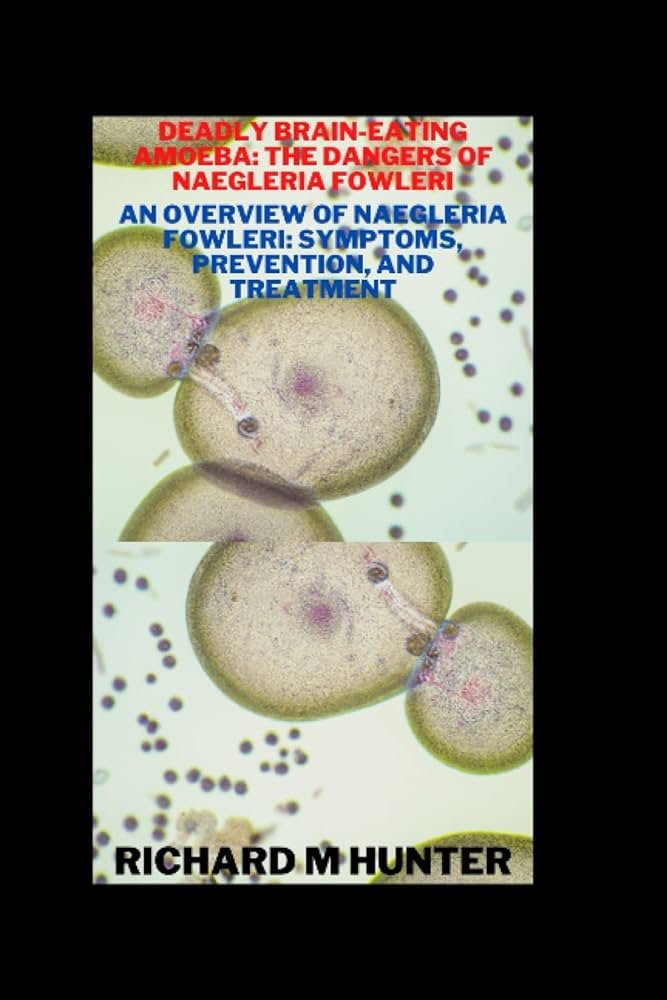
Imagine the unthinkable – a microscopic organism that lurks in bodies of freshwater, in the unlikeliest of places, just waiting for the perfect opportunity to infect its unsuspecting victim. This silent menace is known as the brain-eating amoeba, a deadly and relentless predator of the human brain. In this article, you will discover the chilling details of this haunting threat and the devastating consequences it can have on those unfortunate enough to encounter it. Brace yourself as we unravel the sinister world of the brain-eating amoeba.
Background
Definition of Brain-Eating Amoeba
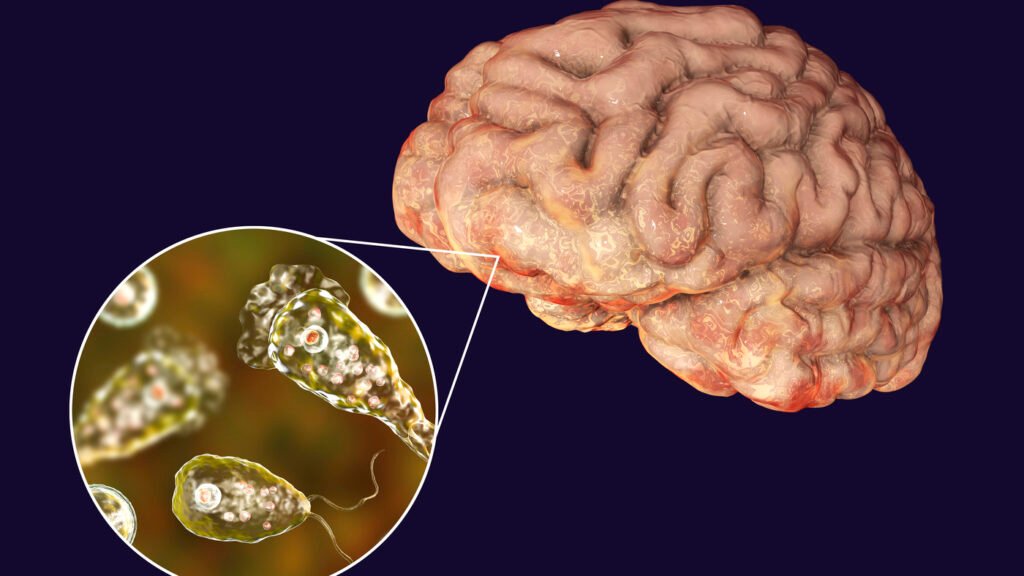
Brain-Eating Amoebas, scientifically known as Naegleria fowleri, are single-celled organisms that can cause rare, but devastating infections in humans. Despite their small size, these amoebas have the potential to cause severe damage to the brain, leading to a high fatality rate. They are typically found in warm freshwater environments such as lakes, hot springs, and warm water discharge from industrial plants.
Historical Context
The first documented case of a brain-eating amoeba infection in humans dates back to the early 1960s. Since then, there have been numerous cases reported globally, especially in countries with warm climates. The rarity of these infections is what makes them particularly concerning, as medical professionals often struggle with diagnosing and treating them effectively.
Geographic Distribution
Brain-eating amoebas are distributed worldwide, but they are more commonly found in regions with warm environments. In the United States, for example, cases have been reported primarily in southern states such as Texas, Florida, and Arizona. However, infections have also been reported in other parts of the world, including Australia, India, and several countries in Africa. Understanding the geographic distribution is crucial for raising awareness and implementing appropriate preventive measures.
Lifecycle and Transmission
Introduction to the Amoeba Lifecycle
The lifecycle of a brain-eating amoeba involves two distinct forms: the active trophozoite stage and the dormant cyst stage. In their active stage, these amoebas feed on bacteria and other organic matter in water sources. When conditions become unfavorable, such as during periods of cold weather or drying, they transform into cysts, enabling them to survive until more favorable conditions arise.
Modes of Transmission
The primary mode of transmission for brain-eating amoebas is through the nose. During activities such as swimming or diving, contaminated water can enter the nasal cavity, allowing the amoebas to travel through the olfactory nerve and reach the brain. It is important to note that these amoebas cannot cause infection if swallowed, as the digestive system’s acid can kill them. However, they can still cause other types of infections if they reach other areas of the body through open wounds or surgeries.
Entry Points for Infection
It is essential to recognize the various entry points for infection to take appropriate preventive measures. As mentioned earlier, the nasal cavity is the most common entry point. Therefore, individuals engaging in activities that involve submerging their heads in warm freshwater, such as swimming, diving, or using neti pots, should be vigilant about the water quality and any potential risks. In addition, any open wounds or surgical incisions should be carefully protected to avoid direct contact with contaminated water sources.

Symptoms and Diagnosis
Early Symptoms
In the early stages of infection, the symptoms may mimic those of other common illnesses, making it challenging to diagnose brain-eating amoeba infections promptly. Initial symptoms typically include severe headache, fever, nausea, and vomiting. As the infection progresses, symptoms may worsen and include a stiff neck, seizures, hallucinations, and altered mental state. It is crucial to seek immediate medical attention if any of these symptoms arise, especially after engaging in activities that increase the risk of exposure to contaminated water.
Advanced Symptoms
As the infection progresses, the brain’s inflammation can lead to severe neurological symptoms. These can include the loss of taste and smell, difficulty in speaking, paralysis, and eventually, coma. Unfortunately, if not diagnosed and treated early, the infection can often be fatal, with a survival rate of less than 3%.
Diagnostic Procedures
The accurate diagnosis of brain-eating amoeba infections requires a series of tests to identify the presence of the amoebas and rule out other possible causes of the symptoms. These tests may include examining cerebrospinal fluid samples, nasal swabs, and brain imaging techniques such as computed tomography (CT) scans or magnetic resonance imaging (MRI). It is crucial for healthcare professionals to remain vigilant and consider brain-eating amoebas as a potential cause when faced with patients exhibiting severe neurological symptoms.
Fatal Cases and Statistics
Number of Fatal Cases
While brain-eating amoeba infections are rare, they have a high fatality rate. According to available data, there have been approximately 150 reported cases worldwide in the past 50 years, with the majority occurring in the United States. Out of these cases, only a handful of individuals have survived, making it a particularly deadly infection.
Demographics of Victims
The demographics of brain-eating amoeba infection victims are diverse. However, there appears to be a higher incidence rate among children and young adults, possibly due to their increased engagement in water-related activities. Males also seem to be more commonly affected than females, although the reasons behind this gender disparity are not yet fully understood.
Global Statistics
Brain-eating amoeba infections are a global concern, albeit in relatively small numbers. Countries with warm climates and a significant number of freshwater lakes and reservoirs, such as the United States, Australia, and some parts of Africa, tend to have a higher number of reported cases. It is essential to remain vigilant globally and continue raising awareness about the risks associated with warm freshwater activities.
Prevention and Treatment
Preventive Measures
To prevent brain-eating amoeba infections, it is crucial to take appropriate preventive measures. Avoiding activities that involve submersion of the head in warm freshwater, particularly in stagnant or poorly treated water bodies, can significantly reduce the risk of exposure. If engaging in these activities, using nose clips or holding your nose shut can prevent contaminated water from entering the nasal cavity. Additionally, individuals should adhere to local health guidelines for swimming and safety precautions in water parks or recreational water facilities.
Safety Tips
In addition to preventive measures, adhering to general safety tips can help minimize the risk of brain-eating amoeba infections. These include maintaining good hygiene practices, such as regular handwashing, avoiding swallowing water from potentially contaminated sources, and ensuring the cleanliness and safety of swimming pools and hot tubs.
Available Treatment Options
Early diagnosis and prompt initiation of treatment are crucial for improving the chances of survival from a brain-eating amoeba infection. Treatment typically involves a combination of antimicrobial medications, such as amphotericin B, and supportive care to manage symptoms and reduce inflammation. However, it is important to note that even with treatment, the prognosis remains poor, highlighting the need for preventive measures and raising public awareness.
Impact on Water Systems
Contamination Sources
Brain-eating amoebas can enter water systems through various contamination sources. Runoff from agricultural areas, sewage overflows, and improperly treated water from industrial discharges can introduce the amoebas into natural water bodies, such as lakes and reservoirs. Additionally, warm water environments, such as hot springs or geothermal waters, can serve as favorable habitats for these amoebas to thrive, increasing the risk of contamination.
Water Treatment Challenges
The presence of brain-eating amoebas poses challenges to traditional water treatment methods. Standard disinfection processes, such as chlorination, may not always effectively eliminate these amoebas, highlighting the need for specialized treatment approaches. Research is ongoing to develop more effective methods to detect and remove brain-eating amoebas from water systems, ensuring the safety and well-being of individuals using these water sources.
Case Studies
Several case studies have highlighted the potential risks and impact of brain-eating amoebas on water systems. For instance, outbreaks in warm freshwater lakes have been linked to specific climatic conditions and increased water temperatures. These case studies provide valuable insights into the behavior of the amoebas, helping scientists and public health officials develop targeted strategies to prevent and manage future outbreaks.

Public Awareness and Education
Importance of Awareness Campaigns
Public awareness and education campaigns play a vital role in preventing brain-eating amoeba infections. By raising awareness about the risks associated with warm freshwater activities and the importance of preventive measures, including nose protection, individuals can make informed decisions to protect themselves and their loved ones. These campaigns also help dispel myths and misconceptions surrounding brain-eating amoebas, promoting accurate knowledge and understanding.
Educational Initiatives
Educational initiatives in schools, colleges, and recreational facilities are essential for informing individuals about the risks and appropriate safety measures. Integration of relevant information into curricula, distribution of informational pamphlets, and conducting interactive sessions can effectively educate individuals about brain-eating amoebas. Moreover, online resources, such as websites and social media platforms, provide accessible platforms to disseminate information and engage with a wider audience.
Government and Non-Government Efforts
Both governmental and non-governmental organizations play a crucial role in combating brain-eating amoeba infections. Public health agencies collaborate with healthcare providers, recreational water facilities, and industry stakeholders to implement regulations, guidelines, and surveillance measures to ensure public safety. Non-governmental organizations often focus on research, advocacy, and public awareness campaigns to complement governmental efforts in preventing this rare but deadly infection.
Recent Outbreaks and Controversies
Notable Outbreaks
In recent years, several notable outbreaks of brain-eating amoeba infections have garnered attention globally. These outbreaks have resulted in increased efforts to understand the source of contamination, identify at-risk populations, and implement preventive measures. By learning from these outbreaks, public health officials and scientists can strengthen their strategies and response mechanisms to better prevent and manage future incidents.
Controversies Surrounding Treatment
Controversies surrounding the treatment of brain-eating amoeba infections have sparked debates within the medical community. The rarity of these infections, combined with the lack of standardized treatment protocols, has led to varied treatment approaches and outcomes. Research and collaboration among experts are crucial to establish evidence-based treatment guidelines and improve the chances of survival for individuals affected by this lethal infection.
Responses from the Scientific Community
The scientific community has been actively responding to the threat of brain-eating amoebas by conducting research, sharing findings, and collaborating on preventive measures. Scientists are exploring innovative detection methods, potential treatment options, and the environmental factors that contribute to the proliferation of brain-eating amoebas. By working collectively, they strive to develop effective strategies to combat this deadly infection.
Emerging Research and Future Directions
Advancements in Understanding the Amoeba
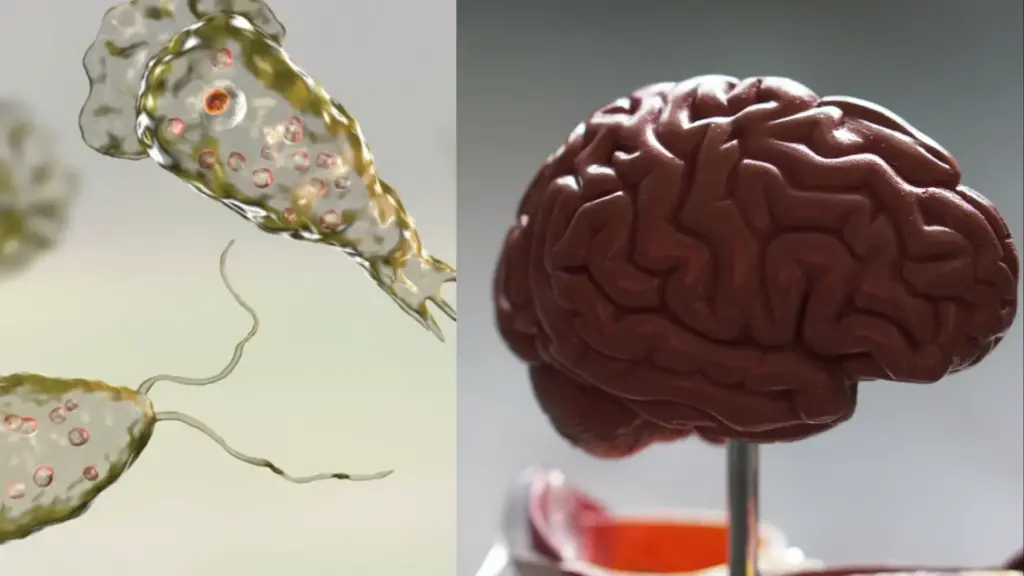
Advancements in scientific research have provided valuable insights into the biology, behavior, and life cycle of brain-eating amoebas. By understanding the unique characteristics of these amoebas, researchers can develop targeted approaches to detect and eliminate them more effectively. Ongoing studies continue to deepen our knowledge and contribute to the development of improved preventive measures and treatment options.
Trials for New Treatments
Research efforts have also led to the initiation of clinical trials for potential new treatments against brain-eating amoebas. These trials aim to evaluate the safety and efficacy of novel therapeutic approaches, including antifungal agents, immune modulators, and combination therapies. While the road to discovering effective treatments may be challenging, these trials offer hope for improved outcomes and increased survival rates for those affected by this deadly infection.
Predicting and Preventing Outbreaks
The ability to predict and prevent brain-eating amoeba outbreaks is a critical area of focus for future research. By better understanding the environmental factors and conditions that favor the proliferation of these amoebas, scientists and public health officials can develop predictive models and early warning systems. This knowledge can significantly contribute to the implementation of preventive measures and timely interventions to minimize the impact of outbreaks.
Conclusion
Brain-eating amoeba infections continue to pose a significant threat to public health, with their potential to cause severe neurological damage and high fatality rates. Raising awareness, implementing preventive measures, and advancing scientific research are essential to combat this deadly infection effectively. By understanding the risks associated with warm freshwater activities, individuals can make informed decisions to protect themselves and reduce the chances of becoming a victim of brain-eating amoebas. Collaborative efforts between the scientific community, governments, and non-governmental organizations are crucial in preventing outbreaks, improving treatment options, and ultimately saving lives. Through ongoing research and comprehensive public health initiatives, we can strive to minimize the impact of brain-eating amoeba infections and ensure the safety and well-being of individuals worldwide.