
Imagine a world where consuming beef puts you at risk of a degenerative brain disorder. In the 1980s, this seemingly unimaginable scenario became a reality with the emergence of Mad Cow Disease. This article delves into the far-reaching consequences of this devastating illness on the food industry. From strict regulations to heightened consumer fears, the impact of Mad Cow Disease has forever changed the way we perceive and consume beef. So grab a seat and prepare to be enlightened about the fascinating story behind this disease and its enduring effects on the food industry.
The Origins of Mad Cow Disease
Bovine Spongiform Encephalopathy (BSE)
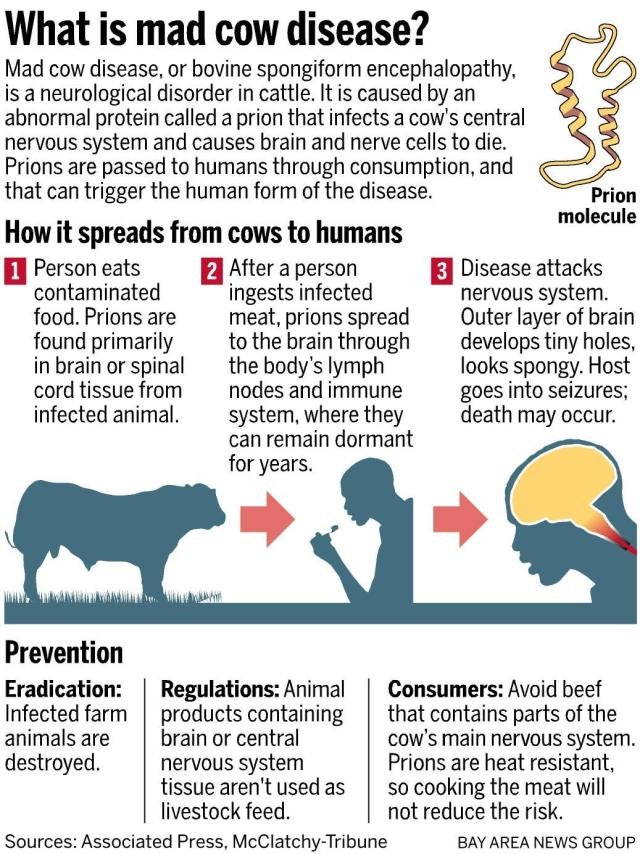
Mad Cow Disease, scientifically known as Bovine Spongiform Encephalopathy (BSE), is a neurodegenerative disease that affects cattle. The origins of BSE can be traced back to the 1980s in the United Kingdom. It was initially believed to be a result of contaminated cattle feed, which contained protein derived from rendered animal remains, including infected brain and spinal tissue.
Transmission and Spread of BSE
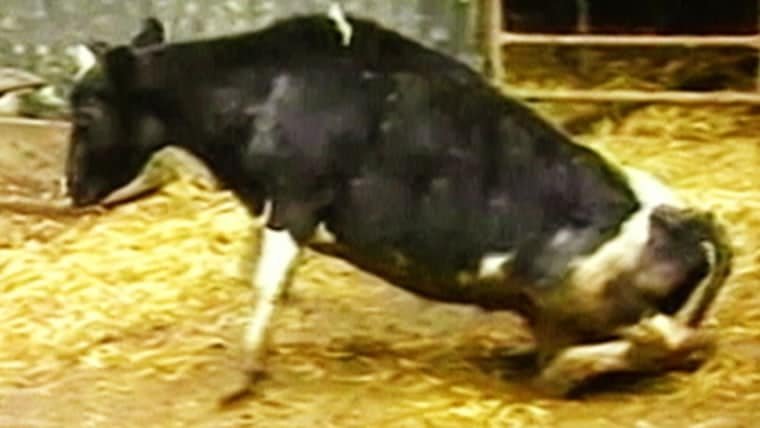
BSE is primarily transmitted through the consumption of contaminated feed. The disease gradually spreads within the central nervous system of the infected animal, leading to neurological symptoms such as aggression, difficulty in coordination, and eventually death. It is important to note that BSE is not transmitted through direct contact between animals or from animals to humans.
Human Variant: Creutzfeldt-Jakob Disease
The implications of BSE are not limited to the livestock industry. One of the most significant concerns is the potential transmission of BSE to humans, leading to a human variant of the disease known as Creutzfeldt-Jakob Disease (CJD). Although the risk to humans is relatively low, the consumption of BSE-contaminated meat and meat products has been linked to cases of variant CJD. This has raised serious public health concerns and increased regulatory scrutiny.
The Impact on Livestock and Agriculture
Culling of Infected Cattle
To contain the spread of BSE, infected animals and those at high risk of carrying the disease have been systematically culled. This has led to significant losses for farmers and a decrease in the overall cattle population. The culling programs aimed to remove infected animals from the food chain, ensuring consumer safety, and minimizing the risk of further contamination.
Reduced Consumer Confidence
The discovery of BSE and its potential transmission to humans caused a decline in consumer confidence in beef products. Consumers became increasingly wary of consuming beef due to concerns about food safety. This loss of confidence in the industry created significant economic challenges for cattle farmers and the overall agriculture sector.
Changes in Livestock Feeding Practices
In response to the BSE crisis, there have been widespread changes in livestock feeding practices. The use of rendered animal protein in cattle feed has been strictly regulated or completely banned in many countries. Additionally, there has been a shift towards using plant-based protein sources as an alternative to animal-based feed additives. These changes aim to mitigate the risk of BSE transmission and restore consumer trust in the industry.
Food Safety Regulations and Testing
Implementation of Control Measures
The discovery of BSE prompted the implementation of stringent food safety regulations and control measures. Governments and regulatory agencies around the world introduced measures to prevent the introduction and spread of BSE. These measures include feed bans, strict regulations on the use of animal by-products, and the establishment of surveillance and testing programs to monitor the prevalence of the disease.
Surveillance and Testing Programs
Surveillance and testing programs play a crucial role in identifying and monitoring the prevalence of BSE. These programs involve regular testing of cattle for the presence of BSE, both at the farm level and at slaughterhouses. This helps to ensure that only safe meat products enter the food supply chain, reducing the risk of transmission to consumers.
Traceability and Labeling Requirements
To enhance transparency and ensure consumer confidence, traceability and labeling requirements have been implemented in many countries. These requirements provide consumers with information about the origin and production methods of meat products, allowing them to make informed choices. Traceability also enables quick identification and recall of potentially contaminated products, minimizing the impact of any future disease outbreaks.
Economic Consequences for the Food Industry
Losses in Beef Production and Exports
The outbreak of BSE had a significant impact on beef production and exports. Countries affected by BSE faced a decline in beef consumption, leading to reduced demand and lower prices. Farmers and exporters experienced financial losses as their products were subject to import bans and restricted access to international markets due to fears of BSE contamination.
Decline in Consumer Demand
The discovery of BSE resulted in a decline in consumer demand for beef products worldwide. The negative perception associated with Mad Cow Disease led consumers to shift towards alternative protein sources or reduce their overall meat consumption. This shift in consumer preference had long-lasting effects on the beef industry, requiring efforts to regain consumer trust and reshape product offerings.
Increased Investment in Safety Measures
The BSE crisis highlighted the need for increased investment in safety measures and research to prevent future disease outbreaks. Governments, industry stakeholders, and research institutions recognized the importance of strengthening food safety systems and investing in advanced technology and diagnostic tools. This has led to improved testing methods, better surveillance, and enhanced safety protocols throughout the food supply chain.
Consumer Perceptions and Behavior Changes
Fear and Mistrust
The discovery of BSE and its potential impact on human health created fear and mistrust among consumers. Many people became skeptical of the safety of beef products and questioned the integrity of the entire food industry. Rebuilding trust with consumers became a crucial challenge for the beef industry, requiring transparent communication and greater efforts in ensuring food safety.
Shift Towards Alternative Protein Sources
As a result of the BSE crisis, many consumers started exploring alternative protein sources. Plant-based proteins, such as soy, pea, and lentil-based products, gained popularity as people sought safer and more sustainable options. The rise of plant-based meat substitutes provided consumers with a choice that minimized their perceived risk of exposure to BSE and aligned with their environmental and ethical values.
Demand for Organic and Locally Sourced Food
The BSE crisis stimulated a growing demand for organic and locally sourced food. Consumers perceived organic farming practices as having lower risks of BSE contamination, promoting animal welfare, and supporting sustainable agriculture. This shift in consumer preferences has led to an increase in organic farming practices and the development of local food systems that prioritize transparency and traceability.
International Trade and Market Effects
Import Bans and Restrictive Measures
Following the outbreak of BSE, many countries imposed import bans and implemented restrictive measures on beef products. This had significant consequences for exporters, as access to international markets was restricted or completely cut off. The loss of export opportunities resulted in economic challenges for countries heavily reliant on beef exports, fostering a need to explore alternative markets and diversify their product offerings.
Challenges for Exporters
Exporters faced numerous challenges in dealing with the aftermath of the BSE crisis. They had to demonstrate the safety and quality of their products through rigorous testing and certification processes, comply with the varying regulations of destination countries, and invest in marketing and educational campaigns to regain consumer confidence. Overcoming these challenges required collaboration between exporters, government agencies, and international trade organizations.
Shifting Global Competitiveness
The BSE crisis reshaped the global competitiveness of the beef industry. Countries that were not affected by BSE gained a competitive advantage over those that were, as their products were perceived as safer and more reliable. This shift in global competitiveness forced affected countries to adapt and invest in safety measures, research, and marketing strategies to regain their position in the international beef market.

Regaining Consumer Confidence
Improved Testing and Surveillance Methods
To regain consumer confidence, the beef industry focused on improving testing and surveillance methods. Advanced diagnostic tools and techniques were developed to detect the presence of BSE at an early stage, effectively minimizing the risk of infected animals entering the food supply chain. These advancements helped restore consumer trust by ensuring the safety of beef products.
Transparency and Communication Efforts
Transparent communication became a crucial tool in regaining consumer confidence. Industry stakeholders and regulatory agencies worked together to provide accurate information about BSE, its risks, and the safety measures implemented to mitigate those risks. Clear communication regarding traceability, labeling requirements, and safety protocols helped consumers make informed choices and rebuild their trust in the beef industry.
Collaboration with Regulatory Agencies
Collaboration between the beef industry and regulatory agencies played a vital role in regaining consumer confidence. The industry actively engaged with regulatory bodies to develop and implement safety regulations and control measures. This collaboration ensured that the interests of consumers, industry stakeholders, and public health were aligned, fostering a sense of trust and accountability throughout the food supply chain.
Long-Term Implications for the Food Industry
Stricter Safety Regulations
The BSE crisis led to the implementation of stricter safety regulations throughout the food industry. Governments and regulatory agencies recognized the need for comprehensive oversight to prevent future disease outbreaks and ensure consumer safety. This resulted in the establishment of robust regulatory frameworks, stringent enforcement of safety protocols, and continuous monitoring of risks within the food supply chain.
Changes in Supply Chains
The BSE crisis prompted significant changes in supply chains, particularly in the beef industry. Traceability became a paramount requirement, with a focus on tracking the origin, production methods, and handling of meat products. Supply chains were restructured to prioritize safety, transparency, and timely communication to address potential risks effectively. These changes not only enhanced consumer confidence but also improved the overall resilience of the food industry.
Rise of Plant-Based and Lab-Grown Alternatives
As a direct consequence of the BSE crisis, the food industry witnessed a rise in plant-based and lab-grown alternatives to traditional meat products. The demand for safer and more sustainable protein sources led to the development and commercialization of plant-based meat substitutes, such as burgers made from soy or pea protein. Furthermore, advancements in cellular agriculture and lab-grown meat production emerged as potential long-term solutions to meeting global protein demands without the risks associated with traditional animal agriculture.
Scientific Research and Advancements
Understanding Prion Diseases
The BSE crisis fueled scientific research to enhance understanding of prion diseases, their transmission, and potential treatment options. This research provided valuable insights into the nature of BSE and its human variant, CJD. It also paved the way for the development of improved diagnostic tools, prevention strategies, and potential treatments for prion diseases.
Development of Diagnostic Tools
The development of diagnostic tools for BSE and its human variant, CJD, became a priority for scientists and researchers. These tools enabled early detection and accurate diagnosis of prion diseases, facilitating the implementation of control measures and minimizing the risk of transmission. Improved diagnostic capabilities continue to play a critical role in ongoing surveillance and risk assessment related to BSE and other prion diseases.
Prevention and Treatment Approaches
Scientific advancements in prevention and treatment approaches for prion diseases have offered hope for mitigating the impact of future disease outbreaks. Research efforts have focused on developing vaccines, antiviral agents, and therapeutic options targeted at prion proteins. While there is still much to learn about these complex diseases, ongoing research holds the potential to prevent, treat, and ultimately eradicate prion diseases in both animals and humans.
Lessons Learned and Future Preparedness
Enhancing Early Detection Systems
The BSE crisis emphasized the importance of enhancing early detection systems for emerging diseases in the food industry. Investing in robust surveillance programs and diagnostic capabilities enables prompt identification and response to potential threats. Early detection systems provide a solid foundation for effective control measures, minimizing the impact on public health, animal welfare, and the overall food industry.
Investing in Food Safety Education
The BSE crisis highlighted the need for continuous investment in food safety education for industry stakeholders and consumers alike. Raising awareness about the risks associated with prion diseases, the importance of safe food handling practices, and the role of regulation in protecting public health is critical. Educating the public and fostering a culture of proactive food safety measures are vital for preventing future disease outbreaks and maintaining consumer confidence.
Contingency Planning and Risk Management
The BSE crisis underscored the significance of contingency planning and risk management within the food industry. Developing comprehensive risk assessment frameworks, contingency plans, and response protocols is crucial for effective crisis management. Preparedness allows for swift and coordinated actions, minimizing the economic, social, and public health impacts of disease outbreaks. By learning from past experiences, the food industry can proactively anticipate and manage future risks more effectively.
In conclusion, Mad Cow Disease, also known as Bovine Spongiform Encephalopathy (BSE), has had a profound impact on the food industry. From the origins of the disease to the economic consequences, consumer behavior changes, and long-term implications, the industry has undergone significant transformations. Stricter safety regulations, changes in supply chains, and advancements in scientific research have reshaped the landscape of the food industry. Lessons learned from the BSE crisis have paved the way for future preparedness, emphasizing the importance of early detection, food safety education, and effective risk management. As the food industry continues to evolve, it is essential to remain vigilant, adaptable, and committed to ensuring the safety and well-being of both animals and consumers.