
In the midst of the concerning measles outbreak, it is important to prioritize the safety and well-being of both yourself and those around you. With the recent surge in reported cases, it has become increasingly crucial to understand the measures one can take to protect against this highly contagious virus. This article discusses the importance of vaccination, symptoms to watch out for, and simple yet effective ways to minimize the risk of contracting and spreading measles. By taking the necessary precautions, we can all play a vital role in preventing the further spread of this infectious disease.
Understanding Measles
What is the measles virus?
Measles is a highly contagious viral disease that affects the respiratory system. It is caused by the measles virus, which belongs to the Morbillivirus genus. This virus is transmitted from person to person primarily through respiratory droplets when an infected individual coughs or sneezes.
How does the measles virus spread?
The measles virus spreads rapidly through direct contact with infected individuals or by inhaling the virus from the surrounding air. It can survive outside the body for up to two hours, making it highly contagious. People who are infected with measles can spread the virus to others even before they show any symptoms.
What are the symptoms of measles?
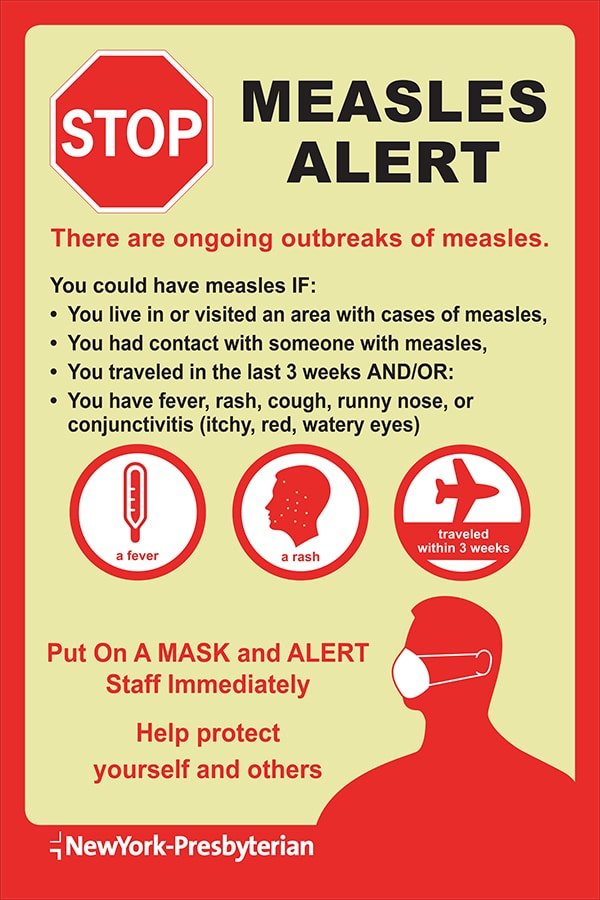
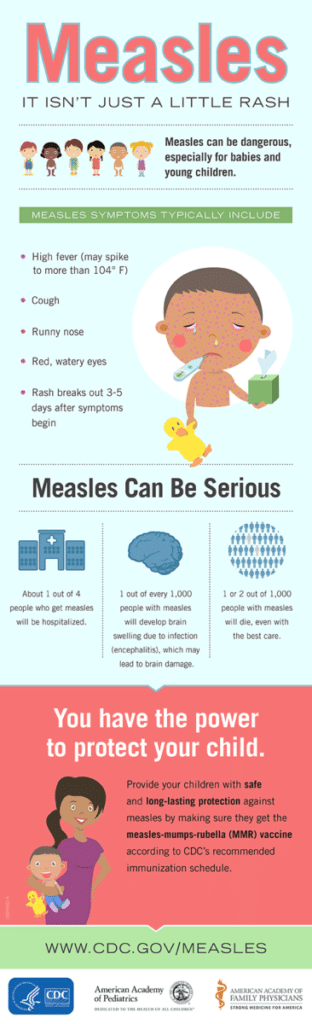
The symptoms of measles typically appear around 10-14 days after exposure to the virus. These symptoms include high fever, cough, runny nose, red eyes, and a characteristic rash that starts on the face and spreads downward. Measles can also cause complications such as ear infections, pneumonia, and encephalitis.
Complications of measles
Measles can lead to severe complications, especially in young children and individuals with weakened immune systems. These complications include pneumonia, which is the most common cause of death from measles, as well as brain inflammation (encephalitis), which can cause permanent brain damage. Measles can also weaken the immune system, making individuals more susceptible to other infections for a certain period of time.
Importance of Measles Vaccination
Why is measles vaccination important?
Measles vaccination is crucial in preventing the spread of the virus and protecting individuals from the potentially serious consequences of the disease. Vaccination not only safeguards vaccinated individuals but also contributes to community immunity, or herd immunity, by reducing the overall number of susceptible individuals in a population. This is important for protecting those who are unable to receive the vaccine, such as infants, pregnant women, and individuals with compromised immune systems.
How does the measles vaccine work?
The measles vaccine contains weakened or inactivated forms of the measles virus, which stimulates the immune system to produce antibodies. These antibodies help prevent infection if a vaccinated person is exposed to the measles virus. Two doses of the vaccine are recommended for maximum protection.
Who should get vaccinated?
The measles vaccine is recommended for all individuals, with few exceptions. The Centers for Disease Control and Prevention (CDC) recommends routine vaccination for all children, starting with the first dose at 12-15 months of age and the second dose at 4-6 years of age. Adults who have not been vaccinated or cannot provide evidence of immunity should also receive the vaccine.
Common misconceptions about measles vaccine
There are several misconceptions about the measles vaccine that have caused hesitancy and misinformation. One common misconception is the belief that the measles vaccine is linked to autism. However, extensive research has shown no evidence of such a link. Additionally, some people mistakenly believe that measles is a harmless childhood illness, when in fact it can have serious consequences. It is important to rely on accurate, evidence-based information regarding the safety and effectiveness of vaccines.
Prevention and Control Measures
Maintaining high vaccination coverage
Maintaining high vaccination coverage is essential in preventing the spread of measles. Vaccination programs should aim to ensure that a significant proportion of the population is immunized to achieve herd immunity. This helps protect not only vaccinated individuals but also those who cannot receive the vaccine due to medical reasons.
Importance of herd immunity
Herd immunity occurs when a significant portion of a population is immune to a disease, reducing the overall transmission potential of the virus. This protection indirectly helps prevent outbreaks and protects vulnerable individuals who cannot receive the vaccine. Maintaining high vaccination coverage is crucial in maintaining herd immunity and controlling the spread of measles.
Isolation measures for suspected cases
Suspected cases of measles should be promptly isolated to prevent further transmission of the virus. Isolation involves keeping the infected individual away from others, especially those who are unvaccinated or at high risk of complications, until they are no longer contagious. This helps contain the spread of measles within communities and healthcare settings.
Contact tracing and quarantine
Contact tracing is an important tool in identifying individuals who may have been exposed to the measles virus. By conducting thorough contact tracing, health authorities can identify those at risk of developing measles and take appropriate measures such as quarantine. Quarantine involves separating and restricting the movement of individuals who have been exposed to the virus but are not yet showing symptoms, preventing further spread of the disease.
Promoting good hygiene practices
Practicing good hygiene, such as regular handwashing with soap and water, can help prevent the transmission of the measles virus. Covering your mouth and nose when coughing or sneezing, using tissues or your elbow, and avoiding close contact with individuals showing symptoms of respiratory illnesses are also important preventative measures. These practices should be promoted in community settings, schools, and healthcare facilities.
Measles Outbreaks: Current Situation
Global increase in measles cases
Over the past few years, there has been a significant increase in measles cases worldwide. According to the World Health Organization (WHO), measles cases increased by 556% between 2016 and 2019. This alarming trend threatens the progress made in measles control and elimination efforts. Factors contributing to these outbreaks include low vaccination rates, gaps in vaccination coverage, and increased international travel.
Factors contributing to outbreaks
Several factors contribute to the occurrence and spread of measles outbreaks. Low vaccination rates, fueled by vaccine hesitancy and misinformation, leave communities more susceptible to outbreaks. International travel also plays a role in the introduction and spread of the virus across different regions. Moreover, the highly contagious nature of measles allows for rapid transmission within communities with low vaccination coverage.
Recent outbreaks and affected regions
In recent years, numerous countries around the world have experienced measles outbreaks. Regions including Europe, the Americas, Africa, and Asia have reported significant increases in measles cases. Particularly concerning is the resurgence of measles in countries that had previously eliminated the virus, such as the United States and various countries in Europe. These outbreaks highlight the need for strengthened vaccination efforts and public health measures.

Protecting Yourself
Ensuring your vaccination status
One of the most effective ways to protect yourself from measles is to ensure that you are up-to-date with the recommended measles vaccination. If you are uncertain about your vaccination status, consult your healthcare provider. They can review your medical records and advise you on getting vaccinated if necessary.
Recognizing the signs and symptoms
It is important to familiarize yourself with the signs and symptoms of measles to be able to detect the disease early. If you experience high fever, cough, red eyes, runny nose, and a characteristic rash, it is essential to seek medical attention promptly and inform your healthcare provider about your symptoms. Early diagnosis and isolation of suspected cases can help prevent further transmission.
Seeking medical help
If you suspect you have measles or have been exposed to someone with measles, it is crucial to seek medical help. Contact your healthcare provider for guidance on testing and treatment options. They can provide you with appropriate advice and support throughout your illness.
Isolating yourself in suspected cases
If you suspect you have measles or have been exposed to the virus, it is important to take steps to prevent further transmission. Stay home and avoid contact with others, especially individuals who have not been vaccinated or those who may be at higher risk of complications. Isolating yourself in suspected cases can help protect your family, friends, and community.
Protecting Others
Educating others about measles
One way to protect others from measles is by educating them about the disease. Share accurate information about the importance of vaccination, the symptoms of measles, and the potential complications of the disease. Help dispel common myths and misconceptions surrounding measles to promote understanding and encourage the uptake of vaccination.
Encouraging vaccination
Encouraging vaccination is crucial in protecting others, particularly those who cannot receive the vaccine themselves. Engage in conversations with friends, family, and community members about the importance of measles vaccination. Share personal experiences, reliable resources, and information from trusted healthcare professionals to help dispel vaccine hesitancy and promote vaccination.
Taking precautions in public settings
In public settings, it is essential to take precautions to prevent the spread of measles. Avoid close contact with individuals showing symptoms of respiratory illnesses. Practice good hygiene by washing your hands regularly with soap and water or using hand sanitizer if soap is not available. Cover your mouth and nose when coughing or sneezing, preferably with a tissue or your elbow, to reduce the transmission of respiratory droplets.
Measles and Travel
Travel precautions and recommendations
If you are planning to travel, it is essential to take precautions to protect yourself from measles. Before traveling, ensure that you are up-to-date with the measles vaccine. Check the vaccination requirements and recommendations for your destination and consider getting vaccinated if necessary. Additionally, practice good hygiene and take extra precautions in crowded areas or where measles outbreaks have been reported.
Measles risk in different countries
Measles is a global health concern, and the risk of contracting the disease varies across different countries. Some countries have a higher incidence of measles and are considered high-risk areas. Before traveling, it is advisable to check the current measles situation in your destination and take appropriate precautions. This can include getting vaccinated, adhering to good hygiene practices, and avoiding contact with individuals who are sick.
Measles and Pregnancy
Impact of measles on pregnant women
Measles can have serious implications for pregnant women and their unborn babies. Pregnant women who contract measles are at higher risk of complications, including pneumonia and premature labor. Measles can also lead to miscarriage or stillbirth. It is crucial for pregnant women to take measures to protect themselves from exposure to the measles virus.
Measles vaccine and pregnancy
The measles vaccine is generally safe during pregnancy, and it is recommended for women who are not immune to the virus. However, the vaccine should not be given to pregnant women, as it contains live, attenuated virus particles. If you are planning to become pregnant, it is advisable to ensure your vaccination status before conceiving.
Protecting unborn babies from measles
To protect unborn babies from measles, it is important for pregnant women to avoid exposure to the virus. This can be achieved by ensuring their vaccine status, practicing good hygiene, and avoiding contact with individuals who are sick. Pregnant women should also discuss their vaccination status and concerns with their healthcare provider.

Debunking Myths about Measles
Link between measles vaccine and autism
One of the prevailing myths about measles is the false claim that the vaccine is linked to autism. This misconception has been thoroughly debunked by numerous medical studies and scientific research. The overwhelming consensus in the medical community is that there is no credible evidence supporting a causal relationship between the measles vaccine and autism.
Measles being a harmless childhood illness
Contrary to popular belief, measles is not a harmless childhood illness. It can lead to severe complications, especially in young children and individuals with weakened immune systems. Measles can cause pneumonia, encephalitis, and even death. Vaccination is the most effective way to prevent measles and its potential complications.
Effectiveness of alternative remedies in treating measles
There is no alternative remedy or treatment that is proven to effectively treat measles. Some people may turn to alternative therapies or herbal remedies, but these have not been scientifically proven to be effective in treating or preventing measles. Vaccination remains the best approach to protect against measles and its complications.
Conclusion
Measles continues to be a significant public health concern worldwide. Understanding the measles virus, its transmission, and the importance of vaccination is crucial in preventing its spread and protecting individuals from its potentially serious consequences. By promoting accurate information, encouraging vaccination, and practicing good hygiene, we can work together to control and eliminate measles outbreaks. Let us prioritize the health and well-being of ourselves and our communities by taking appropriate measures to protect against measles.