
If you’re someone who struggles with acne-prone skin, you know how frustrating and challenging it can be to find the right skincare products that actually work. From breakouts and blemishes to oily patches and sensitive areas, navigating the world of skincare can feel like a never-ending battle. But fear not! In this article, we’ve curated a list of the top skincare products specifically designed to target and combat acne. Say goodbye to pesky pimples and hello to clear, glowing skin with these trusty allies in your skincare arsenal. Acne is a common skin condition that affects many people, causing pimples, blackheads, and whiteheads to appear on the face, chest, and back. It can be frustrating and sometimes embarrassing, but luckily there are numerous skincare products available to help combat acne and improve the overall health and appearance of your skin. In this comprehensive guide, we will explore the top skincare products for acne-prone skin, including cleansers, toners, serums, exfoliators, spot treatments, moisturizers, face masks, sunscreens, and makeup. We will also discuss skincare ingredients to avoid that can potentially worsen acne.
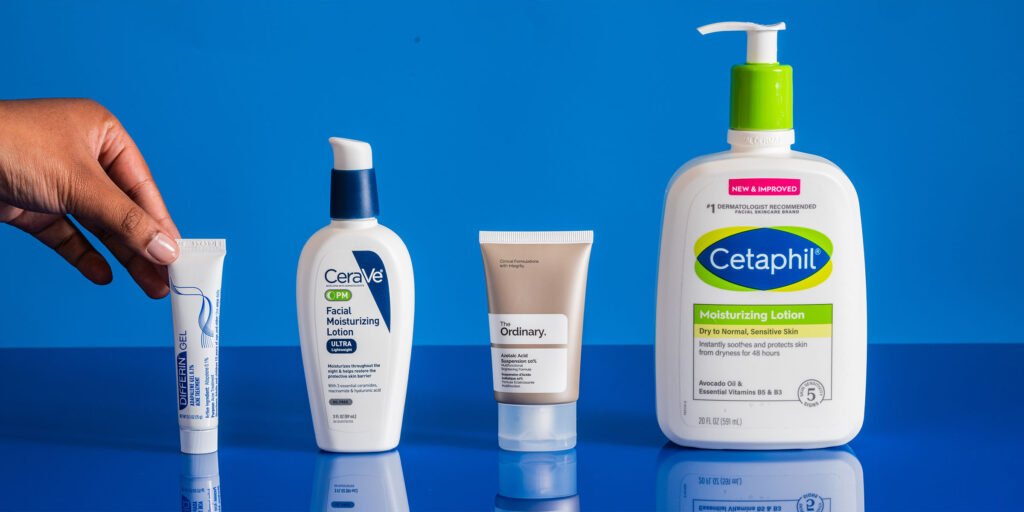
1. Cleansers
Cleansers are the foundation of any skincare routine, as they remove dirt, oil, and impurities from the skin’s surface. For acne-prone skin, it is essential to choose a cleanser that is gentle yet effective in targeting acne-causing bacteria. Here are some recommended cleansers for acne-prone skin:
1.1. Salicylic Acid Cleansers
Salicylic acid is a beta-hydroxy acid that works by exfoliating the skin and unclogging pores. Salicylic acid cleansers can help remove excess oil and dead skin cells, preventing them from building up and causing acne. Look for cleansers with a concentration of 1-2% salicylic acid for optimal results.
1.2. Benzoyl Peroxide Cleansers
Benzoyl peroxide is a powerful ingredient that kills acne-causing bacteria and reduces inflammation. Benzoyl peroxide cleansers are particularly effective for treating moderate to severe acne. However, they can be drying, so it is important to start with a lower concentration (2.5%) and gradually increase if necessary.
1.3. Tea Tree Oil Cleansers
Tea tree oil is a natural ingredient renowned for its antibacterial and anti-inflammatory properties. Tea tree oil cleansers can help reduce acne and soothe irritated skin. Look for cleansers that contain a concentration of 5% tea tree oil.
1.4. Natural Cleansers
If you prefer a more natural approach, there are several cleansers available that are formulated with natural ingredients like green tea, chamomile, and aloe vera. These cleansers can be gentle on the skin while still effectively cleansing and soothing acne-prone skin.
2. Toners
Toners are an important step in any skincare routine, as they help balance the skin’s pH level and remove any remaining impurities after cleansing. For acne-prone skin, look for toners that are gentle and non-irritating. Here are some recommended toners for acne-prone skin:
2.1. Witch Hazel Toners
Witch hazel is a natural astringent that can help tighten pores and reduce inflammation. Witch hazel toners are great for oily and acne-prone skin as they can help control excess oil production and prevent breakouts.
2.2. Rosewater Toners
Rosewater is known for its soothing and hydrating properties. Rosewater toners can help calm inflamed skin and provide a refreshing boost of hydration without clogging pores.
2.3. Aloe Vera Toners
Aloe vera is a natural ingredient with anti-inflammatory and healing properties. Aloe vera toners can help reduce redness, soothe irritated skin, and promote skin healing. They are particularly beneficial for those with sensitive or acne-prone skin.
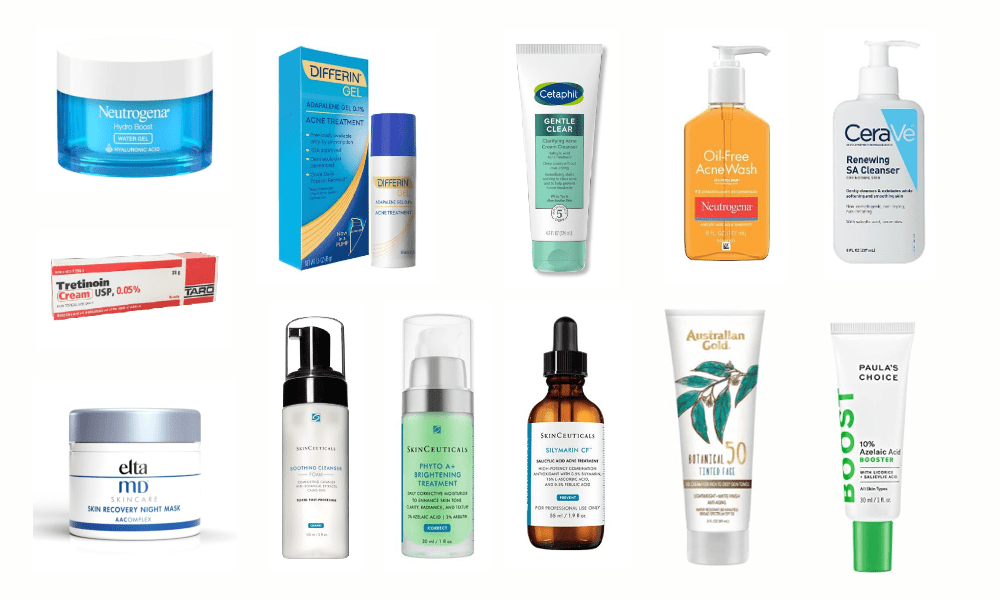
3. Serums
Serums are highly concentrated formulations that deliver active ingredients deep into the skin, targeting specific skincare concerns. When it comes to acne-prone skin, serums can be a game-changer. Here are some recommended serums for acne-prone skin:
3.1. Hyaluronic Acid Serums
Hyaluronic acid is a hydrating ingredient that can help plump the skin and improve its moisture retention. Despite having acne-prone skin, it is important to maintain proper hydration, as dry skin can lead to more oil production and potentially more breakouts. Hyaluronic acid serums can provide lightweight hydration without clogging pores.
3.2. Retinol Serums
Retinol is a derivative of vitamin A that is known for its anti-aging and acne-fighting properties. Retinol serums can help unclog pores, reduce inflammation, and promote skin cell turnover, resulting in smoother and clearer skin. Start with a low concentration (0.25-0.5%) and gradually increase as tolerated to avoid potential irritation.
3.3. Vitamin C Serums
Vitamin C is a powerful antioxidant that can help brighten the skin, fade acne scars, and protect against environmental damage. Vitamin C serums are particularly beneficial for acne-prone skin as they can help reduce redness and promote a more even skin tone.
4. Exfoliators
Exfoliators are essential for removing dead skin cells and unclogging pores, allowing other skincare products to penetrate more effectively. However, it is important to choose gentle exfoliators suitable for acne-prone skin. Here are some recommended exfoliators:
4.1. Chemical Exfoliators
Chemical exfoliators, such as alpha-hydroxy acids (AHAs) and beta-hydroxy acids (BHAs), work by breaking down the bonds between dead skin cells, resulting in smoother and clearer skin. AHAs like glycolic acid can help improve skin texture and appearance, while BHAs like salicylic acid can specifically target acne and clogged pores.
4.2. Physical Exfoliators
Physical exfoliators involve using a scrub or brush to physically remove dead skin cells. However, caution should be taken when choosing physical exfoliators for acne-prone skin, as aggressive scrubbing can potentially worsen inflammation and cause micro-tears in the skin. Look for gentle exfoliators with fine particles and use them sparingly.
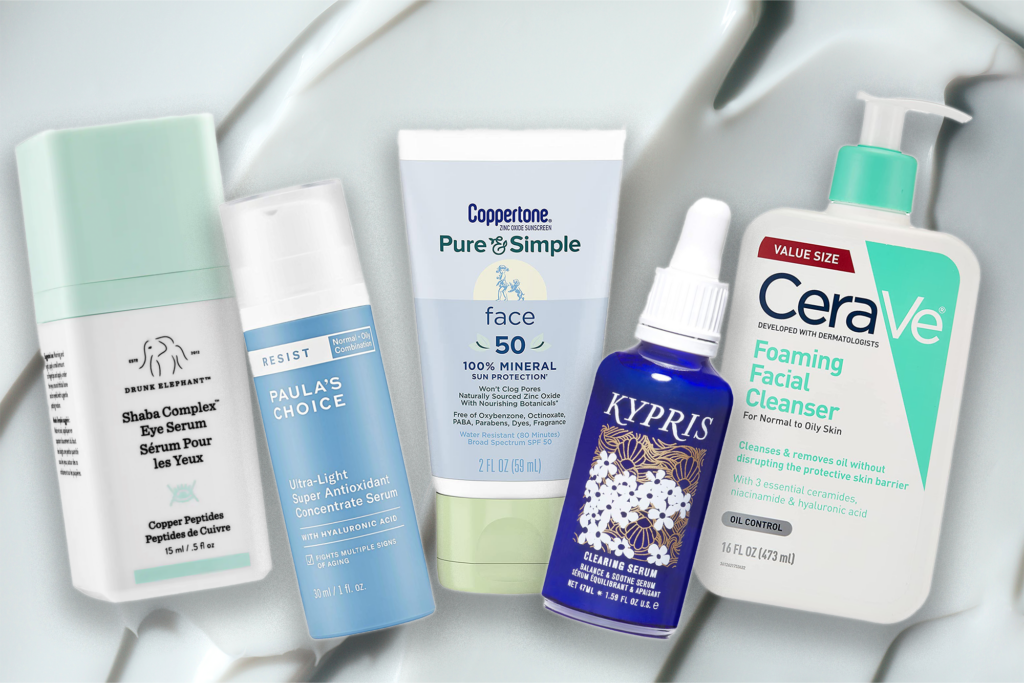
5. Spot Treatments
Spot treatments are targeted products that are applied directly to active breakouts to speed up the healing process and reduce inflammation. Here are some recommended spot treatments for acne-prone skin:
5.1. Benzoyl Peroxide Spot Treatments
Benzoyl peroxide spot treatments work by killing bacteria and reducing inflammation, helping to clear up active breakouts. Look for spot treatments with a concentration of 2.5-5% benzoyl peroxide and apply them only to the affected areas to avoid unnecessary dryness.
5.2. Salicylic Acid Spot Treatments
Salicylic acid spot treatments can help exfoliate the skin, unclog pores, and reduce redness and swelling associated with acne. They are particularly effective for treating whiteheads and blackheads. Apply salicylic acid spot treatments directly to the affected areas and leave them on overnight for best results.
5.3. Sulfur Spot Treatments
Sulfur is a natural ingredient that has antibacterial and anti-inflammatory properties. Sulfur spot treatments can help dry out active breakouts, reduce redness, and promote healing. They are especially beneficial for those with sensitive or acne-prone skin.
6. Moisturizers
Moisturizers are crucial for maintaining the skin’s hydration levels and preventing excessive dryness or oiliness. It is essential to choose moisturizers that are non-comedogenic (won’t clog pores) and lightweight. Here are some recommended moisturizers for acne-prone skin:
6.1. Oil-Free Moisturizers
Oil-free moisturizers are formulated without heavy oils that can potentially clog pores and cause breakouts. They provide lightweight hydration and can help regulate excess oil production.
6.2. Lightweight Moisturizers
Lightweight moisturizers are perfect for acne-prone skin as they provide essential hydration without feeling greasy or heavy on the skin. Look for gel or lotion-based moisturizers that absorb quickly and leave a matte finish.
6.3. Gel Moisturizers
Gel moisturizers are water-based and have a lightweight, cooling sensation upon application. They are ideal for oily and acne-prone skin as they provide an instant burst of hydration without clogging pores.
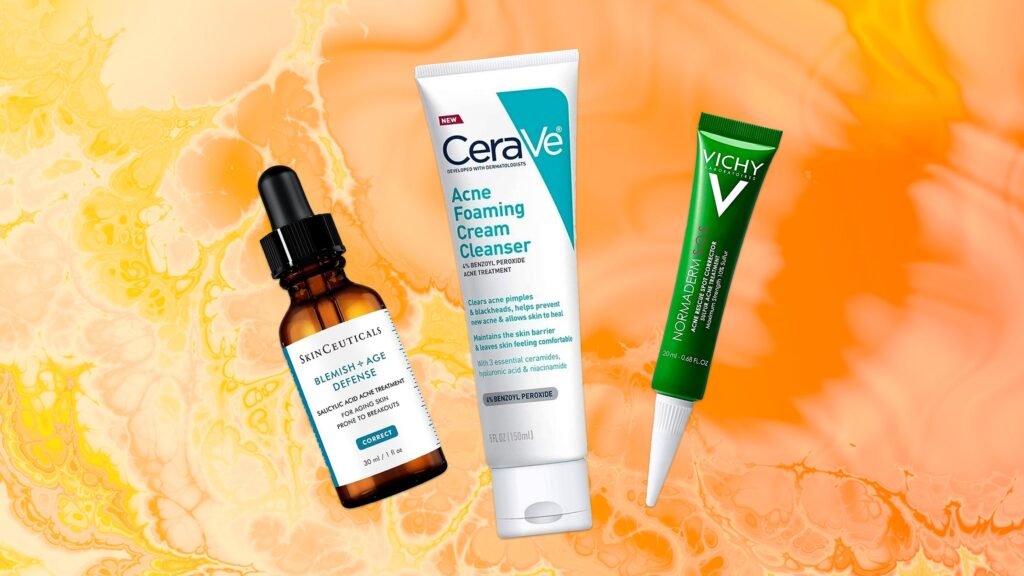
7. Face Masks
Face masks are a great way to pamper your skin and address specific skincare concerns. For acne-prone skin, there are several types of masks that can help purify the skin and reduce breakouts. Here are some recommended face masks for acne-prone skin:
7.1. Clay Masks
Clay masks, particularly those containing bentonite or kaolin clay, can help draw out impurities, absorb excess oil, and tighten pores. Clay masks are highly effective in controlling oiliness and preventing breakouts.
7.2. Charcoal Masks
Charcoal masks are known for their ability to detoxify and purify the skin. They can help remove dirt, oil, and toxins from the pores, resulting in a clearer and healthier complexion. Charcoal masks are especially beneficial for those with oily and acne-prone skin.
7.3. Sulfur Masks
Sulfur masks, like sulfur spot treatments, can help dry out active acne and reduce inflammation. They can also help regulate oil production and prevent future breakouts. Sulfur masks are best suited for those with sensitive or acne-prone skin.
8. Sunscreens
Sun protection is crucial for everyone, including those with acne-prone skin. Sun exposure can worsen acne and cause dark spots or hyperpigmentation. When choosing a sunscreen for acne-prone skin, it is important to look for the following:
8.1. Mineral Sunscreens
Mineral sunscreens, also known as physical sunscreens, contain ingredients like zinc oxide or titanium dioxide. These ingredients sit on top of the skin and reflect UV rays away, providing broad-spectrum protection without clogging pores. Mineral sunscreens are great for acne-prone skin as they are less likely to cause irritation.
8.2. Non-Comedogenic Sunscreens
Non-comedogenic sunscreens are specifically formulated to not clog pores. They are lightweight and easily absorbed, making them suitable for acne-prone skin. Look for oil-free or gel-based sunscreens that provide broad-spectrum protection against both UVA and UVB rays.

9. Makeup
When it comes to makeup for acne-prone skin, it is important to choose products that are non-comedogenic and won’t exacerbate breakouts. Here are some recommended makeup products for acne-prone skin:
9.1. Acne-Fighting Foundations
Acne-fighting foundations are formulated with ingredients that can help treat and prevent breakouts while providing coverage. Look for foundations that contain salicylic acid or benzoyl peroxide to target acne-causing bacteria and control excess oil production.
9.2. Non-Comedogenic Concealers
Non-comedogenic concealers are designed to cover imperfections without clogging pores. They are lightweight, blendable, and suitable for those with acne-prone skin. Look for concealers that are oil-free and won’t settle into fine lines or pores.
10. Skincare Ingredients to Avoid
While there are many beneficial skincare ingredients for acne-prone skin, there are also some ingredients that can potentially worsen acne or cause irritation. Here are some skincare ingredients to avoid:
10.1. Artificial Fragrances
Artificial fragrances can irritate and sensitizethe skin, leading to breakouts and allergic reactions. Opt for fragrance-free or products with natural fragrances if you have acne-prone skin.
10.2. Mineral Oil
Mineral oil is a heavy and occlusive ingredient that can potentially clog pores and cause breakouts. Avoid skincare products that contain mineral oil and opt for non-comedogenic alternatives.
10.3. Sodium Lauryl Sulfate
Sodium lauryl sulfate is a harsh detergent often found in cleansers and can strip the skin of its natural oils, leading to dryness and potentially more breakouts. Look for sulfate-free cleansers or those with milder surfactants.
In conclusion, when it comes to taking care of acne-prone skin, it is important to establish a comprehensive skincare routine that includes cleansing, toning, serum application, exfoliation, spot treatment, moisturizing, sun protection, and makeup choices. By choosing the right products and ingredients for your skin type, you can effectively manage and improve your acne-prone skin. Remember to consult with a dermatologist if you have severe or persistent acne to ensure you are using the most appropriate skincare products for your individual needs.