
You’re a true skincare enthusiast, and you know that while acne is a common enemy, it’s not a monolithic beast. Understanding the different types of acne is your first line of defense in the battle for clear skin. As the Listicle Content Architect, your mission is to distill this complex information into an easily digestible, actionable guide. This listicle is designed to empower you, giving you the knowledge to identify the specific culprits plaguing your complexion and the confidence to pursue the most effective solutions.
So, grab your magnifying mirror (or just a good light!), and let’s dive into the diverse world of acne.
This category represents the early stages of acne, where pores become clogged but haven’t yet succumbed to significant inflammation. Think of these as the preliminary skirmishes in the acne war. They are often less painful and red than their inflammatory counterparts, but they can still be a persistent source of frustration. Spotting these early can prevent them from escalating into more severe forms.
1.1. Blackheads: Open Sesame to the Oily Abyss
You’ve seen them, you’ve probably tried to squeeze them (we’re not judging, but let’s talk about better ways later). Blackheads, or open comedones, are essentially pores that have been plugged with sebum (your skin’s natural oil) and dead skin cells. The “black” appearance isn’t due to dirt, as many mistakenly believe. It’s the result of the plug’s contents oxidizing when exposed to air.
- What they look like: Small, dark or blackish bumps on the skin’s surface. They feel relatively flat or slightly raised.
- Where they commonly appear: Your nose, chin, and forehead are prime real estate for blackheads, often forming part of the infamous “T-zone.” However, they can pop up anywhere on your face, chest, back, and shoulders.
- Why they form: Excess sebum production, combined with dead skin cells, creates a perfect environment for a blockage. Hormonal fluctuations, certain cosmetics, and even friction can contribute.
- How to recognize them: The defining characteristic is that they are open at the surface. Unlike a pimple, you won’t see a white head forming. They are also generally painless unless they become irritated or infected. Looking closely, you might even see strands of sebum within the blackhead.
1.2. Whiteheads: The Sealed Secrets of Clogged Pores
Whiteheads, or closed comedones, are the fraternal twins of blackheads, but with a crucial difference: the pore remains sealed. This means the contents – sebum and dead skin cells – are trapped beneath the skin’s surface, creating a small, closed sac.
- What they look like: Small, white or flesh-colored bumps that appear on the skin. They are typically very small and can be difficult to see from a distance, but become noticeable under closer inspection.
- Where they commonly appear: Similar to blackheads, whiteheads favor the face, particularly the cheeks, forehead, and chin, but can also manifest on the neck, chest, and back.
- Why they form: Again, a combination of excess oil and dead skin cells initiates the clogging process. The pore opening then gets sealed, preventing oxidation and giving them their characteristic opaque appearance.
- How to recognize them: The key differentiator is the absence of an opening to the surface. They present as tiny, firm bumps that are often slightly raised. Unlike blackheads, they are not open to the air, so they don’t turn black. They are generally not painful unless you pick at them or they become inflamed. Their texture is usually smoother than a pustule.
2. Navigating Inflammatory Acne: The Red and Angry Adversaries
When non-inflammatory acne lesions become infected with bacteria (specifically, Cutibacterium acnes) or trigger a robust immune response, they transform into inflammatory acne. This is where things get red, swollen, and often, more tender. Your body is now actively fighting an internal battle, and the visible signs are undeniable.
2.1. Papules: The Early Warning Signs of Inflammation
Papules are essentially whiteheads and blackheads that have become inflamed. The body’s immune system has responded to the blockage and any invading bacteria, leading to redness and a palpable bump.
- What they look like: Small, red, and tender bumps on the skin. They are solid to the touch and do not have a visible pus-filled head at their center. You might feel them before you see them, especially if your skin is lighter.
- Where they commonly appear: Face, neck, chest, back, and shoulders are all susceptible to papule formation.
- Why they form: The pore becomes inflamed due to a bacterial presence and/or the body’s inflammatory response to the trapped sebum and dead skin cells. This leads to increased blood flow and swelling in the area.
- How to recognize them: The tell-tale signs are the redness and tenderness. They are raised, firm bumps that lack a visible white or yellow head. Unlike a blackhead, there’s no open pore, and unlike a pustule, there’s no pus. They are the precursors to more severe inflammatory lesions.
2.2. Pustules: The Capitulation to Pus Formation
Pustules are the next step up from papules. The inflammation has intensified, leading to the accumulation of pus at the center of the lesion. This is your body’s way of signaling that an infection is present and has been dealt with to some degree.
- What they look like: Red, inflamed bumps with a visible collection of pus at their tip, which appears as a white or yellowish head. They are often tender to the touch.
- Where they commonly appear: All the usual acne hotspots – face, neck, chest, back, and shoulders.
- Why they form: Bacteria (C. acnes) thrive in the clogged pore, leading to an immune response that generates pus. Pus is a collection of dead white blood cells, bacteria, and dead skin debris.
- How to recognize them: The defining feature is the distinct, pus-filled head. This head is typically white or yellowish and sits atop a red, inflamed base. They are usually larger and more noticeable than papules and can be quite painful. You might see a small, raised bump that gradually develops a visible white or yellow tip.
2.3. Nodules: The Deep, Painful Undergrounders
Now we’re entering the territory of more severe acne. Nodules are significantly larger, deeper, and more painful than papules and pustules. They form deep within the skin and can leave behind scars if not managed properly.
- What they look like: Large, solid, and often painful lumps that are felt beneath the skin’s surface. They are typically red or purplish and may not have a visible head.
- Where they commonly appear: Although they can appear anywhere, nodules are particularly common on the face (jawline, cheeks), chest, and back.
- Why they form: This occurs when the inflammation goes deeper into the dermis. The follicle wall ruptures deeper within the skin, leading to a more widespread inflammatory response and the formation of a hard, painful mass.
- How to recognize them: The key is their size, depth, and pain. They are not superficial blemishes; they are substantial lumps under the skin. You won’t see a distinct head on a nodule, but they are significantly more tender and can persist for weeks. They feel like hard, swollen lumps embedded in your skin.
2.4. Cysts: The Deepest, Most Aggressive Inflammatory Lesions
Cystic acne represents the most severe form of inflammatory acne. These are large, painful, pus-filled lesions that form deep within the skin. They are highly prone to causing scarring and require prompt, often professional, intervention.
- What they look like: Large, soft, and extremely painful lumps that are filled with pus. They can appear red or purplish and often feel like they are “under the skin.”
- Where they commonly appear: Frequently found along the jawline, chin, ears, and neck, but can also affect the chest and back.
- Why they form: Similar to nodules, cysts form when the follicle ruptures deep within the dermis. However, the inflammatory response is more pronounced, leading to the formation of a fluid-filled sac containing pus and inflammatory material.
- How to recognize them: The defining characteristic is their size, depth, extreme tenderness, and the presence of a soft, fluctuant mass under the skin. Unlike nodules, they can feel “squishy” due to the fluid content. They can be incredibly painful and take a long time to heal, often leaving behind atrophic or hypertrophic scars. You might feel a deep, throbbing ache in the area long before the cyst becomes visibly prominent.
3. Recognizing Acne’s Scarring Aftermath: The Lingering Reminders
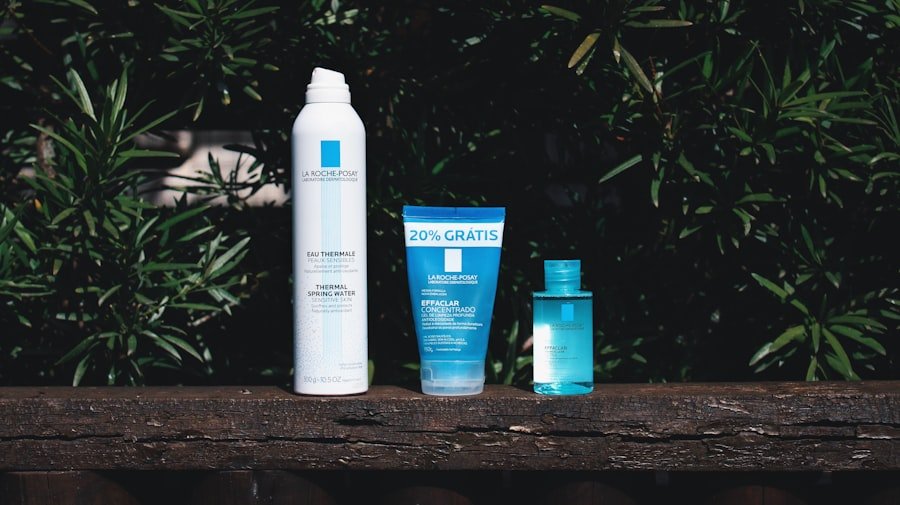
Once the active acne lesions have healed, they can sometimes leave behind marks that can be as bothersome as the acne itself. Understanding these post-inflammatory changes is crucial for managing your skin’s long-term appearance.
3.1. Post-Inflammatory Hyperpigmentation (PIH): The Darker Marks
PIH refers to dark spots or patches that appear on the skin after an inflammatory acne lesion has resolved. This is your skin’s attempt to heal, but in doing so, it can produce excess melanin in the affected area.
- What they look like: Brown, black, or purplish spots on the skin where acne used to be. They can vary in intensity depending on your skin tone; individuals with darker skin tones are more prone to PIH.
- Where they commonly appear: Any area where you’ve had significant inflammation from acne.
- Why they form: When inflammation occurs, skin cells release chemicals that stimulate melanocytes (pigment-producing cells) to produce more melanin. This excess melanin can linger long after the inflammation has subsided.
- How to recognize them: They are flat discolored areas. They are not raised or textured, and they are distinct from a scar, which involves a change in skin texture. You can often see them more clearly when your skin is pale or under certain lighting.
3.2. Post-Inflammatory Erythema (PIE): The Stubborn Redness
PIE refers to persistent red or pink marks on the skin after an inflammatory acne lesion has healed. This is a result of damage to small blood vessels in the dermis during the inflammatory process.
- What they look like: Red or pink patches on the skin where acne lesions have healed. For individuals with lighter skin tones, they appear distinctly red. For those with darker skin tones, they might appear as darker, purplish-red marks.
- Where they commonly appear: Similar to PIH, they can appear anywhere acne has been inflamed.
- Why they form: Inflammation can damage tiny capillaries in the skin, causing them to dilate and become more visible. This redness can persist for weeks or even months after the acne is gone.
- How to recognize them: These marks are flat and characterized by persistent redness. Unlike PIH, which is a darkening of the skin, PIE is a discoloration due to blood vessels. You might notice that the redness intensifies when the skin is warm or irritated. Pressing on the red mark might cause it to briefly turn white before returning to its red hue.
3.3. Acne Scars: The Textured Impressions of Past Battles
Acne scars are the most permanent reminders of severe or picked-at acne. They are changes in the skin’s texture that occur when the skin either loses tissue or produces too much tissue during the healing process.
- What they look like: Indentations (atrophic scars) or raised areas (hypertrophic or keloid scars) on the skin’s surface.
- Where they commonly appear: Face, chest, and back.
- Why they form: When acne lesions, especially nodules and cysts, cause significant inflammation and damage to the dermis, the skin’s natural healing process can be disrupted. This can lead to either a loss of collagen (causing indentations) or an overproduction of collagen (causing raised scars). Picking or squeezing active lesions significantly increases the risk of scarring.
- How to recognize them:
- Atrophic Scars: These are the most common types of acne scars. They are depressions or hollows in the skin.
- Icepick scars: Small, deep, narrow holes that look like they’ve been made by an ice pick.
- Boxcar scars: Wider, U-shaped depressions with sharply defined edges.
- Rolling scars: Broad depressions with sloping edges, giving the skin a wave-like appearance.
- Hypertrophic Scars and Keloids: These are raised scars where the skin has produced too much collagen during healing.
- Hypertrophic scars: Raised and firm, but remain within the boundaries of the original wound.
- Keloids: Larger, more raised scars that extend beyond the boundaries of the original wound. These are less common with acne than hypertrophic scars.
4. Hormonal Acne: The Monthly Menace
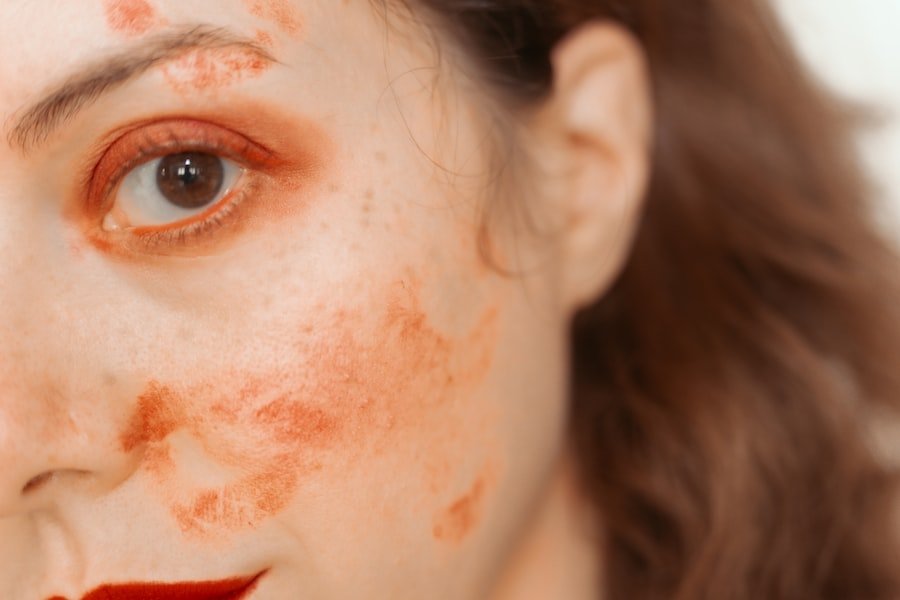
Hormonal acne is a specific type of acne that is directly influenced by fluctuations in hormones, particularly androgens like testosterone. It often follows a predictable pattern and has distinct characteristics.
- What it looks like: Typically manifests as inflammatory lesions such as papules, pustules, nodules, and cysts. It often appears along the jawline, chin, and neck.
- Where it commonly appears: Primarily on the lower face, jawline, chin, and neck area.
- Why it forms: Increased androgen levels stimulate the sebaceous glands to produce more oil, leading to clogged pores and inflammation. These hormonal shifts can occur during puberty, menstruation, pregnancy, menopause, or due to conditions like Polycystic Ovary Syndrome (PCOS).
- How to recognize it:
- Timing: It often flares up in the week leading up to your menstrual period or during other hormonal transitions.
- Location: The classic “U-zone” (jawline, chin, neck) is the hallmark.
- Type of Lesions: Tendency towards deeper, more painful cystic or nodular lesions rather than superficial whiteheads or blackheads.
- Persistence: It can be chronic and difficult to manage with topical treatments alone.
5. Fungal Acne: The Misunderstood Imposter
| Acne Type | Description | Recognizing Features |
|---|---|---|
| Whiteheads | Small, round, white bumps on the skin | Visible white or yellowish center |
| Blackheads | Small, dark bumps on the skin | Open pores with dark plugs |
| Papules | Small, red, tender bumps | No visible center, red and inflamed |
| Pustules | Red bumps with white pus at the top | Visible white or yellowish center with red base |
| Cysts | Painful, large, pus-filled lumps under the skin | Deep, inflamed, and often leave scars |
Despite its name, “fungal acne” isn’t technically acne at all. It’s a yeast infection of the hair follicles, known as Malassezia folliculitis. It often gets misdiagnosed as regular acne, leading to ineffective treatments.
- What it looks like: Small, uniform, red bumps that often appear closely clustered. They can sometimes be itchy and may have a tiny white head, but it’s usually not as prominent as with bacterial acne.
- Where it commonly appears: Forehead, chest, upper back, and neck are common sites.
- Why it forms: Malassezia yeast is a normal inhabitant of the skin, but under certain conditions (e.g., excessive sweating, humid environments, occlusive clothing, changes in skin pH, weakened immune system), it can overgrow and infect hair follicles.
- How to recognize it:
- Uniformity: The bumps are typically very similar in size and appearance, unlike the varied lesion types seen in bacterial acne.
- Itching: Itching is a common symptom, which is less common with bacterial acne.
- Location: Often appears in areas prone to sweating or friction.
- Lack of Response to Acne Treatments: If your acne isn’t improving with typical acne medications (like salicylic acid or benzoyl peroxide), it might be fungal. Antifungal treatments are usually required.
- Appearance of “Whiteheads”: While it can sometimes present with what looks like a small whitehead, it’s usually smaller and less distinct than a true pustule.
By carefully observing your skin and understanding these distinct types of acne, you’re equipping yourself with the knowledge to communicate effectively with dermatologists, choose the right skincare products, and ultimately, achieve a clearer, healthier complexion. Remember, the journey to understanding your skin is an ongoing one, and this listicle is just the starting point!
FAQs
What are the different types of acne?
There are several types of acne, including whiteheads, blackheads, papules, pustules, nodules, and cysts. Each type varies in severity and appearance.
How can I recognize the different types of acne?
Whiteheads appear as small, white bumps on the skin, while blackheads are similar in size but have a dark appearance. Papules are small, red bumps, while pustules are red bumps with pus at the top. Nodules are large, solid, painful lumps beneath the surface of the skin, and cysts are similar but filled with pus.
What causes acne to develop?
Acne develops when hair follicles become clogged with oil and dead skin cells. This can be exacerbated by hormonal changes, certain medications, and genetics.
How can I treat different types of acne?
Treatment for acne varies depending on the type and severity. Over-the-counter products containing benzoyl peroxide or salicylic acid can help with mild acne, while severe cases may require prescription medications or procedures such as laser therapy or chemical peels.
When should I see a dermatologist for acne?
If over-the-counter treatments are not effective, or if acne is severe and causing emotional distress or scarring, it is advisable to seek the advice of a dermatologist. They can provide personalized treatment options and help prevent long-term skin damage.