Apert Syndrome, also known as acrocephalosyndactyly, is a rare genetic disorder that affects the skull, face, hands, and feet. This article provides a comprehensive overview of the causes, symptoms, and treatment options for Apert Syndrome. By understanding this condition, you will gain insights into the challenges faced by individuals with Apert Syndrome and the available medical interventions to improve their quality of life. Whether you are a medical professional or simply curious about rare genetic disorders, this article will provide valuable information and spark your interest in learning more about Apert Syndrome.
Understanding Apert Syndrome
Apert Syndrome is a rare genetic disorder that affects the development of bones in the skull, face, hands, and feet. It is characterized by craniofacial abnormalities, hand and foot abnormalities, respiratory issues, vision and hearing problems, cognitive and developmental delays, and other associated symptoms. While this condition can present challenges, there are treatment options available to manage the symptoms and improve quality of life.

Causes
Apert Syndrome is primarily caused by a mutation in the FGFR2 gene, which affects the normal development of bones. This mutation is typically not inherited, but rather occurs spontaneously. However, in some cases, an affected individual may have inherited the gene mutation from one or both parents.
Symptoms
Craniofacial Abnormalities
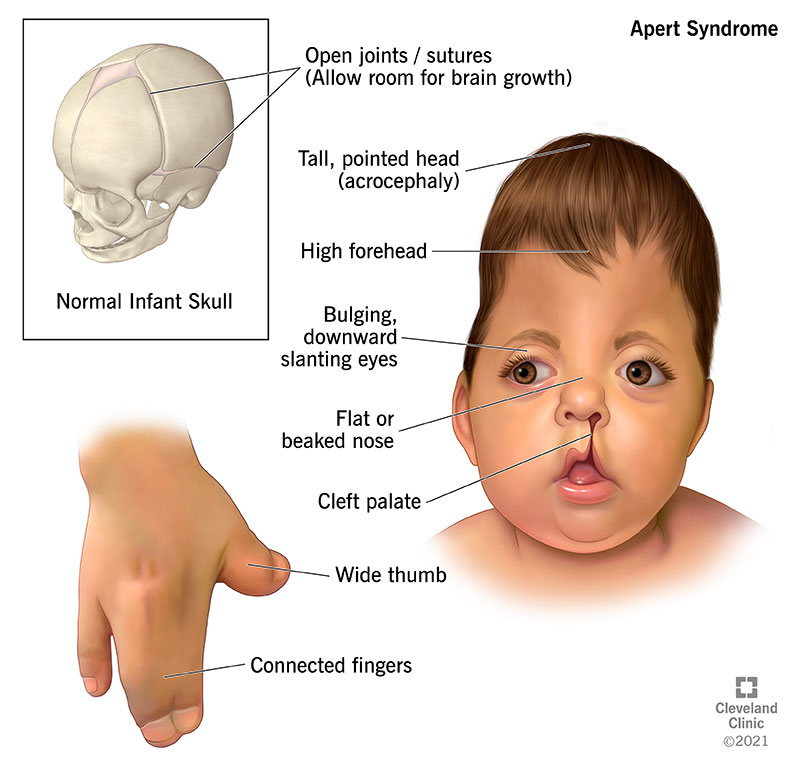
One of the most noticeable characteristics of Apert Syndrome is the presence of craniofacial abnormalities. These can include a condition called turribrachycephaly, which results in the skull appearing tall and narrow. Midface hypoplasia, where the middle part of the face is underdeveloped, is also common. Cleft palate, dental anomalies, and proptosis (bulging eyes) are other craniofacial features that may be present.
Hand and Foot Abnormalities
Apert Syndrome often leads to certain abnormalities in the hands and feet. Syndactyly, or fused fingers and toes, is a common characteristic. Polydactyly, where extra fingers or toes are present, can also occur. The hands may be clenched or have a condition called camptodactyly, where the fingers are permanently bent.
Respiratory Issues
Respiratory problems are another aspect of Apert Syndrome. Obstructive sleep apnea, a condition where breathing is interrupted during sleep, is a common concern. Additionally, choanal atresia, a blockage in the nasal passage, can cause difficulty breathing through the nose.
Vision and Hearing Problems
Apert Syndrome can impact both vision and hearing. Vision problems may include strabismus (misalignment of the eyes), refractive errors, and optic nerve malformation. Hearing loss can occur due to abnormalities in the ear structure and Eustachian tube dysfunction.
Cognitive and Developmental Delays
Individuals with Apert Syndrome may experience cognitive and developmental delays. These delays can affect various aspects of development, such as motor skills, speech and language, and overall intellectual abilities. Early intervention and therapies can help manage these delays and promote optimal development.
Other Associated Symptoms
Apert Syndrome can also be associated with other symptoms. These can include abnormalities of the spine, heart, kidneys, and gastrointestinal system. Additionally, individuals with Apert Syndrome may have a higher risk for certain types of cancer, such as brain tumors. Regular medical monitoring and management of associated conditions are important for overall health.

Treatment Options
While there is no cure for Apert Syndrome, there are treatment options available to manage the symptoms and improve quality of life. The specific treatment plan will depend on the individual’s unique needs and can involve a multidisciplinary approach.
Surgery
Surgical interventions are often necessary to address the craniofacial abnormalities associated with Apert Syndrome. These surgeries aim to reshape the skull, correct facial deformities, and improve functionality. Additionally, surgeries may be performed to separate fused fingers and toes, improve hand function, and address other associated abnormalities.
Orthodontic Treatment
Orthodontic treatment plays a crucial role in managing the dental anomalies often seen in individuals with Apert Syndrome. Orthodontists can address issues such as malocclusion, overcrowding, and misalignment of the teeth. Braces, expanders, and other orthodontic appliances may be used to improve the alignment and function of the teeth and jaw.
Speech and Language Therapy
Speech and language therapy is an essential part of treatment for individuals with Apert Syndrome who experience speech and language delays. Therapists work with individuals to improve their communication skills, articulation, and language development. This therapy can greatly enhance quality of life and social interactions.
Developmental Interventions
Early intervention and developmental therapies are important for individuals with Apert Syndrome to address cognitive and developmental delays. Physical therapy, occupational therapy, and educational interventions can help improve motor skills, cognitive abilities, and overall functional independence.
Monitoring and Management of Associated Conditions
Due to the potential for associated conditions in Apert Syndrome, regular medical monitoring and management are crucial. Specialists, such as cardiologists, nephrologists, and gastroenterologists, may be involved to ensure that any additional health concerns are addressed promptly.
Supportive Care
In addition to medical and therapeutic interventions, individuals with Apert Syndrome benefit from supportive care. This can include psychological support, counseling, and assistance with navigating daily challenges associated with the condition. Support groups and connection with other families affected by Apert Syndrome are also valuable resources.
In conclusion, Apert Syndrome is a rare genetic disorder with various symptoms and challenges. However, with a comprehensive treatment plan and a supportive network, individuals with Apert Syndrome can live fulfilling lives. Early intervention, specialized therapies, and surgical interventions can greatly improve quality of life and manage the associated symptoms. By understanding Apert Syndrome and raising awareness, we can support those affected and promote a more inclusive and compassionate society.
