Arrhythmia, a heart condition that affects millions around the world, can be a baffling and worrisome experience. The irregular heartbeat that characterizes this condition can lead to a range of symptoms, from palpitations to dizziness and even fainting. But fret not, for this article aims to shed light on the causes and treatments of arrhythmia, providing you with a better understanding of this condition and empowering you to make informed decisions about your heart health. So, sit back, relax, and let’s embark on a journey to unravel the mysteries of arrhythmia together.
Overview of Arrhythmia
Arrhythmia refers to an abnormal heart rhythm, where the heart beats too fast, too slow, or irregularly. It occurs when the electrical impulses that coordinate the heart’s contractions are disrupted. Arrhythmias can vary in severity and can be harmless or life-threatening. It is essential to understand the various aspects of arrhythmia, including its definition, types, prevalence, and symptoms, in order to recognize and manage this condition effectively.
Definition of Arrhythmia
Arrhythmia, also known as cardiac dysrhythmia, is a condition characterized by abnormal electrical activity in the heart. This disturbance causes the heart to beat irregularly, too fast (tachycardia), or too slow (bradycardia). These abnormal heart rhythms can disrupt the heart’s ability to pump blood efficiently, affecting its overall function. Arrhythmias can affect people of all ages, including both children and adults.
Types of Arrhythmia
There are various types of arrhythmias, each with its own specific characteristics. Some common types include:
- Atrial Fibrillation: This is the most common type of arrhythmia, where the upper chambers of the heart (atria) beat irregularly and fast.
- Ventricular Fibrillation: This is a life-threatening arrhythmia that occurs in the ventricles (lower chambers) of the heart, causing rapid and chaotic contractions.
- Supraventricular Tachycardia: This is a rapid heart rate originating above the ventricles.
- Bradycardia: This refers to a slow heart rate, usually less than 60 beats per minute.
- Premature Ventricular Contractions: These are extra heartbeats that start in the ventricles and disrupt the normal rhythm.
- Long QT Syndrome: This is a genetic disorder that affects the heart’s ability to recharge after each heartbeat, potentially leading to dangerous arrhythmias.
Prevalence of Arrhythmia
Arrhythmias are relatively common, affecting millions of people worldwide. The prevalence of arrhythmias increases with age, as the heart’s electrical system may become less efficient over time. Certain underlying conditions and lifestyle factors can also increase the risk of developing arrhythmia. It is important to note that while some arrhythmias may cause noticeable symptoms, others may be asymptomatic and require medical evaluation for diagnosis.
Symptoms of Arrhythmia
The symptoms of arrhythmia can vary depending on the type and severity of the condition. Some common symptoms include:
- Palpitations or a rapid heartbeat
- Fluttering or pounding sensations in the chest
- Shortness of breath
- Dizziness or lightheadedness
- Fainting or near-fainting episodes
- Chest pain or discomfort
- Fatigue or weakness
It is crucial not to ignore these symptoms, as they may indicate an underlying arrhythmia that requires prompt medical attention.
Causes of Arrhythmia
Arrhythmias can have various underlying causes. Understanding these causes is essential for effective management and treatment. Some common causes of arrhythmia include:
Heart Conditions
Various heart conditions can contribute to the development of arrhythmias. These include:
- Coronary artery disease: Narrowed arteries can restrict blood flow to the heart, leading to arrhythmias.
- Heart attack: A heart attack can damage the heart muscle and disrupt the electrical signals, causing arrhythmias.
- Heart valve problems: Malfunctioning heart valves can interfere with the heart’s electrical system.
- Heart failure: A weakened heart may struggle to maintain a regular rhythm.
- Congenital heart defects: Structural abnormalities present from birth can disrupt the heart’s electrical pathways.
Electrolyte Imbalance
Imbalances in essential minerals called electrolytes, such as potassium, calcium, and magnesium, can affect the heart’s electrical signals. These imbalances may be caused by certain medical conditions, medications, or dietary deficiencies.
Medications and Drugs
Certain medications, particularly those used to treat other heart conditions or high blood pressure, can increase the risk of arrhythmias. Illicit drugs, such as cocaine and amphetamines, can also disrupt the heart’s electrical system and trigger arrhythmias.
Stimulants and Stress
Excessive consumption of stimulants like caffeine or energy drinks can lead to arrhythmias, especially in susceptible individuals. Emotional or physical stress can also provoke arrhythmias in some cases.
Inherited Factors
Some arrhythmias have a genetic component and can be inherited from family members. These genetic conditions affect the heart’s electrical system, making individuals more susceptible to arrhythmias.
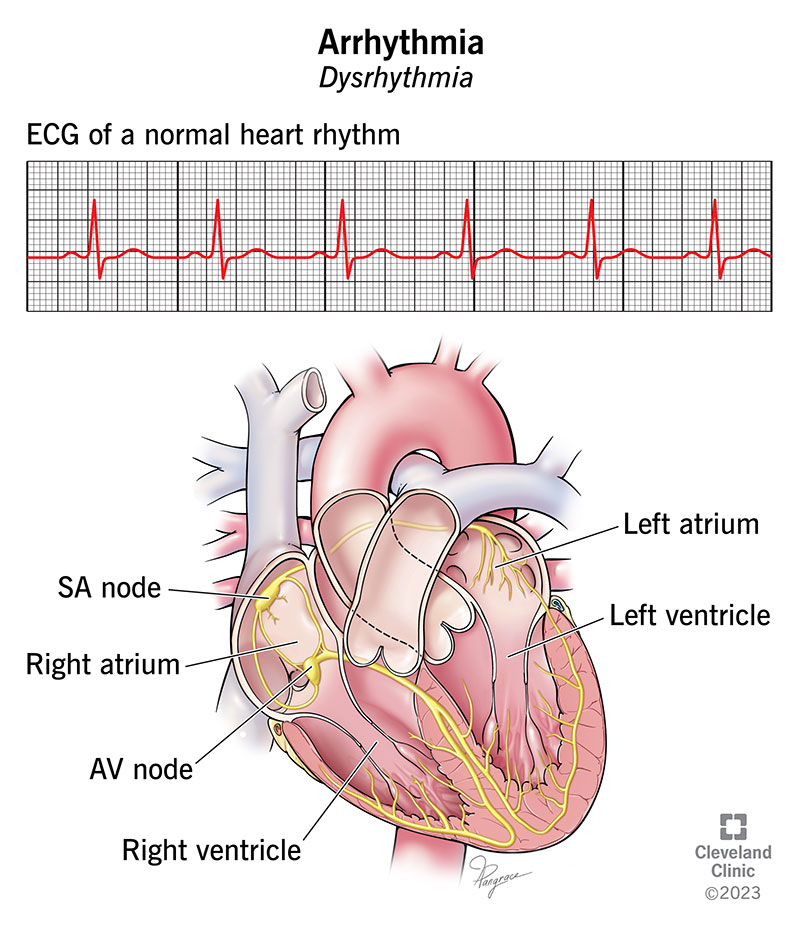
Diagnostic Procedures for Arrhythmia
To diagnose arrhythmia accurately and determine the most appropriate treatment approach, healthcare professionals may utilize several diagnostic procedures. These procedures help in capturing the heart’s electrical activity and identifying any abnormalities. Some common diagnostic procedures for arrhythmia include:
Electrocardiogram (ECG)
An electrocardiogram is a painless and non-invasive test that records the electrical activity of the heart. It involves placing electrodes on the skin, which capture the heart’s electrical signals and produce a visual representation known as an electrocardiogram. This test can help identify abnormal heart rhythms and provide essential information for diagnosis and treatment.
Holter Monitor
A Holter monitor is a portable device that records the heart’s electrical activity continuously for 24 to 48 hours or longer. It is worn by the patient during their daily activities, enabling healthcare professionals to evaluate the heart’s rhythm over an extended period. This test is particularly useful for detecting intermittent or sporadic arrhythmias.
Event Recorder
An event recorder is similar to a Holter monitor but is worn for a more extended period, typically up to 30 days. It is used to capture specific episodes of arrhythmias that may occur infrequently. When the patient experiences symptoms, they can trigger the recorder to capture the heart’s electrical activity during that time.
Stress Test
A stress test, also known as an exercise tolerance test, assesses how the heart performs during physical activity. During this test, the patient exercises on a treadmill or stationary bike while healthcare professionals monitor the heart’s response. This can help determine if arrhythmias occur during exertion and are exercise-induced.
Echocardiogram
An echocardiogram is a diagnostic test that uses ultrasound waves to create images of the heart’s structure and function. This test can identify any structural abnormalities, such as heart valve problems or congenital defects, that may contribute to arrhythmias.
Electrophysiology Study (EPS)
An electrophysiology study is an invasive test that involves inserting small, flexible wires with electrodes into a blood vessel, usually in the groin area. These wires are threaded up to the heart, allowing healthcare professionals to study the heart’s electrical system and pinpoint the source of the arrhythmia. This test is typically performed in cases where other diagnostic tests have not provided conclusive results.
Complications of Arrhythmia
If left untreated or poorly managed, arrhythmias can lead to several complications that can have a significant impact on a person’s health. It is crucial to understand these potential complications to emphasize the importance of proper diagnosis and treatment.
Stroke
Certain arrhythmias, particularly atrial fibrillation, can increase the risk of blood clots forming in the heart. These clots can then travel to the brain, leading to a stroke. Strokes can cause significant disabilities or be fatal, making it essential to manage arrhythmias that carry this risk effectively.
Heart Failure
Arrhythmias that constantly disrupt the heart’s rhythm can weaken the heart muscle over time. This can lead to heart failure, a condition where the heart is unable to pump enough blood to meet the body’s needs. Heart failure can cause symptoms such as fatigue, shortness of breath, and fluid retention.
Cardiac Arrest
In severe cases, certain arrhythmias, such as ventricular fibrillation, can cause the heart to stop pumping effectively. This can lead to cardiac arrest – a life-threatening emergency that requires immediate intervention, such as cardiopulmonary resuscitation (CPR) and defibrillation.

Treatment Options for Arrhythmia
The treatment approach for arrhythmias depends on various factors, including the type and severity of the arrhythmia, underlying causes, and individual patient characteristics. Healthcare professionals will develop a personalized treatment plan aimed at managing symptoms, reducing complications, and improving quality of life. Some common treatment options for arrhythmia include:
Lifestyle Changes
Making certain lifestyle modifications can be beneficial in managing arrhythmias. These may include:
- Quitting smoking: Smoking is known to increase the risk of heart disease and can worsen arrhythmias. Quitting smoking can have a significant positive impact on heart health.
- Limiting caffeine and alcohol intake: Reducing the consumption of stimulants like coffee and alcoholic beverages can help prevent arrhythmia triggers.
- Managing stress: Finding effective stress management techniques, such as relaxation exercises or meditation, can help reduce episodes of arrhythmias.
- Maintaining a healthy weight: Achieving and maintaining a healthy weight can improve overall heart health and decrease the risk of arrhythmias.
Medications
Certain medications can help regulate the heart’s rhythm and manage arrhythmias. These may include:
- Antiarrhythmic drugs: These medications are used specifically to treat arrhythmias by suppressing irregular heart rhythms.
- Blood thinners: For individuals with arrhythmias that carry a higher risk of blood clot formation, anticoagulant medications may be prescribed to reduce the risk of stroke.
Cardioversion
Cardioversion is a procedure where an electric shock is delivered to the heart to restore a normal rhythm. This can be done using external paddles or through an implanted device called an implantable cardioverter-defibrillator (ICD).
Catheter Ablation
Catheter ablation is a minimally invasive procedure where a thin, flexible tube (catheter) is inserted into a blood vessel and guided to the area of the heart causing the arrhythmia. The tip of the catheter is heated or cooled to destroy the abnormal tissue that is causing the irregular rhythm.
Pacemaker Implantation
A pacemaker is a small device that is surgically implanted under the skin, usually near the collarbone. It sends electrical impulses to the heart to regulate its rhythm. Pacemakers are often used for individuals with bradycardia or other slow heart rhythms.
Implantable Cardioverter Defibrillator (ICD)
An implantable cardioverter-defibrillator (ICD) is a device similar to a pacemaker but with additional capabilities. It continuously monitors the heart’s rhythm and delivers an electric shock if a life-threatening arrhythmia, such as ventricular fibrillation, is detected.
Managing Modified Arrhythmia
For individuals with arrhythmias, managing the condition effectively is crucial to prevent complications and improve overall well-being. Here are some strategies for managing arrhythmias:
Prevention Strategies
- Avoiding known triggers: Identifying and avoiding triggers that provoke arrhythmias, such as certain foods or substances, can help prevent episodes.
- Following a healthy lifestyle: Maintaining a healthy diet, exercising regularly, getting enough sleep, and managing stress can all contribute to better heart health and arrhythmia management.
- Tracking symptoms: Keeping a record of symptoms, triggers, and potential patterns can help both individuals and healthcare professionals understand the arrhythmia better and make appropriate treatment adjustments.
Regular Medical Follow-up
Regular medical follow-up is essential for individuals with arrhythmias. This allows healthcare professionals to monitor the condition, assess treatment efficacy, and make any necessary modifications. It also provides an opportunity to address any concerns or questions the individual may have.
Self-Care Measures
In addition to medical treatment, self-care measures play an important role in managing arrhythmias. These may include:
- Taking medications as prescribed: Adhering to prescribed medications and following the recommended dosage and schedule is key to ensuring their effectiveness.
- Avoiding excessive alcohol and caffeine: Limiting alcohol and caffeine intake can help minimize arrhythmia triggers.
- Managing stress: Incorporating stress management techniques into daily routines, such as deep breathing exercises or engaging in hobbies, can help reduce stress-related arrhythmias.

Prevention of Arrhythmia
While some risk factors for arrhythmias, such as age or family history, cannot be changed, certain preventive measures can help reduce the risk or severity of arrhythmias. Here are some strategies for prevention:
Maintaining a Healthy Lifestyle
Adopting and maintaining a healthy lifestyle can significantly reduce the risk of developing arrhythmias. This includes:
- Eating a balanced diet rich in fruits, vegetables, whole grains, lean proteins, and healthy fats.
- Engaging in regular physical exercise, as recommended by healthcare professionals.
- Avoiding or quitting smoking.
- Limiting alcohol consumption to moderate levels.
Avoiding Triggers
Identifying and avoiding triggers that can provoke arrhythmias is important for prevention. Some common triggers include excessive stress, certain medications, illicit drugs, and excessive consumption of caffeine or alcohol. Recognizing and minimizing exposure to these triggers can help reduce the risk of arrhythmias.
Managing Stress
Chronic or excessive stress can contribute to the development of arrhythmias. Implementing stress management techniques, such as relaxation exercises, mindfulness, or engaging in enjoyable activities, can help reduce stress levels and minimize the risk of arrhythmias.
Regular Exercise
Regular physical exercise plays a crucial role in maintaining overall heart health. Engaging in moderate-intensity aerobic exercise, such as brisk walking, jogging, or cycling, for at least 150 minutes per week can improve heart function and reduce the risk of arrhythmias. However, it is important to consult with a healthcare professional before starting or modifying any exercise program.
Proper Medication Use
If prescribed medications for other underlying health conditions, it is important to take them as directed and inform healthcare professionals about any potential interactions or side effects. Adhering to medication schedules and dosage recommendations can help reduce the risk of arrhythmias caused by medication-related factors.
Support for Individuals with Arrhythmia
Living with arrhythmia can be challenging both physically and emotionally. Fortunately, there are various sources of support available that can help individuals cope with the condition and improve their quality of life. Some avenues of support include:
Patient Education
Understanding the condition and its management is crucial for individuals with arrhythmias. Patient education resources, provided by healthcare professionals or reputable organizations, can help individuals learn about their condition, treatment options, lifestyle modifications, and self-care practices. This knowledge empowers individuals to actively participate in their own care and make informed decisions.
Support Groups
Joining a support group for individuals with arrhythmias can provide a sense of community and understanding. Through support groups, individuals can share their experiences, concerns, and coping strategies with people going through similar challenges. Support groups can be both in-person or online, allowing for increased accessibility and convenience.
Counseling and Therapy
Arrhythmias can have a significant impact on mental health and well-being. Seeking counseling or therapy can provide individuals with a safe space to express their feelings, manage anxiety or depression related to their condition, and develop effective coping mechanisms. Mental health professionals can provide guidance and support tailored to the unique challenges faced by individuals with arrhythmias.

Research and Advancements in Arrhythmia
Ongoing research and advancements in the field of arrhythmia continue to improve our understanding, diagnosis, and treatment of this condition. Here are some important areas of research and emerging developments:
Current Studies and Discoveries
Research is being conducted to better understand the underlying mechanisms of arrhythmias, identify genetic markers, and develop more targeted treatment approaches. Studies are also exploring the role of lifestyle modifications, such as diet and exercise, in managing arrhythmias. Advances in wearable technology and remote monitoring systems are also being explored to improve the detection and management of arrhythmias.
Emerging Treatments
Researchers are investigating new treatment approaches, including novel antiarrhythmic medications, gene therapy, and regenerative medicine techniques using stem cells. These advancements may offer more effective and personalized treatment options for individuals with arrhythmias, particularly those who do not respond well to traditional therapies.
Technological Innovations
Technological advancements continue to enhance the field of arrhythmia management. Improved diagnostic tools, such as miniature implantable monitors and smartphone-based electrocardiogram apps, are making it easier to capture and analyze heart rhythm data. Wearable devices, like smartwatches, are also evolving to provide continuous monitoring and detection of arrhythmias, allowing for early intervention and timely medical attention.
Conclusion
Arrhythmia is a complex and potentially serious condition that can disrupt the heart’s normal rhythm. Understanding the types, causes, symptoms, and diagnostic procedures for arrhythmia is crucial for accurate diagnosis and effective treatment. Through various treatment options, lifestyle modifications, and preventive measures, individuals with arrhythmias can manage their condition and reduce the risk of complications. Support from healthcare professionals, patient education resources, and support groups can provide valuable guidance and emotional support. Ongoing research and technological advancements continue to drive innovations in arrhythmia management, offering hope for improved outcomes and quality of life for individuals living with this condition.
