
You’ve probably heard about cancer before, but do you really understand what it is? In this article, we’ll explore the causes, symptoms, and treatment options for cancer, demystifying this disease that affects millions of people worldwide. From understanding the potential triggers that can lead to cancer to recognizing the warning signs and learning about the innovative therapies available, this comprehensive guide will provide you with valuable insights into cancer and how it can be tackled. So, let’s embark on a journey of knowledge and empowerment, as we shed light on the complexities of cancer and equip ourselves with essential information to combat it. Cancer is a complex disease that affects millions of people worldwide. Understanding the causes, symptoms, and treatment options for cancer is crucial in order to prevent, detect, and effectively manage this devastating condition. In this comprehensive article, we will explore the various aspects of cancer, from its underlying causes to the advancements in research and treatment options available today.

Causes of Cancer
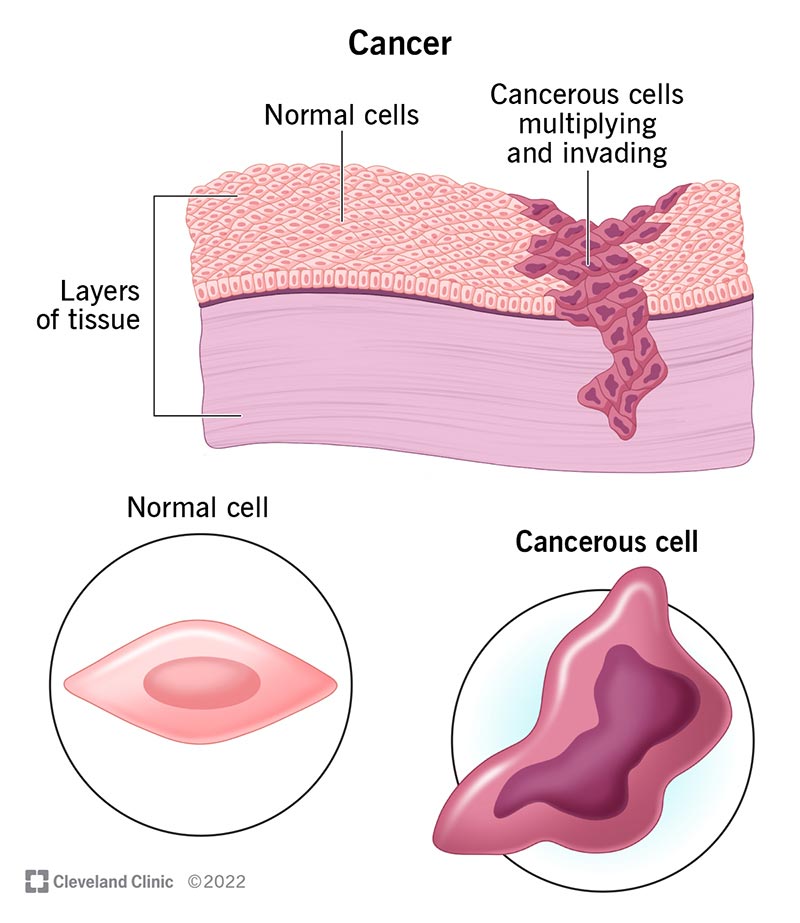
Cancer can be attributed to various factors, with genetic mutations being a prominent cause. These mutations can occur spontaneously or be inherited from parents, increasing the risk of developing certain types of cancer. Additionally, exposure to harmful substances such as chemicals, asbestos, and certain pesticides can also contribute to the development of cancer.
Radiation exposure, whether from natural sources like the sun or due to medical procedures like radiation therapy, can damage DNA and trigger the growth of cancer cells. Family history plays a role as well, as individuals with close relatives who have had cancer may be more likely to develop the disease themselves.
Age is another significant factor, as cancer becomes more prevalent with age. As the body ages, DNA damage accumulates and the immune system may become less efficient at detecting and eliminating cancer cells. Weakened immune systems, either due to certain medical conditions or as a result of medical treatments like organ transplants, can also increase the risk of developing cancer.
Hormonal imbalances can also play a role in the development of cancer. Certain hormones, such as estrogen and testosterone, can contribute to the growth of cancer cells in the breast, prostate, and other hormone-responsive tissues. Obesity has been linked to an increased risk of developing many types of cancer, including breast, colorectal, and pancreatic cancer.
Unhealthy lifestyle choices like tobacco use and excessive alcohol consumption can greatly increase the risk of developing several types of cancer. Smoking tobacco is a leading cause of lung cancer, while alcohol consumption has been associated with an increased risk of cancers of the mouth, throat, liver, and breast.
Signs and Symptoms of Cancer
Recognizing the signs and symptoms of cancer is crucial for early detection and prompt medical attention. Unexplained weight loss, fatigue, and persistent pain are common symptoms that may indicate the presence of cancer. Skin changes, such as new moles or changes in the appearance of existing moles, can be signs of skin cancer. Changes in bowel or bladder habits, like blood in the stool or frequent urination, should also be taken seriously.
Persistent cough or hoarseness can be indicative of lung or throat cancer, while difficulty swallowing may be a symptom of esophageal cancer. Sores that do not heal, lumps or thickening in various parts of the body, and persistent indigestion or trouble eating should also be evaluated by a healthcare professional.
Regular self-examination and reporting any changes or concerns to a doctor can contribute to early diagnosis and improved outcomes for those affected by cancer.
Diagnosis of Cancer
The diagnosis of cancer typically involves a series of evaluations and tests to determine the presence and extent of the disease. A physical examination by a healthcare professional is often the first step, during which the doctor may palpate areas of concern or examine specific bodily functions.
A thorough medical history is also taken, including any relevant family history of cancer or exposure to risk factors. Medical imaging tests, such as X-rays, CT scans, or MRIs, may be used to visualize the affected area and identify any abnormalities.
A biopsy is often necessary to definitively diagnose cancer. This involves the removal of a small sample of tissue for examination under a microscope. Blood tests may also be performed to evaluate certain markers that can indicate the presence of cancer.
In some cases, genetic testing may be recommended to identify inherited genetic mutations that increase the risk of certain types of cancer. Endoscopy, which involves the insertion of a flexible tube with a camera into the body, can allow for visualization and biopsy of internal organs.
Cytology, the examination of cells under a microscope, and molecular testing, which looks for specific changes in DNA or RNA, can provide further insight into the type and stage of cancer. Staging, or the process of determining the extent of cancer spread, is crucial in guiding treatment decisions and predicting outcomes.
Types of Cancer
Cancer can affect various parts of the body and is classified based on the tissues or organs where it originates. Breast cancer is one of the most common types of cancer, with women being more susceptible to developing it. Lung cancer, associated primarily with smoking, is one of the leading causes of cancer-related deaths worldwide.
Colorectal cancer affects the colon and rectum and is often preventable with regular screenings. Prostate cancer is specific to men and affects the male reproductive system. Skin cancer is a common form of cancer, with exposure to the sun being a primary risk factor.
Bladder cancer affects the lining of the bladder and is often detected in its early stages due to noticeable symptoms like blood in the urine. Lymphoma and leukemia are cancers that affect the blood and bone marrow. Ovarian cancer specifically affects the ovaries in women, while pancreatic cancer is known for its aggressive nature and high mortality rate.
Understanding the different types of cancer can help individuals recognize the specific risks, symptoms, and treatment options associated with each.

Stages of Cancer
The stage of cancer refers to the extent of its spread and helps determine the appropriate treatment approach. Stage 0, known as carcinoma in situ, refers to abnormal cells that have not invaded surrounding tissues. Stage I indicates a small cancerous tumor that has not spread to nearby lymph nodes or other organs.
Stage II signifies a larger tumor with limited spread to nearby tissues or lymph nodes. Stage III implies further progression of the tumor, with more extensive spread to nearby lymph nodes or tissues. Stage IV, also known as metastatic cancer, signifies that the cancer has spread to distant organs or lymph nodes.
Recurrent cancer refers to the return of cancer after a period of remission. Understanding the stage of cancer is crucial in determining the appropriate treatment options and predicting outcomes.
Treatment Options for Cancer
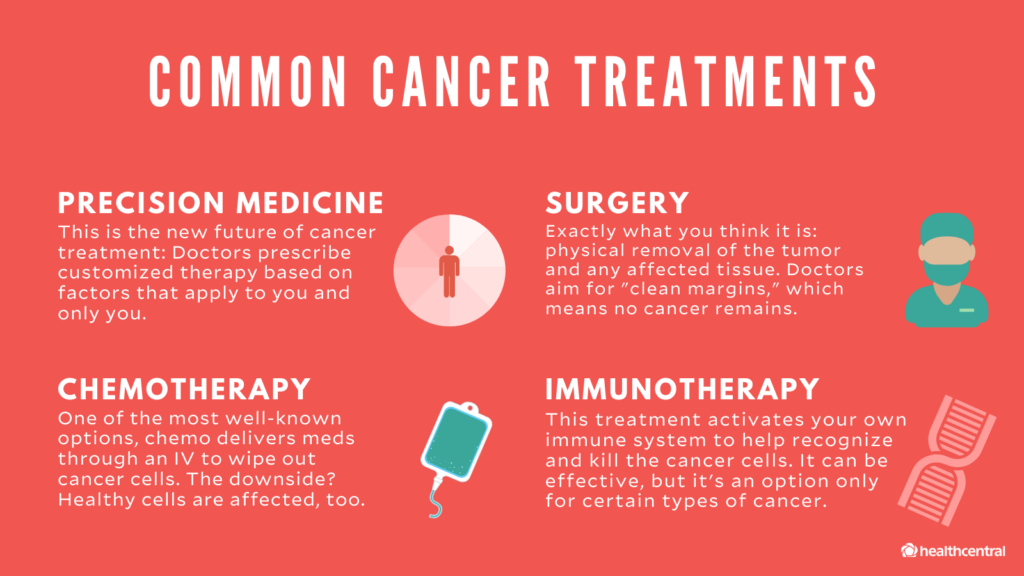
Over the years, significant advancements have been made in the treatment of cancer, providing patients with a range of options depending on the type and stage of cancer. Surgery is often used to remove cancerous tumors or affected tissues, either alone or in combination with other treatments.
Chemotherapy, the use of potent drugs to kill cancer cells, is a common treatment option that can target cancer cells throughout the body. Radiation therapy involves the use of high-energy X-rays or other forms of radiation to kill cancer cells or prevent their growth.
Immunotherapy is a revolutionary treatment that harnesses the power of the immune system to fight cancer. This approach stimulates the body’s own immune response to specifically target and destroy cancer cells. Targeted therapy is another treatment option that focuses on specific genetic mutations or proteins to inhibit the growth of cancer cells.
Hormone therapy may be used to block or suppress certain hormones that contribute to the growth of hormone-responsive cancers. Stem cell transplants are utilized in some cases to replace diseased bone marrow or stem cells with healthy ones. Precision medicine, also known as personalized medicine, tailors treatment options based on an individual’s genetic makeup and the specific characteristics of their cancer.
Alternative and complementary therapies, such as acupuncture, massage therapy, and herbal remedies, can provide additional support and symptom management during cancer treatment. Clinical trials offer opportunities for patients to participate in innovative research studies and potentially access emerging therapies.
Side Effects of Cancer Treatment
While cancer treatments aim to target and eliminate cancer cells, they can also have side effects that impact the patient’s well-being. Fatigue, often described as extreme tiredness, is a common side effect experienced by many cancer patients undergoing treatment. Nausea and vomiting can occur as a result of chemotherapy or radiation therapy.
Hair loss is a well-known side effect of many cancer treatments, as these therapies can damage hair follicles. Pain, both during and after treatment, can be managed through medication and other pain management strategies.
Gastrointestinal side effects like diarrhea or constipation can occur due to the impact of treatment on the digestive system. Anemia, characterized by low red blood cell counts, can lead to fatigue, dizziness, and weakness.
Infections, both mild and severe, can result from a weakened immune system during cancer treatment. Skin changes, such as dryness, itching, or sensitivity, may also occur. Mouth sores can develop as a result of chemotherapy or radiation therapy, making it difficult to eat or drink.
Neuropathy, or nerve damage, is another potential side effect that can cause numbness, tingling, or pain in the hands and feet. Symptom management and supportive care are crucial in reducing the impact of these side effects on the patient’s quality of life.
Cancer Prevention
While not all cases of cancer can be prevented, there are several strategies that individuals can adopt to reduce their risk. Quitting smoking or avoiding tobacco use altogether is one of the most impactful ways to prevent various types of cancer, particularly lung cancer.
Limiting alcohol consumption and adhering to recommended guidelines can also reduce the risk of certain cancers, such as those of the mouth, throat, liver, and breast. Eating a healthy diet that includes plenty of fruits, vegetables, whole grains, and lean proteins can support overall health and reduce the risk of developing certain cancers.
Staying physically active is important, as regular exercise can help maintain a healthy weight and reduce the risk of cancer. Protecting oneself from the sun by using sunscreen, wearing protective clothing, and avoiding peak sun exposure hours can greatly reduce the risk of skin cancer.
Vaccinations are available for certain types of cancer, such as hepatitis B (which can cause liver cancer) and the human papillomavirus (which can cause cervical and other cancers). Practicing safe sex and using barrier methods of contraception can also reduce the risk of certain cancers.
Avoiding exposure to harmful substances, such as chemicals or toxic fumes, in the workplace or environment is important. Regular screenings, such as mammograms, colonoscopies, and Pap smears, are crucial for early detection and intervention.
Lastly, knowing your family history and discussing it with your healthcare provider can help identify potential genetic risks and guide appropriate preventive measures.

Supportive Care for Cancer Patients
Cancer treatments can be physically and emotionally challenging, and supportive care is essential to address the various needs of cancer patients. Palliative care, which focuses on providing relief from symptoms and improving quality of life, is often incorporated alongside curative treatments. Pain management is an important aspect of supportive care, ensuring that patients can maintain comfort and functionality.
Emotional support in the form of counseling or therapy can help patients and their loved ones cope with the psychological and emotional impact of a cancer diagnosis. Nutritional support, such as working with a dietician or nutritionist, can address specific dietary needs and challenges during treatment.
Cancer rehabilitation, including physical and occupational therapy, can assist in rebuilding strength, range of motion, and functionality following cancer treatment. Holistic therapies, such as mindfulness practices, meditation, and yoga, can provide additional support for managing stress and promoting overall well-being.
Support groups offer individuals the opportunity to connect with others who are going through similar experiences, providing a sense of community and understanding. Financial assistance programs and resources can help alleviate some of the financial burdens associated with cancer treatment.
Caregivers also require support throughout the cancer journey, and caregiver support services can provide education, resources, and emotional support to those who are caring for a loved one with cancer. Finally, survivorship programs address the unique needs of cancer survivors, including surveillance, follow-up care, and support related to the long-term effects of cancer treatment.
Advancements in Cancer Research
Significant advancements in cancer research have paved the way for improved understanding and treatment of the disease. Immunotherapy breakthroughs, which harness the power of the immune system to fight cancer cells, have revolutionized cancer treatment and have shown promising results in various types of cancer.
Precision medicine, or personalized medicine, tailors treatment approaches based on an individual’s genetic makeup and the specific characteristics of their cancer. CAR-T cell therapy, a form of immunotherapy, involves modifying a patient’s own immune cells to specifically target and destroy cancer cells. Liquid biopsies, non-invasive tests that detect genetic material or other molecules released by cancer cells into the blood, offer a less invasive method of monitoring cancer progression and treatment response.
Gene editing technologies, such as CRISPR-Cas9, hold potential for targeted modifications of cancer-related genes. Nanotechnology has also emerged as a promising tool in cancer research, allowing for targeted drug delivery and improved imaging techniques.
Artificial intelligence (AI) has found applications in cancer research and treatment, aiding in image analysis, predicting treatment outcomes, and assisting in the discovery of new drugs. Cancer vaccines, currently being researched, aim to train the immune system to recognize and destroy cancer cells.
Targeted drug delivery systems, utilizing nanoparticles or other carriers, show promise in enhancing the effectiveness and reducing the side effects of cancer treatments. Tumor-agnostic treatments are a recent development that seeks to target cancer cells based on specific genetic mutations or biomarkers, regardless of the cancer type.
These advancements highlight the continuous progress being made in cancer research, offering hope for improved outcomes and quality of life for individuals living with cancer.
In conclusion, cancer is a multifaceted disease that requires a comprehensive understanding in order to effectively prevent, detect, and treat. By recognizing the various causes, understanding the signs and symptoms, and staying informed about the latest treatment options, individuals can actively take steps to reduce their risk and seek timely medical attention when needed. Advances in cancer research continue to drive progress in the field, offering hope for improved outcomes and quality of life for those affected by this pervasive disease. Remember, knowledge is power, and being aware of cancer-related information can empower individuals to make informed decisions and advocate for their health.