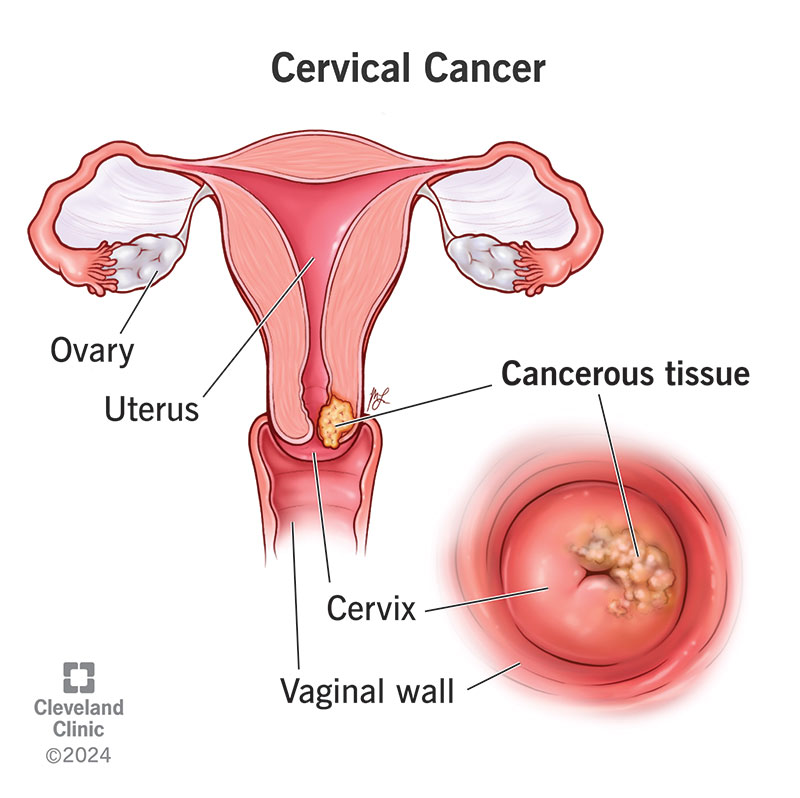
Have you ever wondered about cervical cancer and what causes it? In this article, we will take a closer look at this prevalent form of cancer that affects the cervix, exploring the various causes, symptoms, and preventive measures that can help protect you. From understanding the risk factors to recognizing the early warning signs, this comprehensive guide aims to provide you with valuable insights into cervical cancer and empower you to take control of your health. So, let’s dive in and gain a deeper understanding of this important topic.

Causes of Cervical Cancer
Cervical cancer is primarily caused by the human papillomavirus (HPV) infection. HPV is a sexually transmitted infection that affects the cells of the cervix. It is the most common cause of cervical cancer, and certain high-risk types of HPV are known to increase the risk of developing the disease.
Smoking is another significant risk factor for cervical cancer. Chemicals in tobacco smoke can damage the DNA of cervical cells, increasing the risk of mutations and the development of cancerous cells.
A weakened immune system can also contribute to the development of cervical cancer. Conditions such as HIV/AIDS or the use of immunosuppressant medications can make it harder for the body to fight off HPV infections and prevent the progression to cancer.
Long-term use of oral contraceptives, especially those containing high levels of estrogen, has been associated with an increased risk of cervical cancer. The exact mechanism behind this link is not yet fully understood, but studies suggest that long-term exposure to estrogen may play a role in the development of cancerous changes in the cervix.
Multiple full-term pregnancies can also increase the risk of cervical cancer. The hormones produced during pregnancy may make cervical cells more susceptible to HPV infection and the development of cancerous changes.
Family history of cervical cancer can be a contributing factor as well. If a close relative, such as a mother or sister, has had cervical cancer, your own risk of developing the disease may be higher.
Certain sexual and reproductive factors, such as early sexual activity, having multiple sexual partners, and giving birth at a young age, have also been associated with an increased risk of cervical cancer. These factors can increase the likelihood of exposure to HPV and the subsequent development of the disease.
Poor socioeconomic status can also impact the risk of cervical cancer. Limited access to healthcare, education, and preventive measures, as well as unhealthy living conditions, can all contribute to a higher incidence of cervical cancer in certain populations.
Infections, such as chlamydia, have been linked to an increased risk of cervical cancer. Chlamydia can cause inflammation and damage to the cervix, making it more susceptible to HPV infection and the development of cancerous changes.
Lastly, a poor diet lacking in fruits and vegetables may increase the risk of cervical cancer. Nutrient deficiencies can weaken the immune system and leave the body less able to fight off HPV infections.
Symptoms of Cervical Cancer
The early stages of cervical cancer often do not produce noticeable symptoms. However, as the disease progresses, certain symptoms may occur:
Abnormal vaginal bleeding, including bleeding between periods, after sexual intercourse, or after menopause, is one of the most common symptoms of cervical cancer. It may manifest as heavy, prolonged, or irregular bleeding.
Pain during sexual intercourse, known as dyspareunia, can also be a symptom of cervical cancer. The presence of cancerous cells in the cervix may cause discomfort or pain during sexual activity.
Vaginal discharge that is unusual in quantity, consistency, or odor can be a sign of cervical cancer. The discharge may be watery, bloody, or have a foul smell.
Pelvic pain is another symptom that can occur in advanced stages of cervical cancer. The pain may be ongoing or intermittent and can be accompanied by back pain or leg pain.
Fatigue or a general feeling of being unwell can be a symptom of many medical conditions, including cervical cancer. The cancer can cause anemia or a general loss of energy, leading to fatigue.
Unexplained weight loss may occur in some cases of cervical cancer. When cancer spreads or reaches an advanced stage, it can affect metabolism and lead to unintended weight loss.
Lower back pain can be a symptom of advanced cervical cancer. If the cancer spreads to the lymph nodes or other areas of the body, it may cause discomfort or pain in the lower back region.
Leg pain or swelling can occur if the cancer has spread to the lymph nodes or other areas, causing pressure on nerves or blood vessels.
Urinary symptoms, such as frequent urination, blood in the urine, or urinary incontinence, can be a manifestation of advanced cervical cancer. The cancer may press on the bladder or ureters, causing these symptoms.
Bone fractures, particularly in the hips or spine, can be a symptom of advanced cervical cancer. The cancer may weaken the bones, making them more susceptible to fracture.
It is important to note that these symptoms can be caused by various conditions, and experiencing one or more of them does not necessarily mean you have cervical cancer. However, if you are experiencing any of these symptoms, it is essential to consult a healthcare professional for further evaluation.
Prevention of Cervical Cancer
Cervical cancer is a highly preventable disease, and there are several measures you can take to reduce your risk:
Vaccination against HPV is one of the most effective ways to prevent cervical cancer. HPV vaccines protect against the most common types of HPV that cause cervical cancer. It is recommended to get vaccinated before becoming sexually active, as the vaccine is most effective when given before exposure to HPV.
Regular Pap smears and HPV tests are essential for early detection of abnormal cell changes in the cervix. Pap smears involve collecting cells from the cervix for laboratory examination, while HPV tests check for the presence of high-risk HPV infections. These screenings can identify precancerous changes or early-stage cancer, allowing for prompt treatment and better outcomes.
Practicing safe sexual practices can help reduce the risk of cervical cancer. Using barrier methods such as condoms can help prevent the transmission of HPV and other sexually transmitted infections.
Cessation of smoking is crucial for many reasons, including reducing the risk of cervical cancer. Quitting smoking not only lowers the risk of developing the disease but also improves overall health and reduces the risk of many other types of cancer.
Maintaining a healthy immune system is essential in preventing cervical cancer. This can be achieved through a balanced diet, regular exercise, adequate sleep, stress management, and avoiding immune-suppressing behaviors.
Limiting the number of sexual partners can significantly reduce the risk of HPV infection and the development of cervical cancer. Engaging in monogamous relationships or practicing mutual fidelity can lower the likelihood of exposure to high-risk HPV infections.
Delaying the initiation of sexual intercourse until a later age can also decrease the risk of HPV infection. The younger a person is when they start having sex, the higher their chances of encountering HPV.
Practicing safe sex, in addition to using barrier methods, involves discussing sexual health with partners, getting tested for STIs regularly, and being proactive in preventing the spread of infections.
Proper use of condoms is essential for protection against sexually transmitted infections, including HPV. Using condoms consistently and correctly can reduce the risk of HPV infection.
Education and awareness regarding cervical cancer and its prevention are crucial. Understanding the risk factors, symptoms, and preventive measures can empower individuals to take control of their health and make informed decisions.
Risk Factors for Cervical Cancer
Several risk factors can increase the likelihood of developing cervical cancer:
HPV infection is the primary risk factor for cervical cancer. Certain types of HPV, particularly high-risk strains, can cause changes in cervical cells that can lead to cancer.
Smoking tobacco significantly increases the risk of cervical cancer. The harmful chemicals in tobacco can damage the DNA of cervical cells and interfere with the body’s ability to fight HPV infections.
A weakened immune system can make it harder for the body to clear HPV infections and prevent the development of cervical cancer. Conditions such as HIV/AIDS or the use of immunosuppressant medications can contribute to a weakened immune system.
Long-term use of oral contraceptives, especially those containing high levels of estrogen, has been associated with an increased risk of cervical cancer. The exact mechanism behind this link is not yet fully understood, but hormonal exposure may influence the development of cancerous changes in the cervix.
Women who have had multiple full-term pregnancies may have a higher risk of cervical cancer. The hormonal changes that occur during pregnancy can make cervical cells more susceptible to HPV infection and the development of abnormalities.
A family history of cervical cancer can increase the risk of developing the disease. If a close relative, such as a mother or sister, has had cervical cancer, the chances of developing it may be higher.
Socioeconomic factors can also affect the risk of cervical cancer. Poorer access to healthcare, limited education, lower socioeconomic status, and unhealthy living conditions can all contribute to a higher incidence of cervical cancer.
Infections, such as chlamydia, can increase the risk of cervical cancer. Chlamydia can cause inflammation and damage to the cervix, making it more susceptible to HPV infection and the subsequent development of cancerous changes.
A poor diet lacking in fruits and vegetables can increase the risk of cervical cancer. Nutrient deficiencies can weaken the immune system and make it harder for the body to fight off HPV infections.
Age is also a significant risk factor for cervical cancer. The disease most commonly affects women between the ages of 30 and 50, with the highest incidence occurring in women over 40.

Types of HPV that Cause Cervical Cancer
Certain types of HPV are considered high-risk and have a higher association with cervical cancer. The following HPV types are known to cause most cases of cervical cancer:
HPV 16 is the most common high-risk type and is responsible for approximately 50% of all cervical cancer cases.
HPV 18 is the second most common high-risk type and is responsible for around 20% of all cervical cancer cases.
HPV 31, HPV 33, HPV 35, HPV 45, HPV 52, and HPV 58 are other high-risk HPV types that contribute to cervical cancer.
HPV 59 is also associated with cervical cancer but is less common compared to the other high-risk types.
These high-risk HPV types can infect the cells of the cervix, leading to abnormal changes that can progress to cervical cancer if left untreated.
Early Detection and Screening
Early detection of cervical cancer is vital to ensure timely treatment and a better chance of recovery. The following screening methods are commonly used:
Pap smears, also known as Pap tests, are a primary screening tool for cervical cancer. During this test, a healthcare professional collects a sample of cells from the cervix and examines them under a microscope for any abnormalities.
HPV tests can be performed in addition to or instead of Pap smears. These tests check for the presence of high-risk HPV infections in cervical cells.
If abnormal changes are detected during a Pap smear or HPV test, further diagnostic procedures may be required:
Colposcopy involves using a special instrument called a colposcope to examine the cervix more closely. This procedure allows the healthcare professional to identify any areas of abnormality and may involve taking biopsies for further analysis.
Biopsy is the removal of a small sample of tissue for laboratory evaluation. It is the most accurate method for confirming the presence of cervical cancer.
Endocervical curettage is a procedure in which a small spoon-shaped instrument called a curette is used to scrape cells from the endocervical canal. This procedure helps determine if abnormal cells extend into the canal.
Cone biopsy, also known as conization, is a surgical procedure in which a cone-shaped section of abnormal cervical tissue is removed. This procedure allows for a more extensive examination of the tissue and can help determine the stage of cervical cancer.
These screening and diagnostic procedures are essential in identifying precancerous changes or early-stage cancer, allowing for early intervention and better treatment outcomes.

Stages of Cervical Cancer
Cervical cancer is staged based on the extent of the disease. The stages of cervical cancer include:
Stage 0, also known as carcinoma in situ, refers to the presence of abnormal cells on the surface of the cervix. At this stage, the abnormal cells have not invaded deeper into the cervix or nearby tissues.
Stage I indicates that the cancer is confined to the cervix and has not spread to surrounding tissues or organs.
Stage II signifies that the cancer has spread beyond the cervix to nearby tissues, such as the upper vagina, but has not reached the pelvic wall or caused kidney or bladder blockage.
Stage III indicates that the cancer has spread to the lower third of the vagina, the pelvic wall, or has caused kidney or bladder blockage.
Stage IV is the most advanced stage of cervical cancer. At this stage, the cancer has spread to distant organs, such as the lungs, liver, or bones.
The staging of cervical cancer helps determine the appropriate treatment options and prognosis for individuals diagnosed with the disease.
Treatment Options for Cervical Cancer
The treatment of cervical cancer depends on several factors, such as the stage of the cancer, overall health, and individual preferences. The following treatment options may be used alone or in combination:
Surgery is a common treatment option for cervical cancer. Depending on the stage of the cancer, surgical procedures may involve removing the cancerous cells, the cervix, part of the vagina, or nearby lymph nodes.
Radiation therapy uses high-energy X-rays or other forms of radiation to kill cancer cells. It can be used externally or internally (brachytherapy) to target the cancer cells in the cervix.
Chemotherapy involves the use of drugs to kill cancer cells. It may be used alone or in combination with other treatment modalities, such as surgery or radiation therapy.
Targeted therapy uses drugs or other substances that specifically target cancer cells, minimizing damage to healthy cells. These therapies work by interfering with specific molecules or pathways involved in the growth and spread of cancer cells.
Immunotherapy aims to stimulate the body’s immune system to recognize and destroy cancer cells. It can enhance the body’s natural defenses against cancer and improve treatment outcomes.
Clinical trials may be an option for some individuals. These studies evaluate new treatments or treatment combinations to determine their safety and effectiveness.
Palliative care focuses on providing relief from symptoms and improving the quality of life for individuals with advanced or incurable cervical cancer. It focuses on addressing physical, emotional, and spiritual needs.
The choice of treatment will depend on the specific circumstances of each individual, and a multidisciplinary approach involving healthcare professionals from different specialties is often utilized to develop a personalized treatment plan.

Emotional and Psychological Impact of Cervical Cancer
Receiving a diagnosis of cervical cancer can be emotionally challenging and may have a significant impact on mental well-being. The following are some common emotional and psychological experiences that individuals with cervical cancer may face:
Fear and anxiety are common emotional responses to a cancer diagnosis. Fear of the unknown, fear of treatment side effects, and fear of the future can contribute to a heightened sense of anxiety.
Depression can occur as a result of the emotional and physical toll of cervical cancer. Feelings of sadness, hopelessness, and a loss of interest in activities once enjoyed may indicate depression.
Body image and self-esteem issues may arise due to the physical changes associated with cervical cancer, such as surgical scars, hair loss, weight changes, or changes in sexual function. These changes can impact self-confidence and body image perception.
Relationship challenges are common when dealing with a cancer diagnosis, as it can strain relationships with partners, family, and friends. Communication breakdowns, emotional distance, or changes in roles and responsibilities are some of the challenges couples and families may face.
Building a support network and developing coping strategies are crucial in managing the emotional and psychological impact of cervical cancer. Seeking support from loved ones, joining support groups, and engaging in activities that provide emotional solace can help mitigate the challenges associated with the disease.
Seeking professional help is an important step if the emotional or psychological impact of cervical cancer becomes overwhelming. Mental health professionals, such as psychologists or therapists, can provide guidance, support, and coping strategies to navigate the emotional challenges of living with cervical cancer.
Cervical Cancer in Developing Countries
Cervical cancer is a significant public health issue in many developing countries, largely due to a lack of access to healthcare services, limited awareness and education, inadequate screening and treatment facilities, cultural and social factors, and the need for global support and intervention.
In many developing countries, access to healthcare services, including preventive care and early detection programs, is limited. This can result in delayed or missed diagnoses, leading to the detection of cervical cancer at advanced stages when treatment options may be limited.
Limited awareness and education about cervical cancer contribute to its high incidence in developing countries. Lack of knowledge about risk factors, symptoms, and prevention methods can hinder early detection and timely treatment.
Inadequate screening and treatment facilities in developing countries pose a significant challenge in the prevention and management of cervical cancer. Limited resources, infrastructure, and trained healthcare professionals make it difficult to provide comprehensive screening programs and access to appropriate treatment modalities.
Cultural and social factors can also influence the prevalence of cervical cancer in developing countries. Stigma, taboos, and misconceptions surrounding cervical cancer and sexual health can prevent women from seeking care or participating in screening programs.
Addressing the challenges of cervical cancer in developing countries requires global support and intervention. Collaborative efforts between international organizations, governments, healthcare providers, and the local community are essential in implementing effective prevention strategies, improving access to healthcare services, raising awareness, and providing education.
By working together to address the barriers and challenges specific to each country or region, it is possible to reduce the burden of cervical cancer in developing countries and improve the overall health outcomes of affected populations.