
Dengue Hemorrhagic Fever, commonly known as DHF, is a severe form of dengue infection that poses a serious threat to public health in many countries. With its rapid spread and potentially fatal consequences, finding effective treatments for DHF has become crucial. In this article, we will explore the latest advancements and promising approaches in combating DHF, offering hope to those affected by this debilitating disease.
Understanding Dengue Hemorrhagic Fever
Dengue Hemorrhagic Fever (DHF) is a severe form of dengue fever that can cause life-threatening complications. It is caused by the dengue virus, which is primarily transmitted through the bite of infected Aedes mosquitoes. DHF is characterized by high fever, bleeding, and organ failure. Understanding the different aspects of DHF, such as its definition, modes of transmission, and symptoms, is crucial for effective management and prevention.
Definition of DHF
DHF is a viral infection caused by any of the four dengue virus serotypes (DENV-1, DENV-2, DENV-3, and DENV-4). It is characterized by the activation of the immune system and abnormal blood clotting, leading to hemorrhagic manifestations. DHF is often accompanied by plasma leakage, which can result in organ failure and shock. It is important to distinguish DHF from dengue fever, as the management strategies may differ.
Modes of Transmission
The primary mode of transmission for DHF is the bite of infected Aedes mosquitoes, particularly Aedes aegypti. These mosquitoes usually breed in stagnant water sources, such as containers, flower pots, and discarded tires. When a mosquito bites a person infected with the dengue virus, it becomes a carrier and can transmit the virus to other individuals. It is worth noting that DHF is not directly transmitted from person to person.
Symptoms of DHF
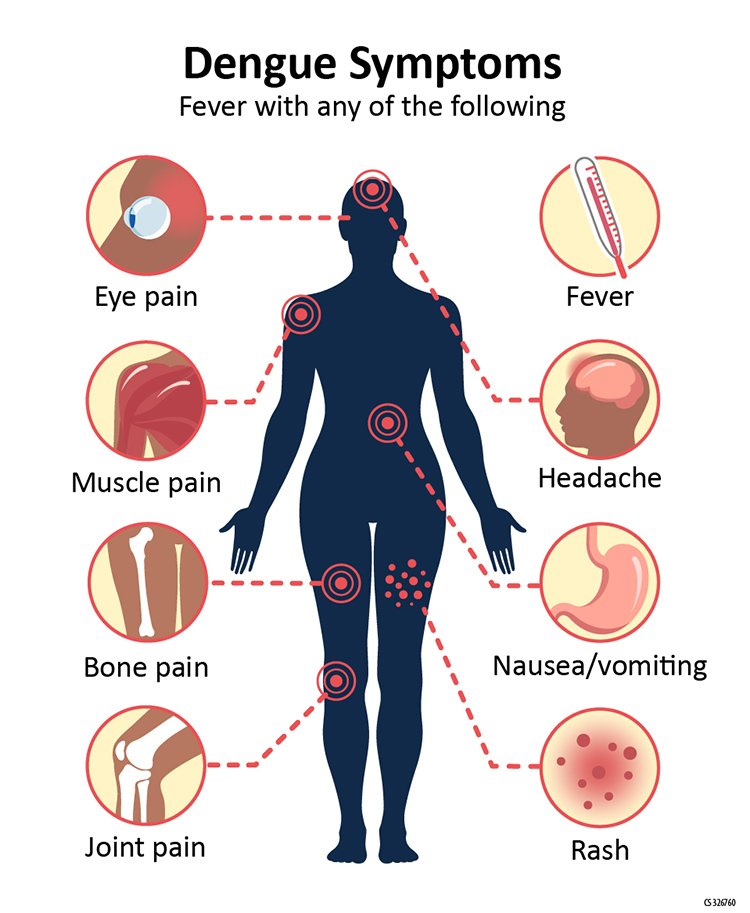
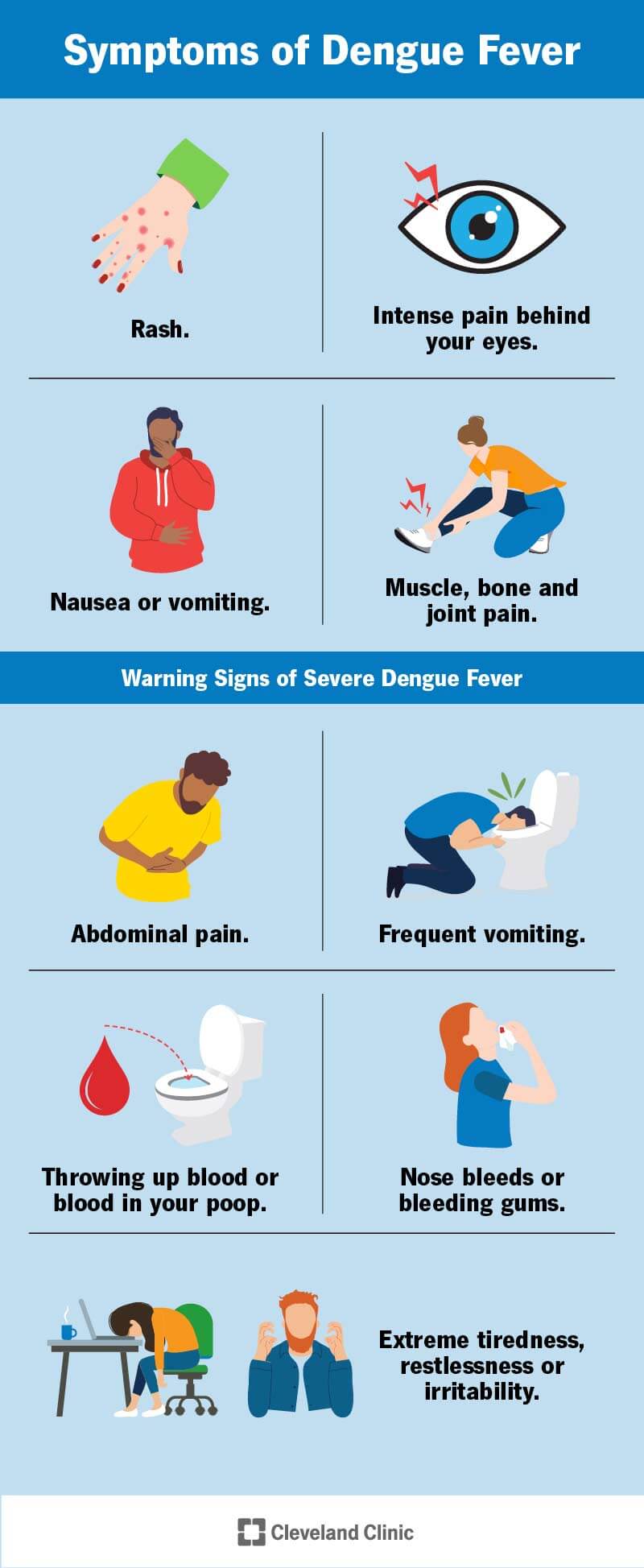
The symptoms of DHF can vary in severity and may develop over several days. The initial stage is characterized by sudden onset of high fever, severe headache, and joint and muscle pain. Other common symptoms include nausea, vomiting, rash, and abdominal pain. As the infection progresses, symptoms may worsen and lead to complications such as bleeding, organ damage, and shock. It is vital to seek medical attention immediately if you experience these symptoms, as early diagnosis and treatment can significantly improve the outcome.
Diagnosing Dengue Hemorrhagic Fever
Prompt and accurate diagnosis of DHF is crucial for appropriate management. Healthcare professionals employ various methods to diagnose DHF, including clinical assessment and laboratory tests.
Clinical assessment
During a clinical assessment, healthcare professionals evaluate your symptoms, medical history, and perform a physical examination. They may pay specific attention to signs of bleeding, such as petechiae (small red or purple spots on the skin) and mucosal bleed. Additionally, they may observe for other symptoms associated with DHF, such as a decrease in platelet count and signs of plasma leakage.
Laboratory tests
Laboratory tests play a vital role in the diagnosis of DHF. Blood tests, such as the complete blood count (CBC) and a platelet count, are commonly performed. A decrease in platelet count and an increase in hematocrit levels are often observed in DHF. Other tests, such as the dengue NS1 antigen test and the reverse transcription-polymerase chain reaction (RT-PCR) test, can detect the presence of the dengue virus in the blood.

Immediate Care for Dengue Hemorrhagic Fever
When diagnosed with DHF, immediate care and management are essential to prevent complications and promote recovery. The two main aspects of immediate care for DHF include fluid replacement therapy and pain and fever management.
Fluid replacement therapy
DHF often results in plasma leakage, leading to fluid loss and dehydration. Fluid replacement therapy aims to restore the lost fluids and maintain adequate hydration. It is typically administered intravenously, ensuring a faster absorption and distribution of fluids throughout the body. This therapy helps to prevent shock and organ failure, promoting a quicker recovery.
Pain and fever management
Managing pain and fever symptoms is an integral part of DHF care. Over-the-counter pain relievers, such as acetaminophen (paracetamol), are commonly used to alleviate headache, joint pain, and fever. Nonsteroidal anti-inflammatory drugs (NSAIDs) should be avoided, as they can increase the risk of bleeding. Health professionals will prescribe appropriate medications and monitor their use to ensure safety and effectiveness.
Antiviral Medications for Dengue Hemorrhagic Fever
Currently, no specific antiviral medications are available to treat DHF. Supportive care and symptomatic treatment are the primary approaches in managing the infection. However, research is ongoing to explore the effectiveness of antiviral drugs in treating DHF.
Effectiveness of antivirals
Antiviral medications are designed to inhibit the viral replication process and reduce the severity of the infection. While there are no conclusive findings yet regarding the effectiveness of antivirals specifically for DHF, some studies have shown promising results in reducing the viral load and improving clinical outcomes. Further research is needed to establish their role in DHF management.
Commonly prescribed antiviral drugs
In the event antiviral therapy is deemed necessary, healthcare professionals may consider using drugs such as ribavirin or interferons. These medications have antiviral properties and may have potential benefits in treating DHF. However, it is important to note that their use is typically limited to severe cases or under specific circumstances determined by the healthcare provider.
Preventing Complications of Dengue Hemorrhagic Fever
Preventing complications is crucial in the management of DHF. Several interventions are employed to address potential complications, such as platelet transfusion, blood transfusion, and monitoring vital signs.
Platelet transfusion
Due to the risk of significant thrombocytopenia (low platelet count), platelet transfusion may be necessary in some cases. This procedure involves transfusing platelets from a healthy donor into the patient’s bloodstream to restore adequate platelet levels. However, platelet transfusion is generally reserved for severe cases or individuals at risk of bleeding complications.
Blood transfusion
In certain instances, DHF can lead to severe bleeding and a decrease in blood volume, necessitating blood transfusion to replace the lost blood. Transfusions may involve packed red blood cells, plasma, or other blood components, depending on the individual’s specific needs and clinical condition. Blood transfusion is a critical intervention and is performed under strict medical supervision.
Monitoring vital signs
Regular monitoring of vital signs is essential to promptly identify any changes that may indicate worsening of the condition or the development of complications. Vital signs, such as blood pressure, heart rate, respiratory rate, and temperature, provide important information about the patient’s overall health status. Close monitoring allows healthcare professionals to intervene early and adjust treatment plans accordingly.
Alternative Therapies for Dengue Hemorrhagic Fever
In addition to standard medical care, some individuals explore alternative therapies to manage the symptoms of DHF. It is important to note that alternative therapies should not replace evidence-based medical treatment for DHF. However, certain alternative therapies, such as herbal medicines and acupuncture, may provide relief for specific symptoms.
Herbal medicines
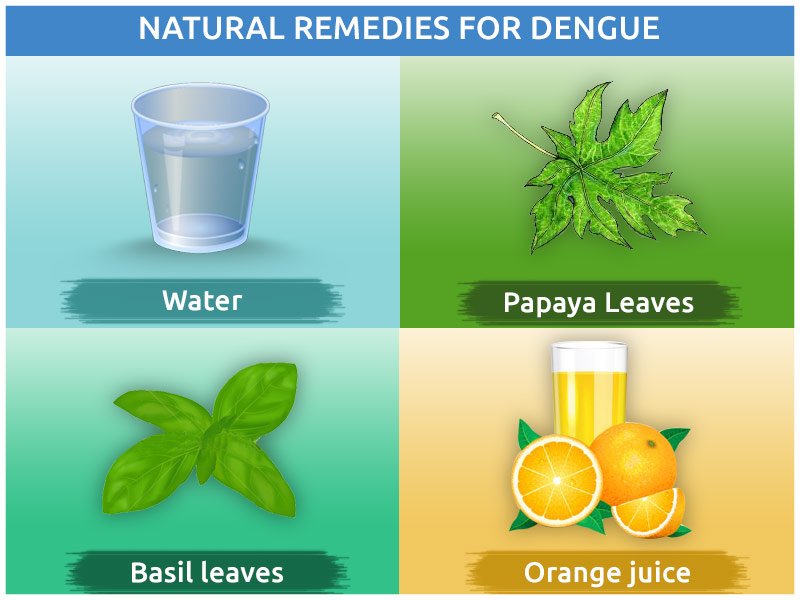
Herbal medicines are often used in traditional medicine systems and may have potential benefits in alleviating symptoms associated with DHF, such as fever and pain. Commonly used herbs include papaya leaf extract, neem, and ginger. It is essential to consult with a healthcare professional before using herbal medicines to ensure their safety and effectiveness, as they may interact with other medications or have adverse effects.
Acupuncture
Acupuncture, an ancient Chinese medical practice, involves the insertion of thin needles into specific points on the body to promote healing and alleviate symptoms. Some individuals find acupuncture helpful in reducing pain, improving energy levels, and boosting the immune system. While acupuncture may offer symptomatic relief, it is not a substitute for conventional medical treatment for DHF.
Supportive Care for Dengue Hemorrhagic Fever
Supportive care is a crucial component of DHF management and focuses on providing symptomatic relief, monitoring, and maintaining the patient’s overall well-being.
Frequent monitoring
Regular monitoring allows healthcare professionals to assess the patient’s clinical condition, track changes, and adjust treatment plans accordingly. This may involve monitoring vital signs, laboratory test results, and fluid balance to ensure optimal management of the infection. Frequent monitoring ensures timely interventions and improves patient outcomes.
Intravenous therapy
Intravenous (IV) therapy plays a vital role in DHF management, particularly in cases involving plasma leakage and dehydration. IV fluids are administered to maintain hydration, replenish lost fluids, and prevent complications such as shock. Healthcare professionals closely monitor the patient’s fluid status and adjust IV therapy based on their clinical condition.
Pain management
Effective pain management is essential to improve the patient’s comfort and quality of life during DHF. Healthcare professionals may prescribe suitable pain relievers to alleviate headache, joint pain, and other discomfort associated with DHF. Additionally, non-pharmacological approaches such as applying cool packs or taking warm baths may provide relief. It is important to follow the prescribed pain management plan and consult with a healthcare professional before taking any additional medications.
Managing Dengue Hemorrhagic Fever in Children
Children may require specific considerations in the management of DHF, as their physiology and response to treatments may differ from adults. Healthcare providers take several factors into account when treating children with DHF.
Pediatric-specific considerations
In pediatric cases of DHF, healthcare professionals closely monitor the child’s fluid status and hydration levels and assess their response to treatment. Children may be more prone to dehydration and electrolyte imbalances, so prompt intervention is necessary to prevent complications. Their vital signs, laboratory results, and overall clinical condition are regularly evaluated to ensure appropriate management.
Recommended treatments for children
Treatment plans for children with DHF often involve fluid replacement therapy, pain management, and close monitoring. IV therapy is commonly used to maintain hydration and prevent dehydration, and age-appropriate pain relievers are prescribed to alleviate discomfort. The dosage and type of medications may vary based on the child’s age, weight, and clinical condition. Children are closely observed to promptly identify any deterioration or the need for additional interventions.

Combating Dengue Hemorrhagic Fever Outbreaks
To combat DHF outbreaks effectively, a comprehensive approach is necessary that includes vector control strategies and community education and awareness.
Vector control strategies
Controlling the Aedes mosquito population is essential to prevent the transmission of dengue virus and reduce DHF cases. This can be achieved through various measures, such as eliminating breeding sites by removing stagnant water sources, using larvicides, and applying insecticides to targeted areas. Mosquito-proofing homes, such as using window nets and insect repellents, also helps to minimize mosquito bites and decrease the risk of DHF.
Community education and awareness
Raising awareness about DHF and its prevention plays a crucial role in minimizing outbreaks. Educational campaigns and community engagement initiatives help educate individuals about the importance of personal protection measures, such as wearing protective clothing, using mosquito repellents, and maintaining a mosquito-free environment. Additionally, providing accurate information about symptoms, diagnosis, and available treatments helps individuals and communities recognize and respond to DHF effectively.
Research and Development for Dengue Hemorrhagic Fever
Ongoing research and development efforts are focused on improving our understanding of DHF and developing potential future treatments. These endeavors aim to enhance clinical management, prevention strategies, and ultimately work towards eradicating dengue virus transmission.
Ongoing studies
Various studies are being conducted worldwide to explore new approaches in preventing and treating DHF. These studies investigate the effectiveness of different interventions, such as antiviral drugs, immunotherapies, and vaccines. Additionally, efforts are made to understand the complex immune response to dengue virus infection and identify potential targets for therapeutic interventions.
Potential future treatments
Significant progress has been made in recent years towards developing vaccines against dengue virus infection, including DHF. Several vaccines, such as the CYD-TDV (Dengvaxia), have been approved for use in certain countries and have shown effectiveness in preventing dengue fever. Ongoing research aims to improve vaccine efficacy, develop new antiviral drugs, and explore innovative therapeutic approaches to mitigate the impact of DHF.
In conclusion, understanding DHF is essential for effective management and prevention. By recognizing the definition, modes of transmission, and symptoms of DHF, individuals can seek timely medical attention and receive appropriate care. Diagnosing DHF involves clinical assessment and laboratory tests, ensuring accurate identification of the infection. Immediate care focuses on fluid replacement therapy, pain and fever management, and providing supportive care. Preventing complications requires interventions such as platelet and blood transfusions, along with monitoring vital signs. Alternative therapies may offer additional relief, but should not replace conventional medical treatment. Managing DHF in children requires pediatric-specific considerations and age-appropriate treatments. Combating DHF outbreaks involves vector control and community education. Ongoing research and development provide hope for potential future treatments and prevention strategies. With comprehensive knowledge and collective efforts, we can effectively combat DHF and reduce its impact on individuals and communities.