Hey there! Have you ever wondered why adults get fevers? Well, in this article, we’re going to shed some light on the topic and help you understand what exactly is going on in your body when that temperature starts to rise. So, if you’ve ever found yourself feeling hot and feverish, stick around because we’ve got all the answers for you. Whether you’re concerned about your own health or just curious about how fevers work, we’ve got you covered. Let’s get started!
What is Fever?
Feeling a bit under the weather? It’s possible that you may be experiencing a fever. But what exactly does that mean? Well, put simply, a fever is when your body temperature rises above its normal range. It’s actually a sign that your body is fighting off an infection or other underlying condition. While it can definitely be uncomfortable, it’s important to remember that a fever is your body’s way of telling you that something isn’t quite right.
Definition of Fever
A fever is defined as a temporary increase in body temperature, often as a result of an illness or infection. In adults, a fever is generally considered to be a body temperature of 100.4°F (38°C) or higher when measured orally. However, it’s important to note that this threshold may vary depending on the individual and the circumstances.
Normal Body Temperature
Before we dive into the causes and symptoms of fever, let’s talk about what constitutes a normal body temperature. For most adults, the average body temperature is around 98.6°F (37°C). However, it’s important to keep in mind that this can vary from person to person and may be influenced by factors such as time of day, physical activity, and age.
Causes of Fever
Fever can be caused by a wide range of factors, including infections, inflammatory conditions, medications or drugs, cancer, and autoimmune diseases. Infections, such as respiratory infections, urinary tract infections, and viral illnesses, are among the most common culprits. Inflammatory conditions, such as rheumatoid arthritis and inflammatory bowel disease, can also trigger a fever response in the body. Additionally, certain medications or drugs may have the side effect of causing a fever. Lastly, fever can be a symptom of a more serious condition, such as cancer or an autoimmune disease.
Symptoms of Fever
While an elevated body temperature is the hallmark symptom of a fever, there are a number of other signs and symptoms that can accompany it. It’s important to pay attention to these symptoms, as they can help provide clues about the underlying cause of the fever.
Elevated Body Temperature
The most obvious symptom of a fever is an increase in body temperature. This can be measured using a thermometer and is generally considered to be a temperature of 100.4°F (38°C) or higher when taken orally in adults. It’s important to note that the severity of the fever does not necessarily correlate with the severity of the underlying condition.
Chills and Sweating
When you have a fever, you may experience chills and sweating. Chills often occur as the body tries to generate heat to bring the temperature back down to normal. Sweating, on the other hand, may be a sign that the fever is breaking and your body is starting to regulate its temperature again.
Headache
Headaches are a common symptom of fever and can range from mild to severe. They may be accompanied by other symptoms such as sensitivity to light or sound.
Muscle Aches
Muscle aches, also known as myalgia, are another common symptom of fever. They can affect different parts of the body and may be more pronounced in certain areas.
General Malaise
When you have a fever, you may also experience a general feeling of malaise. This can include symptoms such as fatigue, weakness, and a lack of appetite. It’s important to listen to your body and give yourself the rest and care that you need when you’re feeling under the weather.

Types of Fever
Fevers can present themselves in different patterns, which can provide valuable information about the underlying cause. Here are a few types of fever that you might come across:
Continuous Fever
In a continuous fever, the body temperature remains consistently elevated throughout the day, usually with minimal fluctuations.
Intermittent Fever
Intermittent fever is characterized by periodic spikes in body temperature followed by returns to normal temperature. The fever may come and go over a defined period of time.
Remittent Fever
Similar to intermittent fever, remittent fever involves periodic spikes in body temperature. However, the temperature remains elevated throughout, with only slight fluctuations.
Pel-Ebstein Fever
Pel-Ebstein fever is a rare type of fever that is associated with certain types of cancer, usually Hodgkin’s lymphoma. It is characterized by a regular pattern of high fevers followed by periods of normal or lower body temperature.
Causes of Fever
Now that we understand the various types and symptoms of fever, let’s explore some of the common causes:
Infections
Infections are one of the most common causes of fever in adults. Whether it’s a bacterial, viral, fungal, or parasitic infection, the body’s immune response can lead to an increase in body temperature.
Inflammatory Conditions
Conditions characterized by inflammation, such as rheumatoid arthritis or inflammatory bowel disease, can trigger a fever response in the body. The inflammation in these conditions can stimulate the release of certain chemicals that raise body temperature.
Medications or Drugs
Certain medications or drugs can have the side effect of causing a fever. It’s important to read the labels and consult with a healthcare professional if you suspect that a medication may be contributing to your fever.
Cancer
Some types of cancer can cause fever as a symptom. The fever may be a result of the body’s immune response to the cancer cells.
Autoimmune Diseases
Autoimmune diseases, such as lupus or rheumatoid arthritis, occur when the immune system mistakenly attacks healthy cells. Inflammation associated with these conditions can lead to fever.

Diagnosing Fever
When you’re experiencing a fever, it’s important to reach a proper diagnosis to determine the underlying cause. Here are some of the methods healthcare professionals may use to diagnose fever:
Taking Temperature
The first step in diagnosing a fever is to measure your body temperature using a thermometer. This can be done orally, rectally, or using an ear or forehead thermometer.
Medical History and Physical Examination
Your healthcare provider will likely ask about your medical history and any symptoms you may be experiencing. They will also conduct a physical examination to assess your overall health.
Blood Tests
Blood tests can provide valuable information about the presence of an infection or other underlying condition. These tests may include a complete blood count (CBC) or blood cultures.
Imaging Tests
In some cases, imaging tests such as X-rays, CT scans, or MRIs may be necessary to further evaluate the underlying cause of the fever.
Treatment for Fever
Home Remedies
For mild to moderate fevers, there are a number of home remedies that can help provide relief. These may include getting plenty of rest, staying hydrated, applying cool compresses, and taking over-the-counter pain relievers such as acetaminophen or ibuprofen. It’s important to consult with a healthcare professional before taking any medications, especially if you have pre-existing medical conditions or are taking other medications.
Over-the-Counter Medications
Over-the-counter medications such as acetaminophen or ibuprofen can help reduce fever and alleviate other symptoms. It’s important to carefully follow the dosing instructions and consult with a healthcare professional if you have any questions or concerns.
Prescription Medications
In some cases, prescription medications may be necessary to treat the underlying cause of the fever. These may include antibiotics for bacterial infections or antiviral medications for viral infections. It’s important to follow the prescribed treatment plan and consult with a healthcare professional for guidance.
Treating the Underlying Cause
Ultimately, the most effective way to treat a fever is to address the underlying cause. This may involve treating infections with appropriate medications, managing inflammatory conditions with lifestyle changes or medications, or seeking specialized treatment for underlying medical conditions.

When to Seek Medical Attention
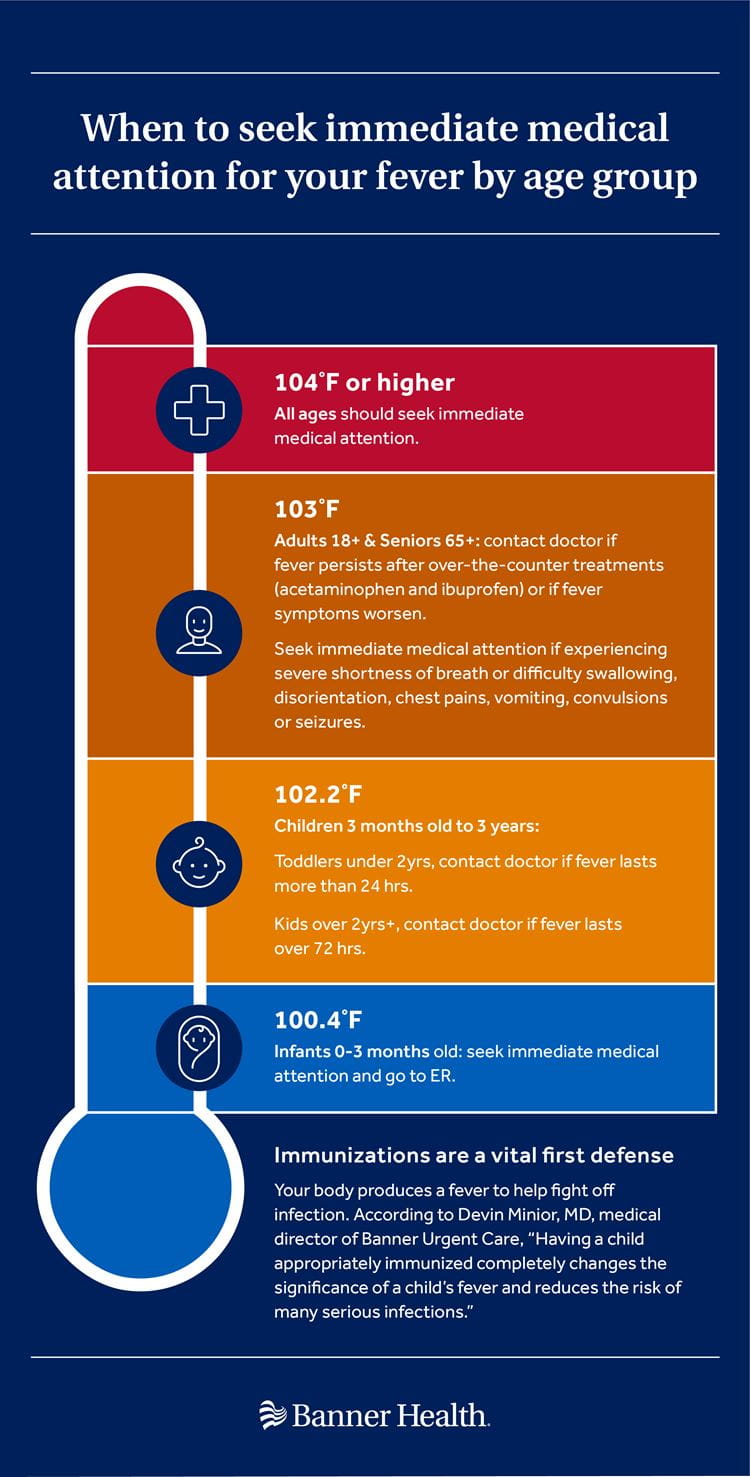
While fevers are generally harmless and resolve on their own, there are certain situations where it’s important to seek medical attention:
High Fever
If your fever is persistently high, typically above 103°F (39.4°C), it’s important to seek medical attention.
Persistent Fever
If your fever persists for more than a few days without improvement, it’s important to consult with a healthcare professional.
Accompanying Severe Symptoms
If your fever is accompanied by severe symptoms such as difficulty breathing, chest pain, severe headache, or confusion, it’s important to seek immediate medical attention.
Fever in Certain Populations
Certain populations, such as young children, older adults, pregnant women, or individuals with weakened immune systems, may require medical attention for even mild fevers to ensure proper evaluation and treatment.
Complications of Fever
While fever itself is generally not harmful, there can be potential complications associated with prolonged or high fevers:
Dehydration
Fever can cause increased fluid loss through sweating, which can lead to dehydration. It’s important to stay hydrated and drink plenty of fluids when you have a fever.
Febrile Seizures
In rare cases, high fevers, particularly in young children, may trigger seizures. These seizures, known as febrile seizures, are typically brief and resolve on their own, but it’s important to seek medical attention if this occurs.
Organ Damage
Prolonged or high fevers can potentially put strain on certain organs, such as the heart or kidneys, and may lead to complications if left untreated.
Febrile Neutropenia
Febrile neutropenia is a condition characterized by a fever and low white blood cell count. It most commonly occurs in individuals with weakened immune systems, such as those undergoing chemotherapy. It is important for individuals with febrile neutropenia to seek immediate medical attention.

Prevention of Fever
Preventing fever largely depends on addressing the underlying conditions that can cause it. Here are some general measures that can help reduce the risk of fever:
Good Hygiene Practices
Practicing good hygiene, such as frequent handwashing, can help reduce the spread of infections and minimize the risk of developing a fever.
Vaccinations
Routine vaccinations can help prevent certain infections that can lead to fever. It’s important to stay up to date with recommended immunizations.
Infection Control Measures
In situations where outbreaks or infections are more prevalent, taking extra precautions such as wearing masks, practicing social distancing, and avoiding close contact with individuals who are sick can help reduce the risk of fever.
Conclusion
Fever is a common symptom that can be caused by a variety of underlying conditions. While it can be uncomfortable, it’s important to remember that fever is generally a sign that your body is fighting off an infection or other illness. By understanding the types, symptoms, causes, and treatment options for fever, you can better navigate your own health and seek appropriate medical attention when needed. Remember to listen to your body, practice good hygiene, and consult with a healthcare professional if you have any concerns or questions about your fever symptoms. Stay well!