In this article, you will gain a deeper understanding of HIV infection, a topic that affects millions of people around the world. We will explore the various aspects of this condition, from its transmission methods and symptoms to the available treatment options. By the end, you will have a clearer picture of HIV infection and its impact on individuals and communities. So, let’s embark on this informative journey together and expand our knowledge about this significant global health challenge.
What is HIV?
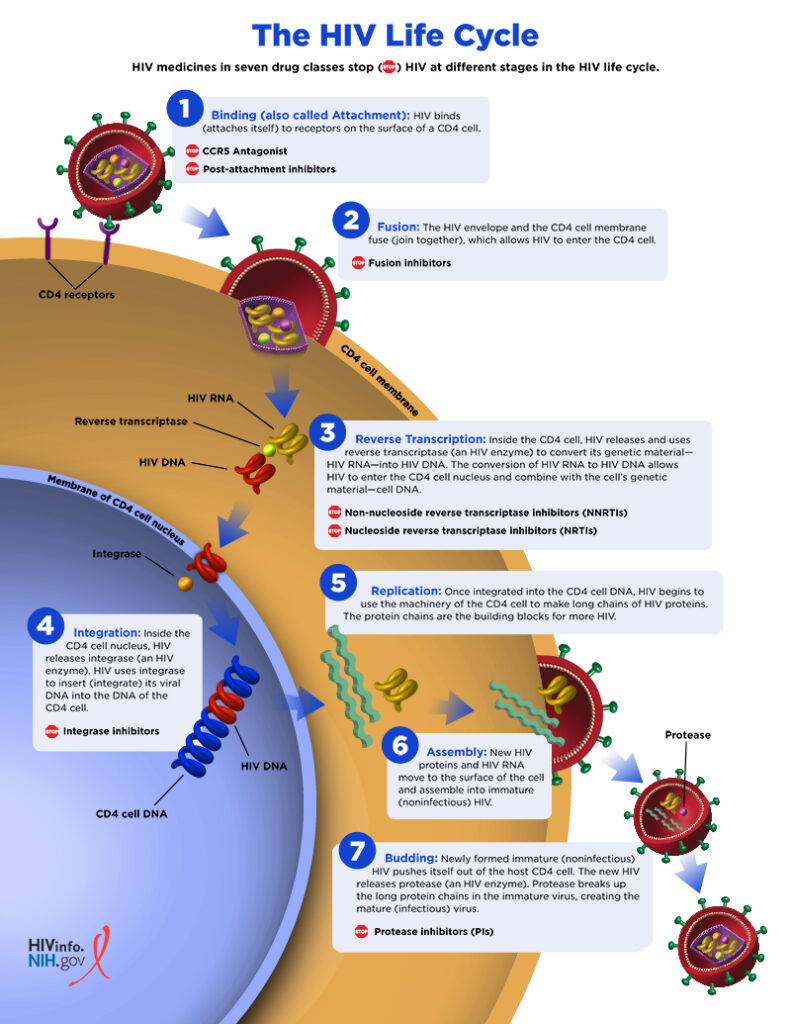
HIV, which stands for Human Immunodeficiency Virus, is a virus that attacks the immune system. It specifically targets CD4 cells, a type of white blood cell that plays a crucial role in fighting off infections and diseases. When HIV enters the body, it replicates and destroys these CD4 cells, gradually weakening the immune system. If left untreated, HIV can progress to a more advanced stage known as AIDS (Acquired Immunodeficiency Syndrome).
Transmission of HIV
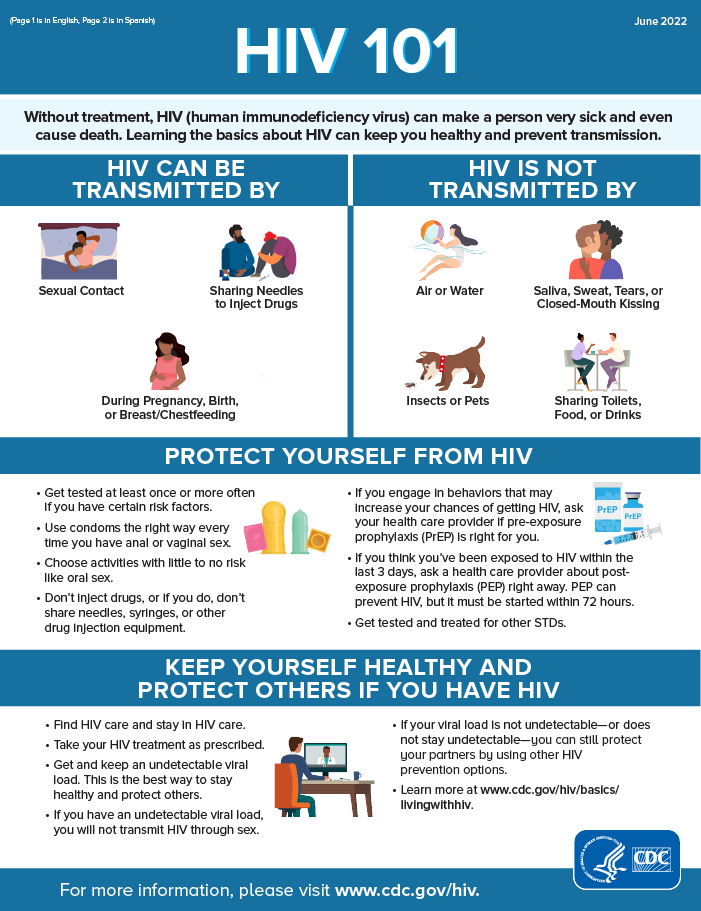
HIV can be transmitted through various means, primarily through specific body fluids such as blood, semen, vaginal fluids, and breast milk. The most common modes of transmission include unprotected sexual intercourse, sharing needles or other drug paraphernalia, and during childbirth or breastfeeding from an infected mother to her baby. It’s important to note that HIV cannot be transmitted through casual contact, such as hugging, sharing food or drinks, or through insect bites.
Stages of HIV infection
HIV infection progresses through different stages, each with its own characteristics and effects on the body. The initial stage is called acute HIV infection, which occurs within a few weeks after exposure to the virus. During this stage, individuals may experience flu-like symptoms such as fever, headache, fatigue, and swollen lymph nodes. If left undiagnosed and untreated, HIV infection progresses to the chronic or asymptomatic stage, where individuals may appear and feel healthy, but the virus continues to replicate. Finally, without proper treatment, HIV can advance to AIDS, where the immune system is significantly damaged, making individuals highly susceptible to opportunistic infections and certain types of cancers.
Symptoms of HIV infection
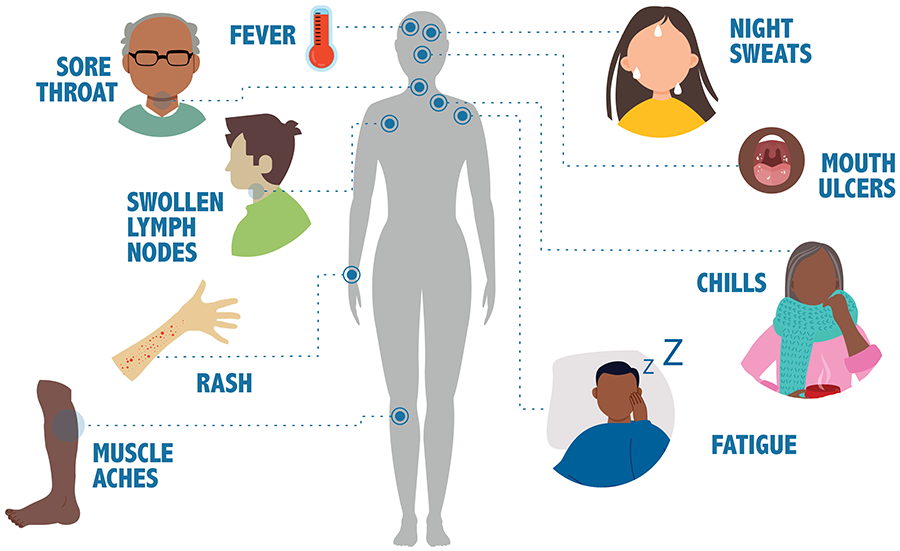
The symptoms of HIV infection can vary from person to person and may resemble other common illnesses, making it sometimes difficult to detect without proper diagnostic testing. Many individuals experience flu-like symptoms during the acute phase, while others may not exhibit any noticeable symptoms for years. Some of the common symptoms include fatigue, fever, night sweats, persistent diarrhea, unexplained weight loss, recurrent infections, and skin rashes. It’s important to remember that these symptoms can also be caused by other conditions, so getting tested for HIV is necessary for an accurate diagnosis.
How is HIV diagnosed?
HIV can be diagnosed through various testing methods that detect the presence of the virus or its antibodies in the body. It’s important to understand that it may take time for the body to produce detectable levels of these antibodies, known as the window period, which can range from a few weeks to months after initial infection.
HIV testing methods
The most common method for HIV testing is a blood test, which can detect the virus itself or the specific antibodies produced in response to the infection. This includes the enzyme immunoassay (EIA) test, which is the initial screening test used in clinics and laboratories. If the EIA test yields a positive or reactive result, a confirmatory test called the Western Blot or an HIV nucleic acid test (NAT) is performed. Rapid HIV tests are also available, providing results within minutes using blood or oral fluid samples.
Window period
The window period refers to the time it takes for the body to produce enough detectable HIV antibodies. During this period, individuals may have a negative test result despite being infected with the virus. It’s crucial to consider this when getting tested, especially if there has been recent exposure to HIV. If there is a concern about recent exposure or persistent symptoms, testing should be repeated after the window period to ensure accurate results.
Confidentiality and HIV testing
Confidentiality is a fundamental aspect of HIV testing. In most countries, HIV testing is confidential, meaning that results are shared only with the individual being tested. HIV status should not be disclosed without the explicit consent of the person, as this information is highly sensitive and can have serious legal and social implications. Health care providers are bound by ethical and legal obligations to maintain patient confidentiality.

Treatment for HIV
While there is no cure for HIV, significant advancements have been made in managing the virus and improving the quality of life for individuals living with HIV. The primary treatment for HIV is antiretroviral therapy (ART).
Antiretroviral therapy (ART)
ART is a combination of medications that suppress the replication of HIV in the body, slowing down the progression of the virus and preventing its detrimental effects on the immune system. These medications, known as antiretroviral drugs, can effectively lower the viral load to undetectable levels, allowing individuals with HIV to live long and healthy lives. ART also plays a critical role in preventing transmission of HIV to sexual partners.
Prevention of mother-to-child transmission
Pregnant individuals living with HIV can significantly reduce the risk of transmitting the virus to their babies through certain interventions. This includes taking antiretroviral medications during pregnancy, childbirth, and breastfeeding. Additionally, practicing safe birthing practices, such as elective cesarean section and avoiding breastfeeding when safer alternatives are available, further reduces the risk of mother-to-child transmission.
Management of opportunistic infections
As HIV weakens the immune system, individuals may become more susceptible to opportunistic infections, which are infections that take advantage of a weakened immune system. Prompt diagnosis and treatment of these infections are crucial to prevent serious complications. Health care providers may prescribe medications to treat and prevent opportunistic infections, taking into account the individual’s specific circumstances and overall health condition.
Prevention of HIV infection
Prevention is a key aspect of combatting the spread of HIV. There are various strategies and practices that individuals can adopt to protect themselves and others from HIV infection.
Safe sex practices
Practicing safe sex is vital in reducing the risk of HIV transmission. This includes using barrier methods such as condoms consistently and correctly during sexual intercourse. Engaging in sexual activities that do not involve the exchange of bodily fluids, like mutual masturbation or using sex toys, can also be safer alternatives. Open and honest communication about sexual history with partners is essential to make informed decisions.
Use of condoms
Condoms act as a physical barrier, preventing the exchange of bodily fluids during sexual intercourse. Using condoms correctly and consistently, from start to finish, significantly reduces the risk of HIV transmission and other sexually transmitted infections (STIs). Both male and female condoms are effective in protecting against HIV when used correctly.
PrEP and PEP
Pre-Exposure Prophylaxis (PrEP) and Post-Exposure Prophylaxis (PEP) are additional prevention methods for individuals at a higher risk of acquiring HIV. PrEP involves taking antiretroviral medication daily to prevent HIV infection. PEP, on the other hand, is a short-term treatment started within 72 hours after potential exposure to HIV, intended to prevent infection. Both PrEP and PEP should be used under medical supervision and in combination with other prevention methods.
Living with HIV
Being diagnosed with HIV can be a life-altering experience, but with proper care and support, individuals can lead fulfilling lives.
Disclosure and stigma
Deciding whether to disclose one’s HIV status is a personal choice. It’s important to carefully consider the potential consequences and the support available before disclosing to others. Stigma and discrimination surrounding HIV still exist, and disclosing one’s status may affect personal relationships, employment, and societal interactions. However, disclosing to trusted individuals can provide a support network and access to resources for emotional and practical assistance.
Support services
There are numerous support services available for individuals living with HIV, ranging from counseling and therapy to peer support groups and community organizations. These services can provide guidance on managing the physical and emotional aspects of living with HIV, addressing concerns, connecting with others who share similar experiences, and accessing resources for medical care, treatment, and social support.
Maintaining a healthy lifestyle
Living with HIV requires taking care of one’s overall health and well-being. This includes adhering to the prescribed antiretroviral therapy, attending regular medical appointments, and monitoring CD4 cell counts and viral load. Adopting a healthy lifestyle, including a balanced diet, regular exercise, adequate sleep, and stress management, can help boost the immune system and overall quality of life. Avoiding harmful behaviors such as smoking, excessive alcohol consumption, and drug use is also essential in maintaining optimal health.
HIV and co-infections
Individuals living with HIV may also be at risk of developing other infections, particularly due to the weakened immune system. Some common co-infections associated with HIV include Hepatitis C, Tuberculosis (TB), and various sexually transmitted infections (STIs).
Hepatitis C
Hepatitis C is a viral infection that primarily affects the liver. It is common among individuals who have shared needles or engaged in high-risk behaviors, including those living with HIV. Regular screening for Hepatitis C is recommended for individuals living with HIV to ensure early diagnosis and appropriate treatment.
Tuberculosis
Tuberculosis is an airborne bacterial infection that primarily affects the lungs but can potentially spread to other parts of the body. People with HIV have a significantly higher risk of developing active TB disease due to the weakened immune system. Regular screening for TB, prompt diagnosis, and appropriate treatment are crucial for individuals living with HIV.
Sexually transmitted infections
Sexually transmitted infections such as gonorrhea, syphilis, and chlamydia can have severe consequences for individuals living with HIV. These infections can both increase the risk of HIV transmission and be more challenging to treat due to the weakened immune system. Regular testing for STIs and receiving appropriate treatment are vital for maintaining overall sexual health.
HIV-related discrimination
Discrimination against individuals living with HIV is still prevalent in many parts of the world, resulting in significant social, legal, and economic challenges. However, legal frameworks and awareness campaigns have been developed to protect individuals from discrimination and promote inclusivity.
Legal protection against discrimination
Laws and regulations have been established in many countries to protect individuals living with HIV from discrimination in various areas of life, including employment, housing, education, and healthcare. These laws prohibit discrimination based on HIV status, ensuring access to equal rights and opportunities. It’s important for individuals to be aware of their rights and seek legal assistance if they experience discrimination.
Importance of education and awareness
Education and awareness are crucial in fighting stigma and discrimination surrounding HIV. By dispelling myths and misconceptions about HIV, promoting accurate information about prevention and treatment, and challenging discriminatory attitudes, society can create a more inclusive and understanding environment for individuals living with HIV.
Promoting inclusivity
Inclusivity and support play a significant role in reducing HIV-related discrimination. Promoting inclusive practices involves creating safe spaces for individuals living with HIV, advocating for their rights, and fostering a society where everyone is treated with dignity and respect, regardless of their HIV status. This can be achieved through community involvement, education, and collaborations among various stakeholders.
Global impact of HIV
HIV continues to be a global health challenge, affecting millions of people worldwide. Understanding the global impact of HIV is crucial in developing effective strategies and interventions to combat the spread of the virus.
HIV prevalence worldwide
The global prevalence of HIV varies significantly across regions, with sub-Saharan Africa being the most heavily affected. According to UNAIDS, as of 2020, approximately 38 million people were living with HIV worldwide. Substantial progress has been made in reducing new HIV infections and AIDS-related deaths in recent years, but continued efforts are needed to achieve the targets set by the United Nations for ending the AIDS epidemic by 2030.
Efforts to combat HIV/AIDS
Numerous organizations, governments, and communities are actively engaged in combating HIV/AIDS globally. This includes raising awareness, providing access to testing and treatment, advocating for policy changes, and supporting research and innovation. Collaborative efforts among countries and international organizations have been instrumental in expanding access to prevention, treatment, care, and support services.
Challenges and progress
Despite significant progress, several challenges remain in the fight against HIV/AIDS. Limited access to healthcare and resources in some regions, social barriers, stigma, and discrimination continue to hinder prevention and treatment efforts. Efforts are also needed to reach key populations at higher risk of HIV transmission, including men who have sex with men, sex workers, transgender individuals, and people who use drugs. Continued research, innovation, funding, and political commitment are essential to overcome these challenges and achieve the goal of ending the HIV/AIDS epidemic.

Ongoing research and future prospects
Research and development in the field of HIV/AIDS continue to advance, aiming to improve existing treatments, develop preventive measures, and ultimately find a cure for HIV.
Vaccine development
The development of an effective HIV vaccine remains a significant focus in HIV research. Various approaches, including using viral vectors and studying naturally immune individuals, are being explored to develop a vaccine that can initiate a strong immune response against HIV and prevent infection.
HIV cure research
Finding a cure for HIV is a complex and ongoing area of research. Scientists are investigating different strategies to eradicate the virus from the body, such as gene therapy, latency-reversing agents, and immune-based therapies. While a total cure may still be elusive, advancements in this field offer hope for long-term remission and functional cure for some individuals living with HIV.
Advancements in treatment
Advancements in antiretroviral therapy have significantly transformed the management of HIV infection. Research is focused on improving the efficacy, tolerability, and accessibility of antiretroviral drugs. This includes the development of long-acting formulations and novel drug combinations to simplify treatment regimens and enhance adherence. The goal is to provide individuals living with HIV with more effective and convenient treatment options, ultimately improving their quality of life.
FAQs about HIV
Is HIV the same as AIDS?
HIV (Human Immunodeficiency Virus) and AIDS (Acquired Immunodeficiency Syndrome) are related but distinct. HIV is the virus that causes AIDS. HIV infection can progress to AIDS if left untreated or if the immune system becomes severely compromised. AIDS refers to the later stage of HIV infection, characterized by significantly weakened immunity and the presence of one or more opportunistic infections or specific cancers. With advancements in treatment, the progression from HIV to AIDS can be prevented or significantly delayed.
Can you get HIV from kissing?
HIV is not transmitted through casual contact, such as kissing, hugging, or sharing food or drinks. HIV transmission requires the exchange of specific body fluids, including blood, semen, vaginal fluids, and breast milk. Kissing, even if it involves the exchange of saliva, poses no risk of transmitting HIV.
Is there a cure for HIV?
Currently, there is no cure for HIV. However, significant progress has been made in managing the virus and improving the quality of life for individuals living with HIV. Antiretroviral therapy is highly effective in suppressing viral replication, reducing the viral load to undetectable levels, and preventing the progression of HIV to AIDS. Ongoing research and advancements offer hope for developing a cure or achieving long-term remission in the future.