
In this article, you will gain a comprehensive understanding of Hodgkin lymphoma, also known as Hodgkin’s disease. We will explore the various aspects of this type of cancer, including its symptoms, causes, and treatment options. By the end, you will have a clearer picture of what Hodgkin lymphoma is and how it can be effectively managed. So, let’s dive into the world of Hodgkin lymphoma together and empower ourselves with knowledge.
Understanding Hodgkin Lymphoma
Hodgkin Lymphoma, also known as Hodgkin’s Disease, is a type of cancer that originates in the lymphatic system. It was named after Dr. Thomas Hodgkin, who first described this condition in 1832. This article aims to provide you with a comprehensive understanding of Hodgkin Lymphoma, including its definition, epidemiology, types and subtypes, causes and risk factors, signs and symptoms, diagnosis, staging, treatment options, prognosis, and prevention.
Definition of Hodgkin Lymphoma
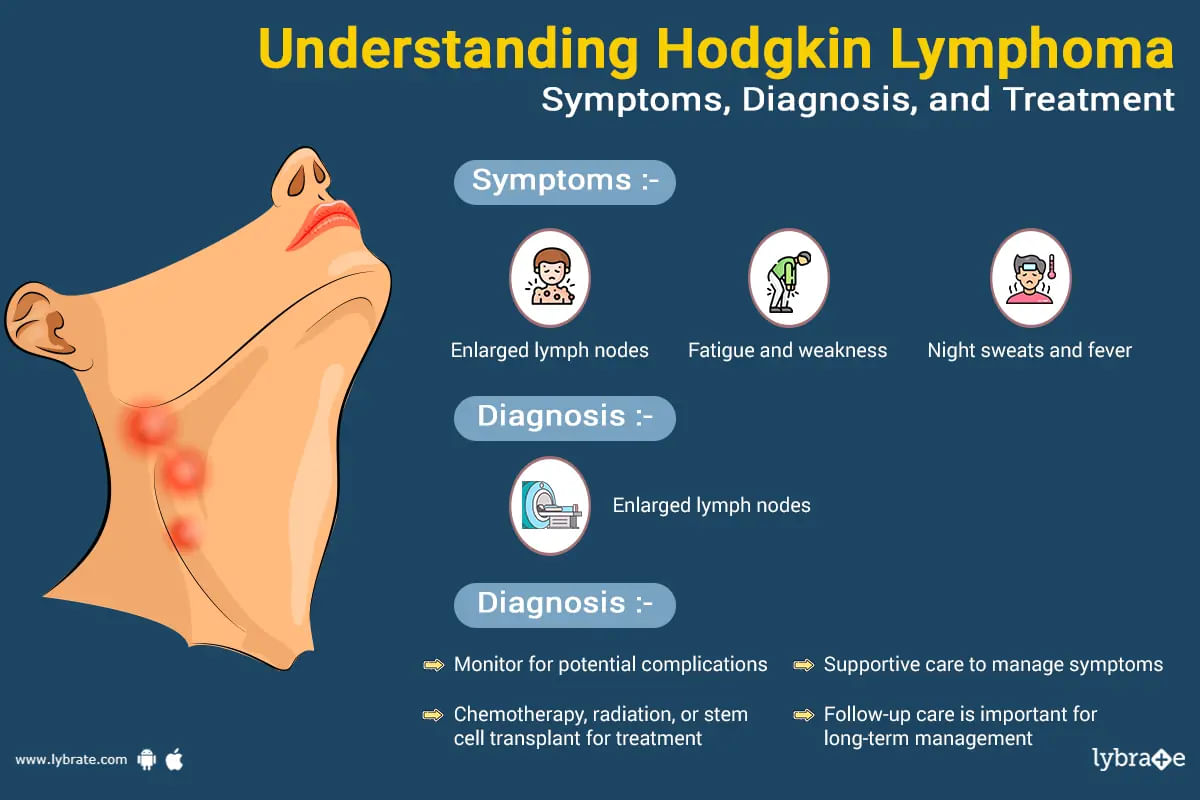
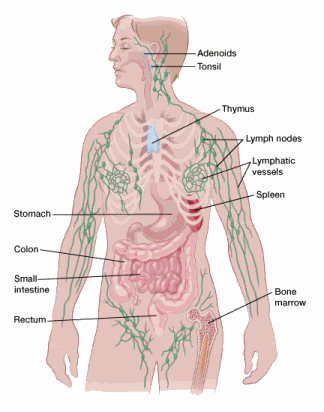
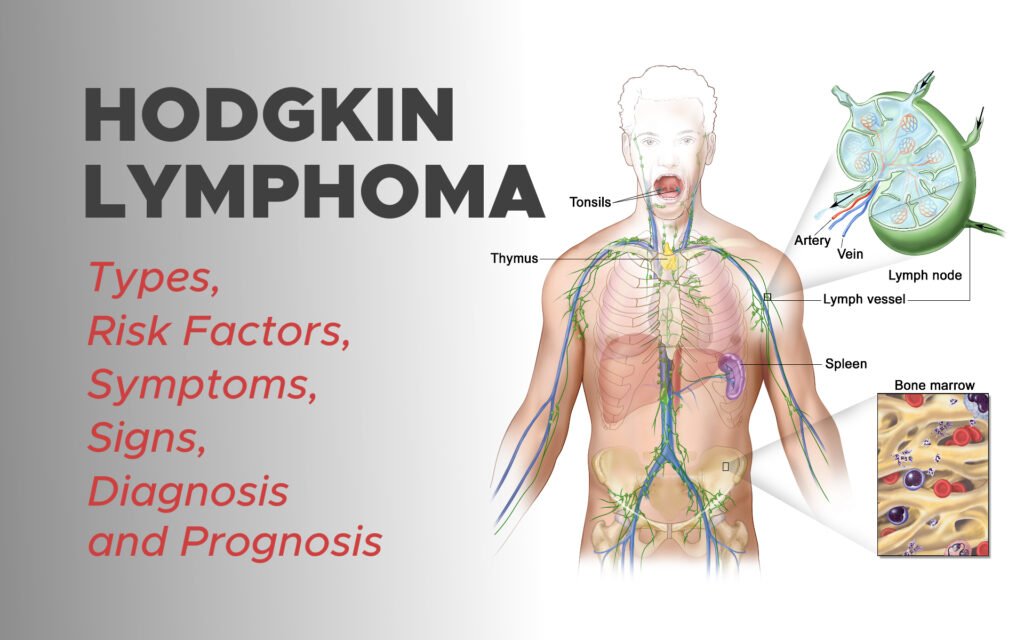
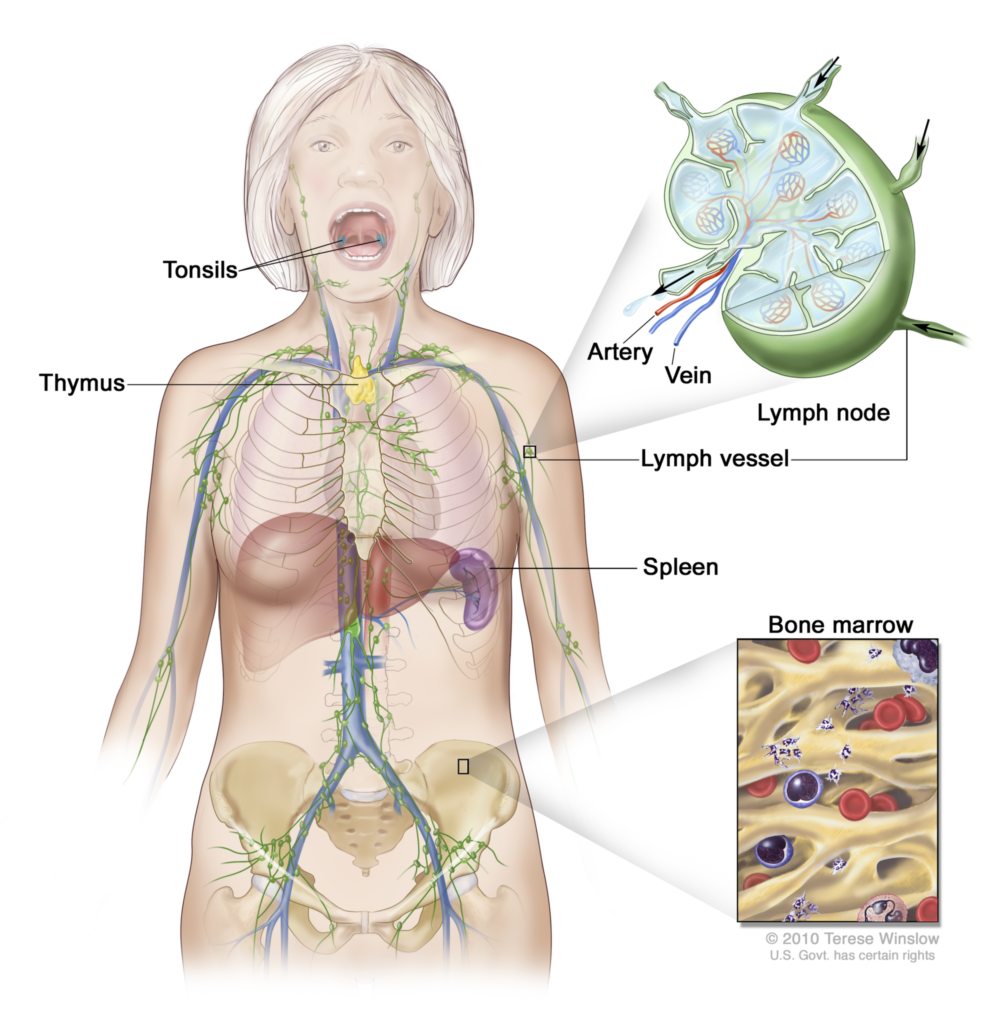
Hodgkin Lymphoma is a type of cancer that affects the lymphatic system, which is responsible for fighting off infections and diseases in the body. It primarily affects a specific type of white blood cell called Reed-Sternberg cells, which are large abnormal cells found in the lymph nodes. These abnormal cells cause the lymph nodes to enlarge and form tumors.
Epidemiology of Hodgkin Lymphoma
Hodgkin Lymphoma is relatively rare, accounting for approximately 0.6% of all cancer cases worldwide. It most commonly affects young adults between the ages of 15 and 40, as well as individuals over the age of 55. Men are slightly more prone to developing Hodgkin Lymphoma than women. The incidence rates vary across different countries, with higher rates observed in developed nations.
Types and Subtypes of Hodgkin Lymphoma
Hodgkin Lymphoma can be categorized into two main types: Classical Hodgkin Lymphoma and Nodular Lymphocyte-Predominant Hodgkin Lymphoma. Classical Hodgkin Lymphoma is further divided into four subtypes: Nodular Sclerosis, Mixed Cellularity, Lymphocyte-Rich, and Lymphocyte-Depleted. Each subtype has distinct characteristics and prognosis, which determine the course of treatment.
Causes and Risk Factors of Hodgkin Lymphoma
The exact cause of Hodgkin Lymphoma remains unknown. However, several risk factors have been identified that may increase an individual’s likelihood of developing the condition. These risk factors include a weakened immune system, family history of Hodgkin Lymphoma, exposure to certain viruses (such as Epstein-Barr virus), previous Epstein-Barr virus infection, exposure to certain chemicals, and age.
Signs and Symptoms of Hodgkin Lymphoma
The signs and symptoms of Hodgkin Lymphoma vary from person to person but often include painless swelling of the lymph nodes in the neck, armpit, or groin. Other common symptoms may include unexplained weight loss, fatigue, fever, night sweats, itching, and loss of appetite. It is important to note that these symptoms can also be caused by other health conditions, so a proper medical evaluation is necessary for an accurate diagnosis.
Diagnosis of Hodgkin Lymphoma
To diagnose Hodgkin Lymphoma, your healthcare provider will perform a series of tests and procedures. These may include a physical examination, blood tests, imaging studies (such as X-rays, CT scans, or PET scans), and a biopsy of an enlarged lymph node. The biopsy involves removing a small sample of tissue from the lymph node and examining it under a microscope to determine the presence of cancerous cells.

Staging of Hodgkin Lymphoma
Staging is a crucial step in determining the extent of the cancer and guiding treatment decisions. Hodgkin Lymphoma is staged using the Ann Arbor staging system, which classifies the cancer into four stages (I-IV) based on the location and spread of the disease. Additionally, a letter (A or B) may be added to indicate the presence (B) or absence (A) of specific symptoms, such as fever, weight loss, or night sweats.
Treatment Options for Hodgkin Lymphoma
The treatment of Hodgkin Lymphoma depends on various factors, including the stage of the cancer, the subtype, the individual’s overall health, and personal preferences. The main treatment modalities include chemotherapy, radiation therapy, targeted therapies, and stem cell transplantation. In some cases, a combination of these treatments may be used to achieve the best possible outcome.
Prognosis and Survival Rates of Hodgkin Lymphoma
The prognosis for individuals with Hodgkin Lymphoma has significantly improved over the years, with high cure rates achieved in many cases. The overall survival rate for Hodgkin Lymphoma is approximately 85-90%, meaning that the majority of individuals diagnosed with this condition can expect to live long and healthy lives. However, the prognosis may vary depending on the stage and subtype of the cancer, as well as other individual factors.
Prevention and Outlook for Hodgkin Lymphoma
Since the exact cause of Hodgkin Lymphoma is unknown, there are no specific measures to prevent its development. However, adopting a healthy lifestyle, including regular exercise, a balanced diet, and avoiding exposure to known risk factors, may contribute to overall well-being and reduce the risk of developing various types of cancer, including Hodgkin Lymphoma. It is essential to maintain regular medical check-ups and promptly address any concerning symptoms to ensure early detection and timely treatment.
In conclusion, Hodgkin Lymphoma is a type of cancer that affects the lymphatic system and primarily involves the abnormal growth of Reed-Sternberg cells. While the exact cause of this condition remains unknown, several risk factors have been identified. However, with advancements in medical treatments, the prognosis for Hodgkin Lymphoma is generally favorable. It is important for individuals to be aware of the signs and symptoms of this condition and promptly seek medical attention if any concerns arise. Remember, knowledge and early detection can save lives when it comes to cancer.