
Hi there! If you’ve ever wondered about Hodgkin’s Lymphoma, then you’ve come to the right place. In this article, we will explore the ins and outs of this disease, shedding light on what it is, its symptoms, diagnosis, and treatment options. So, get ready to gain a better understanding of Hodgkin’s Lymphoma, empowering you with knowledge to navigate this topic with confidence. Let’s jump right in!

Definition of Hodgkin’s Lymphoma
What is Hodgkin’s Lymphoma?
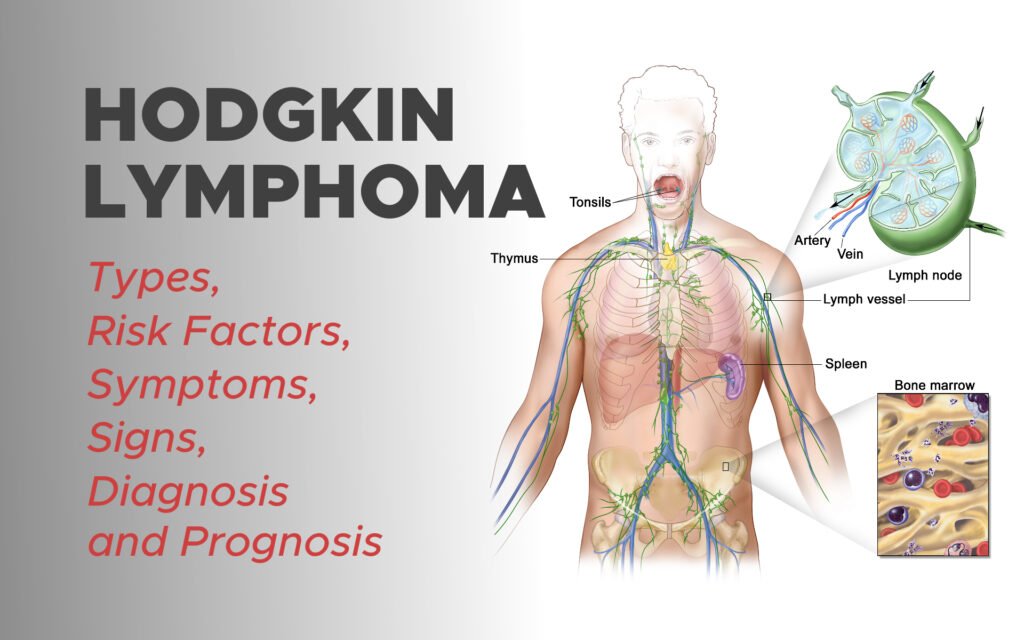
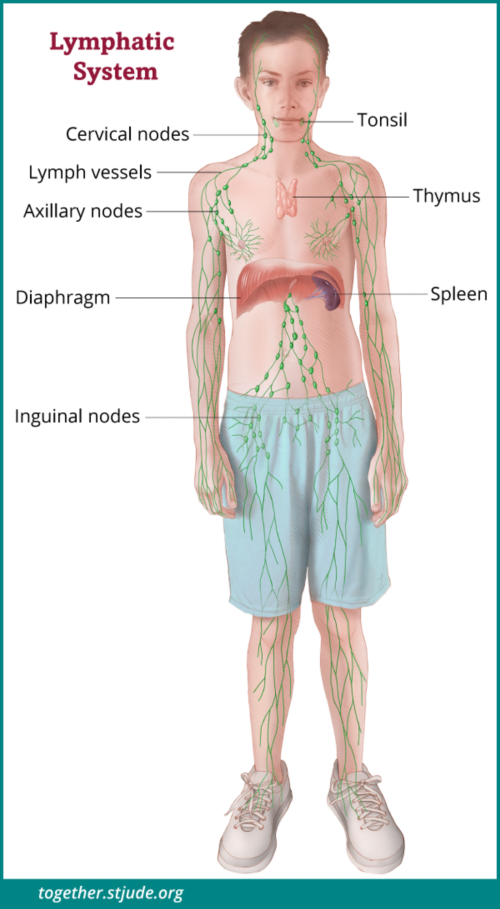
Hodgkin’s Lymphoma, also known as Hodgkin’s Disease, is a type of cancer that affects the lymphatic system. It is characterized by the presence of abnormal cells called Reed-Sternberg cells, which are large, multinucleated cells. These cells are responsible for the development and progression of the disease. Hodgkin’s Lymphoma is different from other types of lymphoma due to the specific nature of these Reed-Sternberg cells.
History of Hodgkin’s Lymphoma
Hodgkin’s Lymphoma was first described by Dr. Thomas Hodgkin in 1832, hence its name. Dr. Hodgkin observed a distinct pattern of enlarged lymph nodes in his patients, along with accompanying symptoms. This groundbreaking discovery paved the way for further research and understanding of the disease. Over the years, advancements in medical technology and research have allowed for the development of effective treatment options, improving the prognosis for those diagnosed with Hodgkin’s Lymphoma.
Causes and Risk Factors
Possible Causes
The exact cause of Hodgkin’s Lymphoma is unknown, but researchers believe that a combination of genetic and environmental factors may play a role. It is believed to originate from B cells, a type of white blood cell responsible for producing antibodies. The mutation of these B cells may lead to the development of Reed-Sternberg cells, causing Hodgkin’s Lymphoma.
Risk Factors
While there is no definitive way to prevent Hodgkin’s Lymphoma, certain risk factors have been identified. These include:
-
Age: Hodgkin’s Lymphoma is most commonly diagnosed in young adults between the ages of 15 and 40, as well as individuals over the age of 55.
-
Gender: Males are slightly more likely to develop Hodgkin’s Lymphoma than females.
-
Epstein-Barr virus (EBV) infection: Infection with this common virus, which causes mononucleosis, has been linked to an increased risk of developing Hodgkin’s Lymphoma.
-
Family history: Having a first-degree relative, such as a parent or sibling, with Hodgkin’s Lymphoma increases the risk of developing the disease.
Signs and Symptoms
Classic Signs and Symptoms
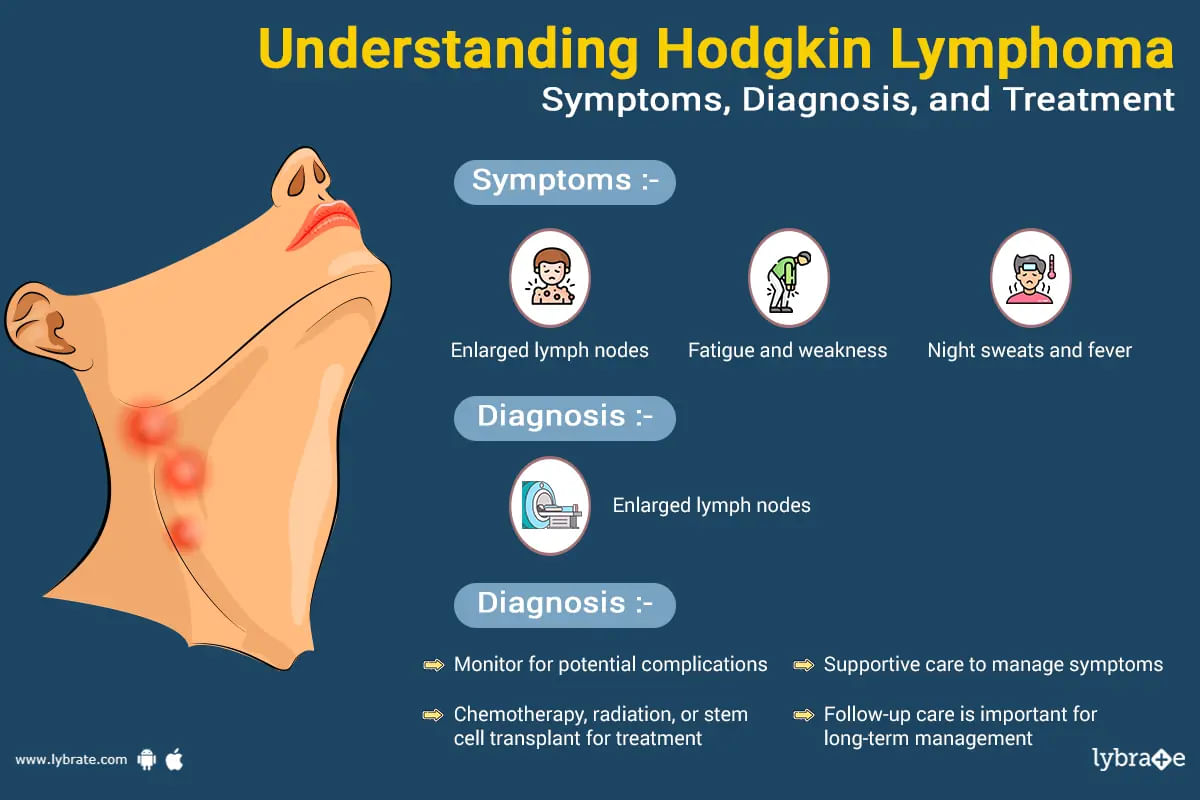
The most common signs and symptoms of Hodgkin’s Lymphoma include:
-
Painless swelling of the lymph nodes, usually in the neck, armpits, or groin.
-
Persistent fatigue or weakness.
-
Unexplained weight loss.
-
Night sweats.
-
Fever.
Less Common Symptoms
In addition to the classic signs and symptoms, there are several less common symptoms that may occur in individuals with Hodgkin’s Lymphoma. These include:
-
Itching.
-
Loss of appetite.
-
Shortness of breath.
-
Coughing or chest pain.
-
Abdominal discomfort or swelling.
When to See a Doctor
If you experience any persistent symptoms, especially those associated with Hodgkin’s Lymphoma, it is important to consult a doctor. While these symptoms can be caused by various conditions, it is essential to rule out the possibility of Hodgkin’s Lymphoma through medical evaluation and diagnostic testing.
Diagnosis
Physical Examination
During a physical examination, a doctor will assess the size and condition of the lymph nodes, as well as other areas of the body. They may also check for any other signs or symptoms of Hodgkin’s Lymphoma, such as swelling, tenderness, or enlarged organs.
Medical History
A detailed medical history is crucial in identifying any risk factors or previous illnesses that may contribute to the development of Hodgkin’s Lymphoma. The doctor may ask about symptoms, family history, previous infections, and any other relevant information.
Diagnostic Tests
To confirm or rule out a diagnosis of Hodgkin’s Lymphoma, various diagnostic tests may be performed. These can include:
-
Biopsy: A small sample of tissue is taken from an enlarged lymph node or other affected areas and analyzed for the presence of Reed-Sternberg cells.
-
Imaging tests: X-rays, CT scans, and MRIs can provide detailed images of the lymph nodes and other parts of the body, helping to determine the extent of the disease.
-
Blood tests: These can detect abnormalities in blood cell counts or the presence of certain markers associated with Hodgkin’s Lymphoma.
-
Bone marrow biopsy: This procedure involves the removal of a small sample of bone marrow for examination. It helps determine whether the bone marrow is affected by the disease.
Staging
Purpose of Staging
Staging is an essential process in determining the extent and progression of Hodgkin’s Lymphoma. It helps guide treatment decisions and predict the prognosis of the disease. Staging involves assessing the size and location of the lymphoma, as well as its spread to other parts of the body.
Staging Systems Used
There are two common staging systems used for Hodgkin’s Lymphoma: the Ann Arbor system and the Lugano classification. The Ann Arbor system categorizes the disease into four stages (I to IV), based on the involvement of lymph nodes, while the Lugano classification includes additional factors, such as the presence of B symptoms and the size of the mass.
Types of Hodgkin’s Lymphoma
Classical Hodgkin’s Lymphoma
Classical Hodgkin’s Lymphoma is the most common type, accounting for about 95% of all cases. It is further divided into four subtypes: nodular sclerosis Hodgkin’s lymphoma, mixed cellularity Hodgkin’s lymphoma, lymphocyte-rich Hodgkin’s lymphoma, and lymphocyte-depleted Hodgkin’s lymphoma. Each subtype has distinct characteristics and patterns of Reed-Sternberg cell presence.
Nodular Lymphocyte Predominant Hodgkin’s Lymphoma
Nodular Lymphocyte Predominant Hodgkin’s Lymphoma is a rarer form of the disease, accounting for approximately 5% of cases. It is characterized by the presence of popcorn cells, which are small and resemble lymphocytes. This subtype tends to have a more favorable prognosis compared to classical Hodgkin’s Lymphoma.
Treatment
First-line Treatment Options
The primary treatment for Hodgkin’s Lymphoma is usually a combination of chemotherapy and radiation therapy. Chemotherapy involves the use of powerful drugs to kill cancer cells, while radiation therapy uses high-energy beams to target and destroy cancer cells. The specific drugs and radiation doses may vary depending on the stage and subtype of Hodgkin’s Lymphoma.
Second-line and Salvage Therapies
In cases where the initial treatment is ineffective or if the disease recurs, second-line and salvage therapies may be considered. These can include additional chemotherapy regimens or targeted therapies, which aim to specifically attack cancer cells.
Stem Cell Transplantation
In some cases, a stem cell transplant may be recommended. This procedure involves replacing damaged or destroyed bone marrow with healthy stem cells. It allows for higher doses of chemotherapy or radiation therapy to be given, as the transplanted stem cells help rebuild the immune system.
Prognosis and Survival Rates
Factors Affecting Prognosis
Several factors can influence the prognosis of Hodgkin’s Lymphoma. These include the stage and subtype of the disease, the presence of B symptoms, an individual’s age, overall health, and response to treatment. Generally, early-stage Hodgkin’s Lymphoma has a higher cure rate compared to advanced-stage disease.
Survival Rates
The survival rates for Hodgkin’s Lymphoma vary depending on multiple factors, including the stage and subtype of the disease. According to studies, the five-year survival rate for Hodgkin’s Lymphoma is around 86%. However, it is important to remember that survival rates are statistical averages and do not take into account individual circumstances.

Living with Hodgkin’s Lymphoma
Emotional Support
Living with Hodgkin’s Lymphoma can be emotionally challenging, and having a strong support system is crucial. Seek support from loved ones, join support groups, or consider speaking with a mental health professional to help navigate through the emotional aspects of the disease.
Coping Strategies
Maintaining a healthy lifestyle, including proper nutrition and regular exercise, can contribute to overall well-being during and after treatment. Engaging in activities that bring joy and practicing stress management techniques, such as meditation or therapy, can also help cope with the challenges presented by Hodgkin’s Lymphoma.
Follow-up Care
Regular follow-up care is essential to monitor the progress of the disease, manage any potential side effects of treatment, and address any concerns or symptoms that may arise. Follow the recommended check-up schedule provided by your healthcare team and maintain open communication to ensure optimal care and support.
Prevention
Prevention Measures
There are no known specific measures to prevent Hodgkin’s Lymphoma. However, adopting a healthy lifestyle, such as maintaining a balanced diet, engaging in regular physical activity, and avoiding exposure to known carcinogens, can help reduce the risk of developing not only Hodgkin’s Lymphoma but also other diseases.
Early Detection
While early detection does not guarantee prevention, it plays a vital role in improving the prognosis of Hodgkin’s Lymphoma. Regular self-examinations, such as checking for swollen lymph nodes, and promptly reporting any unusual symptoms to a healthcare provider can aid in early detection and timely intervention if necessary.
In conclusion, Hodgkin’s Lymphoma is a complex disease that requires a comprehensive approach for diagnosis, treatment, and management. Understanding the various aspects of the disease, including its definition, causes, symptoms, diagnosis, staging, and treatment options, can help individuals navigate their journey with Hodgkin’s Lymphoma and make informed decisions regarding their healthcare. With advancements in medical research, early detection, and effective treatment options, the prognosis for individuals with Hodgkin’s Lymphoma continues to improve, providing hope for a brighter future.