
- You’ve decided to take control of your acne, and that’s fantastic! But the first step can feel a little daunting. Beyond the shelves of over-the-counter products, there’s a professional avenue that can truly transform your skin: the acne consultation. This isn’t just a quick chat; it’s a comprehensive assessment designed to unpack the mysteries of your breakouts and chart a personalized path to clarity. So, what exactly can you expect when you walk into that consultation room, ready to bare your skin (and your concerns)? Let’s break down the journey, step by step.
When you arrive for your acne consultation, you’ll likely be greeted by a friendly face at the reception desk. This is where the process officially begins, laying the groundwork for the detailed examination that’s to come. Think of this as the necessary prelude to your skincare symphony.
Checking In and a Warm Welcome
Upon entering the clinic or dermatology office, you’ll typically be welcomed by administrative staff. They’ll likely have you check in for your appointment. This might involve confirming your personal details, insurance information (if applicable), and ensuring you’ve arrived on time. This initial interaction is designed to be efficient and welcoming, helping you feel comfortable from the moment you arrive. You’re entering a space dedicated to helping you, and their professionalism sets that tone.
The Crucial Intake Forms: Your Skin’s Autobiography
Before you even see the practitioner, you’ll be handed a set of forms to fill out. Don’t underestimate the importance of these! They are your skin’s autobiography, and the more thorough and honest you are, the better the professional can understand your situation.
- Medical History: This section will delve into your overall health. You’ll be asked about any chronic conditions, allergies (especially to medications or skincare ingredients), past surgeries, and current medications you’re taking. Certain medications, like corticosteroids or hormonal therapies, can significantly impact your skin.
- Skincare History: This is where you detail your entire acne journey so far. What products have you used? How long did you use them? Did they help, or did they make things worse? Be as specific as possible about active ingredients (like salicylic acid, benzoyl peroxide, retinoids) and brands. This helps the professional identify what has and hasn’t worked for you, and whether you might have developed sensitivities.
- Lifestyle and Habits: This is a surprisingly crucial component. You’ll be asked about your diet (any known triggers?), stress levels, sleep patterns, exercise routine, occupation (exposure to certain elements?), and even your menstrual cycle if you are female. These seemingly unrelated factors can have a profound impact on your skin’s health and acne development. For example, increased stress can trigger hormonal shifts that exacerbate breakouts.
- Family History: Acne can have a genetic component. You might be asked if your parents or siblings have also struggled with acne, and at what severity or age. This information provides additional context for your predisposition.
Setting Your Expectations: What Do You Hope to Achieve?
Towards the end of the intake forms, or sometimes during the initial consultation itself, you’ll be prompted to state your goals. What do you want to achieve from this consultation? Are you looking for a complete cure? Reduced inflammation? Fading of acne scars? Clearer skin for a specific event? Being clear about your aspirations helps the professional tailor their recommendations to your specific desires.
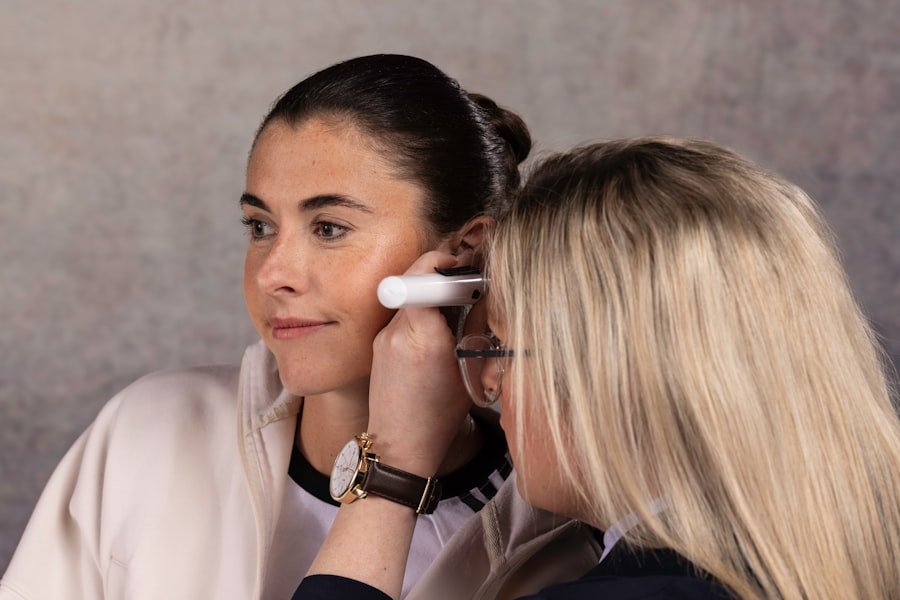
- With your paperwork submitted, you’ll likely be escorted to a private consultation room. This is where the real detective work begins – the hands-on examination of your skin. This is your opportunity to have your skin assessed by an expert who has seen countless cases and understands the nuances of acne.
The Visual Assessment: A Close-Up Look at Your Breakouts
The professional will meticulously examine your skin, often under bright, specialized lighting. This isn’t just a quick glance; it’s a detailed visual inspection.
- Classification of Acne: They will identify the specific types of acne you have. This is crucial because different types require different treatment approaches. You might have:
- Comedones: These are non-inflammatory lesions, including blackheads (open comedones) and whiteheads (closed comedones).
- Papules: Small, red, inflamed bumps.
- Pustules: Papules with a visible white or yellow pus-filled head.
- Nodules: Large, painful, solid lumps that form deep beneath the skin’s surface.
- Cysts: Severe, deep, pus-filled lesions that are often painful and can lead to scarring.
- Severity Assessment: They’ll determine the overall severity of your acne. Is it mild, moderate, or severe? This classification guides the intensity and type of treatments recommended.
- Location, Location, Location: They’ll note where your acne is most prevalent. Breakouts on the forehead might suggest pore-clogging hair products, while jawline acne in women can often be linked to hormonal fluctuations. Chin and chest acne can have different triggers than facial acne.
- Skin Type Evaluation: Beyond just your acne, they’ll assess your underlying skin type. Are you oily, dry, combination, or sensitive? This is vital for selecting treatments and skincare products that won’t exacerbate other skin concerns or cause irritation.
Palpation: Feeling Beneath the Surface
The examination isn’t just visual. The professional will also gently feel your skin, particularly in areas with more significant breakouts.
- Detecting Deeper Lesions: This allows them to identify deeper, more inflamed lesions like nodules and cysts that might not be as readily apparent visually. Palpation helps gauge the depth and firmness of these lesions.
- Assessing Inflammation Levels: They can feel the extent and intensity of inflammation in your skin, which is a key indicator for treatment selection.
Checking for Existing Scarring and Post-Inflammatory Changes
Acne doesn’t always leave cleanly when it clears. The professional will also assess any lingering damage.
- Identifying Types of Scars: They’ll look for different types of acne scars, such as atrophic scars (ice pick, boxcar, rolling) or hypertrophic scars and keloids. The presence and type of scarring will influence the treatment plan, often requiring different approaches than active acne treatment.
- Post-Inflammatory Hyperpigmentation (PIH) and Erythema (PIE): They’ll also note any dark spots (PIH) or persistent redness (PIE) left behind after breakouts have healed. Understanding these post-inflammatory changes is important for addressing the overall appearance of your skin after acne is controlled.
- Once the expert has a clear understanding of your skin’s current state, they’ll move on to the crucial discussion phase. This is where they communicate their findings and begin to collaboratively formulate a treatment strategy with you.
Explaining Their Findings: Demystifying Your Breakouts
The professional will clearly explain what they’ve observed during the examination. This isn’t jargon-filled medical talk; it’s a straightforward explanation of your acne.
- Identifying Contributing Factors: They’ll connect your intake form information with their visual assessment to pinpoint potential causes of your acne. This could include hormonal imbalances, bacterial overgrowth, excess oil production, pore blockages, or even the influence of certain cosmetics or hair products.
- Diagnosis and Prognosis: They’ll provide a formal diagnosis of your acne condition and offer a realistic outlook on what you can expect from treatment. They’ll manage your expectations, explaining that clearing acne is often a process, not an overnight fix.
Discussing Treatment Options: A Personalized Prescription
This is the heart of the consultation. You’ll engage in an open dialogue about the various treatment avenues available.
- Topical Treatments: This is often the first line of defense. They’ll discuss prescription-strength creams, gels, or lotions containing ingredients like:
- Retinoids (Tretinoin, Adapalene, Tazarotene): These are vitamin A derivatives that promote cell turnover and prevent pores from becoming clogged. They are highly effective but can cause initial dryness and peeling.
- Antibiotics (Clindamycin, Erythromycin): Used to kill acne-causing bacteria and reduce inflammation. Often prescribed in combination with other ingredients to prevent resistance.
- Benzoyl Peroxide: A powerful antibacterial agent that also helps to unclog pores. Available in various strengths.
- Azelaic Acid: Helps to kill bacteria, reduce inflammation, and unclog pores. It also has some skin-brightening properties.
- Oral Medications: For moderate to severe acne, or when topical treatments aren’t sufficient, oral medications may be recommended.
- Oral Antibiotics (Doxycycline, Minocycline, Tetracycline): Work systemically to reduce bacteria and inflammation.
- Hormonal Therapies (Birth Control Pills, Spironolactone): Particularly useful for women whose acne is linked to hormonal fluctuations (e.g., jawline acne).
- Isotretinoin (Accutane): A powerful oral retinoid prescribed for severe, stubborn, or scarring acne. It works by drastically reducing oil production, preventing pore clogging, and reducing inflammation. This medication requires close monitoring due to potential side effects.
- In-Office Procedures: Depending on the severity and type of your acne, they might suggest in-office treatments.
- Chemical Peels: Light to medium-depth peels using acids (like salicylic or glycolic acid) to exfoliate the skin, unclog pores, and improve texture.
- Comedone Extraction: Manual removal of blackheads and whiteheads by a trained professional.
- Corticosteroid Injections: For large, painful cystic acne lesions, a small injection of corticosteroid can quickly reduce inflammation and pain.
- Light and Laser Therapies: Certain types of light and laser treatments can target acne-causing bacteria and reduce inflammation.
Discussing Potential Side Effects and Risks
No treatment is without its potential side effects. The professional will have an open and honest conversation about what you might experience.
- Common Side Effects: This might include dryness, redness, peeling, increased sensitivity to sunlight, and mild irritation. They’ll provide strategies for managing these.
- Less Common But Serious Side Effects: For medications like isotretinoin, they’ll explain more significant potential risks and the necessary monitoring protocols (like regular blood tests).
- Managing Expectations: Importantly, they’ll reiterate that results take time and consistency. They’ll help you understand that some initial worsening of acne might occur as the skin begins to respond to treatment.
- The consultation isn’t just about what the professional tells you; it’s also a crucial opportunity for you to ask questions and actively participate in your treatment journey. Your engagement is key to a successful outcome.
Your Questions, Their Answers: Clearing Up Any Doubts
This is your chance to be an active participant in your own skincare. Don’t hesitate to ask anything that’s on your mind, no matter how trivial it might seem.
- “Why do I have acne?” If their explanation wasn’t clear, ask for further clarification on the root causes.
- “How long will it take to see results?” Get a realistic timeframe for when you can expect to notice improvements.
- “What are the chances of scarring?” Discuss the risk of scarring given your current acne and the proposed treatment.
- “Are there any lifestyle changes I should consider?” Reiterate your interest in diet, stress, and sleep implications.
- “What should I do if I experience [specific side effect]?” Have a clear plan for managing any adverse reactions.
- “How do I use this prescription product?” Understand correct application techniques and frequency.
- “What about makeup and sunscreen?” Get guidance on which products are non-comedogenic and suitable for acne-prone skin.
Collaborative Treatment Planning: A Partnership for Healing
The best outcomes are achieved when you and the professional work together. They are the experts, but you are the one living with the skin.
- Shared Decision-Making: After presenting the options, they’ll want your input. What are you comfortable with? What are your concerns about certain treatments? Together, you’ll decide on the best course of action.
- Understanding Your Priorities: Do you need quick results for a wedding, or are you looking for a long-term, sustainable solution? Your priorities will influence the treatment intensity.
- Setting Realistic Goals: Based on your acne’s severity and the chosen treatments, you’ll collaboratively set achievable goals.
Establishing a Skincare Routine: Beyond the Prescription
Acne treatment often involves more than just prescription medications. You’ll receive guidance on a complementary skincare routine.
- Cleansing: Recommendations for gentle, non-drying cleansers that won’t strip your skin’s natural oils.
- Moisturizing: Learning why moisturizing is crucial even for oily skin and selecting appropriate lightweight, oil-free moisturizers.
- Sun Protection: Understanding the importance of daily SPF to prevent sun damage and hyperpigmentation, especially when using acne treatments that increase photosensitivity. Many acne medications make your skin more vulnerable to the sun.
- Exfoliation (with caution): Guidance on when and how to incorporate gentle exfoliants, if appropriate, to aid in pore clarity.
- Your acne consultation doesn’t end when you walk out the door. It’s the beginning of an ongoing relationship focused on achieving and maintaining clear skin. The follow-up is just as important as the initial assessment.
The Treatment Plan: Your Roadmap to Clarity
You’ll leave the consultation with a clear, written or digital treatment plan.
- Prescription Details: This will list all prescribed medications, their dosages, and usage instructions.
- Recommended Skincare Products: Specific product recommendations for your daily routine.
- Lifestyle Advice: Any particular lifestyle adjustments that were discussed.
- Follow-Up Schedule: Information on when you need to return for your next appointment.
Scheduling Your Follow-Up Appointment: Maintaining Momentum
A crucial part of the consultation is scheduling your next visit. This is not an optional step; it’s vital for monitoring progress and making necessary adjustments.
- Monitoring Progress: Follow-up appointments allow the professional to assess how your skin is responding to treatment. Are the medications working effectively? Are there any side effects that need to be managed?
- Adjusting the Treatment: Based on your progress, the treatment plan may need to be modified. This could involve increasing or decreasing medication dosages, switching to different treatments, or adding new therapies.
- Building a Long-Term Strategy: As your acne improves, the focus may shift from aggressive treatment to maintenance, preventing future breakouts.
- Addressing New Concerns: Your skin can change, and new concerns might arise. Follow-up is an opportunity to discuss these.
Understanding the Long-Term Commitment: Patience and Persistence
Clearing acne is often a marathon, not a sprint. The professional will emphasize the importance of patience and consistency throughout the treatment process.
- Consistency is Key: Adhering strictly to the prescribed treatment plan and skincare routine is paramount for achieving results. Skipping doses or inconsistently using products will hinder progress.
- Managing Flare-Ups: Even with treatment, occasional minor breakouts might occur. You’ll learn how to manage these and when to seek professional advice.
- The Goal of Remission: The ultimate goal is to achieve a state of remission where acne is controlled and the skin is clear and healthy. This often involves a combination of treatments and a consistent, adapted maintenance routine.
Embarking on an acne consultation is a proactive and empowering step towards healthier, clearer skin. By understanding what to expect, you can approach your appointment with confidence, ready to collaborate with your skincare professional and embark on a personalized journey to effectively manage and overcome your acne.
FAQs
What is an acne consultation?
An acne consultation is a meeting with a dermatologist or skincare professional to discuss and assess your acne concerns. During the consultation, the professional will examine your skin, discuss your medical history, and recommend a treatment plan.
What happens during an acne consultation?
During an acne consultation, the dermatologist or skincare professional will examine your skin to assess the type and severity of your acne. They will also discuss your medical history, lifestyle factors, and current skincare routine. Based on this information, they will recommend a personalized treatment plan.
What questions should I expect during an acne consultation?
During an acne consultation, you can expect to be asked about your medical history, including any previous treatments for acne, medications you are currently taking, and any allergies or sensitivities. The professional may also inquire about your skincare routine, diet, and lifestyle habits.
What treatments might be recommended during an acne consultation?
The treatments recommended during an acne consultation will depend on the type and severity of your acne. Common treatments may include topical creams, oral medications, chemical peels, laser therapy, or skincare products. The professional will tailor the treatment plan to address your specific needs.
How should I prepare for an acne consultation?
To prepare for an acne consultation, it’s helpful to make a list of any medications you are currently taking, as well as any previous treatments for acne. You may also want to note down your skincare routine, diet, and any concerns or questions you have about your acne. It’s important to arrive with a clean face, free of makeup or skincare products.