
You’re tasked with crafting the ultimate guide to cystic acne, and as the Listicle Content Architect, your mission is to make it clear, comprehensive, and impossible to ignore. This isn’t just any skin condition; it’s a persistent, often painful challenge that can deeply impact self-esteem. Your goal is to arm your readers with the knowledge they need to understand it, identify it, and ultimately, manage it effectively. You’ll break down this complex topic into easily digestible sections, ensuring that by the end, your audience feels empowered and informed. You’ll start with the fundamental question: what exactly is cystic acne and how does it differentiate itself from other blemishes?
You’ve encountered acne before – a whitehead here, a blackhead there. But cystic acne is in a league of its own, a subterranean rebellion festering beneath the surface. It’s crucial for your audience to grasp the fundamental differences, and that starts with understanding the anatomy of these particularly troublesome lesions. You’ll paint a vivid picture, explaining the process from pore to painful cyst.
1.1 Beyond the Surface: Differentiating Cystic Acne from Other Blemishes
This is your hook, the initial clarification that sets the stage. Your readers need to know why this type of acne deserves its own discussion.
- The Visible vs. The Veiled: You’ll start by contrasting the superficial nature of common acne types with the deep-seated nature of cystic acne. Think about a pimple you can pop – that’s surface-level. Cystic acne, on the other hand, is like a submerged minefield.
- Size Matters (But It’s Not the Only Factor): While cysts are typically large, you’ll emphasize that size isn’t the sole determinant. It’s their depth, inflammation, and the way they form that truly defines them. You’ll use descriptive language here – “swollen mounds,” “rock-hard nodules,” “painful lumps.”
- The Anatomy of a Pimple (The Shallow Kind): Briefly explain how common pimples form: a clogged pore (hair follicle) with sebum (oil) and dead skin cells, often leading to a buildup of P. acnes bacteria and a localized inflammatory response. This provides a baseline for comparison.
- The Birth of a Cyst (The Deep Kind): Now, delve into the cystic formation. You’ll explain how, in cystic acne, the pore wall actually ruptures deep within the skin. This isn’t a superficial blockage; it’s a significant breach.
- Inflammation Gone Wild: The rupture releases the contents of the follicle (sebum, dead skin cells, bacteria) into the surrounding dermis. This triggers a robust inflammatory response from your immune system. This is where the “cyst” moniker comes from – a sac-like structure filled with pus and inflammatory material, but critically, it’s under the skin, not at the surface.
- The Feel and Appearance: Describe what cystic acne feels like and looks like. It’s not just a red bump; it’s a tender, often painful nodule that can be inflamed and red, but crucially, might not have a distinct head or point of pus visible on the skin’s surface. It feels like a deep, internal ache.
1.2 The Deeper Dialogue: What’s Brewing Beneath the Epidermis?
This section allows you to expand on the internal processes that lead to cystic acne, giving your audience a more nuanced understanding.
- The Role of the Sebaceous Gland: You’ll reiterate the importance of these oil-producing glands. In cystic acne, these glands can become overactive, producing an excess of sebum. This sets the stage for blockages.
- The Pore’s Inner Walls: Explain how dead skin cells, instead of shedding normally, can stick together and contribute to the blockage. This sticky combination of sebum and dead cells creates a perfect breeding ground.
- **The Bacterial Culprit: Propionibacterium acnes:** You’ll highlight the role of this common skin bacterium. When trapped in a clogged pore with excess sebum, it thrives and multiplies, further contributing to inflammation and the rupture of the follicle wall.
- The Inflammatory Cascade: This is a key differentiator. You’ll describe how the immune system’s response to the ruptured follicle and the bacteria is more intense and widespread in cystic acne, leading to the deep, painful, and persistent nature of these lesions. It’s an overreaction of the body’s defense mechanisms.
- The Formation of the Cyst Sac: Elaborate on how the body, in an attempt to contain the infection and inflammation, can form a sac-like structure around the affected area. This sac is what constitutes the “cyst.”
2. The Culprits Unmasked: Why Do These Deep Blemishes Form?
Now that your audience understands what cystic acne is, you’ll tackle the equally important question of why. This is where you’ll break down the contributing factors, giving them a roadmap to understanding their own skin and potential triggers. You’ll emphasize that it’s rarely a single cause but a complex interplay of elements.
2.1 The Genetic Undercurrent: Is It in Your DNA?
Genetics plays a significant role in many health conditions, and acne is no exception. You’ll explain how inherited traits can influence skin susceptibility.
- The Family Tree of Acne: You’ll discuss how a family history of acne, particularly severe or persistent forms like cystic acne, is a strong indicator that you might be predisposed. It’s not a guarantee, but it raises the likelihood.
- Inherited Skin Characteristics: Explore how certain genetic factors can predispose individuals to larger sebaceous glands, faster skin cell turnover within pores, or a more sensitive inflammatory response. These are traits passed down through generations.
- The Influence on Hormonal Sensitivity: You’ll briefly touch upon how genetics can influence how your body responds to hormonal fluctuations, a major driver of acne.
2.2 Hormonal Havoc: The Testosterone Tango and Beyond
Hormones are notorious contributors to acne, and you’ll dedicate a significant portion to their impact, particularly for your audience who might be experiencing hormonal shifts.
- Androgens: The Oil Stimulators: You’ll explain the role of androgens, such as testosterone, which are present in both men and women. You’ll detail how these hormones stimulate the sebaceous glands to produce more oil.
- Puberty’s Pangs: This is a prime time for hormonal surges. You’ll discuss how the increased androgen levels during puberty are a major reason why acne often begins at this stage.
- Menstrual Mayhem: The Monthly Cycle: For individuals with female reproductive systems, you’ll detail the fluctuations of estrogen and progesterone throughout the menstrual cycle. You’ll explain how a drop in these hormones before menstruation can lead to an increase in androgen activity, triggering breakouts.
- Polycystic Ovary Syndrome (PCOS): A Hormonal Imbalance: You’ll introduce PCOS as a medical condition characterized by hormonal imbalances, often leading to significant acne, including cystic forms. Explain that this is a more complex hormonal issue requiring medical attention.
- Stress and Cortisol: You’ll connect stress to acne. When you’re stressed, your body releases cortisol, a steroid hormone. Cortisol can signal your sebaceous glands to produce more oil, thus exacerbating acne.
2.3 Lifestyle and Environmental Triggers: Beyond the Biology
It’s not just what’s happening inside your body; external factors can also play a role in exacerbating or triggering cystic acne.
- Dietary Debates: The Food-Acne Connection: This is a hot topic, and you’ll address it with nuance. You’ll mention the ongoing research and discussion around certain foods that may trigger inflammation or hormonal responses in some individuals.
- High Glycemic Index Foods: Explain how foods that rapidly spike blood sugar (like white bread, sugary drinks, processed snacks) can lead to insulin spikes, which may, in turn, influence androgen levels and sebum production.
- Dairy Products: Discuss the potential link between dairy consumption and acne, particularly in some individuals. You’ll mention dairy’s potential to influence insulin-like growth factor-1 (IGF-1), which can stimulate sebum production.
- Emphasis on Individual Response: Crucially, you’ll stress that these are not universal triggers and that individual responses to diet vary greatly. You’ll advise consulting a doctor or dermatologist before making drastic dietary changes.
- Skincare Sabotage: The Wrong Products: You’ll highlight how certain skincare products, especially those that are comedogenic (pore-clogging) or overly harsh, can contribute to acne.
- Heavy, Oily Formulations: Explain how thick, oil-based creams or makeup can clog pores, creating the perfect environment for acne to develop.
- Harsh Exfoliants and Irritants: While exfoliation is important, you’ll warn against over-exfoliating or using products that irritate the skin, as this can worsen inflammation and lead to breakouts.
- Friction and Pressure: The “Maskne” Phenomenon and Beyond: You’ll discuss how friction and pressure on the skin can irritate hair follicles and lead to breakouts.
- Tight Clothing and Straps: Mention how sports bras, helmets, or tight collars can cause friction.
- Cell Phones and Pillowcases: Offer practical tips like cleaning your phone regularly and changing your pillowcase frequently.
- “Maskne”: You’ll address this modern-day trigger, explaining how the combination of occlusion, moisture, and friction from masks can exacerbate acne.
3. The Tangible Toll: Recognizing the Signs and Symptoms
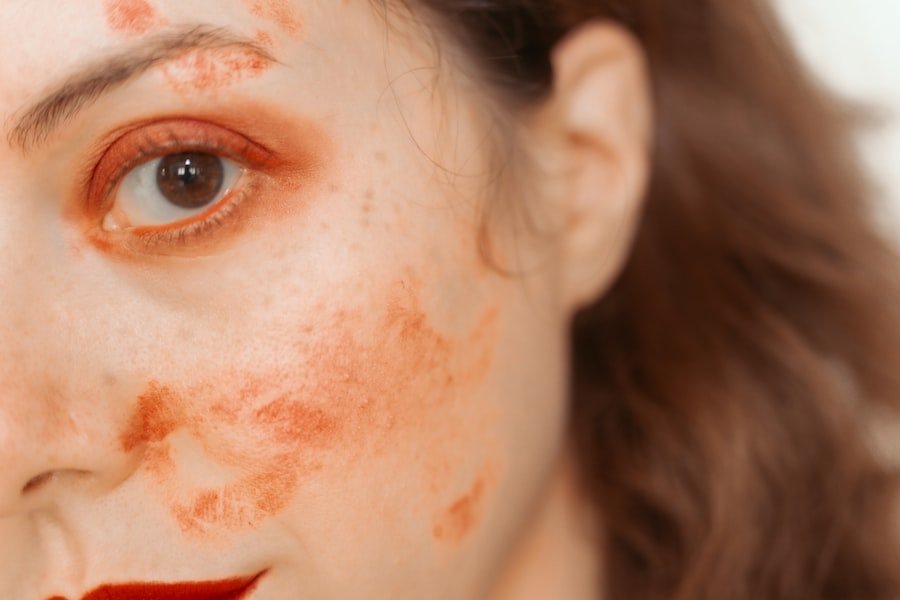
Your audience needs to be able to identify cystic acne confidently. This section will be all about the visual and tactile cues, empowering them to differentiate these deep lesions from less severe forms of acne. You’ll make it clear that this isn’t just about appearance; it’s about the physical discomfort and potential consequences.
3.1 The Visual Dictionary: What Cystic Acne Looks Like
Paint a clear visual picture so your readers can recognize it without doubt.
- Deep-Seated Nodules: Emphasize that these are not superficial bumps. Describe them as large, firm, and often painful lumps that are felt more than seen initially. They reside deep within the dermis.
- Inflammation and Redness: Explain that cystic acne is characterized by significant inflammation, leading to noticeable redness and swelling around the lesion. The entire area might feel warm to the touch.
- Absence of a “Head”: This is a critical differentiator. Unlike a typical pimple, cystic acne often lacks a visible white or yellow head filled with pus at the surface. The pus is contained deeper within the skin.
- Potentially Multiple Lesions: While an individual can get a single cyst, it’s common for cystic acne to manifest as multiple inflamed nodules across the face, chest, back, or shoulders.
- Varying Stages of Development: You’ll describe how these lesions can appear in different stages – some as tender red lumps, others as more developed pockets of pus that are still deep and painful.
3.2 The Physical Testimony: How Cystic Acne Feels
The sensory experience of cystic acne is just as important for identification.
- Pain and Tenderness: This is a hallmark symptom. You’ll stress that cystic acne is often quite painful and tender to the touch, sometimes even when you’re not directly pressing on it. It’s a deep, aching discomfort.
- Hard and Lumpy Texture: Describe the texture as firm and solid. You can often feel the underlying lump beneath the skin’s surface, even if it’s not highly visible.
- Sensitivity to Touch: Readers will understand that even brushing against a cystic lesion can be uncomfortable.
- Potential for Discharge (Under Pressure): While they don’t have a visible head, if you were to gently press (which you will advise against), a thick, sometimes bloody pus might be expressed. However, this is not the typical popping experience of superficial acne.
3.3 The Long-Term Legacy: Scarring and Hyperpigmentation
This is where you highlight the potential for lasting damage and the increased urgency of addressing cystic acne.
- The Risk of Scarring: You’ll explain that because cystic acne involves deep inflammation and damage to the dermis, it has a much higher risk of causing permanent scars.
- Types of Acne Scars: Briefly mention common types like atrophic scars (ice pick, boxcar, rolling) and hypertrophic scars (raised scars). This underscores the importance of early intervention.
- Post-Inflammatory Hyperpigmentation (PIH): The Dark Spots: You’ll explain that even after the cyst heals, it can leave behind dark spots or discoloration (PIH), which can be frustrating and take a long time to fade.
- Impact on Self-Esteem: You’ll acknowledge the significant emotional and psychological toll that chronic and severe acne, especially cystic acne, can take on an individual’s confidence and quality of life. This adds a layer of empathy to your content.
4. Navigating the Treatment Labyrinth: Strategies for Managing Cystic Acne

This is the action-oriented section, where you equip your readers with practical advice and treatment options. You’ll make it clear that cystic acne often requires a multi-pronged approach and that professional guidance is frequently necessary.
4.1 Over-the-Counter (OTC) vs. Prescription Power: What to Reach For
You need to guide your audience on where to start, differentiating between what they can try at home and when they need to seek professional help.
- The Limitations of OTC for Cystic Acne: Be direct and honest. You’ll explain that while OTC products can be helpful for mild to moderate acne, they are often insufficient to treat the deep, inflammatory nature of cystic acne.
- Key OTC Ingredients to Look For (with caution):
- Salicylic Acid (BHA): Explain its role in exfoliating and penetrating pores. You’ll note that it can help prevent some breakouts but is unlikely to resolve existing cysts.
- Benzoyl Peroxide: Describe its antibacterial properties. You’ll warn about its potential to be drying and irritating, which can worsen inflammation if overused on cystic lesions.
- Sulfur: Mention its anti-inflammatory and mild antibacterial properties.
- When to See a Dermatologist: This is a critical turning point. You’ll strongly advise consulting a dermatologist if:
- OTC treatments haven’t worked after several weeks.
- Acne is widespread and significantly impacting your face, chest, or back.
- Lesions are painful and deep.
- You’re experiencing scarring or the beginnings of it.
- Acne is affecting your self-esteem and mental well-being.
4.2 Prescription Powerhouses: When the Doctor Steps In
This is where you introduce the more potent treatments that a dermatologist can prescribe. You’ll explain the purpose and general mechanism of action, emphasizing that these are medical treatments.
- Topical Antibiotics: Explain how these are used to kill bacteria and reduce inflammation. Examples include clindamycin and erythromycin.
- Topical Retinoids (Prescription Strength): You’ll highlight their role in unclogging pores and reducing inflammation. Examples include tretinoin, adapalene (prescription strength), and tazarotene. You’ll mention their potential for initial purging and dryness.
- Oral Antibiotics: Discuss how these are used to combat bacteria systemically and reduce inflammation for more severe or widespread cases. Examples include doxycycline, minocycline, and tetracycline. You’ll mention the importance of taking them as prescribed and understanding potential side effects.
- Hormonal Therapies (for hormonal acne):
- Oral Contraceptives (Birth Control Pills): Explain how certain pills can help regulate hormones and reduce sebum production.
- Spironolactone: Describe this medication as an anti-androgen that can significantly help with hormonal acne.
- Isotretinoin (Accutane): The Powerful Prescription: This deserves its own detailed explanation as it’s often the most effective but also the most potent treatment.
- Mechanism of Action: Explain how it targets all major causes of acne: reduces sebum production dramatically, prevents pore blockages, reduces inflammation, and decreases bacteria.
- Who It’s For: Emphasize that it’s typically reserved for severe, recalcitrant nodulocystic acne that hasn’t responded to other treatments.
- The Importance of Medical Supervision: Stress that it requires strict medical supervision due to potential side effects and the need for pregnancy prevention in women of childbearing potential.
4.3 In-Office Procedures: Targeted Intervention
Briefly touch on procedures that dermatologists might offer in their clinics.
- Corticosteroid Injections: Explain how a small injection directly into a painful cyst can rapidly reduce inflammation and pain, helping it to shrink faster and reducing the risk of scarring.
- Drainage and Extraction (by a professional): Describe how a dermatologist might carefully drain a large, painful cyst to relieve pressure and encourage healing. Emphasize that this should not be attempted at home.
5. The Long Game: Maintaining Clear Skin and Preventing Recurrence
| Definition | Cystic acne is a severe form of acne that occurs when oil and dead skin cells build up deep within hair follicles, leading to painful, inflamed cysts. |
|---|---|
| Cause | Cystic acne is caused by a combination of factors, including excess oil production, clogged pores, bacteria, and inflammation. |
| Symptoms | Symptoms of cystic acne include large, red, and painful breakouts, as well as potential scarring. |
| Treatment | Treatment options for cystic acne may include prescription medications, such as isotretinoin, oral antibiotics, and topical treatments. |
| Prevention | Preventing cystic acne involves maintaining a good skincare routine, avoiding picking or squeezing the skin, and managing stress levels. |
You’ve educated your audience on what cystic acne is, why it happens, how to recognize it, and how to treat it. Now, you’ll provide them with a path forward for long-term skin health and preventing future flare-ups. This is about sustainable habits and a proactive approach.
5.1 Establishing a Skincare Routine: Beyond the Basics
A consistent and effective skincare routine is paramount. You’ll guide them on building one that suits their needs without exacerbating the problem.
- Gentle Cleansing: Emphasize the importance of using a mild, non-foaming cleanser twice a day to remove excess oil, dirt, and makeup without stripping the skin’s natural barrier.
- Targeted Treatments (as prescribed): Reiterate the importance of using any prescribed topical medications consistently as directed by their dermatologist.
- Moisturizing is Non-Negotiable: This is a crucial point that often gets overlooked. You’ll explain that even oily, acne-prone skin needs hydration. The key is to choose non-comedogenic, oil-free moisturizers that won’t clog pores.
- Sun Protection is Essential: You’ll explain that sun exposure can worsen post-inflammatory hyperpigmentation and that many acne treatments can make the skin more sensitive to the sun. Recommend a broad-spectrum SPF 30 or higher daily.
- Avoiding Harsh Ingredients and Over-Exfoliation: Reinforce the advice about steering clear of abrasive scrubs, alcohol-based toners, and excessive exfoliation, as these can damage the skin barrier and worsen inflammation.
5.2 Lifestyle Adjustments for Lasting Clarity
Connecting back to the triggers, you’ll offer practical lifestyle tips.
- Consistent Sleep Habits: Explain the link between sleep deprivation and stress hormones, which can impact acne. Aim for 7-9 hours of quality sleep per night.
- Stress Management Techniques: Suggest incorporating stress-reducing activities like yoga, meditation, deep breathing exercises, or spending time in nature.
- Mindful Eating Habits: Reiterate the importance of a balanced diet rich in fruits, vegetables, and whole grains. While you won’t make definitive pronouncements about specific food triggers, you’ll encourage readers to be mindful of their own body’s responses and discuss any concerns with a healthcare professional.
- Hydration is Key: Encourage drinking plenty of water throughout the day to keep the skin hydrated and support overall bodily functions.
5.3 The Mind-Body Connection: Emotional Well-being and Acne
You’ve touched on the emotional toll, and here you’ll reinforce the importance of mental health in managing chronic conditions.
- Seeking Support: Encourage your audience to talk to friends, family, or a mental health professional if they are struggling with the emotional impact of cystic acne.
- Practicing Self-Compassion: Remind them that acne is a medical condition and not a reflection of their cleanliness or worth. Encourage kindness and patience with themselves throughout the treatment process.
- Focusing on Progress, Not Perfection: Celebrate small victories in their skincare journey and treatment progress. It’s a marathon, not a sprint, and consistency is key.
- Educating Yourself: You’ve just provided them with a comprehensive guide, but you’ll encourage them to continue learning and stay informed about their skin health.
By meticulously structuring your listicle with these sections and subheadings, you are setting your audience up for success. You’re demystifying cystic acne, empowering them with knowledge, and guiding them towards effective management and long-term skin health. You’ve not only answered “What is Cystic Acne?” but also provided a comprehensive roadmap for understanding and overcoming it.
FAQs
What is cystic acne?
Cystic acne is a severe form of acne that occurs when pores become blocked with dead skin cells and oil, leading to inflammation and infection. This results in large, painful cysts deep within the skin.
What causes cystic acne?
Cystic acne is primarily caused by hormonal changes, particularly an increase in androgens. Genetics, certain medications, and lifestyle factors such as stress and diet can also contribute to the development of cystic acne.
How is cystic acne treated?
Treatment for cystic acne often involves a combination of topical and oral medications, such as retinoids, antibiotics, and hormonal therapies. In severe cases, isotretinoin may be prescribed. Additionally, procedures like corticosteroid injections and drainage of cysts may be necessary.
What are the potential complications of cystic acne?
If left untreated, cystic acne can lead to scarring and hyperpigmentation. It can also have a significant impact on a person’s emotional well-being, leading to low self-esteem and depression.
Can cystic acne be prevented?
While it may not be entirely preventable, certain measures can help reduce the risk of developing cystic acne. These include maintaining a healthy skincare routine, managing stress, and avoiding triggers such as certain foods and harsh skincare products.