
Are hiccups disrupting your day? Don’t worry, we’ve got you covered! In this article, we will share five tried and tested methods to effectively get rid of hiccups. Whether it’s through simple techniques like holding your breath or sipping water, or trying out more unconventional remedies like swallowing sugar or pulling your tongue, we guarantee that at least one of these strategies will help you bid farewell to those pesky hiccups and get you back to feeling your best. So, let’s dive into these easy and friendly ways to say goodbye to hiccups once and for all!
5 Effective Ways to Get Rid of Hiccups
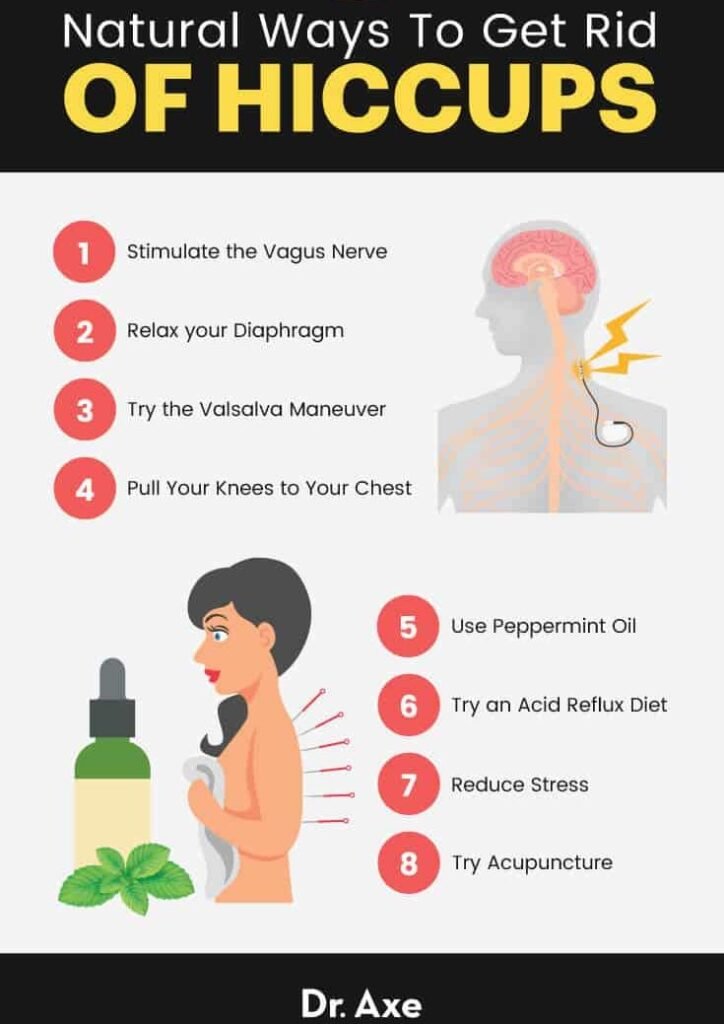
1. Drink Water
Hiccups can be an annoying and uncomfortable experience, but luckily, there are several effective remedies that can help you get rid of them quickly. One of the simplest and most effective ways to stop hiccups is by drinking a glass of water. The idea behind this remedy is that swallowing water helps stimulate the vagus nerve, which plays a role in controlling the diaphragm muscle responsible for hiccups. By drinking water, you can interrupt the hiccup reflex and restore normal breathing.
To use this method, simply take a small glass of water, tilt your head back slightly, and drink it in one go. It’s important to note that drinking water is most effective when the water is cool or at room temperature, as very cold or hot water may actually trigger hiccups or make them worse. Additionally, taking slow and controlled sips can also help to slow down your breathing and relax your diaphragm, aiding in stopping the hiccups.
2. Hold Your Breath
Another simple yet effective technique to get rid of hiccups is by holding your breath. By holding your breath, you can increase the carbon dioxide levels in your body and distract your diaphragm, ultimately interrupting the hiccup reflex. This method is particularly helpful for hiccups that persist for an extended period.
To perform this technique, take a deep breath in and hold it for as long as you can comfortably manage. Focus on keeping your breath held and avoiding any sudden or involuntary inhales or exhales. After holding your breath for about 10-20 seconds, slowly exhale and resume normal breathing. In many cases, this method can stop hiccups instantly or after a few attempts.
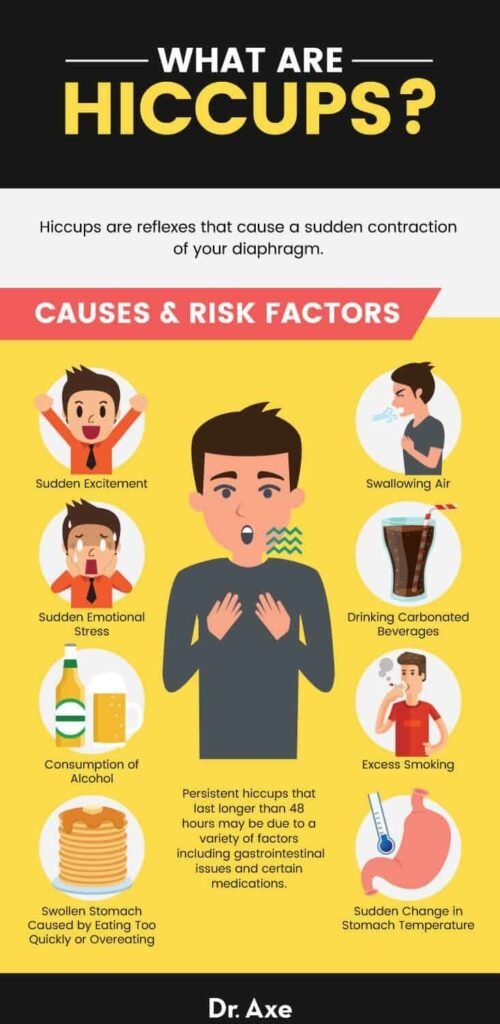
3. Gargle with Water
Gargling with water is another effective remedy for getting rid of hiccups. By gargling, you are activating the muscles in the back of your throat and mouth, which can help to interrupt the spasms of the diaphragm responsible for hiccups.
To try this method, fill a glass with a small amount of water, tilt your head back slightly, and take a sip of water. Gargle the water in your throat for a couple of seconds, ensuring it reaches the back of your mouth. Spit the water out and repeat the process a few times if necessary. Gargling can help to reset the muscles involved in hiccupping and provide relief.
4. Apply Pressure
Applying pressure to certain areas of your body can also help to alleviate hiccups. One such method involves gently pressing on the diaphragm muscle itself. The diaphragm is a large muscle located between your chest and abdomen, and applying pressure to it can potentially stop hiccups by stimulating the nerves and interrupting the spasms.
To perform this technique, find a comfortable position and apply gentle pressure to the area just below your ribcage in the center of your abdomen. You can use your fingers or the palm of your hand to apply the pressure. Hold the pressure for about 30 seconds, release, and observe if the hiccups stop. If they persist, you can repeat the process a few more times, gradually increasing the pressure if needed.
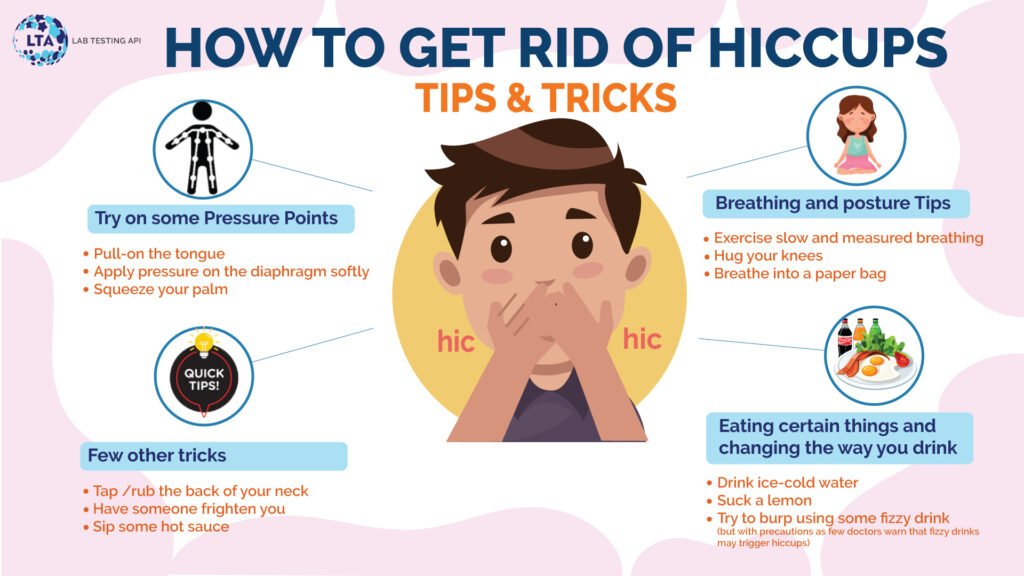
5. Try Natural Remedies
In addition to the above techniques, there are various natural remedies that are believed to help stop hiccups. These remedies often involve certain ingredients or activities that can have a calming effect on the diaphragm and help to alleviate the hiccups.
One common natural remedy is to eat a teaspoon of sugar or a teaspoon of honey. Both sugar and honey can help to stimulate the vagus nerve and disrupt the hiccup reflex. Simply take a small amount of sugar or honey and let it slowly dissolve in your mouth. This method is particularly effective for hiccups caused by swallowing something too quickly or irritants in the throat.
Another natural remedy involves drinking a teaspoon of vinegar. The sour taste of vinegar is thought to stimulate the nerves in the throat and can help to stop hiccups. Take a small teaspoon of vinegar and swallow it without diluting it. Although this method may not be suitable for everyone, it can provide relief for some individuals.
6. Use Distraction Techniques
Sometimes, hiccups can be stopped by distracting your body and mind from the hiccup reflex. Engaging in activities that require concentration can redirect your focus and interrupt the spasms of the diaphragm.
One effective distraction technique is to try swallowing something dry, such as a teaspoon of peanut butter or a small piece of bread. The act of swallowing with a dry mouth can force you to concentrate and can potentially stop hiccups. Additionally, biting on a lemon wedge or sour candy can also distract your system and provide relief. These methods work by stimulating the nerves in your mouth and throat and diverting attention away from the hiccup reflex.
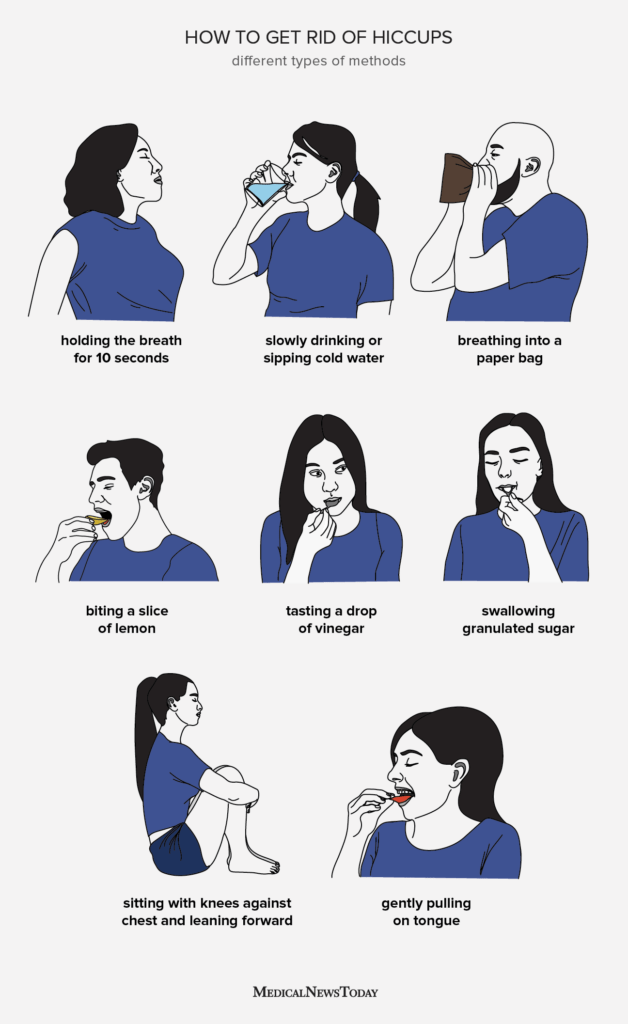
7. Adjust Your Breathing
Since hiccups are caused by an involuntary contraction of the diaphragm muscle, adjusting your breathing pattern can help alleviate hiccups. By consciously slowing down and regulating your breath, you can relax your diaphragm and restore normal breathing.
One effective breathing technique to try is diaphragmatic breathing. This technique involves taking slow, deep breaths by expanding your diaphragm rather than your chest. To practice diaphragmatic breathing, find a comfortable position and place one hand on your chest and the other just below your ribcage. Take a deep breath in through your nose, ensuring that your hand on your chest remains still while the hand on your abdomen rises. Exhale slowly through your mouth, allowing your abdomen to fall. Repeat this process several times, focusing on deep, steady breaths. Diaphragmatic breathing can help relax your diaphragm muscle and may stop hiccups as a result.
8. Consume Certain Foods or Beverages
Certain foods and beverages are believed to have properties that can help alleviate hiccups. These items may work by stimulating certain nerves or by providing a distraction from the hiccup reflex.
One popular remedy is to eat a spoonful of peanut butter or swallow a teaspoon of granulated sugar. Chewing or swallowing thick substances like peanut butter can engage the muscles involved in swallowing and breathing, potentially interrupting the diaphragm spasms.
Drinking a glass of cold water while plugging your ears is another technique that combines both distraction and temperature stimulation. By drinking cold water and simultaneously blocking out external sounds, you can provide two stimuli that may help to disrupt the hiccup cycle.
9. Utilize Acupressure
Acupressure is an ancient healing technique that involves applying pressure to specific points on the body to promote healing and relieve ailments. When it comes to hiccups, acupressure can be used to stimulate certain pressure points that may disrupt the hiccup cycle.
One such point is located on the back of the hand between the thumb and index finger. Applying firm pressure to this point for a few minutes may help to relieve hiccups. Another point is located on the upper lip, just below the nose. Gently press on this point with your thumb for a few seconds while holding your breath, and then release. Repeat this process a few times if necessary. Acupressure can help to alleviate hiccups by activating nerves and improving the flow of energy through the body.
10. Seek Professional Help
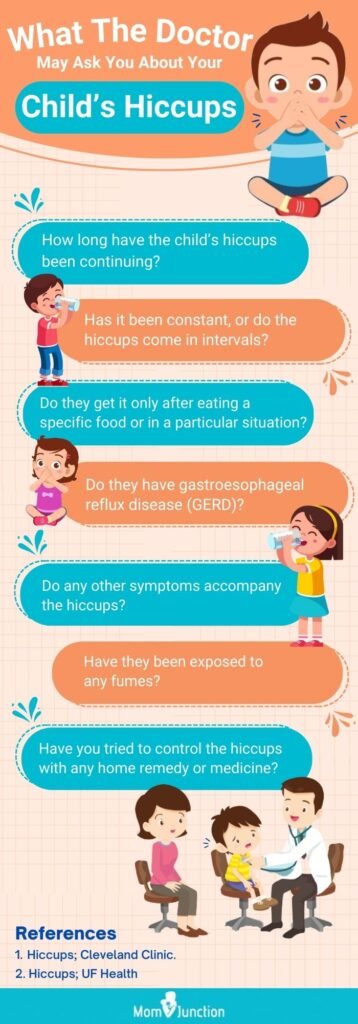
In rare cases where hiccups persist for an extended period of time or interfere with daily activities, it may be necessary to seek professional help. Chronic hiccups can be a symptom of an underlying medical condition, such as nerve damage, gastrointestinal disorders, or respiratory problems. Consulting a healthcare professional can help determine the cause of chronic hiccups and guide you towards appropriate treatment options.
In conclusion, hiccups can be an annoyance, but with these effective methods, you can quickly get rid of them and restore comfort. Whether it’s through simple techniques like drinking water or holding your breath, trying natural remedies, utilizing distraction techniques or adjusting your breathing pattern, there are several strategies you can employ to stop hiccups. Remember that what works for one person may not work for another, so don’t hesitate to try different methods until you find the one that works best for you. However, if you experience chronic hiccups or hiccups that are accompanied by other symptoms, it’s important to seek professional medical advice to rule out any underlying health issues.