
Have you ever experienced the frustrating and often embarrassing phenomenon of hiccups? We’ve all been there, desperately trying to suppress these involuntary spasms that seem to have a mind of their own. But have you ever wondered why hiccups occur in the first place? In this article, we’ll explore the fascinating science behind hiccups and discover some effective methods to stop them in their tracks. So, next time you feel that telltale sign of a hiccup coming on, fear not. By the end of this article, you’ll be armed with the knowledge to conquer those pesky hiccups once and for all.
Causes of Hiccups
Hiccups can be quite bothersome and even embarrassing, but have you ever wondered what causes them in the first place? There are several factors that can lead to the onset of hiccups, and understanding these causes is the first step towards finding effective ways to stop them. Let’s take a closer look at some common causes of hiccups.
Diaphragm Irritation
The diaphragm plays a crucial role in our breathing process. It is a dome-shaped muscle that separates the chest cavity from the abdominal cavity. When the diaphragm becomes irritated, it can contract involuntarily and cause hiccups. Common causes of diaphragm irritation include eating too quickly, consuming spicy or hot foods, and swallowing large bites of food.
Gastroesophageal Reflux
Gastroesophageal reflux, also known as acid reflux, is a condition in which the stomach acid flows back into the esophagus. This backward flow can irritate the diaphragm, leading to hiccups. Certain foods, such as citrus fruits, tomatoes, and spicy foods, can trigger acid reflux and increase the likelihood of hiccups.
Nerve Irritation
Hiccups can also be triggered by irritation of the nerves that supply the diaphragm. This irritation can result from a variety of factors, including certain medications, damage to the phrenic nerves (the nerves that control the diaphragm), or medical conditions like diabetes or multiple sclerosis.
Central Nervous System Disorders
In some cases, hiccups can be a symptom of underlying central nervous system disorders. Conditions such as meningitis, stroke, or tumors in the brain or spinal cord can irritate the nerves involved in hiccups, leading to their occurrence.
Stomach Distension
When the stomach becomes distended or swollen, it can put pressure on the diaphragm, leading to hiccups. Overeating, swallowing too much air while eating or drinking, and consuming carbonated beverages can all contribute to stomach distension and the subsequent development of hiccups.
Sudden Temperature Changes
Exposure to sudden changes in temperature, particularly the intake of cold beverages or food, can stimulate the nerves in the throat and cause hiccups. This is why some people may experience hiccups after drinking an icy cold beverage or eating a frozen treat quickly.
The Diaphragm and Hiccups
To understand hiccups better, it’s essential to have a basic understanding of the diaphragm and its role in our body’s respiratory system. The diaphragm is a large muscle located between the chest and abdominal cavities.
Understanding the Diaphragm
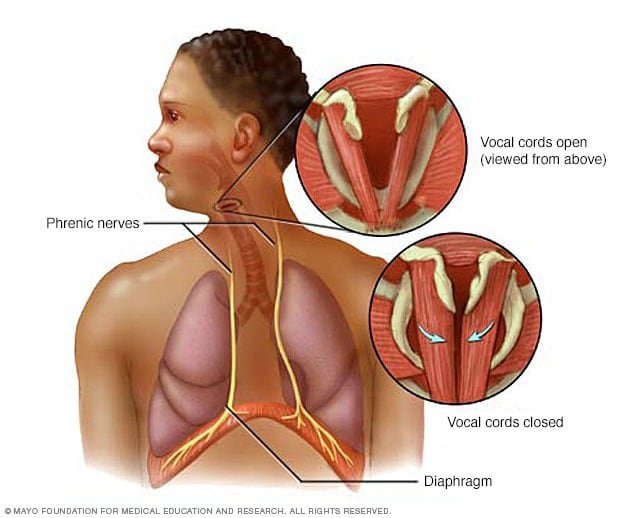
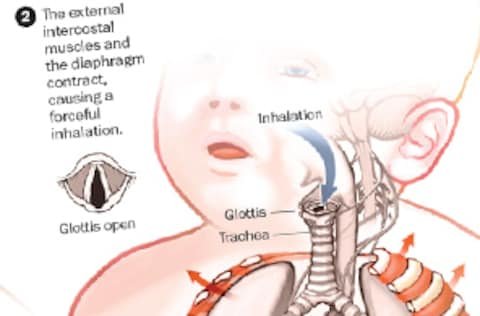
The diaphragm is responsible for the process of inhalation and exhalation. When we inhale, the diaphragm contracts, causing it to flatten and move downward. This movement increases the volume of the chest cavity, allowing the lungs to expand and fill with air. When we exhale, the diaphragm relaxes and moves upward, reducing the volume of the chest cavity and expelling air from the lungs.
How Hiccups Occur
During the normal breathing process, the diaphragm moves smoothly and rhythmically. However, certain factors can disrupt this smooth movement, leading to hiccups. When the diaphragm muscle contracts in an uncontrolled and irregular manner, it causes an abrupt intake of air, resulting in the characteristic “hic” sound.
The Role of Nerves in Hiccups
Nerves play a crucial role in the occurrence of hiccups. The phrenic nerves, which control the movement of the diaphragm, originate from the neck and travel down to the diaphragm. When these nerves become irritated or stimulated, they can cause the diaphragm to contract involuntarily, leading to hiccups.
Common Triggers for Hiccups
Hiccups can sometimes be triggered by certain habits, activities, or substances. While triggers can vary from person to person, some common factors are known to increase the likelihood of experiencing hiccups.
Eating and Drinking Habits
Eating too quickly, consuming large bites of food, or drinking too rapidly can irritate the diaphragm and lead to hiccups. Taking the time to eat slowly, chew food thoroughly, and sipping beverages slowly can help reduce the chances of developing hiccups.
Alcohol and Carbonated Drinks
Alcohol and carbonated beverages are known to irritate the diaphragm and increase the likelihood of hiccups. The carbonation in drinks like soda or sparkling water can cause excessive gas and bloating in the stomach, leading to diaphragm spasms and hiccups.
Sudden Excitement or Stress
Strong emotions such as sudden excitement or stress can trigger hiccups in some individuals. The body’s response to these emotions can disrupt the normal functioning of the diaphragm and lead to hiccups.
Swallowing Air
Swallowing excessive amounts of air, also known as aerophagia, can increase the chances of hiccups. This often occurs when eating too quickly, chewing gum, or smoking.
Smoking
Smoking is known to irritate the nerves involved in the hiccup reflex. The chemicals in cigarettes can stimulate the diaphragm and trigger hiccups. Quitting smoking not only helps reduce the occurrence of hiccups but also has numerous other health benefits.
Effectiveness of Home Remedies
When hiccups strike, people often seek out home remedies to find relief. While some may sound unconventional, these remedies have been passed down through generations and are quite effective for many individuals.
Surprising Remedies That Work
One popular method that has stood the test of time is the “scare tactic.” Startling the hiccup sufferer with a sudden loud noise or surprise can interrupt the hiccup cycle and provide instant relief. This method works by diverting the brain’s attention from the diaphragm spasms.
Breathing Techniques
Certain breathing techniques have been found to be successful in stopping hiccups. One such technique is diaphragmatic breathing, where you take slow, deep breaths, filling your lungs while focusing on relaxing your diaphragm. This helps regulate the diaphragm’s movement and can alleviate hiccups.
Drinking Water Upside Down
The act of drinking water while upside down is believed to stimulate the vagus nerve, which can help halt hiccups. To try this remedy, bend at the waist, bring your head down towards your knees, and drink a glass of water from the opposite side of the glass (near your forehead).
Holding Your Breath
Holding your breath for a short period, usually a few seconds, can interrupt the hiccup reflex and provide temporary relief. By holding your breath, you increase the level of carbon dioxide in your bloodstream, which can help regulate the spasms of the diaphragm.
Pulling the Tongue
Gently pulling your tongue forward can stimulate the nerves in the throat and interrupt the hiccup cycle. This method can be particularly helpful for people who experience hiccups due to irritation of the throat or esophagus.
Applying Pressure to the Eyeballs
Though it may sound peculiar, applying gentle pressure to your closed eyelids can stimulate the vagus nerve and potentially stop hiccups. This remedy should be done with caution, as applying too much pressure can damage the eyes.
While home remedies have been known to provide relief for many individuals, it’s important to keep in mind that what works for one person may not work for another. If hiccups persist or become chronic, it’s advisable to consult with a medical professional for further evaluation and treatment options.

Medications for Hiccups
In some cases, home remedies may not be sufficient to alleviate hiccups, especially if they persist for a long time or become chronic. In such instances, medications may be prescribed to help manage the condition.
Muscle Relaxants
Muscle relaxants such as baclofen can be prescribed to relieve persistent hiccups. These medications work by relaxing the muscles, including the diaphragm, and reducing the frequency and intensity of hiccups.
Anticonvulsants
Certain anticonvulsant medications, like gabapentin and carbamazepine, have been found to be effective in treating chronic hiccups. These drugs help regulate nerve activity and can suppress the hiccups by stabilizing the nerves involved in the diaphragm spasms.
Proton Pump Inhibitors
Proton pump inhibitors (PPIs), commonly used to treat acid reflux and stomach ulcers, can also be beneficial in managing hiccups caused by gastroesophageal reflux disease (GERD). By reducing stomach acid production, PPIs minimize irritation of the diaphragm and help alleviate hiccups.
Sedatives
In certain cases where stress and anxiety contribute to hiccups, sedatives can be prescribed to promote relaxation and reduce muscle spasms. Sedatives such as diazepam or lorazepam may be prescribed for their calming effects, which can help interrupt the hiccup reflex.
Antipsychotics
In severe cases of persistent hiccups, antipsychotic medications like chlorpromazine may be prescribed. These medications have been found to inhibit the nerves involved in hiccup reflexes, providing relief for individuals with chronic hiccup conditions.
It’s important to note that medications should only be taken under the guidance of a healthcare professional, as they may have side effects or interactions with other medications you may be taking.
Medical Interventions for Hiccups
In rare cases, when hiccups become chronic and resistant to other forms of treatment, medical interventions may be considered. These interventions are typically reserved for severe cases and require medical expertise.
Digital Rectal Massage
Digital rectal massage is a technique that involves applying pressure to the rectum in an attempt to stimulate the vagus nerve and interrupt the hiccup cycle. This method should only be performed by a healthcare professional and is used sparingly due to the invasive nature of the procedure.
Phrenic Nerve Block
A phrenic nerve block is a procedure that involves injecting an anesthetic near the phrenic nerve to temporarily block its activity. This procedure can help alleviate chronic hiccups by interrupting the nerve signals that cause diaphragm spasms.
Hypnosis
Hypnosis has been occasionally used as a treatment option for chronic hiccups. During hypnosis sessions, individuals are guided into a deep state of relaxation, and suggestions are made to the subconscious mind to help interrupt the hiccup reflex.
Acupuncture
Acupuncture, a traditional Chinese medicine practice, involves the insertion of thin needles into specific points on the body. This technique is believed to restore the flow of energy and balance in the body, potentially providing relief from chronic hiccups.
Surgery
In extreme cases where all other treatment options have failed, surgery may be considered as a last resort. Surgical procedures aim to correct any anatomical or structural abnormalities that contribute to chronic hiccups.
It’s important to understand that these medical interventions are typically reserved for severe and chronic cases of hiccups. They should only be considered after other treatment options have been explored and under the guidance of a qualified healthcare professional.

Preventing Hiccups
While it’s not always possible to prevent hiccups entirely, making certain lifestyle changes can help minimize their occurrence.
Lifestyle Changes
Adopting healthy lifestyle habits can have a positive impact on preventing hiccups. Regular exercise, getting adequate sleep, and managing stress levels can contribute to overall well-being and reduce the likelihood of developing hiccups.
Avoiding Trigger Foods and Beverages
Identifying and avoiding foods and beverages that are known to trigger hiccups can help prevent their onset. Spicy foods, carbonated drinks, and excessive alcohol consumption should be limited or avoided if you are prone to hiccups.
Managing Stress
Stress can disrupt the normal functioning of the body, including the diaphragm’s movement. Engaging in stress-reducing activities such as meditation, deep breathing exercises, or engaging in hobbies can help manage stress and alleviate hiccups.
Healthy Eating Habits
Adopting healthy eating habits can promote proper digestion and reduce the likelihood of hiccups. Eating smaller, more frequent meals instead of large portions can help prevent stomach distension and minimize diaphragm irritation.
Hiccups in Infants and Children
Hiccups are not limited to adults; infants and children can also experience them. In most cases, hiccups in infants and children are harmless and resolve on their own. However, understanding the causes and remedies for infant and childhood hiccups can help parents manage them more effectively.
Causes and Remedies for Infant Hiccups
Infant hiccups are commonly caused by overfeeding, swallowing air during feeding or crying, or gastroesophageal reflux. In most cases, hiccups in infants will resolve on their own and do not require intervention. However, parents can try gently burping the baby, offering a pacifier, or soothing the infant to provide relief from hiccups.
Tips for Managing Hiccups in Children
For older children, managing hiccups typically involves similar techniques used for adults. Encouraging slow eating, educating children about mindful swallowing, and teaching them some of the aforementioned home remedies can help minimize the occurrence of hiccups.
Complications of Chronic Hiccups
While hiccups are usually harmless and resolve on their own, chronic hiccups can lead to several complications if left untreated.
Malnutrition and Dehydration
Chronic hiccups can interfere with eating and drinking, leading to malnutrition and dehydration. Difficulty in consuming sufficient nutrients and fluids can have detrimental effects on overall health and well-being.
Weight Loss
The prolonged duration of chronic hiccups can cause weight loss due to reduced food intake. This can be concerning, especially if it continues for an extended period.
Fatigue and Sleep Disturbances
Chronic hiccups can disrupt normal sleep patterns, leading to fatigue and sleep disturbances. This can further worsen the overall well-being and quality of life of individuals experiencing chronic hiccups.
Esophageal and Lung Damage
In rare cases, chronic hiccups can cause complications such as esophageal damage or lung aspiration. These complications can occur due to the forceful contractions of the diaphragm, leading to the backflow of stomach contents into the esophagus or accidental inhalation of food or liquids into the lungs.
When to Seek Medical Help
While most cases of hiccups resolve on their own and do not require medical attention, certain situations warrant seeking medical help.
Persistent or Chronic Hiccups
If hiccups persist for an extended period, typically lasting more than 48 hours, it’s advisable to consult with a healthcare professional. Chronic hiccups may be a symptom of an underlying medical condition that requires evaluation and treatment.
Associated Symptoms
If hiccups are accompanied by severe abdominal pain, difficulty swallowing, chest pain, or other concerning symptoms, it’s essential to seek medical attention promptly. These additional symptoms may indicate an underlying health issue that requires further evaluation.
Underlying Medical Conditions
If hiccups occur in conjunction with an existing medical condition, such as a central nervous system disorder or gastrointestinal disorder, it’s important to involve a healthcare professional in the management of hiccups. They can provide appropriate guidance and treatment options tailored to your specific health needs.
In conclusion, hiccups can be uncomfortable and disruptive, but understanding their causes, triggers, and available remedies can help you effectively manage and minimize their occurrence. If hiccups persist or are accompanied by concerning symptoms, it’s always best to seek medical advice for proper evaluation and treatment. Remember, staying informed and proactive is the key to ensuring your well-being and comfort.