
If you’ve ever experienced the frustration of hiccups interrupting your day, then you know how disruptive and annoying they can be. Thankfully, you don’t have to suffer in silence. In this article, you’ll find a collection of quick and easy solutions to help you get rid of hiccups in no time. From simple breathing exercises to surprising remedies, you’ll discover a variety of techniques that are sure to put an end to those pesky hiccups and restore peace to your day. So, the next time those hiccups unexpectedly strike, you’ll be armed with the knowledge to tackle them head-on. We’ve all experienced them at some point or another, those annoying and involuntary contractions of the diaphragm that result in a sudden hic sound. While hiccups may seem harmless and temporary, they can be quite discomforting and even embarrassing, especially when they refuse to go away. In this comprehensive article, we will explore the various causes of hiccups, quick cures, home remedies, natural solutions, preventative measures, medical treatments, myths and misconceptions, when to seek medical attention, and some handy tips and tricks for dealing with hiccups. So, let’s dive in and discover everything you need to know about hiccups!
Causes of Hiccups
Diaphragm Irritation
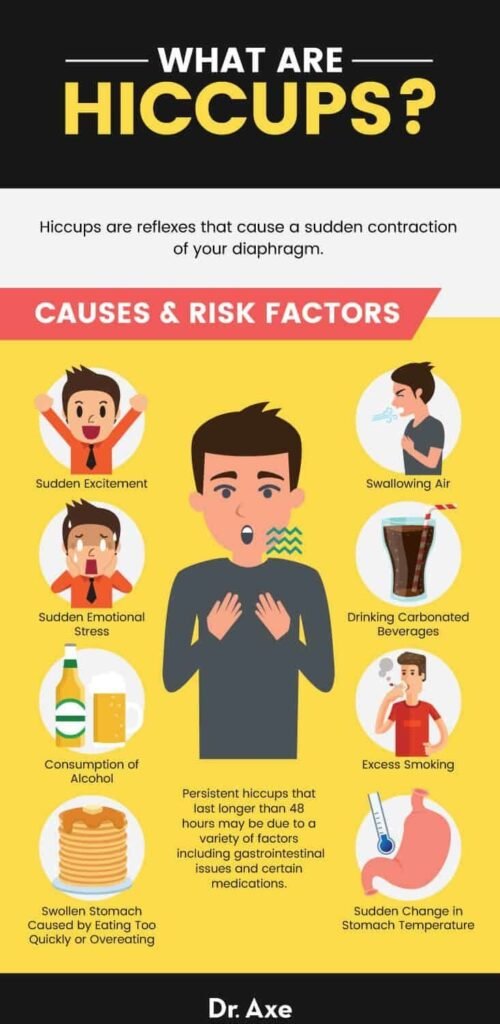
One of the primary causes of hiccups is irritation of the diaphragm, the dome-shaped muscle responsible for regulating our breathing. When the diaphragm experiences irritation or spasms, it can lead to hiccups. Some common triggers for diaphragm irritation include eating too quickly, consuming spicy foods, swallowing too much air while eating or drinking, drinking carbonated beverages, and sudden changes in temperature.
Nerve Irritation
Hiccups can also be caused by irritation of the nerves that control the diaphragm. This irritation can occur due to various factors, such as excitement, stress, emotional reactions, or even certain medical conditions like gastroesophageal reflux disease (GERD) or damage to the vagus or phrenic nerves.
Digestive System Issues
Certain digestive system issues can also contribute to the occurrence of hiccups. These include gastroesophageal reflux (GERD), in which stomach acid flows back into the esophagus, causing irritation, and conditions like gastritis, which involves inflammation of the stomach lining. Additionally, an enlarged stomach or an obstruction in the digestive tract can also exert pressure on the diaphragm, leading to hiccups.
Quick Cures for Hiccups
When hiccups strike, it’s often our first instinct to find a quick cure to stop the annoyance. Fortunately, there are several tried and tested methods for stopping hiccups in their tracks. Here are some quick cures that you can try:
Hold Your Breath
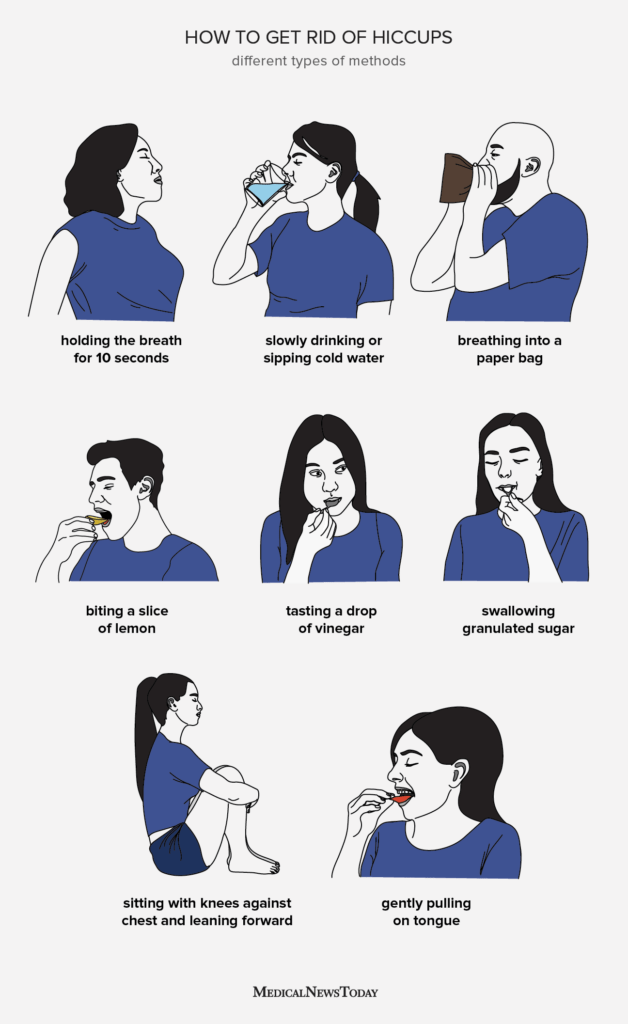
One popular hiccup remedy is to hold your breath for a few seconds. By doing so, you increase the amount of carbon dioxide in your body, which can help reset the diaphragm and stop the hiccups.
Drink Water
Drinking a glass of water in one continuous gulp is another effective method to get rid of hiccups. The act of swallowing can help stimulate the muscles involved in breathing and interrupt the hiccup cycle.
Swallow Sugar
An age-old remedy for hiccups is swallowing a teaspoonful of granulated sugar. While the exact mechanism behind this remedy is not fully understood, it is believed that the strong taste and texture of sugar act as a distraction, interrupting the diaphragm spasms.
Suck on a Lemon
Sucking on a slice of lemon can be surprisingly effective in stopping hiccups. The sour taste and the intense stimulation of the taste buds can help shift the focus away from the hiccups and provide relief.
Home Remedies to Relieve Hiccups
If the quick cures didn’t work or if you prefer a more natural approach, there are several home remedies that you can try to relieve hiccups. These remedies often involve engaging certain breathing techniques or applying gentle pressure on specific parts of the body. Here are a few home remedies to consider:
Breathe into a Paper Bag
Breathing into a paper bag can help increase the level of carbon dioxide in your body, similar to holding your breath. This method assists in resetting the diaphragm and alleviating hiccups.
Pull on Your Tongue
Gently pulling on your tongue while sticking it out can stimulate the muscles of the throat and mouth, potentially interrupting the hiccup reflex. Give it a try the next time you find yourself hiccupping uncontrollably.
Apply Pressure on Eyeballs
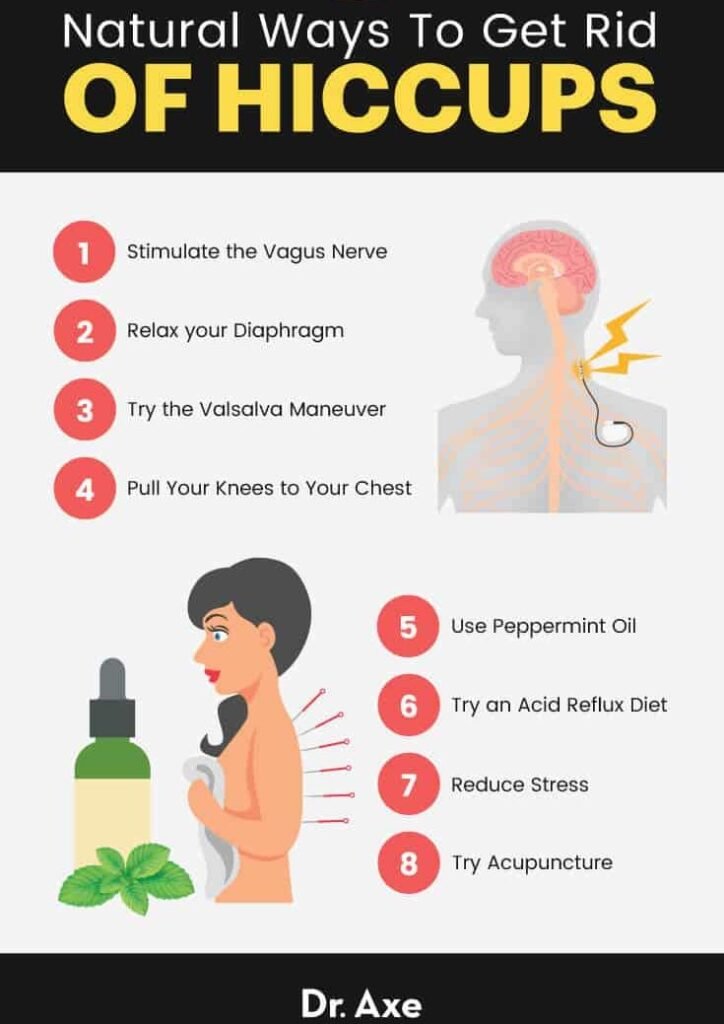
While it may sound peculiar, applying gentle pressure on your closed eyelids or eyeballs can help stimulate the vagus nerve, which plays a role in hiccups. Use your fingertips or the heel of your palm and apply light pressure for a few seconds.
Gargle with Ice Water
Gargling with ice water is not only refreshing, but it can also provide relief from hiccups. The cold temperature of the water can interrupt the hiccup cycle and bring relief to the irritated diaphragm.
Natural Solutions for Hiccups
If you prefer a more holistic approach to treating hiccups, there are several natural solutions that you can explore. These solutions involve using cold water therapy, essential oils, herbal remedies, and other natural substances. Here are a few natural solutions to consider:
Try Cold Water Therapy
Cold water therapy involves immersing your face in a bowl of ice-cold water for a few seconds. This technique can help stimulate the vagus nerve and reset the diaphragm, providing relief from hiccups.
Use Essential Oils
Certain essential oils, such as peppermint, lavender, or ginger oil, may have anti-spasmodic properties that can help relax the diaphragm and reduce hiccup symptoms. Dilute a few drops of the essential oil in a carrier oil and gently massage the mixture onto your chest or inhale the aroma.
Chew on Ginger
Ginger has long been recognized for its medicinal properties, including its ability to soothe digestion. Chewing on a small piece of ginger or drinking ginger tea can help alleviate hiccups by calming the irritated diaphragm.
Sip Peppermint Tea
Peppermint tea is not only refreshing but can also help relax the muscles, including the diaphragm. Sipping on a warm cup of peppermint tea can provide relief from hiccups and promote overall relaxation.

Preventative Measures to Avoid Hiccups
While it’s impossible to prevent hiccups altogether, there are certain measures you can take to minimize their occurrence. By making a few lifestyle changes, you may be able to reduce the frequency and intensity of hiccups. Here are some preventative measures to consider:
Eat Slowly and Mindfully
Eating slowly and mindfully can help prevent hiccups caused by swallowing air or overeating. Take small bites, chew thoroughly, and savor your food to allow for proper digestion and reduce the chances of hiccups.
Avoid Overeating
Overeating can put unnecessary pressure on your digestive system and diaphragm, increasing the likelihood of hiccups. Be mindful of your portion sizes and try to eat smaller, more frequent meals to avoid overloading your stomach.
Limit Carbonated Drinks
The carbonation in fizzy drinks can cause excessive gas buildup in your stomach, leading to hiccups. Limit your intake of carbonated beverages, especially if you notice a correlation between your hiccups and consumption of such drinks.
Eliminate Alcohol
Alcohol can irritate the stomach lining and diaphragm, making hiccups more likely. Consider reducing or eliminating alcohol consumption, especially if you frequently experience hiccups after drinking.
Medical Treatments for Persistent Hiccups
In some cases, hiccups may persist for an extended period of time and become a chronic condition. If natural remedies and home treatments fail to provide relief, it may be necessary to seek medical interventions. Here are a few medical treatments that doctors may consider for persistent hiccups:
Prescription Medications
Certain medications, such as chlorpromazine or baclofen, may be prescribed to help relax the diaphragm and alleviate persistent hiccups. These medications work by targeting the nerves and muscles involved in hiccuping.
Nerve Blocks
In cases where hiccups are caused by nerve irritation, nerve blocks may be an option. Local anesthesia or medication is injected into specific nerves to block the signals responsible for hiccups.
Acupuncture
Acupuncture, an ancient Chinese practice, involves inserting thin needles into specific points on the body to promote healing and balance. Some individuals have found relief from hiccups through acupuncture sessions.
Hypnosis
Hypnosis is another alternative treatment that may be considered for persistent hiccups. By guiding the subconscious mind, a trained hypnotherapist can help reduce the frequency and intensity of hiccups.

Hiccup Myths and Misconceptions
Over the years, various myths and misconceptions have emerged surrounding hiccups. Let’s debunk some of these common myths and uncover the truth behind them:
Holding Your Breath Works for Everyone
While holding your breath can be effective for some individuals, it is not a guaranteed solution for everyone. The effectiveness of this method varies from person to person.
Scaring Someone Will Stop Their Hiccups
It is a widely believed myth that scaring someone will stop their hiccups. However, there is no scientific evidence to support this claim. In fact, surprising someone may only serve to increase their anxiety levels and prolong the hiccups.
Having Hiccups Means You’re Growing
Many people believe that hiccups indicate growth, especially in children. However, there is no correlation between hiccups and growth. Hiccups are simply involuntary contractions of the diaphragm and are not related to physical development.
Hiccups Are Harmless
While hiccups are usually harmless and temporary, persistent hiccups can interfere with daily life and indicate an underlying medical condition. It is important to seek medical attention if hiccups last for an extended period of time or are accompanied by other concerning symptoms.
When to Seek Medical Attention for Hiccups
Although most cases of hiccups resolve on their own, there are instances when medical attention is necessary. It is important to be aware of the following signs and symptoms that warrant a visit to your healthcare provider:
Hiccups Lasting More Than 48 Hours
If your hiccups persist for more than 48 hours despite trying various home remedies, it is advisable to consult a medical professional. Chronic hiccups may require further investigation to identify any underlying causes or conditions.
Severe Discomfort or Pain
If hiccups are causing severe discomfort or pain, it is essential to seek medical attention. Hiccups should not be causing significant distress or interfering with your ability to perform daily activities.
Associated with Difficulty Breathing
If your hiccups are accompanied by difficulty breathing or a feeling of breathlessness, it is crucial to seek immediate medical attention. This could be a sign of a more serious underlying problem.
Accompanied by Vomiting or Weight Loss
Hiccups that are accompanied by persistent vomiting or unexplained weight loss should not be ignored. These symptoms could indicate an underlying gastrointestinal issue that requires medical evaluation.
Tips and Tricks for Dealing with Hiccups
In addition to trying various remedies and treatments, there are a few helpful tips and tricks you can employ to deal with hiccups when they strike. While these methods may not work for everyone, they are worth a try:
Distract Yourself
Engaging in an activity that requires concentration and focus, such as solving a puzzle or reading a book, can potentially distract your mind and interrupt the hiccup reflex.
Massage the Back of Your Neck
Gently massaging the back of your neck at the base of your skull can help relax the muscles in the area and potentially relieve hiccups.
Gently Pull on Your Earlobes
Another technique to consider is gently pulling on your earlobes for a few seconds. This may help stimulate the vagus nerve and disrupt the hiccup reflex.
Yawn on Purpose
Intentionally yawning can help regulate your breathing pattern and potentially stop hiccups. Take a deep breath, open your mouth wide, and let out a big yawn to reset your diaphragm.
Conclusion
Hiccups may be an annoyance, but they are generally harmless and tend to resolve on their own. However, if hiccups persist for an extended period, become chronic, or are accompanied by concerning symptoms, it is essential to seek medical attention. In the meantime, you can try various quick cures, home remedies, natural solutions, and preventative measures to ease the discomfort and alleviate hiccups. Remember, what works for one person may not work for another, so don’t be discouraged if you need to try different methods to find relief. Here’s to a hiccup-free future!