
You’re navigating the choppy waters of puberty, and suddenly, your skin is staging a rebellion. Red, angry bumps are popping up, seemingly overnight, and it feels like a personal attack. You’ve heard whispers about “hormonal acne,” but what exactly is it, and why is it hitting you now, of all times? As your Listicle Content Architect (LCA), your guide to understanding complex topics with clarity and ease, I’m here to break down this common puberty rite of passage. Get ready to understand the ‘why’ and the ‘what’ so you can tackle this unwelcome guest head-on.
Puberty is a time of monumental change within your body. It’s a biological rewiring, a transition from childhood to adulthood, and at the heart of this transformation lies a surge of hormones. These chemical messengers are like tiny conductors orchestrating a symphony of development, and unfortunately, for some, they can also lead to a more… chaotic performance on your skin.
The Androgen Avalanche
The principal players in this hormonal drama are androgens, a group of sex hormones that become significantly more active during puberty. While often associated with males, androgens are present in everyone. Think of them as the “masculinizing” hormones, even though they play a role in female development too.
Testosterone Takes Center Stage
While the term “testosterone” might make you think solely of bodybuilders or male puberty, it’s crucial to understand its role in both sexes. During puberty, the production of testosterone increases dramatically in both males and females. In males, this contributes to the development of deeper voices, muscle growth, and facial hair. In females, it plays a part in the development of sex characteristics and contributes to libido.
What Testosterone Does to Your Skin
The surge in testosterone during puberty has a direct impact on your skin’s sebaceous glands – the tiny oil-producing factories embedded in your skin. These glands become hyperactive, essentially going into overdrive. They pump out more sebum, the natural oil that lubricates and protects your skin. A little sebum is a good thing; it keeps your skin healthy and supple. However, during puberty, there’s often too much of a good thing.
Dihydrotestosterone (DHT) – The Potent Understudy
Another key androgen, dihydrotestosterone (DHT), is even more potent than testosterone. It’s formed from testosterone by an enzyme called 5-alpha reductase. DHT has a particularly strong effect on the sebaceous glands, further stimulating sebum production. This amplification of oiliness is a major contributor to acne development.
The Cascade Effect: From Oil to Obstruction
Now that your sebaceous glands are working overtime, pumping out excess sebum, the stage is set for the next act in the acne saga. This extra oil doesn’t just sit harmlessly on your skin; it starts to mingle with something else that’s always present on your skin: dead skin cells.
Dead Skin Cells: The Unseen Culprits
Your skin is constantly renewing itself. Old, dead skin cells are shed, making way for new, healthy ones. This process is usually seamless. However, when there’s an abundance of sebum, these dead skin cells can get trapped and stick together, forming a sort of sticky plug.
The Pore’s Predicament
Your pores are the tiny openings on your skin’s surface, and they are where sebum and dead skin cells are meant to exit. When this mixture of excess oil and dead skin cells becomes clumpy, it can block these pores. Imagine a drain in your sink slowly getting clogged with hair and soap scum – it’s a similar principle.
The Wonderful World of Bacteria
Now, let’s introduce another character to our acne narrative: Propionibacterium acnes (P. acnes). This is a type of bacteria that naturally lives on your skin. For most of the time, it’s harmless and even plays a role in keeping your skin’s microbiome balanced. However, in the oxygen-deprived environment created by a blocked pore, P. acnes thrives.
A Feast for Bacteria
Inside a blocked pore, P. acnes feeds on the sebum. As it multiplies, it produces waste products and releases enzymes. This bacterial party within the pore is what starts to trigger inflammation – the redness and swelling that makes acne so noticeable and often painful.
2. The Different Faces of Puberty Acne: Beyond the Basic Pimple
It’s not always just one type of eruption you’re dealing with during puberty. Hormonal acne can manifest in various forms, each with its own characteristics and sometimes, its own degree of irritation. Understanding these different types can help you identify what you’re dealing with and how best to manage it.
Comedones: The Early Warning Signs
These are the foundational lesions of acne. They aren’t usually red or inflamed, but they are the early signs that your pores are becoming compromised.
Blackheads (Open Comedones)
These appear as small, dark or black spots on the skin. The dark color isn’t from dirt, as many people mistakenly believe. It’s caused by oxidation. When a pore is open at the surface, the trapped mixture of sebum and dead skin cells is exposed to the air, and the melanin (pigment) in the oil and skin cells oxidizes, turning dark.
What They Look Like and How They Form
Blackheads are essentially pores filled with sebum and dead skin cells, but they remain open. They can feel slightly rough to the touch but are typically not painful.
Whiteheads (Closed Comedones)
These are small, flesh-colored or white bumps. Unlike blackheads, the pore opening is closed. This trapping of the sebum and dead skin cells beneath the surface of the skin creates a small, raised bump.
The Mystery of the White Cap
Whiteheads are essentially small cysts filled with sebum and dead skin cells. They can be a precursor to inflammatory acne if they become infected with bacteria.
Inflammatory Lesions: When Things Get Red and Angry
These are the more noticeable and often more distressing types of acne. They occur when the sebum and dead skin cell mixture becomes infected by P. acnes, leading to an immune response and inflammation.
Papules: The Small, Red Bumps
These are small, red, tender bumps that are typically less than 5 millimeters in diameter. They are inflamed and you can often see a distinct red halo around them.
The Surface of the Uprising
Papules are the initial stage of inflamed acne. They represent a localized inflammatory response to bacteria within the pore.
Pustules: The Familiar “Zits”
These are essentially papules that have a white or yellowish pus-filled tip. The pus is a collection of white blood cells, dead bacteria, and cellular debris. This is what most people refer to as a “zit” or a “pimple.”
The Yellow Flag of Danger
Pustules are a clear sign of inflammation and infection. It’s important to avoid picking at them, as this can spread bacteria and lead to scarring.
Nodules: The Deeper, More Painful Bumps
These are larger, more solid, and often more painful lumps that form deeper within the skin. They are generally larger than 5 millimeters and can feel quite firm to the touch.
The Root of the Problem
Nodules develop when the inflammation penetrates deeper into the skin layers. They are more likely to lead to scarring if not managed properly.
Cysts: The Most Severe Form
These are the largest, deepest, and most painful acne lesions. They are filled with pus and are located deep beneath the skin’s surface. They can feel like deep, tender lumps and may take a long time to heal.
The Scarring Threat
Cystic acne is the most severe form of acne and has the highest risk of causing permanent scarring. Because of their depth and inflammation, they can damage the underlying skin structure.
3. Triggers and Contributing Factors: Beyond Just Hormones
While hormones are the primary driver of acne during puberty, other factors can exacerbate the problem or influence how your skin reacts. It’s rarely a single cause, but rather a combination of elements that contribute to your acne’s severity.
Genetics: The Family Predisposition
If your parents or siblings experienced significant acne during their teenage years, there’s a good chance you might too. Genetics plays a significant role in how your skin responds to hormonal changes and how prone your sebaceous glands are to overactivity.
The Legacy of Your Skin
Research has shown that a genetic component influences sebum production, inflammation, and the way your skin cells shed. If acne runs in your family, you might be more susceptible to developing it during puberty.
Diet: The Food-Acne Connection (It’s Complicated)
The link between diet and acne is a hotly debated topic. While what you eat might not cause acne directly, certain dietary choices can influence inflammation and hormonal balance, potentially making existing acne worse.
Sugary Stuff and Refined Carbs
Diets high in refined carbohydrates (like white bread, sugary cereals, and sodas) and those with a high glycemic index can lead to rapid spikes in blood sugar. This can, in turn, trigger the release of insulin and insulin-like growth factor 1 (IGF-1), which can stimulate androgen production and increase sebum production.
Understanding Glycemic Load
It’s not about completely eliminating carbs, but about being mindful of those that cause rapid blood sugar spikes. Opting for whole grains, fruits, and vegetables will help stabilize your blood sugar levels.
Dairy and its Denizens
Some studies suggest a correlation between dairy consumption and acne severity in certain individuals. This might be due to growth hormones present in milk or the effect of milk proteins on IGF-1 levels.
Listen to Your Body
The impact of dairy varies greatly from person to person. If you suspect dairy is contributing to your acne, you could try eliminating it for a period to see if your skin improves.
The Role of Omega-3s and Antioxidants
Conversely, a diet rich in omega-3 fatty acids (found in fatty fish, flaxseeds, and walnuts) and antioxidants (found in fruits and vegetables) can help reduce inflammation in the body, which might benefit acne-prone skin.
Lifestyle Factors: The Unseen Influences
Your daily habits and environment can also play a role in how your skin behaves.
Stress: Emotional Overload, Physical Manifestation
When you’re stressed, your body releases cortisol, a stress hormone. Cortisol can stimulate the production of androgens, leading to increased sebum production and inflammation, thus potentially worsening acne.
Stress Management is Skin Management
Finding healthy ways to manage stress, such as exercise, meditation, or spending time with friends, can have a positive impact on your skin.
Sleep Deprivation: The Cycle of Exhaustion
Not getting enough sleep can disrupt your body’s natural hormonal balance and increase inflammation, both of which can contribute to acne flare-ups. Aim for 7-9 hours of quality sleep per night.
Recharge Your Skin
Prioritizing sleep is crucial for overall health and can be a surprisingly effective tool in managing acne.
Skincare Habits (Good and Bad)
While understanding skincare is key to managing acne, incorrect practices can actually make it worse.
Over-Washing and Harsh Products
Washing your face too frequently or using harsh, stripping cleansers can irritate your skin, disrupt its natural barrier, and paradoxically, lead to even more oil production as your skin tries to compensate.
The Soap Scum Strategy
Gentle, consistent cleansing is the goal. Focus on removing excess oil, dirt, and makeup without over-drying your skin.
The Power of Not Picking
Resist the urge to pick and squeeze! This introduces more bacteria, pushes inflammation deeper, and is a primary cause of scarring.
4. Navigating the Treatment Landscape: What Actually Works
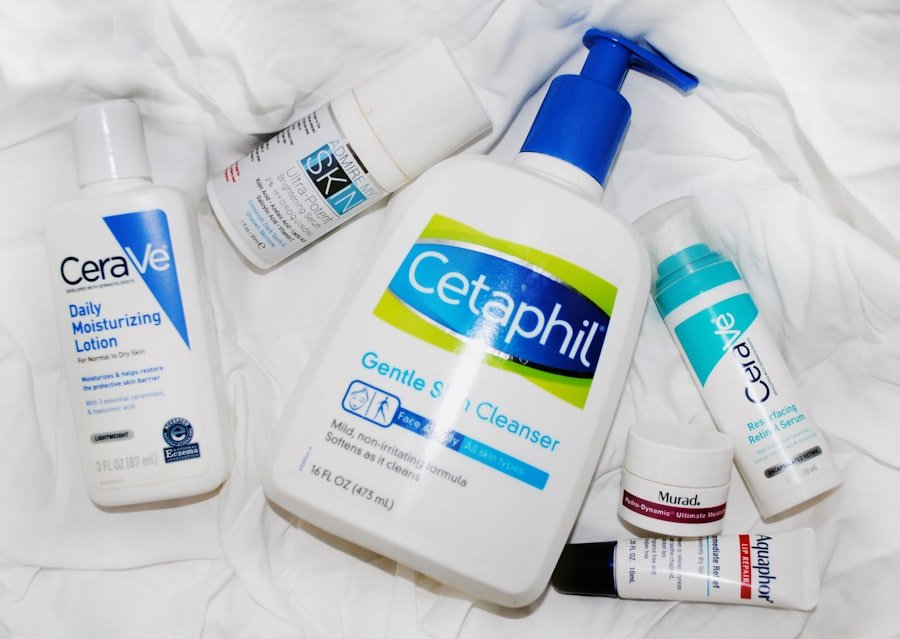
Facing hormonal acne during puberty can feel overwhelming, but there are effective strategies and treatments available. It’s important to remember that what works for one person might not work for another, and a consistent approach is key.
Over-the-Counter (OTC) Heroes: Your First Line of Defense
Before you consider prescription medications, explore the readily available options that can make a significant difference.
Benzoyl Peroxide: The Bacterial Knockout
This ingredient is a powerhouse for killing the P. acnes bacteria that contribute to inflamed acne. It also helps to unclog pores by shedding dead skin cells. It can cause dryness and redness, so start with a lower concentration (2.5% or 5%) and build up if needed.
A Little Goes a Long Way
Apply it to clean, dry skin. Don’t overdo it, as this can lead to irritation.
Salicylic Acid: The Pore Purifier
A beta-hydroxy acid (BHA), salicylic acid is oil-soluble, meaning it can penetrate deep into your pores to break down the sebum and dead skin cells that cause blockages. It also has anti-inflammatory properties.
Unclogging from Within
Look for cleansers, toners, or spot treatments containing salicylic acid.
Topical Retinoids (OTC Versions): The Cell Turnover Accelerators
While stronger retinoids require a prescription, there are some milder over-the-counter options. These work by increasing cell turnover in the skin, preventing pores from becoming clogged and helping to fade existing acne marks.
Patience is a Virtue
OTC retinoids can take several weeks to show noticeable results. They can also cause initial dryness and peeling.
Prescription Powerhouses: When OTC Isn’t Enough
If your acne is moderate to severe, or if OTC treatments haven’t yielded the desired results, it’s time to consult a dermatologist. They can offer stronger, more targeted treatments.
Topical Prescription Retinoids: The Advanced Formula
These are much stronger versions of OTC retinoids. They are highly effective at preventing clogged pores and can also help with the appearance of post-acne marks. Examples include tretinoin, adapalene, and tazarotene.
The Sensitive Skin Strategy
Your dermatologist will guide you on how to incorporate these into your routine to minimize irritation.
Topical Antibiotics: The Bacterial Bounty Hunters
These medications help to reduce the bacteria on your skin and can also help to decrease inflammation. They are often used in combination with other treatments like benzoyl peroxide to prevent antibiotic resistance. Examples include clindamycin and erythromycin.
Targeted Action
They are applied directly to the affected areas.
Oral Antibiotics: The Systemic Solution
For moderate to severe inflammatory acne, oral antibiotics can be prescribed. These work by reducing bacteria and inflammation throughout the body. They are typically used for a limited duration.
A Comprehensive Approach
Your doctor will monitor you for side effects and determine the appropriate course of treatment.
Oral Contraceptives (for Females): Balancing the Hormonal Scale
In some cases, particularly for women whose acne flares up in a cyclical pattern related to their menstrual cycle, oral contraceptives can be an effective treatment. They work by regulating the hormones that contribute to acne.
A Hormonal Harmonizer
This is a medical treatment that requires a prescription and careful consideration with your doctor.
Isotretinoin (Accutane): The Last Resort (But Highly Effective)
For severe, stubborn, or cystic acne that hasn’t responded to other treatments, isotretinoin is a powerful oral medication. It significantly reduces oil production, unclogs pores, kills bacteria, and reduces inflammation. However, it has potential side effects and requires close monitoring by a dermatologist.
The Big Guns
This is a potent medication reserved for the most severe cases.
5. The Long Game: Building Healthy Skin Habits for Life
| Age Range | Prevalence | Symptoms |
|---|---|---|
| 11-18 years | Common | Excess oil production, blackheads, whiteheads, cysts |
| 13-16 years | Peak prevalence | Red, inflamed pimples, hormonal fluctuations |
| 16-18 years | Decreasing prevalence | Scarring, psychological impact |
Managing hormonal acne during puberty isn’t just about tackling the immediate breakouts; it’s about establishing long-term habits that support healthy skin. This will serve you well beyond your teenage years.
Consistent Skincare Routine: The Foundation of Fairness
Developing a consistent and gentle skincare routine is paramount. This routine should be tailored to your skin type and concerns.
Cleansing: The Daily Decontamination
- Morning: A gentle cleanse to remove any overnight residue and prepare your skin for the day.
- Evening: A thorough cleanse to remove makeup, sunscreen, dirt, and oil accumulated throughout the day. Opt for a mild, non-foaming cleanser if your skin is dry or sensitive. If you wear makeup or heavy sunscreen, consider a double cleanse: start with an oil-based cleanser or micellar water to break down impurities, followed by your regular gentle cleanser.
The Gentle Approach
Avoid scrubbing vigorously or using cleansing brushes that are too abrasive, as this can irritate inflamed skin and worsen acne.
Treatment Application: Targeted Therapies
Apply your prescribed or OTC acne treatments after cleansing and before moisturizing. This allows the active ingredients to penetrate the skin effectively.
The Order of Operations
Always follow the instructions provided with your treatments. Some ingredients work best when applied at specific times.
Moisturizing: The Essential Hydration
Don’t skip moisturizer, even if you have oily skin! Acne treatments can be drying, and a good moisturizer helps to replenish your skin’s hydration and support its natural barrier function.
The Balance Beam
Look for oil-free, non-comedogenic (won’t clog pores) moisturizers. Gel-based or lightweight lotions are often good choices for acne-prone skin.
Sun Protection: The Shield Against Damage
Sun exposure can darken acne scars and inflammation, making them more noticeable. It can also worsen redness. Always wear sunscreen with an SPF of 30 or higher, even on cloudy days.
Don’t Be a Sun Worshipper
Sunscreen is your best friend in preventing further skin damage and promoting even skin tone.
Beyond the Bathroom Cabinet: Holistic Approaches to Skin Health
Your skin is a reflection of your overall well-being. Addressing acne effectively often involves looking beyond topical treatments.
Diet and Nutrition: Fueling Your Skin from Within
As discussed earlier, a balanced diet plays a crucial role. Focus on whole, unprocessed foods, plenty of fruits and vegetables rich in antioxidants, and healthy fats. Limit your intake of sugar, refined carbohydrates, and potentially dairy if you notice a correlation.
Eat the Rainbow
The more diverse and nutrient-dense your diet, the better equipped your body (and your skin) will be to combat inflammation and promote healing.
Stress Management: Finding Your Calm
Implement stress-reduction techniques consistently. This could include mindfulness, deep breathing exercises, yoga, regular physical activity, or engaging in hobbies you enjoy.
Breathe In, Break Out Less
Prioritizing mental well-being directly impacts your physical health, including your skin.
Sleep Hygiene: The Power of Rest
Establish a regular sleep schedule, create a relaxing bedtime routine, and ensure your sleep environment is conducive to deep, restorative sleep. Aim for 7-9 hours of quality sleep each night.
Catch Those Zzz’s for Clearer Skin
Lack of sleep can disrupt hormones and increase inflammation, so make it a priority.
Patience and Persistence: The Real Acne Antidote
Hormonal acne, especially during puberty, is a marathon, not a sprint. It takes time for treatments to work and for your skin to heal and settle.
Your Skin’s Journey
Don’t get discouraged if you don’t see dramatic results overnight. Be consistent with your routine, listen to your skin, and celebrate small victories. Consulting with a dermatologist for personalized advice and treatment plans will significantly increase your chances of success. Remember, you’re not alone in this, and with the right approach, you can achieve clearer, healthier skin.
FAQs
What causes hormonal acne during puberty?
During puberty, hormonal changes cause an increase in the production of androgens, which can lead to an overproduction of oil in the skin. This excess oil can clog pores and lead to acne breakouts.
How does hormonal acne differ from other types of acne?
Hormonal acne is typically characterized by deep, painful cysts, especially along the jawline and chin. It is often more difficult to treat than other types of acne and may require specialized treatment.
Can hormonal acne be treated?
Yes, hormonal acne can be treated. Options include topical treatments, oral medications, and in some cases, hormonal therapy. It’s important to consult with a dermatologist to determine the best course of treatment for individual cases.
Does diet play a role in hormonal acne during puberty?
While diet alone is not a direct cause of hormonal acne, certain foods may exacerbate acne symptoms. Foods high in sugar and dairy products have been linked to worsening acne in some individuals.
Is hormonal acne during puberty temporary?
For many individuals, hormonal acne during puberty is temporary and improves as hormone levels stabilize. However, for some, hormonal acne may persist into adulthood and require ongoing management.