
- Unveiling the Gut-Skin Connection: How What You Eat Fuels Your Breakouts
You’ve probably heard it a million times: “You are what you eat.” While that might sound like a cliché, when it comes to your skin and especially those unwelcome guests known as acne, it rings profoundly true. You’re not just slathering on topical treatments hoping for a miracle; you’re also fueling your body from the inside out, and that internal fuel directly impacts your complexion. Think of your digestive system as a complex ecosystem, a bustling metropolis of bacteria and processes. When this ecosystem is out of balance, it doesn’t just manifest as a rumbling stomach; it can send ripples of inflammation and hormonal shifts that directly contribute to acne formation.
The Gut Microbiome: More Than Just Digestion
You’re carrying trillions of microorganisms in your gut – bacteria, fungi, viruses – collectively known as your gut microbiome. For a long time, we thought their primary job was simply to break down food and help with nutrient absorption. However, groundbreaking research has revealed a much more intricate relationship. Your gut microbiome plays a crucial role in regulating your immune system, producing vital vitamins, and even influencing your mood. Crucially for your skin, it dictates how your body processes inflammation.
- Leaky Gut and Inflammation: When your gut lining is compromised – a condition sometimes referred to as “leaky gut” or increased intestinal permeability – undigested food particles, toxins, and bacteria can escape into your bloodstream. Your immune system, constantly on alert, identifies these as foreign invaders and mounts an inflammatory response. This systemic inflammation can then travel throughout your body, including to your sebaceous glands, triggering the inflammation that leads to acne lesions. You might not even feel the “leakage” in your gut, but your skin could be screaming it.
- Bacterial Balance: A diverse and balanced gut microbiome is key to health. When the “bad” bacteria outnumber the “good” ones (dysbiosis), it disrupts normal gut function. This imbalance can lead to increased inflammation, produce metabolites that negatively affect your skin, and even interfere with hormone regulation, all of which are direct pathways to breakouts. Think of it like a societal breakdown in your gut; chaos ensues and affects everything else.
Hormonal Havoc: The Gut’s Influence on Androgens
Your gut microbiome also has a surprising impact on your hormones, particularly androgens like testosterone. These hormones are directly linked to sebum production, the oily substance that lubricates your skin. When androgens are overproduced or your body is more sensitive to them, your sebaceous glands can become overstimulated, leading to excess sebum. Excess sebum, combined with dead skin cells, creates the perfect environment for acne-causing bacteria (like Cutibacterium acnes) to thrive.
- Estrogen Metabolism: The gut bacteria are involved in breaking down and eliminating excess estrogen from your body. If your gut isn’t functioning optimally, estrogen can be reabsorbed, leading to a hormonal imbalance that can exacerbate acne, especially in women.
- Insulin-like Growth Factor 1 (IGF-1): Your diet, particularly high-glycemic foods, can spike your blood sugar and insulin levels. This, in turn, can increase levels of IGF-1. IGF-1 is closely linked to androgen activity and can stimulate sebaceous glands, contributing to acne. Your gut health also influences how efficiently your body manages blood sugar, further tying diet, gut, and IGF-1 together.
Nutrient Absorption and Skin Health
Beyond the inflammatory and hormonal pathways, your gut is where you absorb the essential vitamins and minerals your skin needs to stay healthy. If your gut is inflamed or imbalanced, it may not effectively absorb nutrients like zinc, vitamin A, and B vitamins. These nutrients are vital for skin repair, immune function, and regulating oil production.
- Zinc: A powerhouse mineral for acne sufferers. It has anti-inflammatory properties and helps regulate sebum production. Poor gut health can hinder zinc absorption.
- Vitamin A: Crucial for cell turnover and preventing clogged pores. It’s also a key ingredient in many topical acne treatments.
- B Vitamins: Particularly B5 (pantothenic acid) can help reduce oiliness and support skin healing.
You see, the connection isn’t just a theory; it’s a biological imperative. What you feed your gut directly impacts the environment your skin lives in. Don’t underestimate the power of your internal ecosystem!
- The Glycemic Load Gamble: How Sugary and Refined Foods Ignite Your Breakouts
This is where we get down to the nitty-gritty of what you’re putting on your plate and its direct impact on your skin. You’ve heard of “sugar rushes,” but what you might not realize is that those same rushes can trigger inflammatory processes that are a direct precursor to acne. The culprit isn’t just plain old sugar; it’s anything that rapidly elevates your blood sugar and insulin levels, a category that often includes refined carbohydrates.
Understanding the Glycemic Index (GI) and Glycemic Load (GL)
To really get a handle on this, you need to understand two related concepts: the Glycemic Index (GI) and the Glycemic Load (GL).
- Glycemic Index (GI): This measures how quickly a particular food raises your blood glucose levels after you eat it. Foods are ranked on a scale of 0 to 100. High-GI foods (like white bread, sugary cereals, and sugary drinks) cause a rapid spike, while low-GI foods (like non-starchy vegetables, beans, and whole grains) cause a slower, more gradual rise.
- Glycemic Load (GL): This takes the GI a step further by considering the amount of carbohydrate in a serving of food. For example, watermelon has a high GI, but a typical serving doesn’t contain a lot of carbohydrates, so its GL is relatively low. Conversely, a food might have a moderate GI, but if you eat a large portion, its GL could still be high. For acne, you’re more concerned with the GL, as it reflects the overall impact on your blood sugar and insulin response.
The Insulin-Androgen-Sebum Cascade
When you consume high-GI or high-GL foods, your pancreas releases insulin to shuttle the sugar from your bloodstream into your cells for energy. This is a normal process. However, consistently high spikes of insulin can lead to several downstream effects that are detrimental to acne-prone skin.
- Increased IGF-1 Production: As we touched on, high insulin levels directly stimulate the liver to produce more Insulin-like Growth Factor 1 (IGF-1). IGF-1 is a hormone that, similar to insulin, promotes cell growth. In the context of your skin, this means increased growth of skin cells, which can contribute to the dead skin cell buildup that clogs pores.
- Androgen Stimulation: IGF-1 also acts synergistically with androgens (like testosterone). It amplifies their effects, leading to increased stimulation of your sebaceous glands. This means more sebum production – the oily substance that, when combined with dead skin cells and bacteria, is the perfect recipe for a pimple.
- Inflammation Amplification: High blood sugar itself can contribute to inflammation throughout the body. This systemic inflammation can then exacerbate the inflammatory processes occurring within your hair follicles and sebaceous glands, making existing acne worse or triggering new breakouts.
Specific Culprits to Watch Out For
When you’re managing your diet for acne, certain food categories are notorious for their high glycemic impact. Being aware of these can help you make better choices.
- Sugary Drinks: Sodas, fruit juices (even 100% juice often has a high natural sugar content), sweetened teas, and energy drinks are prime offenders. They deliver a massive sugar hit with little to no fiber to buffer the absorption.
- Refined Grains: White bread, white rice, white pasta, pastries, cookies, cakes, and sugary breakfast cereals are made from grains that have had their bran and germ removed, stripping away fiber and nutrients. This leaves them with a high GI/GL.
- Processed Snacks: Chips, crackers, and many pre-packaged snack bars are often loaded with refined flours and added sugars.
- Sweetened Dairy Products: While dairy has its own complex relationship with acne, sweetened yogurt, flavored milk, and ice cream contribute significantly to your sugar intake.
The Power of Replacing and Choosing Wisely
The good news is that understanding this connection empowers you to make positive changes. It’s not about complete deprivation, but about making smarter substitutions.
- Opt for Whole Grains: Swap white bread for 100% whole wheat, white rice for brown rice or quinoa. These are rich in fiber, which slows down sugar absorption.
- Choose Whole Fruits: Enjoy whole fruits over juices. The fiber in the fruit itself mitigates the impact of the natural sugars.
- Hydrate Smart: Stick to water, unsweetened tea, or black coffee.
- Embrace Complex Carbohydrates: Lentils, beans, and sweet potatoes (in moderation) are excellent sources of complex carbohydrates that have a lower glycemic impact.
By paying attention to the glycemic load of your diet, you’re taking a significant proactive step in managing your acne. It’s a powerful dietary lever within your control.
- Dairy’s Dilemma: Unpacking the Link Between Milk, Cheese, and Your Zits
Ah, dairy. For many, it’s a staple, a source of calcium and protein, and a comfort food. But for a significant portion of acne sufferers, it’s also a major dietary trigger. You might have heard anecdotal evidence, or perhaps your own experience has pointed to this, but the scientific research increasingly suggests a notable connection between consuming dairy products and developing or worsening acne. It’s not as straightforward as “all dairy is bad,” but understanding the mechanisms can help you decipher your personal relationship with milk and its derivatives.
Hormones in Milk: A Direct Pathway
This is perhaps the most intuitive aspect of the dairy and acne link. Milk, by its nature, is designed to support the growth and development of a young mammal. Therefore, it’s naturally rich in hormones and growth factors.
- Natural Growth Hormones: Cow’s milk contains various hormones, including IGF-1 (yes, the same culprit we discussed with high-glycemic foods!) and other peptides and steroids. Even though the milk is pasteurized and processed, these hormones can survive. When you consume milk, you’re essentially introducing these growth factors into your system, which can then contribute to sebaceous gland stimulation and increased sebum production.
- Protein and IGF-1: The primary proteins in milk, whey and casein, both contribute to insulin and IGF-1 release. Whey protein, in particular, is known to be a potent stimulator of IGF-1, which, as you know, is a key player in acne development. This is why even “healthy” whey protein supplements can be problematic for some with acne.
Inflammation and Immune Responses
Beyond the hormonal connection, dairy can also trigger inflammatory responses in certain individuals, directly feeding into the acne cycle.
- Inflammatory Components: Some people are sensitive to components in milk, such as lactose (the sugar in milk) or casein (a milk protein). This sensitivity can manifest as inflammation. For individuals with any degree of “leaky gut” (as discussed in section 1), these inflammatory triggers can be amplified, leading to a more pronounced systemic inflammatory response that affects the skin.
- Antibiotics and Steroids in Dairy Production: While not a direct component of the milk itself, the dairy industry has historically used antibiotics and synthetic growth hormones (like rBGH) in cattle. While regulations vary, there’s a potential for trace amounts of these substances to linger and contribute to an individual’s overall inflammatory load or hormonal disruption.
Different Dairy Products, Different Impacts
It’s crucial to understand that not all dairy products are created equal, and their impact on acne can vary.
- Skim Milk: Interestingly, skim milk is often implicated more strongly than whole milk in acne studies. This could be because the fat in whole milk might slightly buffer the insulin and IGF-1 response. Alternatively, when fat is removed, the concentration of whey protein and hormones might be higher.
- Yogurt and Fermented Dairy: Fermented dairy products like plain, unsweetened yogurt and kefir can be different. The fermentation process can break down some of the lactose, making them more digestible for some. Furthermore, the probiotics in fermented foods can potentially benefit gut health, which, in turn, could indirectly help with acne. However, if the yogurt is heavily sweetened, the sugar content will still be a problem.
- Cheese: The impact of cheese can be variable. Harder, aged cheeses tend to have less lactose and might be better tolerated. Softer cheeses or highly processed cheese products might contain more additives or lactose.
How to Test Your Own Sensitivity
Because the dairy-acne link is so individual, the best approach is often self-experimentation, guided by caution and good sense.
- The Elimination Diet: This is the gold standard. For at least 4-6 weeks, completely eliminate all dairy products from your diet. This includes milk, cheese, yogurt, butter, cream, and anything containing dairy ingredients (check labels diligently for whey, casein, milk solids, etc.).
- Observe the Changes: During the elimination period, meticulously track your skin’s response. Are your breakouts decreasing? Are existing blemishes healing faster? Is your skin less oily?
- Reintroduction (Optional but Informative): If you see significant improvement during the elimination phase, you can then carefully reintroduce dairy, one product type at a time, over a period of several days to a week. For example, try a glass of milk. If your skin reacts (new breakouts within a few days to a week), you’ve likely found a trigger. If not, you might try a small amount of cheese. Again, monitor your skin closely. This careful reintroduction helps you pinpoint specific dairy products or types that affect you.
While research is ongoing and individual responses vary wildly, the scientific consensus is that for many people with acne, reducing or eliminating dairy can be a remarkably effective strategy for improving their skin. Don’t dismiss it; consider it a powerful tool in your skincare arsenal.
- Beyond Sugar and Dairy: Other Dietary Factors That May Fuel Your Breakouts
While high-glycemic foods and dairy often take center stage when discussing diet and acne, your plate is a complex tapestry, and several other dietary elements can play a significant role in the health of your skin. You’re not just battling sugar spikes; you’re also contending with the broader impact of what you consume on inflammation, hormone balance, and overall cellular function.
The Omega-6 to Omega-3 Fatty Acid Ratio
You’ve probably heard about “good fats” and “bad fats.” When it comes to acne, the balance between omega-6 and omega-3 fatty acids is particularly important. These are essential polyunsaturated fatty acids, meaning your body can’t produce them; you must get them from your diet.
- Omega-6 Fatty Acids: Found abundantly in many vegetable oils commonly used in processed foods (like soybean oil, corn oil, sunflower oil, and safflower oil), as well as in red meat and eggs. Omega-6s are pro-inflammatory when consumed in excess. They are crucial for immune responses, but an imbalance can lead to chronic inflammation.
- Omega-3 Fatty Acids: Found in fatty fish (salmon, mackerel, sardines), flaxseeds, chia seeds, and walnuts. Omega-3s are anti-inflammatory. They work to counteract the pro-inflammatory effects of omega-6s.
- The Imbalance Problem: The typical Western diet is heavily skewed towards omega-6s due to the prevalence of processed foods and certain cooking oils. This imbalance can promote widespread inflammation throughout the body, including in the skin, exacerbating acne. A high omega-6 to omega-3 ratio means your body is more likely to be in a pro-inflammatory state, which is the enemy of clear skin.
- Balancing Act: Aim to reduce your intake of processed foods that are high in omega-6-rich oils. Increase your consumption of fatty fish a few times a week, or consider an algae-based omega-3 supplement if you don’t eat fish. Adding flaxseeds or chia seeds to your smoothies and meals is another excellent way to boost your omega-3 intake.
Protein Sources: The Nuances of Animal vs. Plant-Based
While protein is essential for skin repair and overall health, the type of protein you consume can have varying effects on acne.
- Whey Protein: As mentioned in the dairy section, whey protein is a significant trigger for many due to its potent IGF-1 stimulating properties. If you use protein powders, opt for plant-based alternatives like pea, rice, or hemp protein.
- Red Meat and Processed Meats: Some studies suggest a correlation between high consumption of red meat and processed meats with increased acne. This could be due to several factors, including saturated fat content, the potential for inflammation, and the presence of hormones or growth promoters used in animal agriculture. Choosing leaner protein sources and limiting processed meats might be beneficial for some.
- Plant-Based Proteins: Legumes (beans, lentils), tofu, tempeh, and nuts are generally excellent protein sources that are less likely to trigger acne. They are often rich in fiber and other beneficial nutrients.
The Role of Antioxidants and Micronutrients
While it’s easy to focus on what to avoid, it’s equally important to actively incorporate foods that support skin health. Antioxidants and specific micronutrients are your allies.
- Antioxidants: These compounds combat oxidative stress, a type of cellular damage linked to inflammation and aging. Vitamin C (citrus fruits, bell peppers, berries), Vitamin E (nuts, seeds, avocados), and beta-carotene (carrots, sweet potatoes, spinach) are potent antioxidants. They help protect your skin cells and reduce overall inflammation.
- Zinc: A crucial mineral for acne management. It has anti-inflammatory properties, helps regulate sebum production, and is vital for wound healing. Good sources include oysters, lean meats, pumpkin seeds, and legumes. Many acne sufferers have been found to have lower levels of zinc.
- Selenium: Another antioxidant that works synergistically with Vitamin E to protect your cells. Brazil nuts are an exceptional source of selenium.
- Vitamin A and Beta-Carotene: Essential for regulating skin cell turnover, preventing pore clogging, and maintaining healthy skin barrier function. Found in sweet potatoes, carrots, spinach, and liver.
Hydration: More Than Just Quenching Thirst
You’d be surprised at how much of a difference staying adequately hydrated can make for your skin.
- Detoxification and Nutrient Transport: Water is essential for your body’s natural detoxification processes. It helps your kidneys and liver flush out waste products. It also plays a crucial role in transporting nutrients to your skin cells and carrying waste products away. Dehydration can make your skin look dull and can hinder its ability to repair itself.
- Skin Elasticity and Function: Well-hydrated skin is plumper, more elastic, and functions better. This can make existing blemishes less noticeable and can support the overall health of your skin barrier, making it more resilient.
- The Target: Aim for at least 8 glasses (64 ounces) of water per day, and more if you are physically active or live in a hot climate. Herbal teas also contribute to your fluid intake.
By adopting a holistic approach, you begin to see that diet is far more than just avoiding “bad” foods. It’s about creating an internal environment that fosters health and resilience, and your skin will thank you for it.
- The Whole Picture: Making Sustainable Dietary Changes for Clearer Skin
So, you’ve navigated the complex world of glycemic loads, dairy’s influence, and the subtle interplay of fats and micronutrients. You’ve gathered the knowledge. Now comes the crucial part: translating that knowledge into sustained, positive change. It’s easy to feel overwhelmed, to think you need to overhaul your entire life overnight. But the most effective and lasting dietary shifts are those that are gradual, realistic, and tailored to your individual needs and lifestyle. You’re not aiming for perfection; you’re aiming for progress.
Personalized Approaches Are Key
What works for one person might not work for another. Your genetics, activity level, stress levels, underlying health conditions, and even your unique gut microbiome all play a role in how your body responds to different foods.
- Listen to Your Body: This is paramount. You are your own best scientist. Pay attention to how you feel after eating certain foods, not just in the short term but over days and weeks. Are you experiencing digestive discomfort? Do you notice new breakouts after consuming a particular meal? Journaling can be incredibly helpful here.
- Consult Professionals: If you have persistent and severe acne, or if you suspect significant underlying dietary sensitivities, don’t hesitate to consult with a registered dietitian, a nutritionist, or a dermatologist who is knowledgeable about the diet-acne connection. They can help you create a personalized plan and ensure you’re meeting all your nutritional needs.
- Consider Food Sensitivities: Beyond dairy, other common culprits for skin issues can include gluten, soy, or certain types of nuts. If you suspect a sensitivity, an elimination and reintroduction approach (similar to the one for dairy) can be very insightful. However, always do this under professional guidance to avoid nutritional deficiencies.
Gradual Modifications, Not Overhauls
The idea of a complete diet overhaul can be daunting and often leads to burnout. Instead, focus on making small, incremental changes that you can realistically sustain.
- Start Small: Pick one or two problematic areas. For instance, if you’re heavily reliant on sugary drinks, commit to replacing one soda a day with water. Or, if you consume a lot of white bread, try switching to whole wheat for one meal.
- Focus on Addition, Not Just Subtraction: Instead of just telling yourself “don’t eat this,” focus on what you can add to your diet. “I’m going to add a serving of leafy greens to my lunch” or “I’m going to make sure I have a source of omega-3s in my dinner.” This positive framing can make dietary changes feel less restrictive.
- Plan and Prepare: When you’re in control of your food, you’re in control of your skin. Spend a little time each week planning your meals and snacks. Pre-chopping vegetables, cooking a batch of brown rice, or packing healthy snacks can prevent you from reaching for less healthy convenience options when hunger strikes.
The Interconnectedness of Lifestyle Factors
Diet is a powerful piece of the acne puzzle, but it’s not the only piece. To truly achieve clear skin, you need to consider the synergistic effects of your entire lifestyle.
- Stress Management: Chronic stress elevates cortisol levels, which can increase inflammation and oil production, making acne worse. Incorporate stress-reducing activities like meditation, yoga, deep breathing exercises, or spending time in nature into your routine.
- Sleep Quality: Aim for 7-9 hours of quality sleep per night. Lack of sleep can disrupt hormone balance and increase inflammation. Your skin also undergoes its repair processes during sleep.
- Exercise: Regular physical activity can help reduce stress, improve circulation, and contribute to overall well-being. Just be sure to cleanse your skin after sweating to prevent clogged pores.
- Skincare Routine: While diet addresses the internal factors, a consistent and appropriate skincare routine is crucial for managing the external factors of acne. This includes cleansing, exfoliating (gently!), and using targeted treatments.
Embracing the Journey
You’re not on a short-term diet; you’re on a journey towards healthier eating habits that support your skin’s well-being. There will be moments of slip-ups, days when you deviate from your plan, and that’s perfectly okay. The key is to not let a minor setback derail your entire progress. Acknowledge it, learn from it, and get back on track with your next meal. Consistency over time is what yields significant results. By integrating these dietary insights into your life thoughtfully and sustainably, you’re empowering yourself to take control of your skin health from the inside out.
FAQs
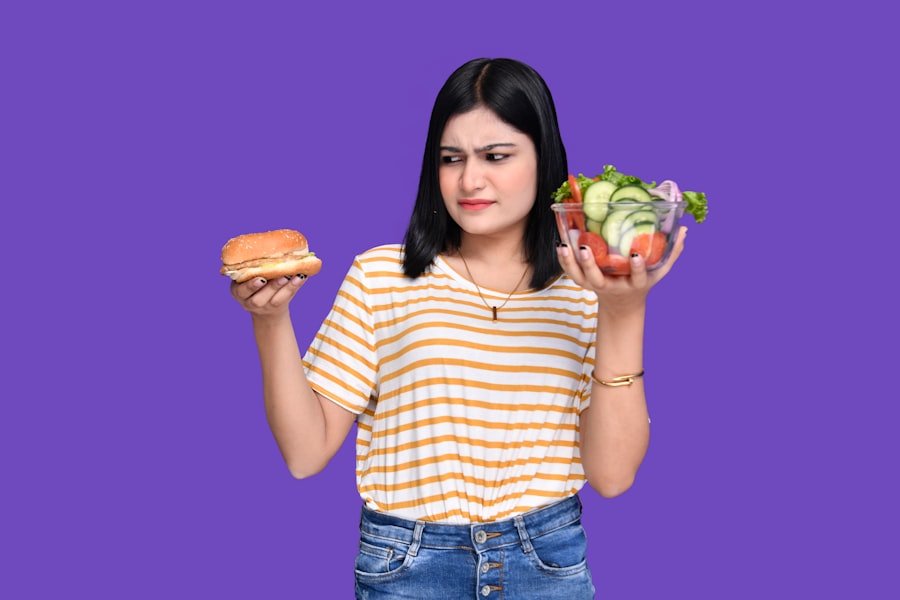
1. What is the relationship between diet and acne?
There is evidence to suggest that certain foods may contribute to acne development, particularly high-glycemic foods and dairy products. However, the exact relationship between diet and acne is still not fully understood.
2. Are there specific foods that can worsen acne?
Some studies have shown that high-glycemic foods, such as sugary snacks and processed carbohydrates, may exacerbate acne. Additionally, dairy products, particularly skim milk, have been linked to an increased risk of acne.
3. Can a healthy diet help improve acne symptoms?
While more research is needed, some evidence suggests that a diet rich in fruits, vegetables, whole grains, and lean proteins may help improve acne symptoms. Additionally, staying hydrated and reducing intake of high-glycemic and dairy products may also be beneficial.
4. Is there a direct cause-and-effect relationship between diet and acne?
The relationship between diet and acne is complex and not fully understood. While certain foods may exacerbate acne symptoms in some individuals, other factors such as genetics, hormones, and skincare habits also play a significant role in acne development.
5. Should individuals with acne consider making dietary changes?
It may be beneficial for individuals with acne to consider making dietary changes, such as reducing intake of high-glycemic foods and dairy products, and increasing consumption of fruits, vegetables, and whole grains. However, it is important to consult with a healthcare professional before making significant changes to one’s diet.