
You know that frustrating feeling. You wake up, look in the mirror, and bam – another unwelcome visitor has arrived to party on your face. Acne. It’s a common battle, and while there are plenty of harsh treatments out there, you’re seeking a gentler approach. You want to soothe your skin, coax those blemishes into submission, and restore your natural radiance without causing further irritation. As your trusty Listicle Content Architect (LCA), I’m here to guide you through the world of gentle acne treatments you can whip up right in your own kitchen.
Let’s dive into the comforting and effective strategies that will help you reclaim your clear skin, step-by-step.
You’re not alone in thinking that reaching for harsh chemicals might be the quickest fix. However, your skin often responds beautifully to the calming and purifying properties found in natural ingredients. Think of these as nature’s gentle whisperers, working to clear congestion without shouting at your pores.
Honey’s Healing Embrace
Honey, particularly raw and Manuka honey, has been a skincare secret for centuries. Its inherent antibacterial and anti-inflammatory properties make it a star player in battling acne. It’s not just about killing bacteria; it’s about creating a healing environment for your skin.
- Antibacterial Action: Honey contains hydrogen peroxide and other compounds that can effectively combat the bacteria responsible for acne, Propionibacterium acnes. Unlike harsh antibiotics, it does so without stripping your skin of its natural protective barrier.
- Anti-inflammatory Properties: That angry red bump? Honey’s got this. It helps to reduce redness and swelling associated with breakouts, making them less noticeable and more comfortable.
- Moisturizing Benefits: While it’s clearing up acne, honey also brings hydration to the table. This is crucial for preventing your skin from overcompensating with excess oil production, which can lead to more breakouts.
How to Use It:
- Spot Treatment: Apply a small dab of raw honey directly onto individual blemishes. Leave it on for 15-20 minutes, then rinse with lukewarm water. You’ll feel the soothing difference almost immediately.
- Honey Mask: For a more widespread treatment, mix a tablespoon of raw honey with a teaspoon of finely ground oatmeal or a pinch of cinnamon (if your skin tolerates it well). Apply a thin layer to your clean face, avoiding the eye area. Relax for 15-20 minutes before gently rinsing. The oatmeal adds gentle exfoliation, and cinnamon can boost circulation and has antibacterial properties, but always patch test first!
Green Tea’s Antioxidant Shield
You might enjoy sipping on green tea for its health benefits, but its topical application is equally impressive for acne-prone skin. It’s packed with antioxidants that can protect your skin and reduce inflammation.
- Antioxidant Powerhouse: Green tea is loaded with catechins, particularly epigallocatechin gallate (EGCG). These powerful antioxidants fight free radical damage, which can contribute to inflammation and breakouts.
- Sebum Control: Studies suggest that EGCG can help reduce sebum production. Excess oil is a major contributor to clogged pores and acne, so regulating it is key.
- Anti-inflammatory and Antibacterial Effects: Like honey, green tea also possesses anti-inflammatory and antibacterial qualities that can calm existing breakouts and prevent new ones from forming.
How to Use It:
- Green Tea Toner: Brew a strong cup of organic green tea and let it cool completely. Pour it into a clean spray bottle or a glass jar. After cleansing your face, spritz or pat the green tea onto your skin using a cotton pad. Store the remaining toner in the refrigerator for up to a week.
- Green Tea Compress: Soak a clean washcloth in cooled green tea. Wring out the excess liquid and place it on your face for 10-15 minutes. This is a wonderfully relaxing and effective way to deliver the benefits directly to your skin.
2. Exfoliation with Gentle Hands
While harsh physical scrubs can do more harm than good, gentle exfoliation is essential for keeping your pores clear and preventing dead skin cells from accumulating. You want to slough away the old to make way for the new, healthy skin. The key here is gentle.
Oatmeal’s Soothing Polish
Oatmeal isn’t just for breakfast; it’s a wonderfully gentle physical exfoliant that also boasts anti-inflammatory properties. It’s like a lullaby for your skin.
- Calming Inflammation: Oatmeal contains compounds called saponins, which act as natural cleansers. They also have anti-inflammatory properties that can soothe irritated skin and reduce redness.
- Gentle Exfoliation: The finely ground particles in oatmeal provide just enough grit to buff away dead skin cells without causing micro-tears.
- Moisture Retention: It helps your skin retain moisture, leaving it feeling soft and supple after exfoliating.
How to Use It:
- Oatmeal Scrub: Grind plain, uncooked rolled oats into a fine powder using a blender or coffee grinder. Mix about two tablespoons of the oat flour with enough lukewarm water to form a paste. Gently massage this paste onto your damp face in circular motions, focusing on areas prone to breakouts. Rinse thoroughly with lukewarm water and pat your skin dry.
Yogurt’s Lactic Acid Lift
Plain, unsweetened yogurt, especially Greek yogurt, is a fantastic source of lactic acid. This is a type of alpha-hydroxy acid (AHA) that works wonders for gentle exfoliation and skin brightening.
- Lactic Acid Power: Lactic acid is a milder AHA that effectively dissolves the bonds holding dead skin cells together. This process reveals fresher, smoother skin underneath and helps to prevent pore blockages.
- Probiotic Benefits: The live and active cultures in yogurt can have a calming effect on the skin, and some believe they can help balance the skin’s microbiome.
- Hydration Boost: Yogurt also possesses moisturizing properties, leaving your skin feeling plump and hydrated.
How to Use It:
- Yogurt Mask: Apply a layer of plain, unsweetened yogurt to your clean face. Leave it on for 15-20 minutes. The gentle exfoliating action will begin to work. Rinse off with lukewarm water and feel the immediate difference in your skin’s texture. You can enhance this mask by adding a teaspoon of honey for extra hydration and antibacterial benefits.
3. Soothing Inflammation and Redness

When acne flares up, the accompanying redness and inflammation can be just as bothersome as the pimples themselves. You’re looking for ways to calm the storm on your skin’s surface.
Aloe Vera’s Cooling Gel
Aloe vera is nature’s cooling balm. Its gel-like consistency and inherent soothing properties make it a go-to ingredient for calming irritated skin.
- Anti-inflammatory Properties: Aloe vera contains compounds like acemannan and salicylic acid, which are known to reduce inflammation and swelling associated with acne.
- Wound Healing: It aids in skin repair, helping to heal existing blemishes more quickly and reducing the risk of scarring.
- Hydration and Soothing: The high water content in aloe vera gel provides much-needed hydration without feeling heavy or greasy, and it offers instant relief from redness and discomfort.
How to Use It:
- Pure Aloe Vera Gel: The best option is to use pure aloe vera gel directly from the plant. Break off a leaf, extract the clear gel, and apply it directly to your clean skin or blemishes. Alternatively, you can purchase 100% pure aloe vera gel from a reputable brand – ensure there are no added fragrances or alcohols. Apply a thin layer and let it absorb.
- Aloe Vera Compress: Soak a clean cloth or cotton pads in fresh aloe vera gel and apply them to inflamed areas for 10-15 minutes.
Cucumber’s Refreshing Calm
You know how good a cool cucumber slice feels on tired eyes? It works wonders for acne-prone skin too, offering a cooling and anti-inflammatory effect.
- Hydrating and Cooling: Cucumbers are made up of about 95% water, making them incredibly hydrating. Their natural coolness helps to reduce redness and soothe inflamed skin.
- Antioxidant Boost: They contain antioxidants like vitamin C and caffeic acid, which help to fight off free radicals and promote cellular regeneration.
- Mild Astringent Properties: Cucumber can also act as a mild astringent, helping to tighten pores and reduce excess oil.
How to Use It:
- Cucumber Slices: Chill a cucumber in the refrigerator. Slice it thinly and place the slices directly onto your cleansed face, especially on the areas with redness. Leave them on for 15-20 minutes.
- Cucumber Juice Toner: Blend or grate a peeled cucumber and strain the juice. Apply the juice to your face with a cotton pad or keep it in a spray bottle for a refreshing spritz throughout the day. Store in the refrigerator for up to 3 days.
4. Gentle Cleansing Rituals
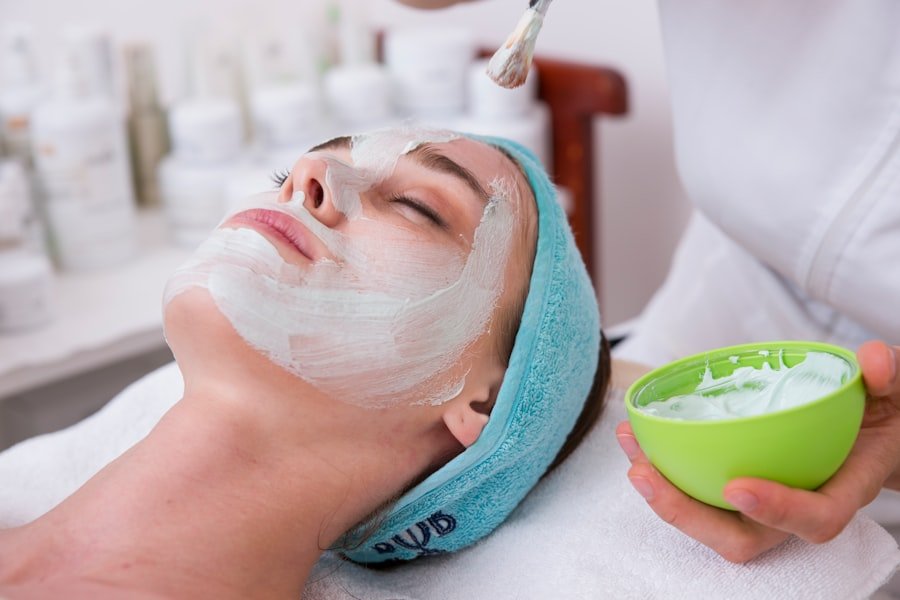
The foundation of any good skincare routine, especially for acne, is gentle cleansing. You want to remove impurities without stripping your skin’s natural oils, which can lead to a cycle of dryness and increased oil production.
The Oil Cleansing Method (OCM)
This might sound counterintuitive – using oil to treat oily skin. However, you’re not fighting oil with more oil; you’re using the principle of “like dissolves like.” The right oils can effectively break down excess sebum, makeup, and impurities without stripping your skin.
- Dissolving Impurities: Carrier oils like jojoba, castor, and sunflower oil can effectively dissolve hardened sebum (the oil your skin produces) and other pore-clogging substances.
- Balancing Sebum Production: When you strip your skin of its natural oils, it often overcompensates by producing even more. OCM helps to balance your skin’s natural oil production.
- Gentle Yet Effective: It’s a far gentler alternative to harsh foaming cleansers that can leave your skin feeling tight and dry.
How to Use It:
- Choose Your Oils: Jojoba oil is excellent for most skin types as it closely mimics your skin’s natural sebum. Castor oil is a potent cleanser and can be used in smaller quantities (e.g., 10-20% of your blend) for its detoxifying properties. Other good options include sweet almond oil, grapeseed oil, or sunflower oil.
- The Process: Pour a small amount (about a teaspoon) of your chosen oil blend into your dry palm. Gently massage the oil into your dry face, working it into all areas for a minute or two. This allows the oil to break down impurities. Then, take a clean washcloth and soak it in hot (but not scalding) water. Wring it out and place it over your face, letting the steam open your pores and soften the oil. Gently wipe away the oil and impurities with the washcloth. Repeat this process a couple of times with the warm cloth until all the oil is removed. You can follow up with a very mild, water-based cleanser if you feel the need, but many find OCM sufficient on its own.
Micellar Water’s Delicate Touch
Micellar water has gained popularity for its gentle yet effective cleansing capabilities. It’s a fantastic option for when your skin feels particularly sensitive or when you’re looking for a quick, refreshing cleanse.
- Micelle Technology: Micellar water contains tiny oil molecules called micelles suspended in purified water. These micelles act like magnets, attracting and lifting away dirt, oil, makeup, and impurities without the need for harsh rubbing or rinsing.
- Soothing and Hydrating: Most micellar waters are formulated to be gentle and often contain soothing ingredients like glycerin or panthenol, which help to hydrate and calm the skin.
- No Rinsing Required (Usually): The beauty of micellar water is that it typically doesn’t require rinsing, making it a convenient and gentle option for cleansing.
How to Use It:
- Apply to a Cotton Pad: Soak a soft cotton pad with micellar water.
- Gentle Wiping: Gently glide the cotton pad over your face, eyes, and lips to remove makeup and impurities. You may need to hold the pad on certain areas for a moment to dissolve stubborn makeup.
- No Need to Rinse: For most formulas, you can follow up with your usual serums and moisturizers without rinsing. However, always check the product’s instructions, as some may recommend a light rinse.
5. Lifestyle Adjustments for Clearer Skin
| Treatment | Effectiveness | Cost | Availability |
|---|---|---|---|
| Tea Tree Oil | Mild | Affordable | Widely available |
| Aloe Vera | Gentle | Inexpensive | Readily available |
| Honey and Cinnamon Mask | Mild | Low cost | Ingredients at home |
While topical treatments are vital, your overall lifestyle plays a pivotal role in managing acne. You can’t just treat the symptoms; you need to address the underlying causes. These aren’t “treatments” in the traditional sense, but rather supportive actions that can significantly improve your skin’s health.
Hydration is Key
Drinking enough water is fundamental for skin health. It’s not a direct acne treatment, but it supports your skin’s natural ability to function optimally.
- Flush Out Toxins: Proper hydration helps your body flush out toxins, which can indirectly contribute to clearer skin.
- Maintain Skin Elasticity: Dehydrated skin can appear dull and less plump. Staying hydrated helps maintain your skin’s elasticity and overall health.
- Prevent Over-Dryness: When your body is well-hydrated, your skin is less likely to become excessively dry, which can trigger increased oil production in an attempt to compensate.
How to Implement It:
- Set Daily Goals: Aim for at least 8 glasses (around 2 liters) of water a day. Adjust this based on your activity level and climate.
- Carry a Water Bottle: Keep a reusable water bottle with you throughout the day as a constant reminder to sip.
- Infuse for Flavor: If plain water feels boring, infuse it with natural flavors like cucumber slices, lemon wedges, or berries.
Stress Management for Skin Serenity
You already know that stress can wreak havoc on your body. Your skin is no exception. When you’re stressed, your body releases hormones like cortisol, which can increase oil production and inflammation – a perfect recipe for acne.
- Cortisol and Oil Production: Elevated cortisol levels can signal your sebaceous glands to produce more oil, leading to clogged pores.
- Inflammation Trigger: Stress itself can exacerbate inflammation in the body, making existing acne worse and potentially triggering new breakouts.
- Skin Barrier Compromise: Chronic stress can weaken your skin’s natural barrier function, making it more susceptible to irritation and infection.
How to Implement It:
- Mindfulness and Meditation: Even a few minutes of daily mindfulness or meditation can help calm your nervous system and reduce stress hormone levels.
- Regular Exercise: Physical activity is a fantastic stress reliever. Find an activity you enjoy and aim for regular sessions.
- Adequate Sleep: Prioritize getting 7-9 hours of quality sleep each night. Your body repairs itself during sleep, and this is crucial for skin regeneration.
- Hobbies and Relaxation: Make time for activities that you find enjoyable and relaxing, whether it’s reading, listening to music, spending time in nature, or engaging in a creative pursuit.
There you have it – a comprehensive guide to gentle acne treatments you can embrace from the comfort of your home. Remember, consistency is key. Be patient with your skin, and celebrate the small victories along the way. You’ve got this!
FAQs
What are some gentle acne treatments that can be done at home?
Some gentle acne treatments that can be done at home include using over-the-counter products containing ingredients like benzoyl peroxide or salicylic acid, applying tea tree oil, using a gentle cleanser, and applying a non-comedogenic moisturizer.
Are there any natural remedies for treating acne at home?
Yes, there are several natural remedies for treating acne at home, including using aloe vera gel, applying honey and cinnamon masks, using apple cider vinegar as a toner, and applying green tea extract.
What should be avoided when treating acne at home?
When treating acne at home, it is important to avoid picking or squeezing pimples, using harsh or abrasive scrubs, over-washing the skin, and using products that contain alcohol or fragrances, as these can irritate the skin and worsen acne.
How long does it take to see results from at-home acne treatments?
The time it takes to see results from at-home acne treatments can vary depending on the individual and the severity of their acne. Some people may see improvement within a few weeks, while for others it may take longer. It is important to be patient and consistent with the chosen treatment.
When should someone seek professional help for their acne?
If at-home acne treatments are not providing the desired results, or if the acne is severe and causing distress, it is advisable to seek professional help from a dermatologist. They can provide personalized treatment options and guidance based on the individual’s specific skin type and acne concerns.