
Anxiety is one of the most common health conditions in the world, yet many people struggle to understand what it really is. If you have recently been diagnosed with an anxiety disorder, suspect you may have anxiety, or care for someone who does, you may feel overwhelmed, confused, or even frightened.
The good news is that anxiety is highly treatable, and many people learn effective ways to manage their symptoms and live full, meaningful lives.
Feeling anxious from time to time is a normal part of being human. Anxiety becomes a health concern when it is persistent, excessive, difficult to control, or begins interfering with daily life, relationships, work, school, or overall well-being.
In this comprehensive guide, you will learn:
- What anxiety is
- Common signs and symptoms
- Causes and risk factors
- How healthcare providers diagnose anxiety
- Available treatment options
- Lifestyle changes that can help
- Foods that may affect symptoms
- Potential complications
- Ways to live well with anxiety
- When to seek medical or emergency care
Most importantly, this guide aims to provide reassurance. Anxiety is not a sign of weakness, failure, or personal inadequacy. It is a real medical condition that can be understood, treated, and managed.
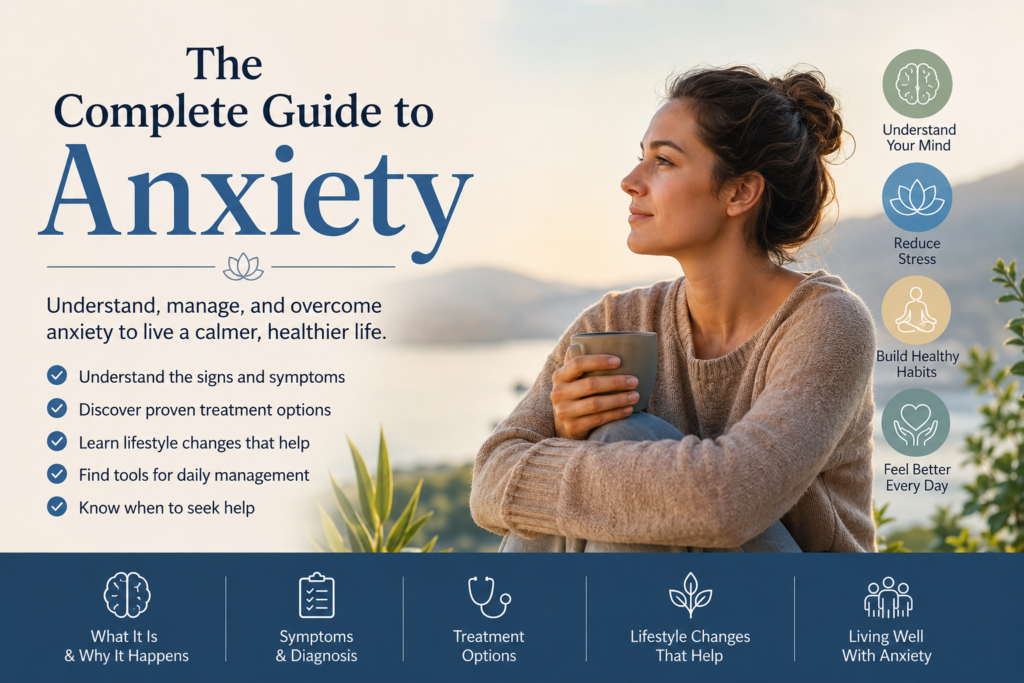
Section 1: What Is Anxiety?
Understanding Anxiety
Anxiety is the body’s natural response to stress, uncertainty, or perceived danger.
In short bursts, anxiety can actually be helpful. It can increase alertness, improve focus, and prepare you to respond to challenges.
However, anxiety becomes a problem when:
- It occurs frequently
- It feels excessive compared to the situation
- It is difficult to control
- It causes significant distress
- It interferes with daily life
Anxiety disorders are a group of mental health conditions characterized by persistent fear, worry, nervousness, or physical symptoms related to stress.
How Common Is Anxiety?
Anxiety disorders are among the most common mental health conditions worldwide.
Millions of adults experience anxiety each year. Many people experience symptoms for months or years before seeking help.
Anxiety can affect:
- Children
- Teenagers
- Adults
- Older adults
It affects people of all backgrounds, occupations, and lifestyles.
Types of Anxiety Disorders
Several conditions fall under the umbrella of anxiety disorders.
Generalized Anxiety Disorder (GAD)
Persistent and excessive worry about everyday situations, such as:
- Health
- Finances
- Family
- Work
- School
Panic Disorder
Characterized by unexpected panic attacks that cause intense fear and physical symptoms.
Social Anxiety Disorder
Fear of social situations, embarrassment, criticism, or judgment from others.
Specific Phobias
Intense fear of specific objects or situations,n,s such as:
- Heights
- Flying
- Needles
- Certain animals
Separation Anxiety Disorder
Excessive fear about being separated from loved ones.
Who Is Most Affected?
Anxiety can affect anyone, but it is more common among:
- Women
- Individuals with family histories of anxiety
- People experiencing chronic stress
- Those with certain medical conditions
- Individuals who have experienced trauma
Why Does Anxiety Develop?
Anxiety usually develops because of a combination of factors, including:
- Genetics
- Brain chemistry
- Personality traits
- Life experiences
- Stressful events
- Medical conditions
There is rarely one single cause.
Section 2: Signs and Symptoms
Anxiety can affect both the mind and body.
Many people are surprised to learn that anxiety often causes physical symptoms as well as emotional symptoms.
Early Symptoms
Common early signs include:
- Excessive worrying
- Feeling constantly “on edge.”
- Trouble relaxing
- Restlessness
- Increased irritability
- Difficulty concentrating
Common Symptoms
Emotional Symptoms
- Constant worry
- Feeling nervous
- Fear of losing control
- Feeling overwhelmed
- Anticipating the worst
Physical Symptoms
- Rapid heartbeat
- Sweating
- Trembling
- Muscle tension
- Headaches
- Dizziness
- Upset stomach
- Nausea
- Fatigue
- Shortness of breath
Cognitive Symptoms
- Racing thoughts
- Difficulty concentrating
- Memory problems
- Constant overthinking
Sleep Symptoms
- Trouble falling asleep
- Frequent waking
- Restless sleep
- Feeling tired despite sleeping
Less Common Symptoms
Some individuals experience:
- Tingling sensations
- Feeling detached from reality
- Chest discomfort
- Frequent urination
- Hot flashes
- Chills
- Difficulty swallowing
Panic Attack Symptoms
A panic attack may include:
- Sudden intense fear
- Rapid heart rate
- Chest pain
- Sweating
- Shaking
- Feeling like you cannot breathe
- Fear of dying
- Fear of losing control
Symptoms often peak within minutes.
Symptom Checklist
Emotional Symptoms
☐ Excessive worry
☐ Feeling nervous
☐ Irritability
☐ Fearfulness
☐ Feeling overwhelmed
Physical Symptoms
☐ Racing heart
☐ Sweating
☐ Trembling
☐ Muscle tension
☐ Headaches
☐ Dizziness
☐ Stomach problems
☐ Fatigue
Sleep and Thinking Symptoms
☐ Difficulty concentrating
☐ Racing thoughts
☐ Trouble sleeping
☐ Frequent waking
☐ Constant overthinking
Warning Signs Requiring Prompt Medical Evaluation
Seek medical attention if you experience:
- New chest pain
- Fainting
- Severe shortness of breath
- Sudden confusion
- Thoughts of self-harm
- Panic symptoms that may be confused with a heart attack
Section 3: What Causes It?
Anxiety is usually caused by multiple factors working together.
Brain Chemistry
Certain brain chemicals help regulate mood and emotions.
When these chemicals become imbalanced, anxiety symptoms may occur.
These chemicals include:
- Serotonin
- Dopamine
- Norepinephrine
- Gamma-aminobutyric acid (GABA)
Genetics
Anxiety often runs in families.
Having a parent or sibling with anxiety does not guarantee you will develop it, but it may increase your risk.
Stressful Life Events
Major life challenges can trigger anxiety.
Examples include:
- Divorce
- Job loss
- Financial problems
- Illness
- Death of a loved one
- Relationship difficulties
Trauma
Past trauma may increase anxiety risk.
Examples include:
- Abuse
- Violence
- Accidents
- Natural disasters
- Military combat
- Childhood adversity
Personality Factors
Some people naturally have traits that increase anxiety risk.
Examples include:
- Perfectionism
- High sensitivity
- Low tolerance for uncertainty
- Excessive self-criticism
Medical Conditions
Certain health conditions can contribute to anxiety.
Examples include:
- Thyroid disorders
- Heart disease
- Chronic pain
- Asthma
- Diabetes
- Hormonal disorders
Lifestyle Factors
Daily habits can influence anxiety levels.
Examples
- Excess caffeine
- Lack of sleep
- Poor nutrition
- Alcohol misuse
- Recreational drug use
- Lack of physical activity
Environmental Influences
Living in highly stressful environments may contribute to anxiety.
Examples include:
- High-pressure jobs
- Financial insecurity
- Family conflict
- Social isolation
- Ongoing uncertainty
Section 4: Risk Factors
Certain factors increase the likelihood of developing anxiety.
Age-Related Risk Factors
- Childhood stress
- Teenage emotional challenges
- Young adulthood transitions
- Major life changes at any age
Family History
- Parent with anxiety disorder
- Sibling with anxiety disorder
- Family history of mental health conditions
Lifestyle Factors
- Poor sleep habits
- High caffeine intake
- Sedentary lifestyle
- Smoking
- Excess alcohol consumption
- Drug use
Medical Conditions
- Chronic pain
- Heart disease
- Thyroid disease
- Respiratory disorders
- Diabetes
- Neurological disorders
Psychological Risk Factors
- Trauma history
- Perfectionism
- Low self-esteem
- Chronic stress
- Negative thinking patterns
Social and Environmental Factors
- Financial stress
- Relationship conflict
- Social isolation
- Workplace stress
- Academic pressure
Section 5: How Doctors Diagnose It
Many people hesitate to seek help because they are unsure what to expect.
Fortunately, diagnosing anxiety is usually straightforward.
Medical History
Your healthcare provider will ask about:
- Symptoms
- Duration of symptoms
- Triggers
- Sleep patterns
- Stress levels
- Medical history
- Family history
Physical Examination
A physical exam helps identify possible medical causes of symptoms.
The provider may check:
- Blood pressure
- Heart rate
- Breathing
- Weight
- General health status
Mental Health Screening
You may be asked questions about:
- Worry
- Mood
- Sleep
- Stress
- Daily functioning
Common screening questionnaires may be used.
Laboratory Testing
Blood tests may help rule out other causes.
Examples include:
- Thyroid testing
- Blood sugar testing
- Complete blood count (CBC)
- Vitamin deficiency testing
Imaging Studies
Imaging tests are usually not needed for anxiety itself.
However, they may be ordered if another medical condition is suspected.
What Patients Should Expect
Diagnosis usually involves:
- Discussion of symptoms
- Review of medical history
- Physical examination
- Possible laboratory testing
- Development of a treatment plan
Many patients feel relieved after receiving a diagnosis because it helps explain what they have been experiencing.
Section 6: Treatment Options
The good news is that anxiety is highly treatable.
Treatment plans vary depending on:
- Symptom severity
- Type of anxiety disorder
- Overall health
- Personal preferences
Psychotherapy
Psychotherapy, often called talk therapy, is one of the most effective treatments for anxiety.
Cognitive Behavioral Therapy (CBT)
CBT helps individuals:
- Identify anxious thoughts
- Challenge unhelpful beliefs
- Develop healthier coping skills
CBT is considered a first-line treatment for many anxiety disorders.
Prescription Medications
Healthcare providers may prescribe medications when appropriate.
Common Medication Categories
- Selective serotonin reuptake inhibitors (SSRIs)
- Serotonin-norepinephrine reuptake inhibitors (SNRIs)
- Anti-anxiety medications
- Certain beta blockers for specific symptoms
Benefits of Medication
Medications may help:
- Reduce excessive worry
- Improve sleep
- Decrease panic symptoms
- Improve daily functioning
Limitations of Medication
- It may take several weeks to work
- Side effects may occur
- Not every medication works for every person
Section 6: Treatment Options
Other Non-Drug Therapies
In addition to psychotherapy and medications, several non-drug approaches may help reduce anxiety symptoms.
Mindfulness-Based Therapies
Mindfulness teaches people to focus on the present moment instead of worrying about the future or dwelling on the past.
Benefits may include:
- Reduced stress
- Improved emotional regulation
- Better concentration
- Improved sleep
Relaxation Training
Common techniques include:
- Deep breathing exercises
- Progressive muscle relaxation
- Guided imagery
- Meditation
These skills can help calm the body’s stress response.
Support Groups
Support groups allow individuals to:
- Share experiences
- Learn coping strategies
- Feel less isolated
- Gain emotional support
Many people find comfort in connecting with others who understand their experiences.
Stress Management Programs
Structured programs may teach:
- Time management
- Coping skills
- Communication techniques
- Problem-solving strategies
Complementary Approaches
Some people find additional benefit from:
- Yoga
- Tai chi
- Gentle stretching
- Massage therapy
- Mindfulness meditation
These approaches should complement—not replace—professional medical care.
What to Expect During Treatment
Recovery from anxiety is usually gradual rather than immediate.
Many people experience:
Early Improvements
- Better understanding of symptoms
- Increased sense of control
- Improved coping skills
Longer-Term Improvements
- Reduced worry
- Better sleep
- Fewer panic symptoms
- Improved quality of life
Some individuals require adjustments to their treatment plan before finding what works best for them.
Patience and consistency are important.
Section 7: Lifestyle Changes That Help
Lifestyle habits play a major role in managing anxiety.
While lifestyle changes may not eliminate anxiety, they can significantly improve symptoms and overall well-being.
Nutrition
What you eat can affect mood, energy, and stress levels.
Helpful Nutrition Habits
- Eat regular meals
- Include lean protein at each meal
- Choose whole grains
- Eat fruits and vegetables daily
- Stay hydrated
- Limit highly processed foods
Why It Matters
Skipping meals or eating large amounts of sugary foods can contribute to:
- Blood sugar fluctuations
- Irritability
- Fatigue
- Increased anxiety symptoms
Exercise
Physical activity is one of the most effective natural ways to reduce anxiety.
Exercise can:
- Lower stress hormones
- Improve mood
- Improve sleep
- Reduce muscle tension
- Increase confidence
Beginner Goal
Aim for:
- At least 150 minutes of moderate activity per week
Examples include:
- Walking
- Cycling
- Swimming
- Dancing
- Gardening
Even 10-minute sessions can help.
Sleep
Poor sleep and anxiety often create a cycle.
Anxiety can disrupt sleep, and poor sleep can worsen anxiety.
Healthy Sleep Habits
- Go to bed at the same time each night
- Wake at the same time daily
- Limit screens before bed
- Avoid caffeine late in the day
- Keep the bedroom cool and quiet
Adults generally need:
- 7 to 9 hours of sleep per night
Stress Management
Stress cannot always be avoided, but it can be managed.
Helpful strategies include:
- Deep breathing
- Meditation
- Journaling
- Prayer or spiritual practices
- Spending time in nature
- Talking with supportive friends or family
Daily Habits That Support Mental Health
Consider:
- Taking regular breaks
- Setting realistic expectations
- Limiting multitasking
- Creating a daily routine
- Practicing gratitude
- Reducing exposure to distressing news
Small daily improvements often lead to meaningful long-term results.
Daily Anxiety Management Checklist
Use this simple checklist each day.
Physical Health
☐ Drank enough water
☐ Ate balanced meals
☐ Exercised or moved my body
☐ Limited caffeine
☐ Avoided excessive alcohol
Mental Health
☐ Practiced deep breathing
☐ Took breaks when needed
☐ Challenged anxious thoughts
☐ Spent time doing something enjoyable
Sleep
☐ Followed a consistent bedtime
☐ Limited screen time before sleep
☐ Slept at least 7 hours
Section 8: Foods That Help and Foods to Limit
While no food can cure anxiety, certain foods may support brain health and emotional well-being.
Foods That May Help
| Food | Why It May Help |
| Fatty fish (salmon, sardines) | Rich in omega-3 fatty acids that support brain health |
| Nuts and seeds | Provide healthy fats and magnesium |
| Whole grains | Help stabilize blood sugar levels |
| Fruits | Provide antioxidants and fiber |
| Vegetables | Support overall health and nutrient intake |
| Beans and legumes | Provide protein and steady energy |
| Yogurt and fermented foods | May support gut health |
| Eggs | Contains protein and important nutrients |
| Oatmeal | Provides slow-release energy |
| Herbal teas | May promote relaxation |
Foods and Substances That May Worsen Symptoms
| Food or Substance | Why It May Worsen Anxiety |
| Excess caffeine | Can increase nervousness and a rapid heart rate |
| Energy drinks | Often contain large amounts of stimulants |
| Excess sugar | May contribute to energy crashes |
| Highly processed foods | Often provide little nutritional value |
| Excess alcohol | Can worsen anxiety over time |
| Recreational drugs | May trigger or worsen symptoms |
| Excess nicotine | Can increase anxiety and tension |
| Large amounts of soda | Often contain caffeine and sugar |
Everyone responds differently, so it may be helpful to track foods and symptoms.
Section 9: Complications If Left Untreated
Untreated anxiety can affect many areas of life.
The goal of discussing complications is not to create fear, but to encourage timely treatment and support.
Short-Term Complications
Daily Functioning Problems
Anxiety may interfere with:
- Work performance
- School performance
- Concentration
- Decision-making
Sleep Problems
Ongoing anxiety frequently contributes to:
- Insomnia
- Restless sleep
- Chronic fatigue
Relationship Difficulties
Persistent anxiety may affect:
- Communication
- Intimacy
- Social activities
- Family relationships
Long-Term Complications
Chronic Stress Effects
Long-term anxiety can contribute to:
- High blood pressure
- Increased inflammation
- Headaches
- Digestive issues
Mental Health Concerns
Untreated anxiety may increase the risk of:
- Depression
- Substance misuse
- Social isolation
- Burnout
Reduced Quality of Life
People with severe, untreated anxiety may:
- Avoid activities they once enjoyed
- Miss opportunities
- Limit social interactions
- Experience decreased life satisfaction
Fortunately, treatment can often improve these outcomes significantly.
Section 10: Living Well With Anxiety
Having anxiety does not mean you cannot live a happy, productive, and fulfilling life.
Many people successfully manage anxiety and thrive.
Learn Your Triggers
Keeping track of triggers can help you prepare and respond more effectively.
Common triggers include:
- Financial stress
- Work deadlines
- Conflict
- Sleep deprivation
- Excess caffeine
Develop a Management Plan
A personal anxiety management plan may include:
- Medication if prescribed
- Therapy appointments
- Exercise routines
- Relaxation techniques
- Healthy sleep habits
Practice Self-Monitoring
Pay attention to:
- Anxiety levels
- Sleep quality
- Stress levels
- Physical symptoms
Tracking patterns can help identify what improves or worsens symptoms.
Build a Support Network
Support can come from:
- Family
- Friends
- Therapists
- Healthcare providers
- Support groups
You do not have to manage anxiety alone.
Be Patient With Yourself
Recovery is rarely linear.
There may be:
- Good days
- Difficult days
- Temporary setbacks
Progress matters more than perfection.
Long-Term Success Strategies
Many people benefit from:
- Continuing therapy skills
- Maintaining healthy routines
- Practicing stress reduction regularly
- Seeking help early when symptoms worsen
Anxiety management is often a lifelong skill rather than a short-term project.
Section 11: Questions to Ask Your Healthcare Provider
Consider bringing these questions to your next appointment.
- What type of anxiety disorder do I have?
- Could another medical condition be causing my symptoms?
- Do I need any blood tests?
- What treatments do you recommend?
- Would therapy help me?
- Is Cognitive Behavioral Therapy right for me?
- Should I consider medication?
- What side effects should I watch for?
- How long might treatment take?
- What should I do during a panic attack?
- Are my symptoms affecting my physical health?
- How can I improve my sleep?
- What lifestyle changes would help most?
- Should I reduce caffeine?
- Are there support groups available?
- What warning signs should prompt a follow-up visit?
- How often should I be monitored?
- What should I tell family members about my condition?
- How can I prevent symptoms from worsening?
- What resources do you recommend for learning more?
Section 12: WHEN TO SEEK EMERGENCY CARE
Seek Immediate Medical Attention If You Experience:
Thoughts of suicide or self-harm
Thoughts of harming others
Chest pain that may indicate a heart problem
Severe difficulty breathing
Loss of consciousness
Sudden confusion
Seizures
Symptoms of a possible stroke, such as:
- Facial drooping
- Arm weakness
- Speech difficulties
Panic symptoms that are severe and impossible to distinguish from a heart attack
Important Reminder
Never assume chest pain, shortness of breath, or severe symptoms are “just anxiety.”
When in doubt, seek emergency medical evaluation.
Section 13: Frequently Asked Questions
1. Is anxiety a mental illness?
Anxiety disorders are recognized medical and mental health conditions that can be treated effectively.
2. Is anxiety normal?
Occasional anxiety is normal. Persistent anxiety that disrupts daily life may require treatment.
3. Can anxiety cause physical symptoms?
Yes. Anxiety can affect the heart, muscles, digestive system, breathing, and sleep.
4. Can anxiety cause chest pain?
Yes, but chest pain should always be medically evaluated when appropriate.
5. Can anxiety make me feel dizzy?
Yes. Dizziness is a common symptom.
6. Can anxiety cause stomach problems?
Yes. Nausea, diarrhea, stomach discomfort, and changes in appetite are common.
7. Can anxiety go away on its own?
Some episodes improve, but persistent anxiety often benefits from professional treatment.
8. Is medication always necessary?
No. Some people improve with therapy and lifestyle changes alone.
9. How effective is therapy?
Therapy is highly effective for many anxiety disorders.
10. Can exercise really help?
Yes. Regular exercise has been shown to reduce anxiety symptoms.
11. Does caffeine worsen anxiety?
For many people, yes.
12. Can anxiety affect sleep?
Absolutely. Sleep problems are very common.
13. Can children develop anxiety?
Yes. Anxiety can affect people of all ages.
14. Is anxiety hereditary?
Genetics can increase risk, but they are not the only factor.
15. Can anxiety cause panic attacks?
Yes. Panic attacks are common in certain anxiety disorders.
16. Will I always have anxiety?
Not necessarily. Many people experience major improvement with treatment.
17. Can anxiety affect relationships?
Yes. Anxiety may influence communication, trust, and social interactions.
18. Is recovery possible?
Yes. Many individuals successfully manage anxiety and live fulfilling lives.
Section 14: Helpful Resources
Learning about anxiety from trustworthy sources can help you feel more informed and confident in managing your health.
Symptom Trackers
Keeping a record of symptoms can help you and your healthcare provider identify patterns and evaluate treatment effectiveness.
Track:
- Anxiety severity
- Panic attacks
- Sleep quality
- Stress levels
- Physical symptoms
- Medication use
- Triggers
Anxiety Monitoring Log
| Date | Anxiety Level (1-10) | Major Trigger | Physical Symptoms | Coping Strategy Used |
Sleep Tracker
Because sleep and anxiety strongly influence each other, monitoring sleep can be helpful.
| Date | Bedtime | Wake Time | Hours Slept | Sleep Quality (1-10) |
Medication Tracker
If medications are prescribed, keeping a simple log may improve consistency and help identify side effects.
| Medication | Dose | Time Taken | Side Effects Noted |
Food and Mood Diary
Many people notice links between anxiety symptoms and eating habits.
| Date | Food or Drink | Anxiety Level Before | Anxiety Level After | Notes |
Appointment Preparation Worksheet
Bring this information to medical appointments.
My Main Symptoms
When Symptoms Started
What Makes Symptoms Worse?
What Helps Symptoms?
Current Medications and Supplements
Questions I Want to Ask
Reputable Educational Organizations
The following organizations provide reliable, evidence-based information about anxiety and mental health.
National Institute of Mental Health
Provides educational materials about anxiety disorders, treatments, and current research.
Anxiety & Depression Association of America
Offers educational resources, coping tools, and support information.
World Health Organization
Provides information about mental health and anxiety worldwide.
Substance Abuse and Mental Health Services Administration
Provides treatment resources and information on mental health support.
Mental Health America
Offers screening tools, educational materials, and support resources.
Support Communities
Many people find support through:
- Local support groups
- Community mental health programs
- Faith-based support groups
- Online peer-support communities moderated by mental health organizations
- Therapy groups
Support from others can reduce feelings of isolation and provide practical coping strategies.
Helpful Lifestyle Tools
Consider using:
- Journals
- Mood-tracking apps
- Meditation apps
- Sleep-tracking tools
- Exercise logs
- Stress-management planners
These tools can help increase awareness and support healthy habits.
Section 15: Related Health Topics
If you are interested in learning more about anxiety, you may also benefit from reading about related health topics.
Stress Management
Understanding stress can help reduce anxiety symptoms and improve overall well-being.
Panic Attacks
Learn how panic attacks occur, what they feel like, and how they are treated.
Depression
Anxiety and depression frequently occur together.
Sleep Disorders
Poor sleep can worsen anxiety, while anxiety can disrupt sleep.
Burnout
Chronic stress and emotional exhaustion can contribute to anxiety symptoms.
Mindfulness and Meditation
Mindfulness-based practices can support emotional regulation and stress reduction.
Heart Health
Anxiety can affect heart rate, blood pressure, and overall cardiovascular wellness.
Nutrition and Mental Health
Food choices may influence mood, energy levels, and emotional health.
Physical Activity and Mental Wellness
Regular movement can improve both physical and mental health.
Chronic Pain Management
Living with chronic pain can increase anxiety risk and stress levels.
Emotional Resilience
Building coping skills can help individuals navigate life’s challenges more effectively.
Healthy Relationships
Strong social connections can support emotional well-being and recovery.
Section 16: What we learn from this article
The most important thing to remember about anxiety is that it is common, treatable, and manageable.
Key Facts
- Anxiety is a real medical condition.
- Anxiety affects both the mind and body.
- Many people experience physical and emotional symptoms.
- Anxiety disorders are among the most common mental health conditions worldwide.
- Anxiety can affect people of all ages.
Important Symptoms to Watch For
- Excessive worry
- Restlessness
- Irritability
- Muscle tension
- Trouble concentrating
- Sleep problems
- Panic attacks
- Physical symptoms such as a rapid heartbeat or stomach upset
Effective Treatment Options
- Cognitive Behavioral Therapy (CBT)
- Other forms of psychotherapy
- Prescription medications, when appropriate
- Stress-management techniques
- Lifestyle improvements
Lifestyle Habits That Help
- Regular exercise
- Consistent sleep habits
- Balanced nutrition
- Limiting caffeine
- Stress reduction practices
- Building social support
Red Flags That Need Medical Attention
- Severe symptoms interfering with daily life
- New chest pain
- Difficulty breathing
- Thoughts of self-harm
- Symptoms that worsen significantly
Most Important Message
You do not have to manage anxiety alone.
Effective help is available.
With proper support, treatment, and self-care, many people experience significant improvement and regain control of their lives.
Bonus: Weekly Anxiety Self-Assessment
Rate each item from 0 to 5.
0 = Never
5 = Nearly Every Day
Emotional Symptoms
□ Excessive worry _____
□ Feeling nervous _____
□ Irritability _____
□ Fearfulness _____
□ Feeling overwhelmed _____
Physical Symptoms
□ Rapid heartbeat _____
□ Muscle tension _____
□ Sweating _____
□ Stomach discomfort _____
□ Fatigue _____
Sleep Symptoms
□ Difficulty falling asleep _____
□ Frequent waking _____
□ Restless sleep _____
Daily Functioning
□ Difficulty concentrating _____
□ Avoiding activities _____
□ Anxiety interfering with work or relationships _____
Weekly Total Score
Track your score over time and discuss significant changes with your healthcare provider.
Final Encouragement From Ask The Nurse Expert
If you are struggling with anxiety, remember that you are far from alone.
Anxiety can sometimes make everyday tasks feel overwhelming. It can convince you that something is wrong, that you are not coping well enough, or that things will never improve. Fortunately, anxiety is often a very treatable condition, and many people experience meaningful recovery with the right support and strategies.
Try to focus on progress rather than perfection.
Small steps matter.
A short walk, a good night’s sleep, a therapy appointment, a healthy meal, or a few minutes of deep breathing may seem minor in the moment, but these actions can add up to meaningful improvements over time.
Knowledge is powerful. Understanding anxiety helps you recognize symptoms, identify triggers, make informed decisions, and seek help when needed.
Most importantly, remember that your healthcare team is there to help. Doctors, nurses, therapists, counselors, pharmacists, and other healthcare professionals can work with you to create a treatment plan tailored to your unique needs and circumstances.
Be patient with yourself.
Be kind to yourself.
Recovery is often a journey, not a straight line.
With education, support, healthy habits, and appropriate medical care, many people learn to manage anxiety successfully and live full, productive, and rewarding lives.
— Ask The Nurse Expert
Related Topics About The Complete Guide to Anxiety:
Core Anxiety Keywords,
Anxiety Symptoms,
Anxiety Disorder,
Anxiety Treatment,
Anxiety Causes,
Anxiety Management,
Anxiety Relief,
Anxiety Help,
Anxiety Diagnosis,
Anxiety Recovery,
Anxiety Support,