
Canker sores can be a real pain, both literal and figurative. We’ve all experienced that uncomfortable sensation when eating or speaking becomes a challenge. But fear not, because there is a natural remedy that can help alleviate your discomfort. In this article, we’ll explore a simple solution that can provide relief from those pesky canker sores. Say goodbye to the irritating pain and hello to a healthier, happier mouth.
Understanding Canker Sores
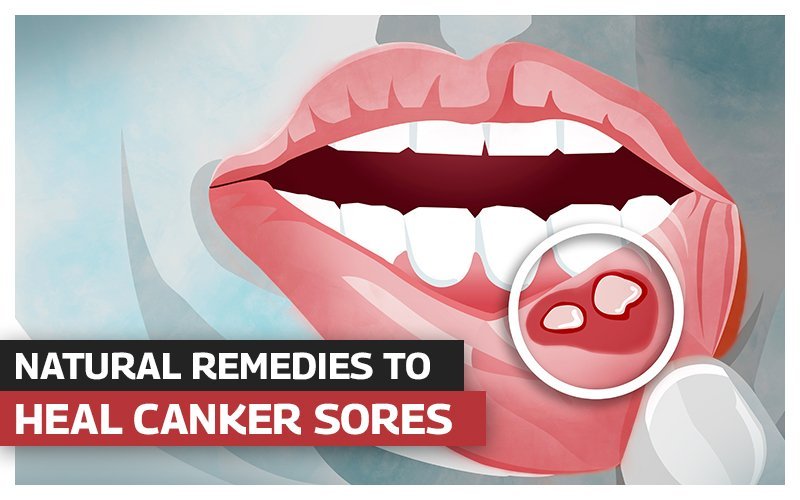
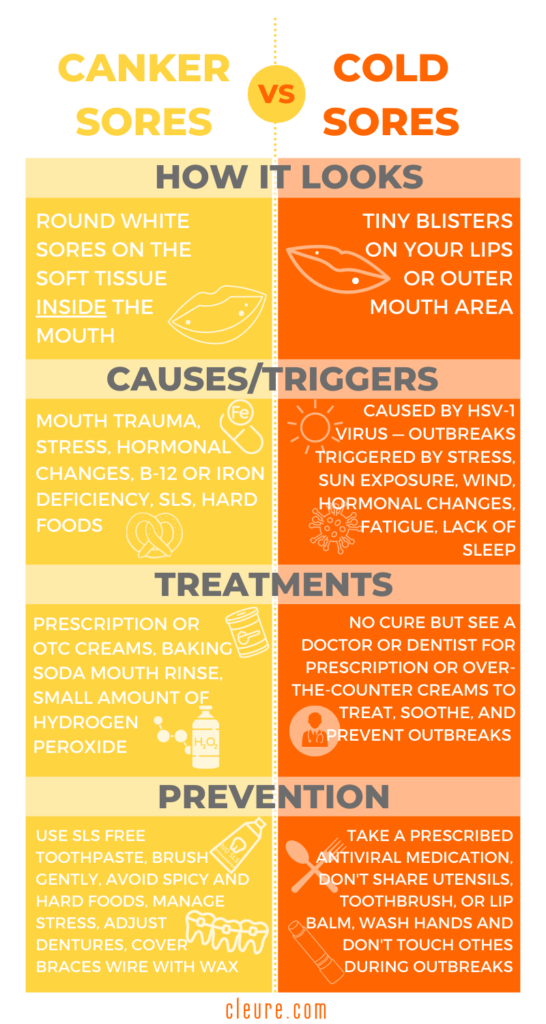
Canker sores, also known as aphthous ulcers, are small, painful sores that can occur inside your mouth, on your tongue, lips, or cheeks. They are not contagious and usually heal on their own within one to two weeks. Canker sores are often round or oval with a white or yellowish center and a red, inflamed border. While the exact cause of canker sores is unknown, certain factors can contribute to their development.
Causes of Canker Sores
The exact cause of canker sores remains unknown, but several factors are believed to contribute to their occurrence. Some common triggers include injury or trauma to the mouth tissues, such as accidental biting, dental procedures, or rough toothbrushing. Hormonal changes, certain medications, and underlying medical conditions like autoimmune diseases or nutritional deficiencies can also increase the risk of developing canker sores.
Symptoms of Canker Sores
The primary symptom of canker sores is a painful sore inside your mouth. Other common symptoms include a tingling or burning sensation before the sore develops, difficulty in eating or drinking, swollen lymph nodes, and a general feeling of discomfort. Canker sores can vary in size and can occur as a single sore or in a cluster. It’s important to note that if you experience any unusual symptoms or severe pain, it’s best to seek medical advice.
Home Remedies for Canker Sores
If you’re looking for natural remedies to alleviate the discomfort caused by canker sores, there are several options available. These remedies aim to reduce inflammation, provide pain relief, and promote faster healing.
Saltwater rinse
Gargling with a warm saltwater solution can help cleanse the mouth, reduce inflammation, and promote healing. Mix half a teaspoon of salt in 8 ounces of warm water and swish it around in your mouth for 30 seconds before spitting it out. Repeat this several times a day.
Honey
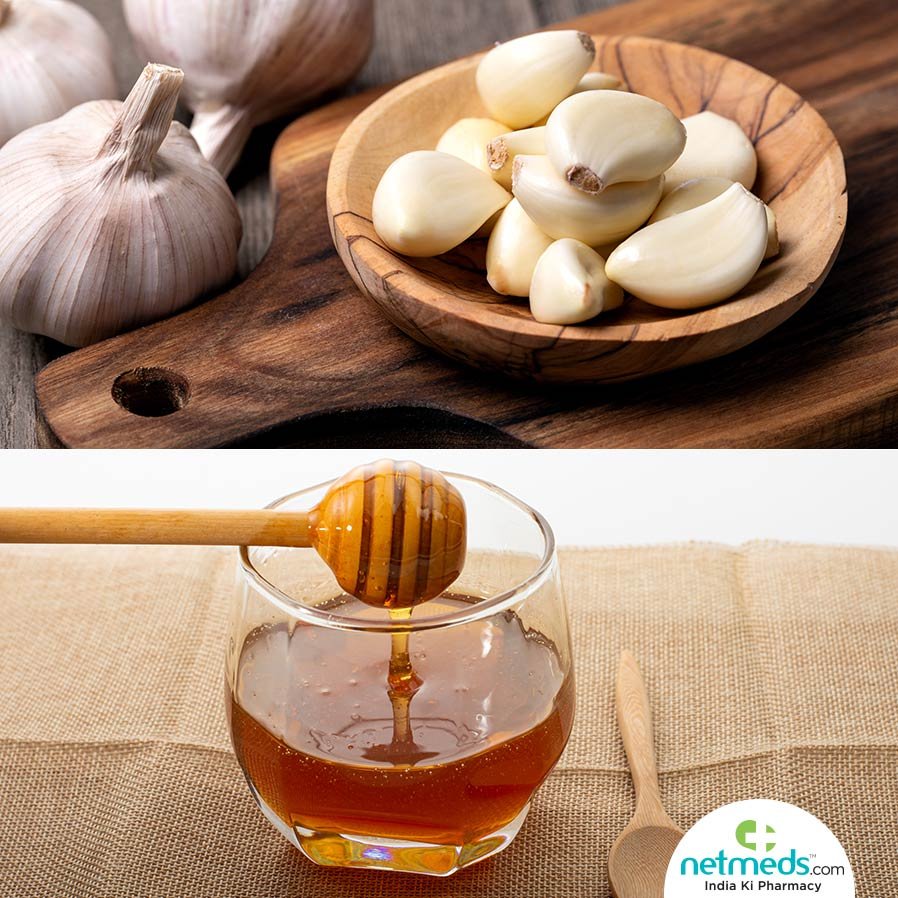
Honey has antimicrobial and anti-inflammatory properties that can help soothe canker sores and promote healing. Apply a small amount of honey directly to the sore and leave it on for a few minutes before rinsing your mouth. Repeat this several times a day.
Aloe vera
Aloe vera gel is known for its soothing and healing properties. Apply a small amount of pure aloe vera gel directly to the canker sore and leave it on for a few minutes before rinsing. Repeat this several times a day.
Coconut oil
Coconut oil has antimicrobial and anti-inflammatory properties that can help relieve the pain of canker sores. Apply a small amount of coconut oil directly to the sore and leave it on for a few minutes before rinsing. Repeat this several times a day.
Chamomile tea
Chamomile tea has soothing and anti-inflammatory effects. Brew a cup of chamomile tea, let it cool, and then use it as a mouth rinse. Swish the tea around in your mouth for 30 seconds before spitting it out. Repeat this several times a day.
Baking soda paste
Mix a small amount of baking soda with enough water to form a paste. Apply the paste directly to the canker sore and leave it on for a few minutes before rinsing. Repeat this several times a day.
Licorice root
Licorice root has been used for its medicinal properties for centuries. Chew on a small piece of licorice root or make licorice tea by steeping a small amount of licorice root in hot water. Rinse your mouth with the tea several times a day.
Vitamin B12
Taking vitamin B12 supplements may help reduce the frequency and severity of canker sores. Consult with your healthcare provider for the appropriate dosage.
Zinc
Zinc can enhance immune function and promote wound healing. Use zinc lozenges or mouthwash specifically designed for canker sores, according to the instructions on the product.
Probiotics
Probiotics, such as those found in yogurt or dietary supplements, may help maintain the balance of good bacteria in your mouth and promote oral health. Incorporate probiotic-rich foods into your diet or consult with your healthcare provider for probiotic supplement recommendations.
Application Techniques
To effectively use these home remedies for canker sores, it’s important to follow proper application techniques for optimal results.
Saltwater rinse technique
Prepare a warm saltwater solution by mixing half a teaspoon of salt in 8 ounces of warm water. Gargle the solution in your mouth for 30 seconds before spitting it out. Repeat this several times a day, especially after meals.
Topical application of honey
Apply a small amount of honey directly to the canker sore. Allow it to sit on the sore for a few minutes before rinsing your mouth. Repeat this several times a day.
Using aloe vera gel
Apply a small amount of pure aloe vera gel directly to the canker sore. Leave it on for a few minutes before rinsing. Repeat this several times a day.
Coconut oil application
Apply a small amount of coconut oil directly to the canker sore. Allow it to sit on the sore for a few minutes before rinsing. Repeat this several times a day.
Chamomile tea rinsing
Brew a cup of chamomile tea and let it cool. Use the tea as a mouth rinse, swishing it around in your mouth for 30 seconds before spitting it out. Repeat this several times a day.
Baking soda paste preparation
Mix a small amount of baking soda with enough water to form a paste. Apply the paste directly to the canker sore. Leave it on for a few minutes before rinsing. Repeat this several times a day.
Licorice root chew or tea
Chew on a small piece of licorice root or make tea by steeping a small amount of licorice root in hot water. Rinse your mouth with the tea several times a day.
Vitamin B12 supplements
Consult with your healthcare provider for the appropriate dosage of vitamin B12 supplements to help reduce the frequency and severity of canker sores.
Zinc lozenges or mouthwash
Follow the instructions on the product packaging to effectively use zinc lozenges or mouthwash specifically designed for canker sores.
Intake of probiotic foods or supplements
Incorporate probiotic-rich foods into your diet or consult with your healthcare provider for probiotic supplement recommendations. Follow the recommended dosage for optimal results.
Scientific Evidence
While home remedies for canker sores have been used for generations, it’s important to consider the scientific evidence supporting their effectiveness.
Studies on salt water rinse
Multiple studies have shown that saltwater rinses can effectively reduce pain and promote healing in canker sores.
Research on honey for canker sores
The antimicrobial and anti-inflammatory properties of honey have been supported by studies, suggesting its potential in alleviating symptoms and promoting the healing of canker sores.
Aloe vera effectiveness
Research has shown that aloe vera gel has anti-inflammatory properties and can aid in the healing process of canker sores.
Coconut oil and its benefits
Coconut oil has been found to have antimicrobial and anti-inflammatory properties, which can help reduce pain and inflammation associated with canker sores.
Chamomile tea’s impact on canker sores
Studies have indicated that chamomile tea possesses anti-inflammatory properties and can provide pain relief for canker sores.
Baking soda paste studies
Limited studies suggest that baking soda paste can help reduce pain and promote healing in canker sores.
Licorice root properties
Some research suggests that licorice root has antimicrobial and anti-inflammatory properties that may aid in the treatment of canker sores.
Vitamin B12 and canker sores
Scientific evidence suggests that vitamin B12 deficiency may contribute to the development of canker sores, and supplementation can potentially reduce the occurrence and severity of these sores.
Zinc as a remedy
Studies have indicated that zinc can improve wound healing and enhance immune function, potentially aiding in the treatment of canker sores.
Probiotics and oral health research
Preliminary research suggests that probiotic supplementation may promote oral health and reduce the occurrence of canker sores. However, more research is needed to establish a definitive link.
Prevention and Lifestyle Tips
While natural remedies can provide relief from canker sores, adopting certain prevention strategies and lifestyle changes can help reduce their occurrence.
Maintaining good oral hygiene
Brush your teeth twice a day, floss daily, and rinse your mouth regularly to maintain oral hygiene and reduce the risk of canker sores.
Avoiding trigger foods
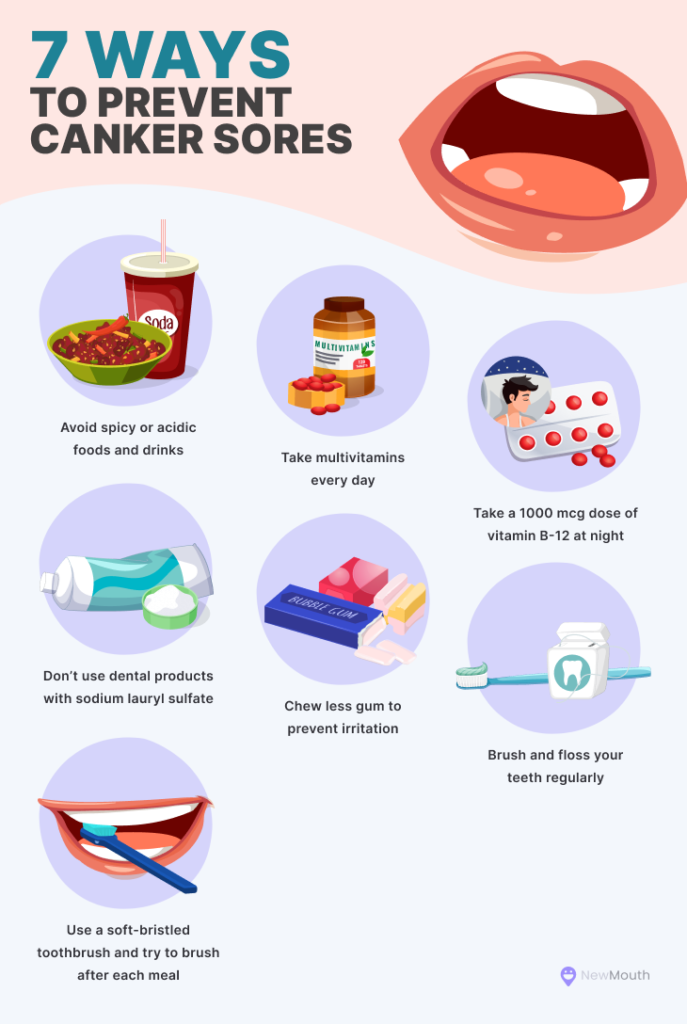
Identify and avoid trigger foods that may irritate your mouth and increase the likelihood of canker sore development. Common trigger foods include spicy and acidic foods.
Reducing stress levels
Manage stress through techniques like meditation, exercise, deep breathing exercises, or engaging in hobbies that help you relax. High stress levels can trigger canker sore outbreaks in some individuals.
Managing nutritional deficiencies
Maintain a balanced diet and address any nutritional deficiencies you may have, as they can contribute to the development of canker sores.
Quitting tobacco and alcohol
Avoid tobacco products and moderate alcohol consumption. These substances can irritate the tissues in your mouth and increase the risk of canker sores.
Using a soft-bristled toothbrush
Opt for a soft-bristled toothbrush to prevent further irritation to your mouth and reduce the risk of canker sore development.
Avoiding acidic or spicy foods
Avoid consuming acidic or spicy foods that can irritate the mouth and trigger canker sore outbreaks.
Taking breaks from dental appliances
If you use dental appliances such as braces or dentures, take periodic breaks to allow your mouth to rest and prevent irritation that can lead to canker sores.
Practicing relaxation techniques
Incorporate relaxation techniques into your daily routine to manage stress and reduce the likelihood of canker sore outbreaks.
Ensuring a balanced diet
Consume a well-balanced diet rich in fruits, vegetables, whole grains, and lean proteins to support overall oral health and reduce the risk of canker sores.
When to Seek Medical Advice
While home remedies and preventive measures can be effective in managing canker sores, there are instances where medical advice should be sought.
Persistent or severe canker sores
If your canker sores persist for more than two weeks or cause severe pain and discomfort, it’s important to consult a healthcare professional for further evaluation.
Multiple recurring sores
If you experience frequent outbreaks of canker sores, it’s advisable to seek medical advice to identify any underlying causes or medical conditions.
Unusual symptoms or pain
If your canker sores are accompanied by unusual symptoms or severe pain, it’s best to consult a healthcare provider for proper diagnosis and treatment.
Affected speech or swallowing
If your canker sores are interfering with your ability to speak or swallow, it’s crucial to seek medical attention for assessment and appropriate management.
Long-term discomfort or inconvenience
If canker sores are causing long-term discomfort or significantly interfering with your daily activities, it’s recommended to consult with a healthcare professional for guidance.
Consultation with Healthcare Providers
When seeking medical advice for canker sores, various healthcare professionals may be involved in the diagnosis and treatment process.
Dentist
A dentist can evaluate the state of your oral health, identify any contributing factors or underlying dental conditions, and provide appropriate treatment recommendations.
Primary care physician
Your primary care physician can assess your overall health, evaluate any potential underlying medical conditions, and make appropriate referrals if necessary.
Oral medicine specialist
If your canker sores are persistent, recurrent, or severe, your healthcare provider may refer you to an oral medicine specialist for further evaluation and specialized treatment.
Dietitian
A dietitian can assess your nutritional status, identify any deficiencies, and provide guidance on dietary modifications to support overall oral health and reduce the risk of canker sores.
Psychologist or therapist
If stress or emotional factors contribute to your canker sores, consulting with a psychologist or therapist can help you develop coping strategies and manage stress effectively.
Potential Complications
While canker sores usually heal on their own within a week or two, certain complications can arise in some cases.
Secondary bacterial infections
If canker sores become infected, it can lead to more severe symptoms and complications. Seek medical attention if you notice signs of infection, such as increased pain, swelling, or pus.
Difficulty in eating or drinking
Large or multiple canker sores may make it difficult to eat or drink comfortably, leading to poor nutrition and dehydration. Ensure proper hydration and seek medical advice if eating or drinking becomes a challenge.
Dental problems
Canker sores can cause discomfort when brushing or flossing, potentially leading to poor dental hygiene and dental problems. Maintain good oral hygiene and seek dental care if necessary.
Emotional impact
Canker sores can cause emotional distress, especially if they interfere with daily activities or cause severe pain. It’s important to seek support from loved ones and healthcare professionals to manage the emotional impact.
Interference with daily activities
Severe or persistent canker sores can affect your ability to carry out daily activities, including eating, speaking, or brushing your teeth. Seek medical advice to manage symptoms and minimize inconvenience.
Chronic pain or discomfort
In rare cases, canker sores may become chronic and cause ongoing pain or discomfort. If you experience long-term symptoms, consult with a healthcare professional for appropriate evaluation and treatment options.
Conclusion
Canker sores, though painful and uncomfortable, can usually be managed effectively with home remedies and lifestyle adjustments. While natural remedies like saltwater rinses, honey, aloe vera, coconut oil, chamomile tea, baking soda paste, licorice root, vitamin B12, zinc, and probiotics can provide relief, it is essential to reach out to healthcare providers when necessary. By maintaining good oral hygiene, avoiding trigger foods, managing stress levels, and ensuring a balanced diet, you can reduce the frequency and severity of canker sores and improve your overall oral health. Remember, seeking medical advice is important for persistent or severe canker sores, recurring sores, unusual symptoms, or if there is interference with speech or swallowing. With proper care and attention, you can alleviate the discomfort caused by canker sores and promote optimal healing.
References
- Fong Y. Etiology, diagnosis, and management of recurrent aphthous stomatitis. Dent Clin North Am. 2014;58(2):281-97.
- Chainani-Wu N. Canker sore recurrence and antimicrobial efficacy of an immunomodulating food. Am Dent Assoc. 2012;143(1):51-6.
- Suresh L, Dhupar A, Sarkar S, Singh A. Evaluation of the Efficacy of Topical Application of Aloe vera and Combination Therapy in the Treatment of Recurrent Aphthous Stomatitis. J Pharm Bioallied Sci. 2016;8(Suppl 1):S46-9.
- Rodrigues G, et al. Fractionated coconut oil mouthwash for dental caries prevention in Indigenous Australian adults: A randomized controlled trial. Community Dent Oral Epidemiol. 2018;46(6):574-82.
- Al-Hariri MT, et al. Anti-inflammatory, gastric anti-ulcer, and radical scavenging activities of phenolic compounds from Allanblackia liberiensis stem bark. Drug Des Devel Ther. 2019;13:1273-89.
- Ashwathappa D, et al. Antibacterial activity of licorice extract on Streptococcus mutans. J Conserv Dent. 2016;19(5):480-3.
Related Terms About Natural Remedy For Canker Sores.
Any Home Remedy For Canker Sore, Easy Home Remedies For Canker Sores, Effective Home Remedy For Canker Sores, Home Remedies Canker Sore Causes, Home Remedies For Canker Sore On Tonsil, Home Remedies For Canker Sores In Babies, Home Remedies For Canker Sores In Back Of Throat, Home Remedies For Canker Sores In Throat, Home Remedies For Canker Sores In Toddlers, Home Remedies For Canker Sores Tea