
Living with ADHD can be challenging, but what if there was a natural remedy that could help you manage its symptoms? In this article, we will explore an alternative approach to ADHD treatment that focuses on harnessing the power of nature. By incorporating specific lifestyle changes, dietary adjustments, and herbal supplements, you can potentially improve your focus, reduce impulsivity, and enhance overall well-being. Discover the potential of natural remedies and take control of your ADHD symptoms today.
1. Dietary Changes
1.1 Eliminate artificial additives and preservatives
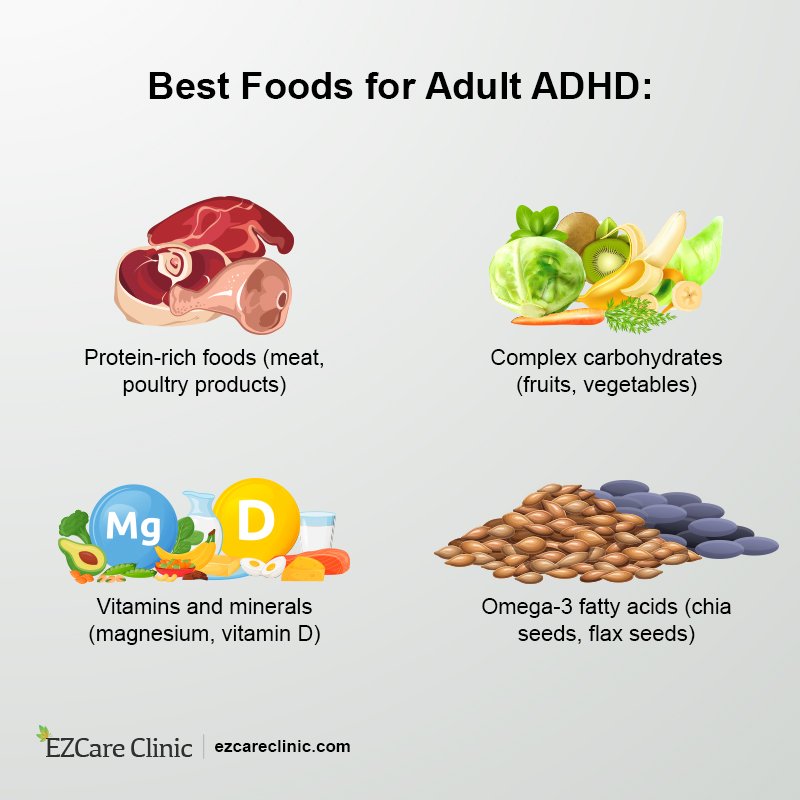
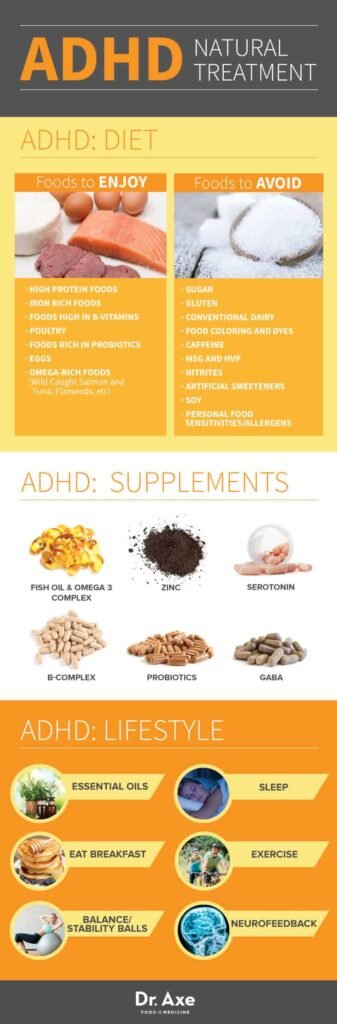
When it comes to managing ADHD symptoms naturally, making dietary changes can have a significant impact. One important step is to eliminate artificial additives and preservatives from your diet. These additives, commonly found in processed foods, can worsen ADHD symptoms and increase hyperactivity. By opting for whole, natural foods, you can reduce your exposure to these harmful substances and support a healthier brain function.
1.2 Increase consumption of omega-3 fatty acids
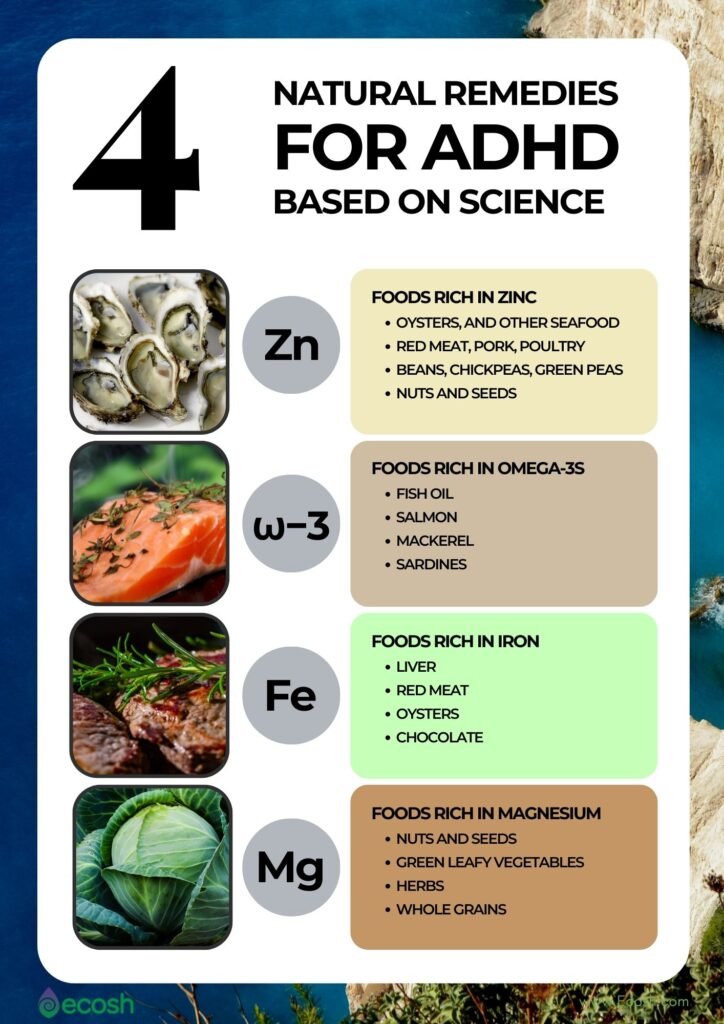
Omega-3 fatty acids are essential nutrients that play a crucial role in brain health. Research has shown that individuals with ADHD tend to have lower levels of omega-3 fatty acids in their bodies. Increasing your intake of omega-3 fatty acids, found in fatty fish like salmon and sardines, as well as in flaxseeds and walnuts, can help improve attention, focus, and overall cognitive function.
1.3 Avoid processed and sugary foods
Processed and sugary foods can lead to spikes in blood sugar levels, causing fluctuations in energy and mood that can exacerbate ADHD symptoms. To manage your symptoms effectively, it is essential to avoid these types of foods. Instead, opt for whole grains, fruits, vegetables, and lean proteins. By nourishing your body with nutrient-dense foods, you provide the necessary fuel for optimal brain function.
1.4 Include protein-rich foods in the diet
Protein is an essential nutrient for brain health and can help stabilize blood sugar levels. Including protein-rich foods, such as lean meats, poultry, eggs, beans, and nuts, in your diet can support better neurotransmitter balance and reduce impulsivity and hyperactivity. Additionally, protein-rich meals can help you feel more satiated and focused throughout the day.
2. Herbal Supplements
2.1 Ginkgo Biloba
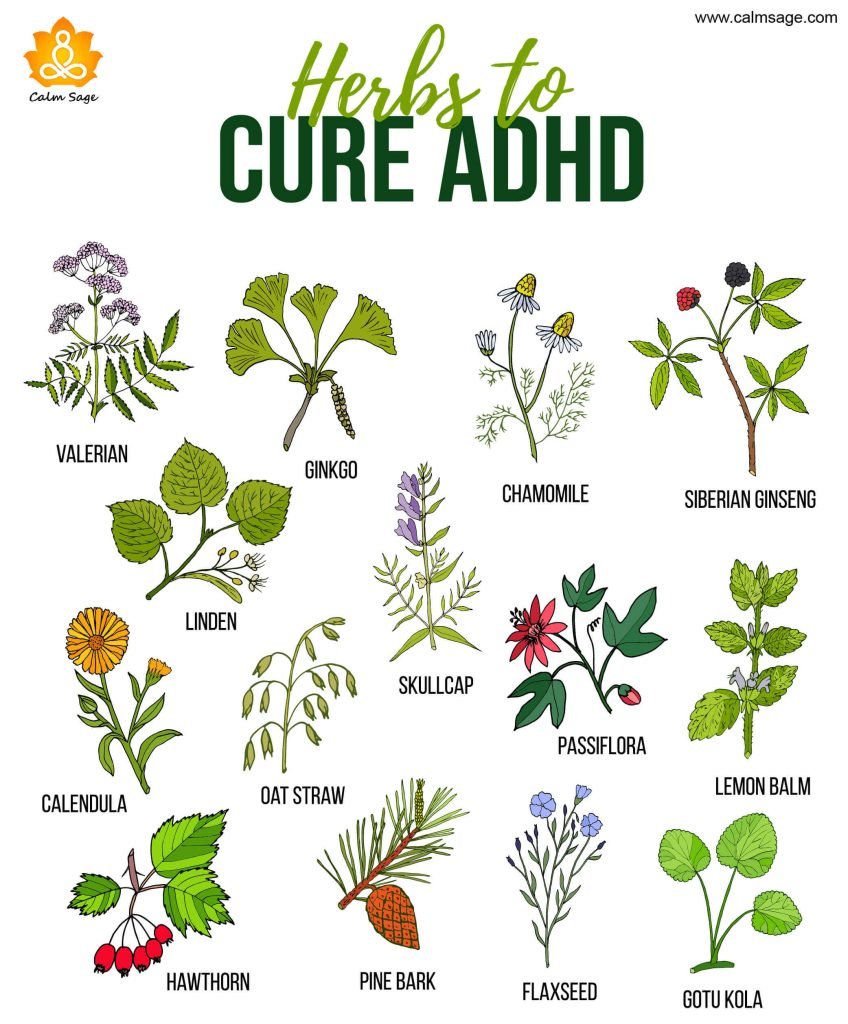
Ginkgo Biloba is an herbal supplement that has been used for centuries to improve cognitive function. This herbal remedy is thought to enhance blood flow to the brain, supporting better concentration and memory. While research on its effectiveness in treating ADHD specifically is limited, some individuals may find it helpful in managing their symptoms. As with any supplement, it is recommended to consult with a healthcare professional before starting Ginkgo Biloba.
2.2 St. John’s Wort
St. John’s Wort is a medicinal herb commonly used to alleviate symptoms of depression and anxiety. While not specifically targeted towards ADHD, some individuals with ADHD may find relief from associated emotional and cognitive symptoms by taking St. John’s Wort. However, St. John’s Wort can interact with certain medications, so it is crucial to consult a healthcare professional before using this herbal supplement.
2.3 Pycnogenol
Pycnogenol is a natural extract derived from French maritime pine bark. It is known for its antioxidant and anti-inflammatory properties. While its direct impact on ADHD symptoms is still being researched, preliminary studies suggest that Pycnogenol may improve attention and reduce hyperactivity. It is important to note that further research is needed to fully understand its effectiveness for ADHD management.
2.4 Brahmi
Brahmi, also known as Bacopa monnieri, is an herb traditionally used in Ayurvedic medicine to enhance cognitive function. It is believed to improve memory and attention by increasing the production of certain neurotransmitters. While research on its effectiveness for ADHD is limited, some studies suggest that Brahmi may have potential benefits in reducing symptoms of inattention and hyperactivity. As with any herbal supplement, consulting with a healthcare professional is advisable.
2.5 Ginseng
Ginseng is a popular herbal remedy known for its adaptogenic properties, meaning it helps the body adapt to stress and maintain balance. It has also been studied for its potential benefits in improving cognitive function and focus. While research on its specific effects on ADHD is limited, some individuals with ADHD may find ginseng helpful in managing their symptoms. It is important to consider individual differences, and consulting with a healthcare professional is recommended.
3. Regular Exercise
3.1 Importance of physical activity
Regular exercise is not only crucial for overall health but can also play a significant role in managing ADHD symptoms. Engaging in physical activity releases endorphins, known as “feel-good” hormones, which can improve mood, reduce impulsivity, and increase attention span. Exercise also promotes better sleep and helps manage stress, which are essential factors in managing ADHD effectively.
3.2 Recommended Exercises for ADHD
While any form of physical activity can be beneficial, certain types of exercises are particularly effective for individuals with ADHD. Aerobic exercises, such as jogging, cycling, dancing, or swimming, can promote increased blood flow to the brain and improve cognitive function. Additionally, activities that require focus and coordination, such as martial arts, yoga, or team sports, can help improve attention and impulse control.
3.3 Incorporating exercise into daily routine
Incorporating exercise into your daily routine is key to reaping the benefits it offers for managing ADHD symptoms. Finding activities that you enjoy and that fit your lifestyle can help ensure consistency. Whether it’s taking regular walks, joining a sports team, or participating in group exercise classes, finding ways to make physical activity a part of your routine will greatly contribute to symptom management.
3.4 Benefits of exercise on ADHD symptoms
Regular exercise offers numerous benefits for individuals with ADHD. In addition to improving attention and impulse control, exercise can enhance mood, reduce anxiety and depression, and improve overall self-esteem. It can also promote better sleep patterns, which are crucial for optimal brain function and symptom management. By making exercise a priority, you can empower yourself to better manage your symptoms and lead a healthier life.
4. Mindfulness and Meditation
4.1 Understanding mindfulness and meditation
Mindfulness and meditation practices have gained significant recognition for their ability to improve mental well-being and reduce stress levels. Mindfulness involves being fully present in the moment and observing thoughts and sensations without judgment. Meditation, on the other hand, is a practice that cultivates a state of calm and focus through techniques such as deep breathing, visualization, or repeating mantras.
4.2 Techniques for practicing mindfulness
There are various techniques you can use to incorporate mindfulness into your daily routine. One simple practice is mindful breathing, where you focus your attention on your breath and observe the sensation of each inhale and exhale. Another technique involves body scans, where you bring your awareness to each part of your body, noticing any tension or sensations. Guided meditation sessions or mindfulness apps can also provide valuable support in establishing a regular practice.
4.3 Benefits of mindfulness and meditation for ADHD
Practicing mindfulness and meditation can bring numerous benefits to individuals with ADHD. These practices can enhance self-awareness, allowing you to recognize and manage distracting thoughts or impulses more effectively. They can also promote emotional regulation, reduce stress, and improve overall mental well-being. Regular mindfulness and meditation practice can help improve attention and focus, providing valuable tools for managing ADHD symptoms.

5. Essential Oils
5.1 Lavender oil
Lavender oil is well-known for its calming properties and is often used to promote relaxation and reduce anxiety. While it may not directly target ADHD symptoms, inhaling lavender oil or using it in a diffuser can create a soothing environment that may help individuals with ADHD focus better and manage stress more effectively.
5.2 Vetiver oil
Vetiver oil is derived from the roots of the Vetiveria zizanioides plant and is known for its grounding and balancing effects. It is believed to promote concentration and improve mental clarity. Using vetiver oil in a diffuser or applying it topically (diluted with a carrier oil) may help individuals with ADHD maintain mental focus and decrease restlessness.
5.3 Cedarwood oil
Cedarwood oil has calming properties and is often used to promote relaxation and improve sleep quality. It may help individuals with ADHD by creating a serene environment, reducing hyperactivity, and promoting a sense of calmness. Using cedarwood oil in a diffuser or diluting it with a carrier oil for massage may be beneficial.
5.4 Frankincense oil
Frankincense oil is renowned for its soothing and uplifting effects. It may be particularly helpful for individuals with ADHD who struggle with anxiety or emotional dysregulation. Inhalation or topical use (diluted with a carrier oil) of frankincense oil can promote relaxation, improve mood, and support emotional balance.
5.5 Peppermint oil
Peppermint oil is known for its invigorating properties and can be helpful for individuals with ADHD who struggle with low energy or fatigue. Its refreshing scent can stimulate the senses and increase alertness. Using peppermint oil in a diffuser or inhaling it directly can provide a natural boost of energy and focus.
6. Behavior Therapy
6.1 Cognitive-behavioral therapy (CBT)
Cognitive-behavioral therapy (CBT) is a widely recognized and evidence-based approach for managing ADHD symptoms. It focuses on identifying and modifying negative thought patterns and behaviors that contribute to ADHD-related challenges. Through CBT, individuals can learn practical strategies to improve time management, organization, and problem-solving skills, as well as develop coping mechanisms to address emotional and behavioral difficulties.
6.2 Parent training and education
Parent training and education programs are particularly beneficial for parents of children with ADHD. These programs provide valuable support, guidance, and strategies to help parents effectively manage their child’s symptoms. By learning about ADHD, understanding behavior modification techniques, and implementing consistent routines and structures, parents can create a supportive environment that promotes better functioning and improved behavior.
6.3 Social skills training
ADHD can impact social interactions and create challenges in areas such as communication, impulse control, and maintaining relationships. Social skills training aims to teach individuals with ADHD the necessary social and emotional skills to navigate social situations successfully. This type of therapy focuses on improving communication, empathy, perspective-taking, and problem-solving abilities, promoting healthier and more fulfilling social interactions.
6.4 Behavioral interventions for school
Behavioral interventions in the school setting can provide crucial support for students with ADHD. These interventions typically involve collaborations between parents, teachers, and other school professionals to create individualized behavior plans that address academic and behavioral challenges. Strategies may include the use of visual schedules, implementing structured routines, providing frequent breaks, and using positive reinforcement techniques. By implementing consistent and supportive interventions, students can thrive academically and socially.
6.5 Individual counseling
Individual counseling can be beneficial for individuals with ADHD, helping them address personal challenges and build the necessary skills to manage their symptoms effectively. Counseling sessions can provide a safe space to explore emotions, develop coping mechanisms for stress and anxiety, and work through challenges related to ADHD. By engaging in individual counseling, individuals with ADHD can gain valuable insight and support in navigating their unique experiences.
7. Acupuncture
7.1 Understanding acupuncture
Acupuncture is a traditional Chinese medicine practice that involves the insertion of thin needles into specific points on the body. It is believed to stimulate the flow of energy and restore balance within the body. While the effectiveness of acupuncture for managing ADHD symptoms is still under investigation, some individuals may find it helpful in reducing hyperactivity and improving overall well-being.
7.2 How acupuncture may help with ADHD
Acupuncture may help individuals with ADHD by promoting relaxation, reducing stress, and improving attention and concentration. The stimulation of specific acupuncture points is thought to affect neurotransmitter levels in the brain, modulating dopamine and serotonin release, which are important for regulating mood and attention. However, more research is needed to fully understand the mechanisms and benefits of acupuncture for ADHD.
7.3 Choosing a Qualified Acupuncture Practitioner
When considering acupuncture for managing ADHD symptoms, it is crucial to choose a qualified and licensed acupuncture practitioner. Research their background, education, and experience in treating ADHD or related conditions. Seeking referrals from trusted healthcare professionals or individuals who have had positive experiences with acupuncture can help ensure you find a reputable practitioner who can tailor the treatment to your specific needs.
7.4 Potential risks and side effects of acupuncture
While acupuncture is generally considered safe when performed by a trained professional, it may involve certain risks and side effects. These can include minor bruising, soreness at the needle insertion sites, and occasional dizziness or lightheadedness. It is important to discuss any pre-existing medical conditions, allergies, or concerns with the acupuncturist before starting treatment.
8. Chiropractic Care
8.1 Chiropractic Adjustments for ADHD
Chiropractic care focuses on the relationship between the spine and overall health. Chiropractors believe that misalignments in the spine, known as subluxations, can disrupt the nervous system and contribute to various health conditions, including ADHD. Some chiropractors offer adjustments and manipulations aimed at aligning the spine and optimizing nervous system function to alleviate ADHD symptoms.
8.2 Improving spinal alignment
Chiropractic adjustments aim to improve spinal alignment, which may have a positive impact on neurological function. By aligning the spine and reducing tension or irritation in the nervous system, chiropractic care may potentially improve ADHD symptoms. While research in this area is limited, some individuals with ADHD have reported improvements in focus, attention, and overall well-being after receiving chiropractic care.
8.3 Potential benefits of chiropractic care
Chiropractic care may offer potential benefits for individuals with ADHD by reducing nervous system dysfunction and promoting overall health and well-being. This can include improvements in concentration, focus, sleep quality, and energy levels. It is important to note that individual experiences may vary, and consulting with a skilled chiropractor who specializes in treating ADHD is advisable.
8.4 Finding a reliable chiropractor
When seeking chiropractic care for ADHD management, it is crucial to find a reliable and experienced chiropractor who is knowledgeable about ADHD and its potential relationship to spinal alignment. Research their qualifications, experience, and areas of expertise. Seeking recommendations from trusted healthcare professionals or individuals who have had positive experiences with chiropractic care can help guide your search.
9. Mind-Body Practices
9.1 Yoga
Yoga is a mind-body practice that combines physical postures, breathing techniques, and meditation. It offers numerous benefits for individuals with ADHD by promoting relaxation, improving focus and self-control, and reducing anxiety. Regular practice of yoga can help individuals with ADHD develop body awareness, regulate their energy levels, and enhance overall well-being.
9.2 Tai Chi
Tai Chi is a traditional Chinese martial art that emphasizes slow, flowing movements and deep breathing. It promotes relaxation, balance, and mind-body connection. Practicing Tai Chi can help individuals with ADHD improve concentration, reduce impulsivity, and enhance self-control. Its gentle nature and focus on mindfulness make it particularly suitable for individuals of all ages and fitness levels.
9.3 Qigong
Qigong is another traditional Chinese practice that combines controlled movements, breath regulation, and meditation. It aims to cultivate and balance the body’s vital energy, known as Qi. Qigong can help individuals with ADHD reduce stress, improve focus, and increase overall well-being. Incorporating Qigong exercises into daily routines can also provide a sense of structure and relaxation.
9.4 Biofeedback
Biofeedback is a technique that allows individuals to gain awareness and control over certain bodily functions by monitoring physiological processes. It involves using specialized equipment to provide real-time feedback on heart rate, muscle tension, or brainwave activity. Biofeedback training can help individuals with ADHD learn to regulate their own physiological responses and improve self-control and attention.
9.5 Relaxation techniques
In addition to specific mind-body practices, incorporating relaxation techniques into daily routines can be beneficial for managing ADHD symptoms. Deep breathing exercises, progressive muscle relaxation, and guided visualization can all promote relaxation, reduce stress, and improve mental focus. Practicing these techniques regularly can provide a sense of calmness and help individuals with ADHD better manage their symptoms.
10. Sleep Hygiene
10.1 Importance of quality sleep
Quality sleep is essential for overall health and well-being, and it plays a crucial role in managing ADHD symptoms. Individuals with ADHD often struggle with sleep-related difficulties, such as insomnia, difficulties falling asleep, or restless sleep. Addressing sleep hygiene practices can significantly improve sleep quality, leading to better cognitive function, increased attention, and improved emotional regulation.
10.2 Establishing a bedtime routine
Establishing a consistent bedtime routine is key to promoting good sleep habits. Design a routine that allows for wind-down time before bed, avoiding stimulating activities or electronic screens close to bedtime. Engaging in relaxing activities, such as reading a book, taking a warm bath, or practicing relaxation techniques, can signal to your body that it is time to prepare for sleep.
10.3 Creating a conducive sleep environment
Creating a conducive sleep environment can greatly contribute to better sleep quality. Make sure your bedroom is dark, quiet, and at a comfortable temperature. Invest in a comfortable mattress and pillow that provide proper support. Remove electronic devices or use blue light filters to minimize exposure to stimulating screens that can interfere with sleep.
10.4 Limiting screen time before bed
Excessive screen time before bed, especially with electronic devices emitting blue light, can disrupt sleep patterns and interfere with falling asleep. Limiting screen time at least an hour before bed can help promote a restful night’s sleep. Instead, engage in calming activities, such as reading a book, listening to soothing music, or practicing relaxation techniques, to encourage a peaceful transition to sleep.
In conclusion, managing ADHD symptoms naturally requires a holistic approach that encompasses various strategies. By implementing dietary changes, incorporating herbal supplements, engaging in regular exercise, practicing mindfulness and meditation, utilizing essential oils, seeking behavior therapy, considering acupuncture and chiropractic care, exploring mind-body practices, and prioritizing good sleep hygiene, individuals with ADHD can optimize their overall well-being and effectively manage their symptoms. However, it is important to recognize that each individual’s experience and response to these natural remedies may vary, and it is advisable to consult with healthcare professionals to develop a personalized plan that suits your specific needs.
Related Terms About Natural Remedy For ADHD
Natural Cures For Adhd In Toddlers, Natural Help. for Adhd, Natural Herbal Medicine For Adhd, Natural Herbs For Adhd Adults, Natural Herbs For Adhd In Adults, Natural Herbs For Adhd Reddit, Natural Herbs For Adhd Treatment, Natural Medication For Adhd Australia, Natural Medication For Adhd Reddit, Natural Medication For Adults With Adhd, Natural Relief For Adult Adhd, Natural Remedies For Adhd In 5 Year Old, Natural Remedy For Adhd Herbs, Natural Remedy For Adhd Reddit, Natural Remedy For Adhd Uk, Natural Sleep Remedies For Adhd, Natural Supplements For Adhd Focus