
Do you often find yourself suffering from intense migraines or persistent headaches? If so, you’re in luck! In this article, we’ll share an incredible natural remedy that can help alleviate the discomfort and provide you with much-needed relief. Say goodbye to relying on over-the-counter painkillers and hello to a natural, holistic solution that targets the root cause of your headaches. Get ready to discover the secret to managing migraines and headaches naturally, so you can enjoy a life free from constant pain and discomfort.
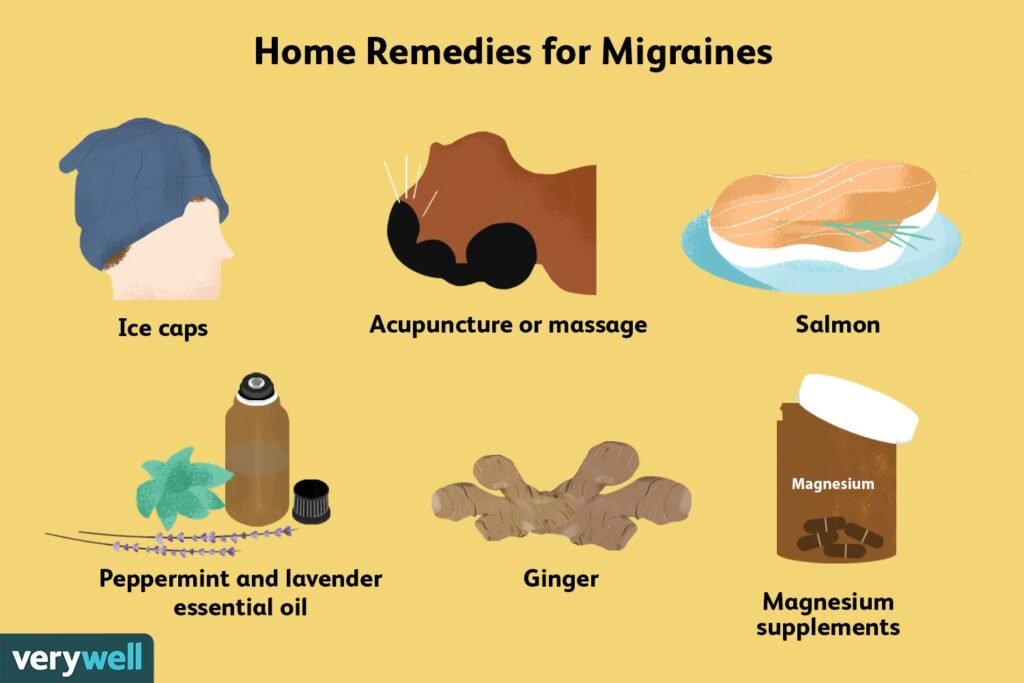
What are Migraines and Headaches?
Migraines and headaches are both common afflictions that many people experience at some point in their lives. While they both involve pain and discomfort in the head, there are key differences between the two.
Differentiating between migraines and headaches
Headaches are generally characterized by a dull, aching pain that can vary in intensity. They are often caused by tension, dehydration, lack of sleep, or as a side effect of certain medications.
On the other hand, migraines are a more severe and debilitating form of headache. Migraines are typically accompanied by other symptoms such as nausea, vomiting, sensitivity to light and sound, and visual disturbances. They can last for hours or even days and may interfere with daily activities.
Causes of migraines and headaches
The causes of migraines and headaches can vary for each individual. Common triggers for headaches include stress, lack of sleep, poor posture, eyestrain, and certain foods or drinks. Migraines, on the other hand, can be triggered by hormonal changes, certain foods or additives, alcohol, caffeine, bright lights, strong smells, and environmental factors.
Understanding the underlying causes of migraines and headaches is important in order to effectively treat and prevent them.
Symptoms of migraines and headaches
Headaches can manifest with various symptoms depending on the type and cause. Symptoms of tension headaches may include a constant ache, pressure, or tightness around the forehead or back of the head. Sinus headaches are often accompanied by pain or pressure around the eyes, cheeks, or forehead. Cluster headaches typically cause severe, burning pain on one side of the head, often behind the eye.
Migraines, on the other hand, can have a more complex range of symptoms. Apart from the severe headaches, individuals may experience aura, which can manifest as visual disturbances, such as flashes of light or blind spots. Other symptoms may include nausea, vomiting, dizziness, sensitivity to light and sound, and even cognitive difficulties.
Understanding Natural Remedies
Natural remedies for migraines and headaches are gaining popularity as a holistic and non-invasive approach to managing these conditions.
Advantages of natural remedies
There are several advantages to using natural remedies to alleviate migraines and headaches. One of the main benefits is that natural remedies often have fewer side effects compared to conventional medications. Many pharmaceutical treatments can cause drowsiness, dizziness, and other unwanted effects.
Additionally, natural remedies can provide long-term relief by addressing the underlying causes and triggers of migraines and headaches. They often focus on promoting overall health and balancing the body, which can lead to a reduction in the frequency and severity of episodes.
Factors to consider before trying natural remedies
Before embarking on any natural remedy, it is essential to consider individual factors and consult with a healthcare professional. Some natural remedies may interact with existing medications or pose risks for individuals with certain medical conditions. It is also important to keep in mind that natural remedies may take longer to take effect compared to conventional medications.
It is advisable to discuss any natural remedies or changes in treatment plans with a healthcare provider to ensure they are safe and suitable for your specific situation.
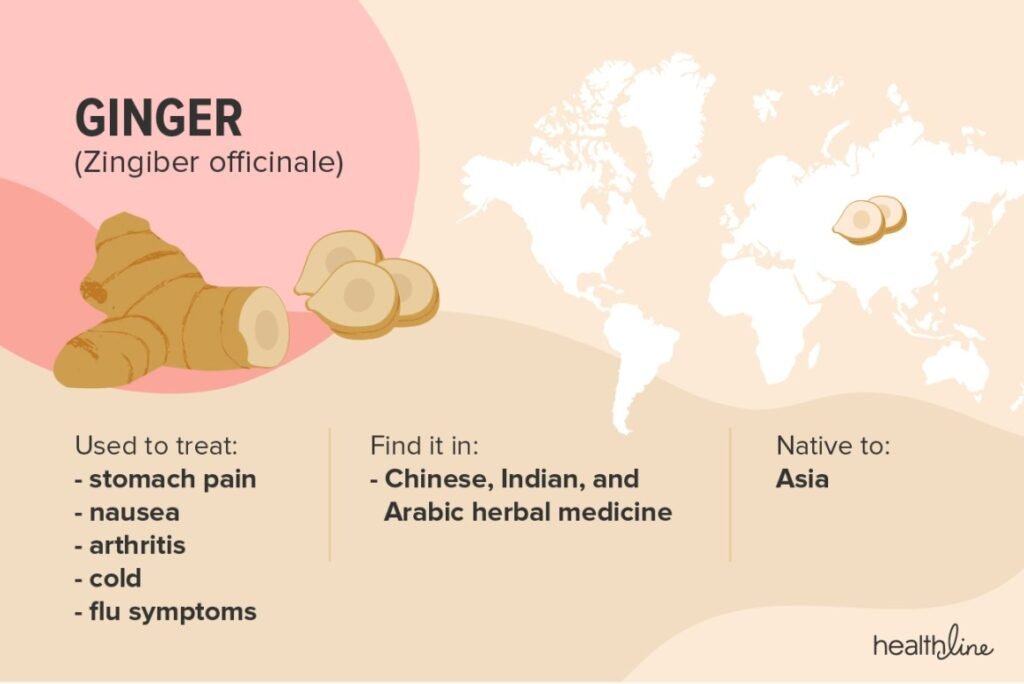
Lifestyle Changes
Making certain lifestyle changes can be an effective way to manage migraines and headaches and prevent their occurrence. Here are some key lifestyle modifications to consider:
Maintaining a consistent sleep schedule
Getting an adequate amount of sleep and maintaining a regular sleep schedule can help regulate your body’s internal clock and reduce the likelihood of experiencing migraines and headaches. Aim for a consistent sleep routine by going to bed and waking up at the same time each day.
Managing stress levels
Stress is a common trigger for migraines and headaches. Finding healthy ways to manage stress, such as practicing relaxation techniques, engaging in hobbies, or seeking support from friends and family, can help reduce the likelihood of experiencing these conditions.
Keeping a headache diary
Keeping a record of your headache or migraine episodes in a diary can help identify patterns and potential triggers. Note down the date, time, duration, intensity, and any associated symptoms. You can also track your food intake, sleep patterns, and stress levels to identify potential triggers.
Regular exercise and physical activity
Engaging in regular exercise and physical activity can help reduce the frequency and severity of migraines and headaches. Exercise releases endorphins, which are natural painkillers and mood boosters, and can also help reduce stress levels. Aim for at least 30 minutes of moderate exercise most days of the week.
Dietary Modifications
Diet plays a crucial role in managing migraine and headache symptoms. Certain foods and drinks can act as triggers, while others can provide relief and prevent episodes. Here are some dietary modifications to consider:
Identifying trigger foods
Keeping a food diary can help identify specific foods or drinks that may trigger migraines or headaches. Common triggers include chocolate, caffeine, alcohol, aged cheeses, processed meats, and foods high in additives and preservatives. Pay attention to how your body reacts to different foods to determine which ones may be contributing to your symptoms.
Maintaining a balanced diet
Eating a well-balanced diet that includes plenty of fruits, vegetables, whole grains, and lean proteins can help support overall health and reduce the risk of migraines and headaches. A nutrient-rich diet can provide essential vitamins and minerals that support brain function and reduce inflammation.
Increasing water intake
Dehydration is a common trigger for migraines and headaches. Make sure to drink enough water throughout the day to stay properly hydrated. Aim for at least eight glasses of water per day, and more if you engage in physical activity or live in a hot climate.
Adding magnesium-rich foods
Magnesium has been shown to be effective in preventing migraines and headaches. Incorporating magnesium-rich foods into your diet can help ensure an adequate intake. Good sources of magnesium include leafy green vegetables, nuts, seeds, legumes, and whole grains.
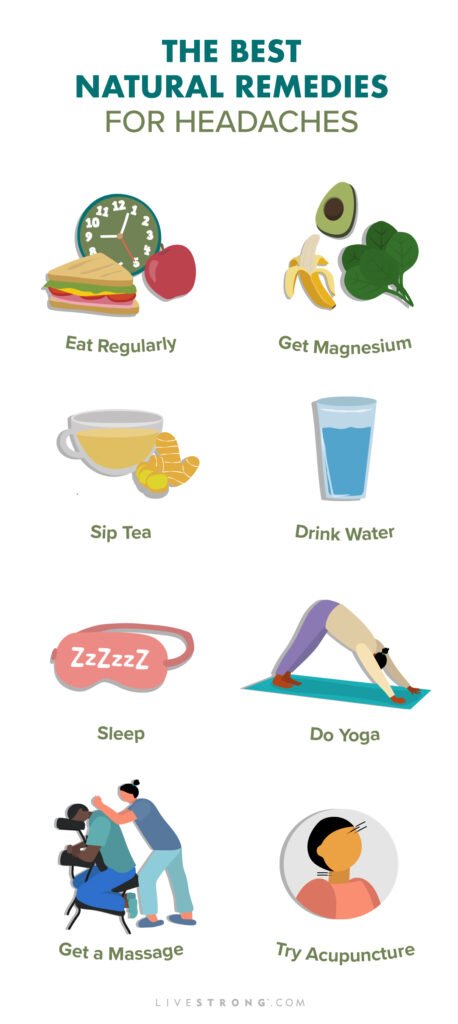
Herbal Remedies
Herbal remedies have been used for centuries to relieve migraines and headaches. Here are some commonly used herbs:
Feverfew
Feverfew is a traditional herb that has been used for migraines for centuries. It is believed to work by reducing inflammation and preventing the constriction of blood vessels in the brain. Feverfew is available in various forms, including capsules, teas, and extracts.
Butterbur
Butterbur is another herb commonly used to treat migraines. It has been found to reduce the frequency and intensity of migraines. However, it is important to choose a butterbur supplement that is labeled as “PA-free,” as it can contain harmful compounds otherwise.
Ginger
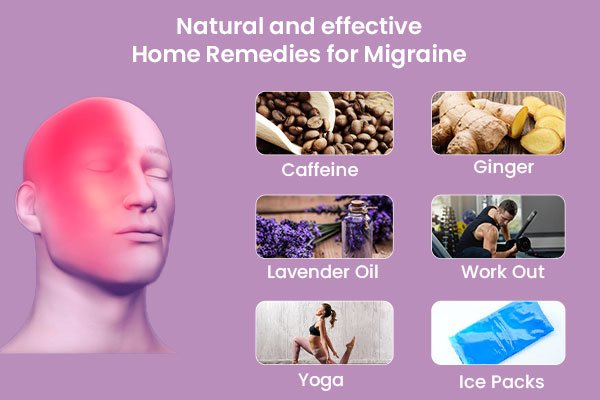
Ginger is known for its anti-inflammatory properties and may help alleviate migraines and headaches. It can be consumed fresh, in tea, or taken as a supplement. Ginger is generally safe, but it may interact with certain medications, so consult with a healthcare professional before using it as a remedy.
Peppermint
Peppermint has a soothing effect and may help relieve tension headaches. Applying peppermint oil topically to the temples or using it in aromatherapy can provide relief. Peppermint tea can also be consumed to help relax and reduce pain.
Essential Oils
Essential oils can be used as a natural remedy for migraines and headaches. Here are some commonly used oils:
Lavender oil
Lavender oil has calming and analgesic properties that can help alleviate migraines and headaches. Applying a few drops to the temples or inhaling the aroma can provide relief.
Peppermint oil
Peppermint oil is known for its cooling and analgesic effects. Applying a diluted solution to the temples or forehead can help relieve pain and tension.
Eucalyptus oil
Eucalyptus oil has a refreshing scent and can help alleviate sinus headaches. Inhaling the aroma or using it in steam therapy can help clear nasal passages and relieve congestion.
Rosemary oil
Rosemary oil has analgesic properties and can help reduce the severity of migraines and headaches. Apply a few drops to the temples or use it in aromatherapy to experience its benefits.
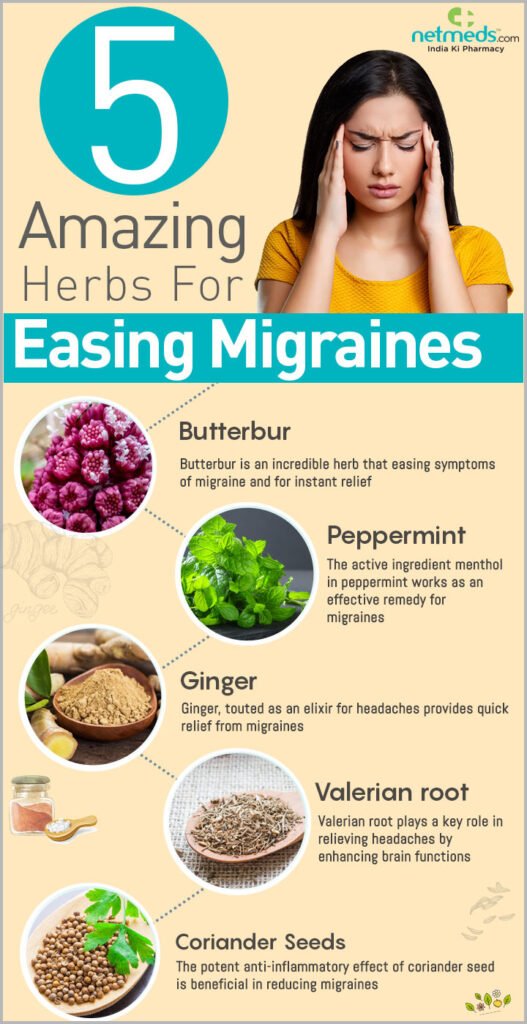
Acupuncture
Acupuncture is a traditional Chinese medicine practice that involves the insertion of thin needles into specific points on the body. It is believed to promote the flow of energy and restore balance, which can help alleviate migraines and headaches.
Overview of acupuncture
Acupuncture is based on the concept of Qi, which is the vital energy that flows through the body along pathways called meridians. By stimulating specific points on these meridians, acupuncture aims to restore the balance of Qi and promote healing.
Effectiveness in treating migraines and headaches
Numerous studies have shown the effectiveness of acupuncture in reducing the frequency and intensity of migraines and headaches. It is believed to work by stimulating the release of endorphins, promoting blood flow, and reducing inflammation.
Finding a qualified practitioner
When considering acupuncture as a treatment option, it is important to find a qualified and experienced practitioner. Look for licensed acupuncturists who have undergone proper training and certification. Consult with your healthcare provider for recommendations or seek referrals from trusted sources.
Acupressure
Acupressure is a technique that involves applying pressure to specific points on the body to provide relief from migraines and headaches.
Understanding acupressure
Similar to acupuncture, acupressure is based on the principles of Chinese medicine and aims to stimulate the body’s energy pathways to promote healing and alleviate pain. The main difference is that acupressure uses finger pressure instead of needles.
Pressure points for migraines and headaches
There are several pressure points on the body that are believed to have a therapeutic effect on migraines and headaches. These points include the temples, base of the skull, between the eyebrows, and the web between the thumb and index finger. Applying firm pressure to these points in a circular motion for a few minutes can help relieve pain and tension.
Techniques for self-administered acupressure
Acupressure can be self-administered, making it a convenient and accessible remedy. By learning the specific pressure points and techniques, individuals can effectively manage migraines and headaches at home. Online resources, books, or classes can provide guidance on acupressure techniques for migraines and headaches.
Homeopathic Remedies
Homeopathy is a holistic system of medicine that uses highly diluted substances to stimulate the body’s natural healing ability. Here are some common homeopathic remedies for migraines and headaches:
Bryonia
Bryonia is often used for headaches that are worsened with movement or exertion. It is especially useful for migraines associated with nausea, vertigo, and extreme sensitivity to light and noise.
Belladonna
Belladonna is commonly used for migraines that occur suddenly and are accompanied by intense throbbing pain, redness of the face, and sensitivity to light and noise. It is most effective when taken at the onset of symptoms.
Gelsemium
Gelsemium is often prescribed for migraines that manifest with heavy, dull, or congestive pain, usually on one side of the head. It is also indicated for headaches that are triggered by emotional stress or anticipation.
Nux vomica
Nux vomica is a versatile remedy that can be used for migraines triggered by excessive mental or physical exertion, overindulgence in food or alcohol, or exposure to environmental toxins. It is most useful for migraines accompanied by irritability, nausea, and sensitivity to light and noise.
Relaxation Techniques
Relaxation techniques can be effective in reducing the frequency and severity of migraines and headaches. Here are some techniques to try:
Deep breathing exercises
Deep breathing exercises help activate the body’s relaxation response, reducing stress and tension that can contribute to migraines and headaches. Take slow, deep breaths, inhaling through your nose and exhaling through your mouth. Focus on filling your diaphragm and abdomen with each breath.
Progressive muscle relaxation
Progressive muscle relaxation involves systematically tensing and then relaxing different muscle groups in the body. By doing so, you can release built-up tension and promote a state of relaxation. Start with your toes and work your way up to your head, tensing each muscle group for a few seconds before releasing.
Meditation
Meditation can help calm the mind, reduce stress, and promote a sense of overall well-being. Find a quiet and comfortable space, close your eyes, and focus on your breath or a specific point of focus. Allow thoughts to come and go without judgment, and aim to cultivate a state of deep relaxation.
Biofeedback
Biofeedback is a technique that involves monitoring and controlling physical responses to stress and tension. Through the use of sensors and electronic devices, individuals can learn to recognize and modify physical responses, such as muscle tension and heart rate. Biofeedback can help individuals gain greater control over their body’s reactions to stress and reduce migraines and headaches.
Incorporating natural remedies, lifestyle changes, dietary modifications, and relaxation techniques can provide a comprehensive approach to managing migraines and headaches. Remember to consult with a healthcare professional before trying any new treatment or remedy to ensure it is safe and appropriate for your specific situation.
Related Terms About Natural Remedy For Migraines-Headaches.
Effective Home Remedies For Migraine Headaches, Herbal Remedies For Headaches And Migraines, Home Remedies For Migraine Headaches In Females, Home Remedy For Migraines Headaches, Natural Remedies For Migraines And Tension Headaches, Natural Remedy For Headache And Body Pain, Natural Remedy For Headache And Dizziness, Natural Remedy For Headache And Fever, Natural Remedy For Headache And Nausea, Natural Remedy For Headache And Neck Pain, Natural Remedy For Headache In Back Of Head, Natural Remedy For Headache In Pregnancy, Natural Remedy For Headache While Pregnant, What Helps With Headaches And Migraines