
Do you suffer from hyperkalemia? If so, you’re in luck! This article will enlighten you on a remarkable natural remedy for hyperkalemia, a condition caused by high levels of potassium in the blood. Say goodbye to worrying about your potassium levels, and say hello to an all-natural solution that will restore balance to your body. Discover the power of this incredible remedy and take control of your health today.
Understanding Hyperkalemia
Introduction to hyperkalemia
Hyperkalemia is a medical condition characterized by higher-than-normal levels of potassium in the blood. Potassium is an essential mineral that plays a vital role in various bodily functions, including nerve and muscle cell function, maintaining heart rhythm, and balancing fluid levels. While a certain level of potassium is necessary for overall health, too much potassium can disrupt these processes and lead to complications.
Causes of hyperkalemia
There are several factors that can contribute to the development of hyperkalemia. Some common causes include:
- Kidney problems: The kidneys are responsible for excreting excess potassium from the body. Any impairment in kidney function, such as chronic kidney disease or acute kidney injury, can disrupt this process and result in hyperkalemia.
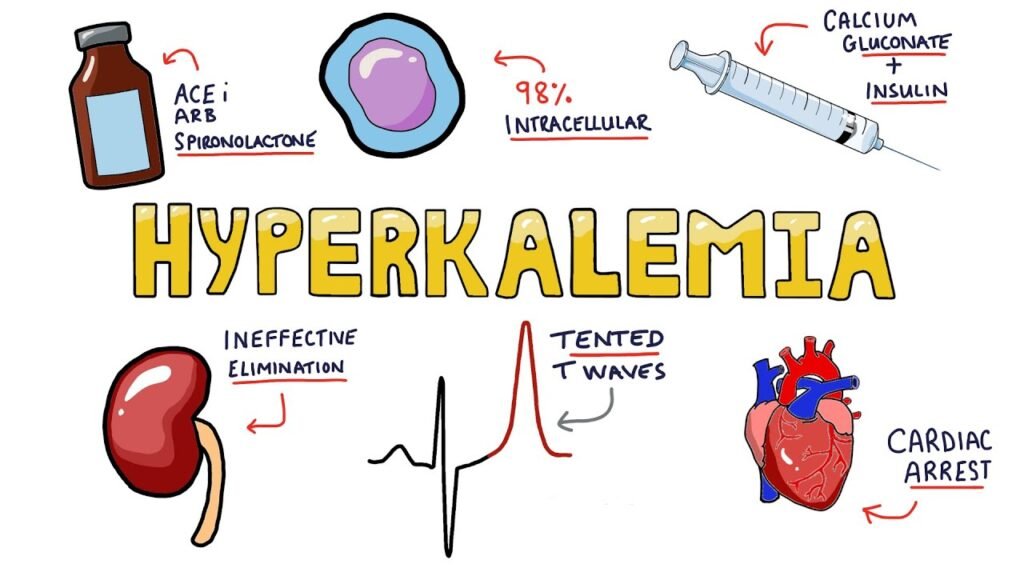
- Medications: Certain medications, such as angiotensin-converting enzyme (ACE) inhibitors, angiotensin II receptor blockers (ARBs), and potassium-sparing diuretics, can increase potassium levels in the blood.
- Adrenal insufficiency: Conditions that affect the adrenal glands, such as Addison’s disease, can lead to low levels of hormones that regulate potassium balance.
- Acidosis: When the body becomes too acidic, it can cause potassium to move from inside the cells into the bloodstream, leading to elevated potassium levels.
- Dehydration: Inadequate fluid intake or excessive fluid loss can concentrate potassium in the blood, resulting in hyperkalemia.
Symptoms of hyperkalemia
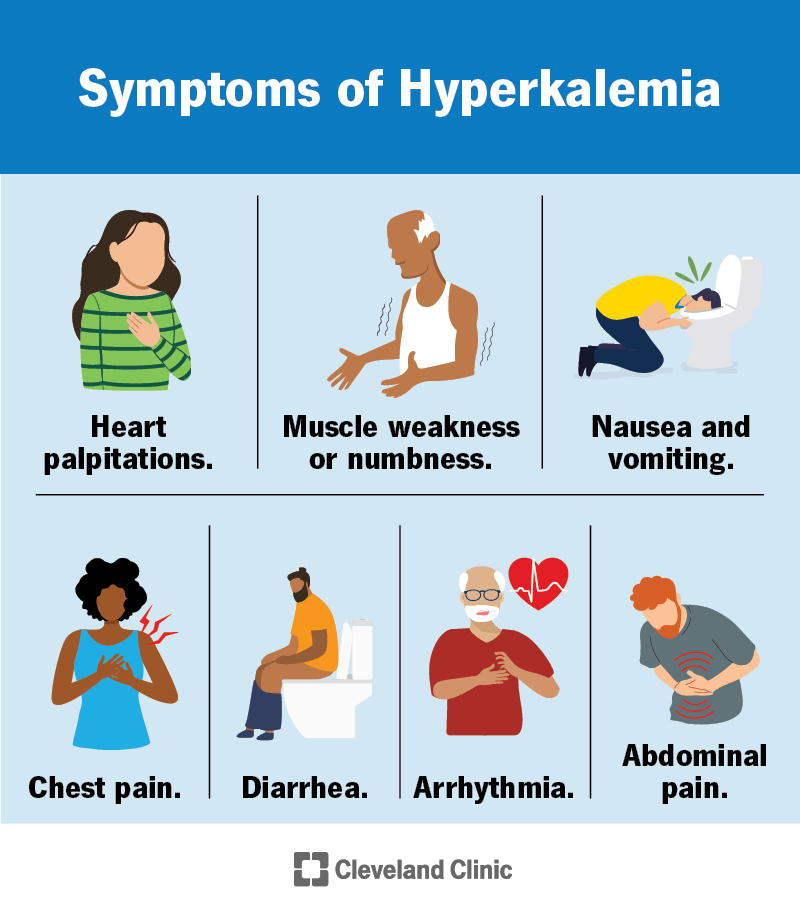
In the early stages, hyperkalemia may not present with any noticeable symptoms. However, as potassium levels continue to rise, various signs and symptoms may manifest, including:
- Muscle weakness or paralysis
- Fatigue or lethargy
- Irregular heartbeat (arrhythmia)
- Nausea and vomiting
- Breathing difficulties
- Numbness or tingling sensations
- Chest pain or palpitations
It is important to note that the severity of symptoms largely depends on the level of potassium elevation and individual factors. If you experience any concerning symptoms, it is essential to seek medical attention promptly.
Complications of hyperkalemia
If left untreated, hyperkalemia can lead to serious complications that can affect various organs and bodily functions. Some of the potential complications include:
- Cardiac arrhythmias: Elevated potassium levels can disrupt the electrical activity of the heart, leading to abnormal heart rhythms and potentially life-threatening conditions such as ventricular fibrillation.
- Muscle and nerve dysfunction: Excessive potassium can interfere with the normal functioning of muscles and nerves, leading to weakness, cramps, and even paralysis.
- Kidney damage: Prolonged hyperkalemia can put excess strain on the kidneys, leading to impaired kidney function and potentially kidney failure.
Diagnosing Hyperkalemia
Medical history and physical examination
To diagnose hyperkalemia, your healthcare provider will start by obtaining a comprehensive medical history and conducting a physical examination. They will inquire about any underlying medical conditions, medications you are currently taking, and any symptoms you may be experiencing.
During the physical examination, your doctor may check for signs of muscle weakness, abnormal heart sounds, and other physical findings that could be indicative of hyperkalemia.
Blood tests for potassium levels
One of the primary tests used to diagnose hyperkalemia is measuring the levels of potassium in the blood. A blood sample will be taken, and the potassium concentration will be assessed. Generally, a potassium level above 5.0 millimoles per liter (mmol/L) is considered elevated, but optimal levels may vary depending on individual factors.
It is important to note that blood potassium levels can fluctuate throughout the day, so multiple tests may be necessary to confirm a diagnosis.
Electrocardiogram (ECG) to assess heart function
Since hyperkalemia can significantly impact heart function, an electrocardiogram (ECG) is often performed to evaluate the electrical activity of the heart. This non-invasive test records the heart’s electrical impulses and can identify any abnormalities or irregularities.
Certain patterns on the ECG, such as peaked T waves or widened QRS complexes, may indicate hyperkalemia and its effect on the heart.
Other diagnostic tests
In some cases, additional tests may be required to determine the underlying cause of hyperkalemia. These tests can include:
- Kidney function tests: Evaluating the kidneys’ ability to excrete potassium and assessing overall kidney health.
- Adrenal function tests: Assessing hormone levels related to adrenal function to rule out adrenal insufficiency as a potential cause.
- Urine tests: Analyzing urine samples to evaluate the excretion of potassium and identify any abnormalities.
Once a diagnosis of hyperkalemia is confirmed, appropriate treatment options can be pursued.
Conventional Treatment Options for Hyperkalemia
Medications to lower potassium levels
In cases of mild to moderate hyperkalemia, certain medications may be prescribed to help lower potassium levels in the blood. Commonly used medications include:
- Loop diuretics: These medications help increase the excretion of potassium in the urine, effectively reducing blood potassium levels. Examples include furosemide and bumetanide.
- Sodium polystyrene sulfonate: This medication helps remove potassium from the intestines, preventing its absorption into the bloodstream.
- Beta-2 agonists: Medications such as albuterol can be used to stimulate the movement of potassium from the bloodstream into the cells.
It is important to note that medication choices and dosages may vary depending on individual factors and the severity of hyperkalemia. Your healthcare provider will determine the most appropriate treatment plan for you.
Intravenous administration of calcium gluconate
In severe cases of hyperkalemia where there is an imminent risk of life-threatening arrhythmias, intravenous administration of calcium gluconate may be necessary. Calcium helps counteract the effects of elevated potassium levels on heart rhythm and can provide temporary stabilization while other treatments are implemented.
Use of diuretics
In addition to loop diuretics, other diuretic medications like thiazides may also be used to increase urine output and promote potassium excretion. These medications can be particularly useful in cases of hyperkalemia associated with fluid overload.
Hemodialysis for severe cases
Hemodialysis is a treatment option typically reserved for severe cases of hyperkalemia or when other measures have proven ineffective. This procedure involves using a machine to filter the blood and remove excess potassium, effectively bringing potassium levels back to normal.
Natural Remedies for Hyperkalemia
Dietary modifications
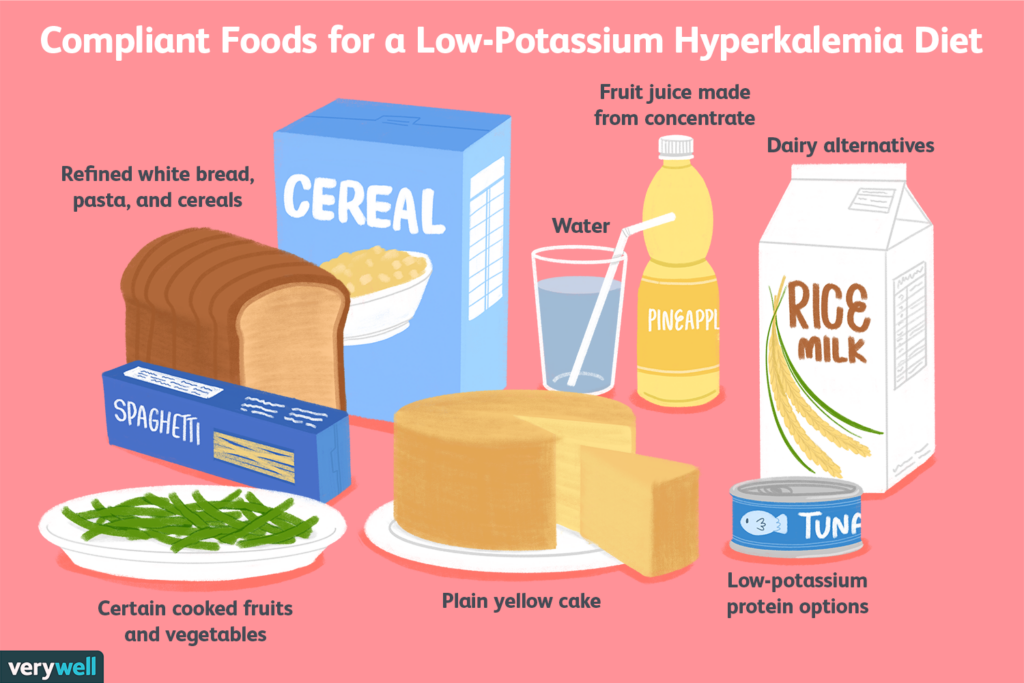
One of the key aspects of managing hyperkalemia naturally is making dietary modifications. Avoiding or reducing potassium-rich foods can help regulate potassium levels in the blood. Some foods that are high in potassium and should be limited include bananas, oranges, tomatoes, potatoes, avocados, and spinach.
Addition of dietary fiber
Adequate fiber intake can help promote the excretion of potassium through the digestive system. Both soluble and insoluble fiber are beneficial, and some great sources include whole grains, legumes, fruits, and vegetables. Aim to incorporate these fiber-rich foods into your diet to aid in managing hyperkalemia.
Increased water intake
Maintaining proper hydration is crucial in managing hyperkalemia naturally. Increasing your daily water intake can help dilute potassium in the blood and promote its excretion through urine. Aim to drink at least eight glasses of water per day to stay adequately hydrated.
Avoidance of high-potassium foods
In addition to reducing potassium-rich foods, it is important to be mindful of hidden sources of potassium. Many processed foods, including canned soups, sauces, and processed meats, contain additives that can be high in potassium. Read food labels carefully and prioritize fresh, unprocessed foods to avoid excessive potassium intake.
Beneficial herbs for hyperkalemia
Certain herbs possess diuretic properties or have potassium-lowering effects, making them beneficial in managing hyperkalemia naturally. Some examples include dandelion root, parsley, ginger, and hawthorn. These herbs can be consumed as herbal teas or incorporated into recipes to enhance their flavors and potential benefits.
Supplements for managing potassium levels
Certain supplements may also be considered in managing hyperkalemia naturally. These include calcium, magnesium, and vitamin B6. However, it is important to consult with a healthcare professional before starting any supplements to determine appropriate dosages and ensure they do not interact with any medications you may be taking.
Dietary Modifications for Hyperkalemia
Reducing potassium-rich foods
To effectively manage hyperkalemia through dietary modifications, it is important to reduce your intake of foods that are high in potassium. Some common examples of potassium-rich foods include bananas, oranges, tomatoes, potatoes, avocados, and spinach. Limiting these foods can help regulate potassium levels in the blood.
Balancing sodium and potassium intake
Maintaining a balance between sodium and potassium intake is crucial in managing hyperkalemia. Sodium can help counteract the effects of potassium on the heart and promote its excretion. However, excessive sodium intake can have negative health effects. It is important to consult with a healthcare professional to determine the appropriate sodium-to-potassium ratio for your specific condition.

Increasing calcium intake
Calcium plays a role in countering the effects of elevated potassium levels on heart rhythm. Including calcium-rich foods in your diet, such as dairy products, leafy greens, and fortified plant-based milk alternatives, can help mitigate the adverse effects of hyperkalemia.
Including foods rich in magnesium and phosphorus
Magnesium and phosphorus are minerals that can aid in the management of hyperkalemia. Foods such as nuts, seeds, legumes, whole grains, and dark green vegetables are good sources of these minerals and can be incorporated into your diet to help regulate potassium levels naturally.
Adding Dietary Fiber
Fiber’s role in potassium excretion
Dietary fiber plays a crucial role in promoting the excretion of potassium through the digestive system. Soluble and insoluble fibers help maintain regular bowel movements, preventing potassium from being reabsorbed into the bloodstream. This can aid in managing hyperkalemia by reducing overall potassium levels.
Sources of soluble and insoluble fiber
To increase your fiber intake, it is important to include both soluble and insoluble fiber in your diet. Soluble fiber can be found in foods such as oats, barley, legumes, and fruits like apples and oranges. Insoluble fiber is prevalent in whole grains, vegetables, and nuts and seeds.
Recommended daily fiber intake
The American Heart Association recommends a daily intake of 25 grams of fiber for women and 38 grams for men. However, individual fiber requirements may vary depending on age, sex, and overall health. It is best to consult with a healthcare professional or a registered dietitian to determine the appropriate fiber intake for managing hyperkalemia.
Fiber-rich foods to include in the diet
Incorporating fiber-rich foods into your daily meals can help regulate potassium levels naturally. Some examples of high-fiber foods include whole grains like oats and quinoa, fruits such as berries and pears, vegetables like broccoli and Brussels sprouts, and legumes like lentils and chickpeas.
Increasing Water Intake

Importance of hydration in managing hyperkalemia
Adequate hydration is essential in managing hyperkalemia naturally. Water helps dilute potassium in the blood, making it easier for the body to excrete excess potassium through urine. Staying properly hydrated can also help prevent complications associated with hyperkalemia.
Recommended daily water intake
The Institute of Medicine recommends a daily water intake of approximately 3.7 liters (or about 13 cups) for men and 2.7 liters (or about 9 cups) for women. However, individual water requirements may vary based on factors such as activity level, climate, and overall health status.
Tips to increase water consumption
To ensure you are consuming enough water, consider incorporating these tips into your daily routine:
- Carry a water bottle with you throughout the day to have easy access to water.
- Set reminders on your phone or use water-tracking apps to help you stay on track with your water intake.
- Flavor your water with fruits or herbs to make it more appealing and enjoyable.
- Opt for water instead of sugary or caffeinated beverages, as they can contribute to dehydration.
- Drink water before meals to help control portion sizes and promote hydration.
Avoiding High Potassium Foods
Identifying and managing high-potassium foods
To effectively manage hyperkalemia, it is important to identify and manage high-potassium foods. Some common examples of high-potassium foods include bananas, oranges, tomatoes, potatoes, avocados, and spinach. While these foods can be nutritious, limiting their consumption can aid in reducing potassium levels.
Food labeling and potassium content
Food labels can be a helpful tool in identifying foods that are high in potassium. Look for the potassium content listed in the nutrient facts panel of packaged foods. It is important to note that food labels display potassium content per serving size, so be mindful of portion sizes when tracking your potassium intake.
Alternative food choices
Limiting high-potassium foods does not mean compromising on taste or nutrition. There are plenty of alternative food choices that are lower in potassium but still offer valuable nutrients. For example, you can replace bananas with berries or apples, swap potatoes for cauliflower or zucchini, and opt for leafy greens like lettuce or kale instead of spinach.
Beneficial Herbs for Hyperkalemia
Herbs with diuretic properties
Certain herbs possess diuretic properties, meaning they can increase urine production and promote the excretion of potassium. These herbs can be helpful in managing hyperkalemia naturally. Common examples include dandelion root, parsley, hibiscus, and green tea. Incorporating these herbs into your daily routine as herbal teas or infusions may offer potential benefits.
Herbs with potassium-lowering effects
Some herbs have been traditionally used for their potassium-lowering effects. Garlic, nettle leaf, and horsetail are examples of herbs that may help regulate potassium levels naturally. It is important to note that individual responses to herbs may vary, and it is advisable to consult with a healthcare professional before incorporating them into your regimen.
Herbal teas and infusions for managing hyperkalemia
Herbal teas and infusions can be a pleasant and soothing way to manage hyperkalemia naturally. Some combinations to consider include dandelion root and green tea, nettle leaf and hibiscus, or parsley and lemon infusion. These herbal blends can provide a refreshing alternative to regular water consumption and potentially aid in potassium regulation.
Supplements for Managing Potassium Levels
Supplements to consider for hyperkalemia
In addition to dietary modifications and herbal remedies, certain supplements may be beneficial in managing hyperkalemia. Calcium, magnesium, and vitamin B6 are commonly suggested supplements. Calcium gluconate or calcium carbonate can help counteract the effects of elevated potassium on the heart, magnesium can aid in potassium regulation, and vitamin B6 may play a role in potassium metabolism.
Recommended dosages and precautions
When considering supplements for managing hyperkalemia, it is crucial to consult with a healthcare professional. They can guide you on the appropriate dosages and potential interactions with any medications you may be taking. Individual needs may vary, and a personalized approach is necessary to ensure safety and effectiveness.
Consulting with a healthcare professional
While natural remedies can be beneficial in managing hyperkalemia, it is important to work closely with a healthcare professional for accurate diagnosis and appropriate treatment. They can provide guidance on dietary modifications, monitor your potassium levels, and help tailor a treatment plan that suits your individual needs.
Remember, hyperkalemia can have serious implications for your health, and it is essential to seek medical attention if you experience any concerning symptoms or suspect you may have elevated potassium levels.
By taking a comprehensive approach, including conventional treatments, natural remedies, and dietary modifications, you can effectively manage hyperkalemia and maintain optimal potassium balance for overall health and well-being.
Related Terms About Natural Remedy For Hyperkalemia.
Foods That Lower Potassium Naturally, Home Remedy To Lower Potassium Levels, Hyperkalemia Natural Treatment, Natural Remedy For Hyperkalemia