
Are you tired of feeling dizzy and off-balance? If so, we have good news for you. Introducing a simple and effective natural remedy for vertigo that can bring you relief in no time. Whether you’re experiencing mild or severe vertigo symptoms, this all-natural solution is here to help restore your balance and improve your quality of life. Say goodbye to dizziness and hello to a new sense of stability with our natural remedy for vertigo.

What is Vertigo?
Vertigo is a feeling of spinning or dizziness that can be very distressing and debilitating. It is often characterized by a sensation that you or your surroundings are moving or spinning when there is no actual movement present. Vertigo can occur as a result of various underlying conditions or disorders affecting the inner ear, brain, or central nervous system. It is important to understand what vertigo is and its causes in order to find effective treatments and remedies.
Definition of Vertigo
Vertigo is a specific type of dizziness characterized by a spinning or whirling sensation. It is often a result of a dysfunction in the inner ear or the vestibular system, which is responsible for maintaining balance and spatial orientation. This dysfunction can lead to a disruption in the signals sent to the brain about your body’s position and movement, causing the perception of spinning or movement that does not actually exist in reality.
Causes of Vertigo
Vertigo can have various causes, ranging from conditions that affect the inner ear to neurological disorders. The most common causes include:
- Benign Paroxysmal Positional Vertigo (BPPV): This occurs when tiny calcium particles in the inner ear become dislodged and affect the normal function of the balance organs.
- Meniere’s Disease: This is a disorder that affects the inner ear and can cause vertigo episodes along with hearing loss, tinnitus (ringing in the ears), and a feeling of fullness in the affected ear.
- Vestibular Migraine: Migraines that are accompanied by vertigo or dizziness are known as vestibular migraines. These can be triggered by certain foods, stress, hormonal changes, or other factors.
- Labyrinthitis: This refers to inflammation of the inner ear labyrinth, often caused by a viral or bacterial infection. It can cause vertigo, along with hearing loss, and ear pain.
- Medications: Certain medications, such as those used to treat high blood pressure or seizures, can have side effects that include vertigo.
- Head or Neck Injury: Traumatic injuries to the head or neck can disrupt the normal functioning of the inner ear or the connections between the inner ear and the brain, leading to vertigo.
Symptoms of Vertigo
Vertigo is typically characterized by a spinning or whirling sensation, but it can also be accompanied by other symptoms. These may include:
- Dizziness or lightheadedness
- Nausea and vomiting
- Sweating
- Abnormal eye movements (nystagmus)
- Loss of balance or coordination
- Difficulty concentrating
- Tinnitus (ringing in the ears)
- Hearing loss
It is important to consult with a healthcare professional if you experience prolonged or recurring episodes of vertigo, as they can help determine the underlying cause and appropriate treatment options.

Conventional Treatments for Vertigo
There are several conventional treatment options available for managing vertigo, depending on the underlying cause and severity of symptoms.
Medications
Medications may be prescribed to alleviate symptoms or prevent vertigo episodes. These may include anti-vertigo medications such as meclizine or benzodiazepines to reduce dizziness and improve balance. In some cases, medications for nausea and vomiting may also be recommended.
Physical Therapy
Physical therapy techniques, such as vestibular rehabilitation therapy, can be helpful in treating certain types of vertigo. These exercises aim to improve balance and coordination by retraining the brain to compensate for the inner ear dysfunction.
Surgery
In rare cases, surgery may be necessary to treat severe or persistent vertigo that does not respond to other treatments. Surgical procedures may involve removing or repairing parts of the inner ear or addressing underlying structural issues that contribute to vertigo.
It is important to consult with a healthcare professional who specializes in vertigo treatment to determine the most appropriate conventional treatment options for your specific condition.
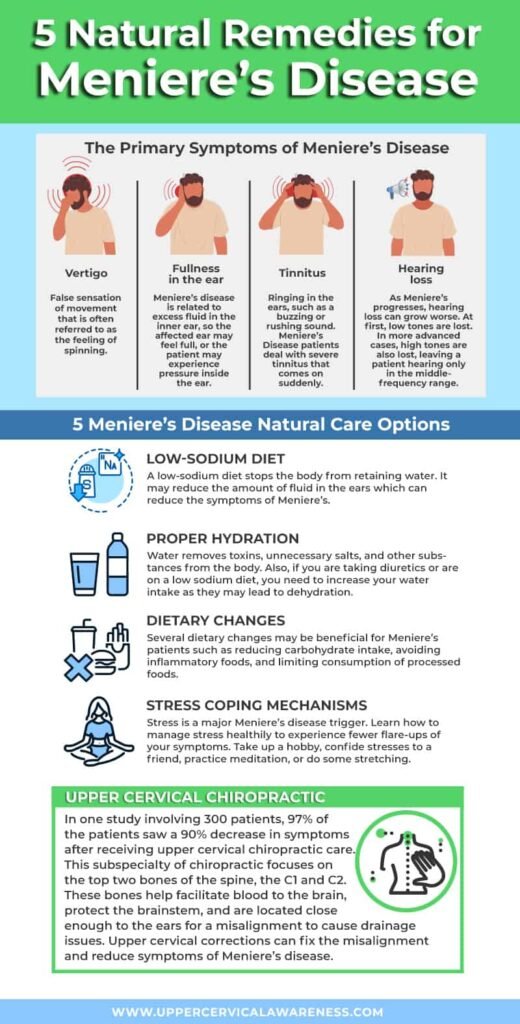
Natural Remedies for Vertigo
In addition to conventional treatments, there are also several natural remedies and lifestyle modifications that can help alleviate the symptoms of vertigo. These remedies aim to address the underlying causes of vertigo and promote overall well-being.
Ginger
Ginger is a natural remedy that has been used for centuries to treat various ailments, including vertigo. It contains compounds with anti-inflammatory and antioxidant properties that can help reduce inflammation in the inner ear, alleviate dizziness, and improve balance.
To use ginger for vertigo, you can consume it as a tea, chew on raw ginger, or take ginger supplements. It is important to note that ginger may interact with certain medications or have blood-thinning effects, so it is best to consult with a healthcare professional before using ginger as a natural remedy.
Vitamin D
Vitamin D plays a crucial role in maintaining the health of the inner ear and the balance system. Low levels of vitamin D have been associated with an increased risk of developing vertigo and other balance disorders.
Sources of vitamin D include sunlight exposure, fortified foods, fatty fish, and supplements. It is recommended to get regular sunlight exposure, consume a balanced diet, and consider vitamin D supplementation if necessary. It is important to consult with a healthcare professional to determine the appropriate dosage of vitamin D for your specific needs.
Acupressure
Acupressure is an ancient Chinese therapy that involves applying pressure to specific points on the body to stimulate healing and restore balance. Certain acupressure points can be targeted to alleviate vertigo symptoms and promote better balance.
Common acupressure points for vertigo include the GB20 point located at the base of the skull, the PC6 point on the inner forearm, and the KD3 point on the inner ankle. By applying gentle pressure to these points using your fingertips or a specialized acupressure tool, you may experience relief from vertigo symptoms. It is important to learn proper acupressure techniques and consult with a trained practitioner if needed.
Essential Oils
Essential oils are concentrated plant extracts that possess various therapeutic properties. Certain essential oils can be beneficial for managing vertigo symptoms due to their calming and anti-inflammatory effects.
Some of the top essential oils for vertigo include lavender, peppermint, ginger, and basil. These oils can be used topically by diluting them with a carrier oil and applying them to the temples, neck, or behind the ears. They can also be diffused or inhaled by adding a few drops to a diffuser or inhaling the scent directly from the bottle. It is important to use quality essential oils and check for any potential allergies or sensitivities before use.
Hydration
Proper hydration is essential for overall health and can also play a role in managing vertigo symptoms. Dehydration can contribute to dizziness and imbalances in the body, so it is important to drink an adequate amount of fluids throughout the day.
The recommended daily fluid intake varies depending on age, sex, and activity level, but a general guideline is to consume at least 8 cups (64 ounces) of water or other hydrating beverages. It is important to choose hydrating beverages that do not contain excessive amounts of caffeine or alcohol, as these can dehydrate the body.
Dietary Changes
Making certain dietary changes can also help manage vertigo symptoms. Avoiding certain foods that can trigger or worsen vertigo episodes is crucial. These may include caffeine, alcohol, processed foods high in sodium, and foods that are known to trigger migraines in susceptible individuals.
Incorporating foods that are rich in vitamins, minerals, and antioxidants can support overall health and help reduce inflammation in the body. These foods may include fresh fruits and vegetables, lean proteins, whole grains, and healthy fats. A balanced diet that includes a variety of nutrient-dense foods is essential for supporting the body’s natural healing processes.
Exercise and Balance Training
Regular physical activity and specific exercises can help improve balance, strengthen the muscles involved in maintaining balance, and reduce the frequency and severity of vertigo episodes. Engaging in activities such as yoga, tai chi, or balance exercises can be particularly beneficial.
It is important to start slowly and gradually increase the intensity and duration of exercise. Consult with a healthcare professional or a qualified exercise specialist for guidance on appropriate exercises and modifications that may be necessary based on your individual condition.
Herbal Supplements
Certain herbal supplements have been traditionally used to alleviate vertigo symptoms and support overall well-being. These may include ginkgo biloba, ginger, and butterbur. However, it is essential to consult with a healthcare professional before starting any herbal supplements, as they may interact with medications or have side effects.
Stress Management
Stress and anxiety can exacerbate vertigo symptoms, so it is important to incorporate stress management techniques into your daily routine. This may include practices such as meditation, deep breathing exercises, yoga, or engaging in hobbies or activities that promote relaxation.
Sleep and Rest
Adequate sleep and rest are crucial for overall health and can also play a role in managing vertigo symptoms. Lack of sleep or poor-quality sleep can contribute to increased stress and dizziness.
It is important to prioritize sleep and establish a consistent sleep schedule. Creating a sleep-friendly environment by keeping the bedroom cool, dark, and free from distractions can help promote better sleep. Additionally, adopting proper sleep positions that elevate the head slightly can help alleviate vertigo symptoms.
In conclusion, vertigo can significantly impact your quality of life, but there are various treatment options and natural remedies available to help manage symptoms. It is important to consult with a healthcare professional to determine the underlying cause of your vertigo and to develop an individualized treatment plan. With the right approach and lifestyle modifications, you can find relief from vertigo and regain your balance and well-being.

Related Terms About Natural Remedy For Vertigo.
Cures For Vertigo Natural Remedy, Home Remedies For Dogs With Vertigo, Home Remedies For Vertigo And Vomiting, Home Remedies For Vertigo Epley Maneuver, Home Remedies For Vertigo In English, Home Remedies For Vertigo In Humans, Home Remedies For Vertigo In Kannada, Home Remedies For Vertigo In Telugu, Home Remedies For Vertigo Mayo Clinic, Home Remedies For Vertigo Reddit