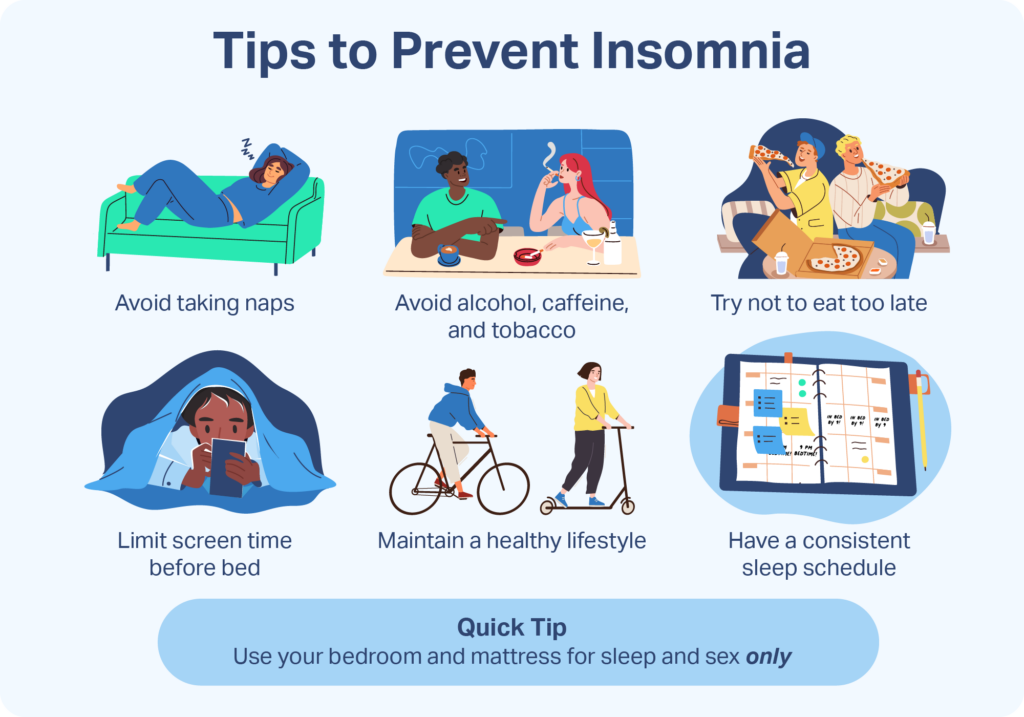
Having a good night’s sleep is crucial for your overall well-being and productivity. However, many people struggle with insomnia, which can greatly disrupt their sleep patterns. In this article, we will explore some simple yet effective tips on how to prevent insomnia and ensure you get the restful sleep you deserve. From establishing a relaxing bedtime routine to making your sleep environment conducive to sleep, these practical strategies can help you finally say goodbye to sleepless nights and wake up refreshed and energized every morning.
Establish a Bedtime Routine
Having a consistent bedtime routine is crucial for maintaining a healthy sleep schedule. By creating a set routine, you signal to your body that it’s time to wind down and prepare for sleep. This helps regulate your internal clock and promotes better sleep quality overall.
Stick to a Consistent Sleep Schedule
One of the most effective ways to prevent insomnia is to establish a consistent sleep schedule. Try to go to bed and wake up at the same time every day, even on weekends. By maintaining a regular sleep pattern, your body becomes more accustomed to a specific rhythm, making it easier to fall asleep and wake up feeling refreshed.
Create a Relaxing Environment
Your bedroom should be a sanctuary dedicated to relaxation and sleep. Create a space that promotes tranquility and calmness. Consider using soothing colors on the walls, keeping the room well-ventilated, and arranging furniture in a way that fosters a sense of serenity. A clutter-free and organized bedroom can also contribute to a more peaceful ambiance.
Engage in Pre-sleep Relaxation Techniques
Incorporating pre-sleep relaxation techniques into your bedtime routine can help calm your mind and prepare your body for sleep. Some popular relaxation techniques include deep breathing exercises, meditation, and progressive muscle relaxation. Experiment with different techniques and find what works best for you, allowing yourself to unwind and release any tension from the day.
Make Your Bedroom Conducive to Sleep
Your sleep environment plays a significant role in the quality of your sleep. Making your bedroom conducive to sleep involves creating a space that is free from distractions and promotes relaxation.
Eliminate Noise
Noise can be a major disruptor to a peaceful sleep. Consider using earplugs or a white noise machine to block out any sounds that may disturb you during the night. Alternatively, you can listen to gentle and calming music or nature sounds that help mask background noises.
Ensure Comfortable Temperature
Maintaining a comfortable temperature in your bedroom is essential for getting a good night’s sleep. The ideal room temperature for sleep is typically between 60 to 67 degrees Fahrenheit (15 to 19 degrees Celsius). Experiment with different temperature settings to find what works best for you and adjust your bedding accordingly for maximum comfort.
Use Comfortable Beddings
Investing in comfortable beddings, such as a supportive mattress and high-quality pillows, can greatly improve your sleep quality. Your mattress should provide proper support for your body, while your pillows should suit your preferred sleeping position. Additionally, choosing soft and breathable sheets can enhance your comfort and promote better sleep.
Block Out Excessive Light
Excessive light exposure can disrupt your body’s natural sleep-wake cycle. Use blackout curtains or blinds to minimize external light sources that may enter your bedroom. Consider using an eye mask if you are sensitive to light or live in an area with high levels of ambient light pollution. Creating a dark environment can help signal to your brain that it’s time to sleep.
Minimize Electronic Devices in the Room
Electronic devices emit blue light, which can suppress the production of melatonin, the hormone responsible for regulating sleep. Avoid using electronic devices such as smartphones, tablets, or laptops in the bedroom, particularly close to bedtime. If you must have them nearby, consider activating night mode or using blue light filters to reduce the amount of disruptive blue light exposure.
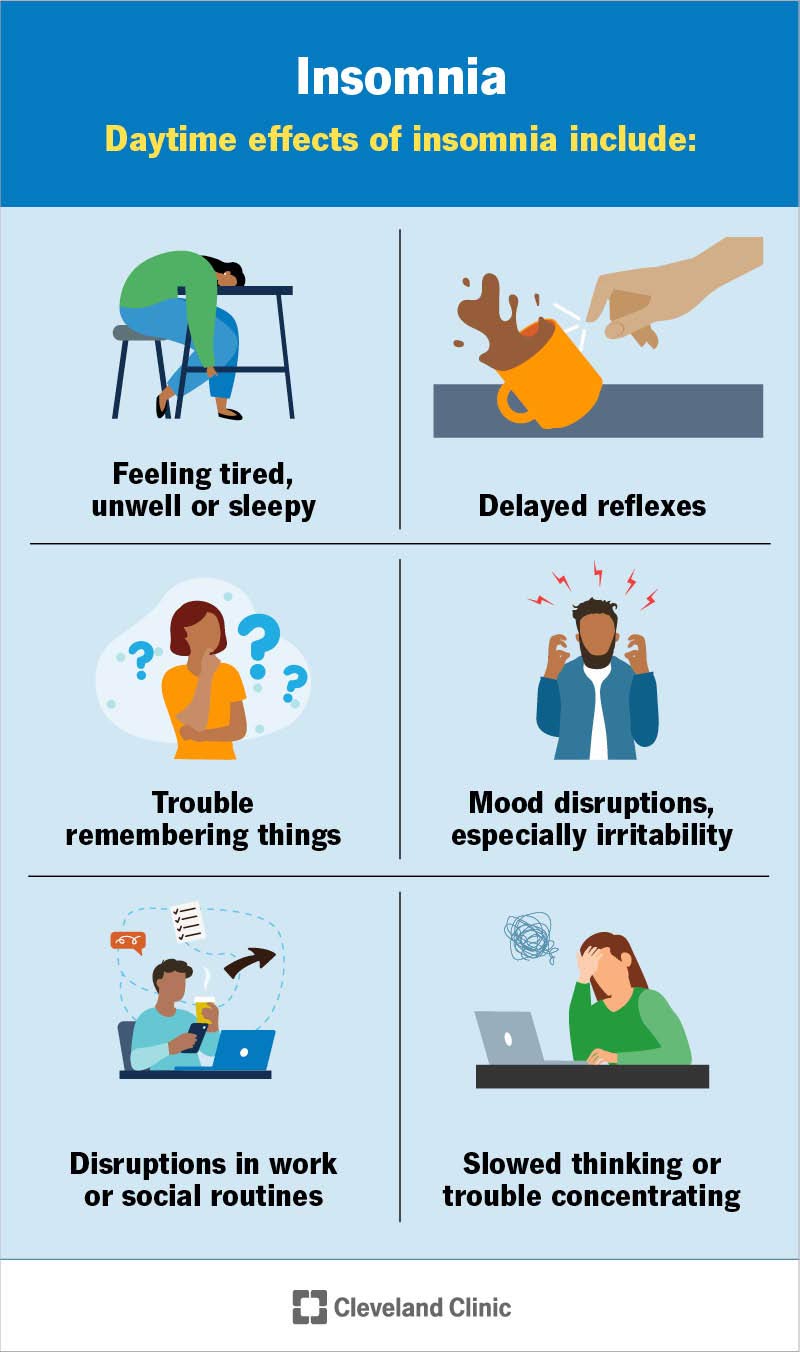
Practice Healthy Sleep Habits
Developing healthy sleep habits can significantly contribute to preventing insomnia and promoting better sleep quality overall. By adopting these habits, you can set yourself up for a more restful night’s sleep.
Avoid Stimulants Before Bed
Stimulants such as caffeine and nicotine can interfere with your ability to fall asleep and stay asleep. Avoid consuming these substances within four to six hours of bedtime. Caffeine can be found not only in coffee, tea, and soda but also in certain foods and medications, so read labels carefully to ensure you are not unintentionally consuming stimulants.
Limit Daytime Napping
While short power naps can be beneficial, long or frequent naps during the day can disrupt your sleep schedule and make it more challenging to sleep at night. If you do nap, try to limit it to 20-30 minutes and avoid napping too close to your regular bedtime.
Exercise Regularly
Engaging in regular physical activity can promote better sleep quality. However, it’s important to time your workouts appropriately. Exercising too close to bedtime can elevate your heart rate and make it difficult to wind down. Aim to finish your workout at least a few hours before bed to allow your body to cool down and prepare for sleep.
Maintain a Balanced Diet
What you eat can impact your sleep quality. Avoid consuming heavy or spicy meals close to bedtime, as they can cause indigestion and discomfort. Conversely, going to bed hungry can also interfere with your ability to fall asleep. Aim to have a light and balanced meal a few hours before bed to ensure optimal sleep.
Avoid Heavy Meals Before Bed
Eating a big meal before bedtime can lead to discomfort and indigestion, making it harder to fall asleep. Try to finish your last meal of the day two to three hours before bedtime to allow your body to digest properly.
Manage Your Stress Levels
Stress and anxiety can significantly contribute to sleep difficulties. Managing your stress levels is essential for preventing insomnia and ensuring a restful night’s sleep.
Identify and Address Sources of Stress
Take time to identify the sources of stress in your life and find ways to address them. Whether it’s work-related stress, relationship issues, or personal concerns, acknowledging and working through these stressors can help alleviate their impact on your sleep. Consider seeking the support of a therapist or counselor if needed.
Engage in Stress-Relieving Activities
Incorporating stress-relieving activities into your daily routine can help promote better sleep. Find activities that help you relax and unwind, such as taking a bath, practicing yoga or tai chi, or engaging in hobbies that bring you joy. Experiment with different activities to discover what works best for you in reducing stress levels.
Use Relaxation Techniques
Deep breathing exercises, meditation, and progressive muscle relaxation are all effective techniques for reducing stress and promoting calmness. Dedicate a few minutes each day to engage in these relaxation techniques, especially before bed, to help prepare your body and mind for a restful sleep.

Create a Sleep-Friendly Environment
Creating a sleep-friendly environment goes beyond just a comfortable bedroom. It involves minimizing external disturbances and maintaining cleanliness and organization in your sleeping space.
Block Out External Disturbances
External disturbances, such as noise from traffic or neighbors, can disrupt your sleep. Consider using earplugs or white noise machines to mask these sounds and create a quieter sleep environment. White noise machines emit a consistent and soothing sound that can help drown out other noises and promote better sleep.
Invest in a Comfortable Mattress and Pillow
Your bed is the centerpiece of your sleep environment, and investing in a comfortable mattress and pillow is crucial for a good night’s sleep. Choose a mattress that provides proper support for your body and pillows that align with your sleeping preferences, whether you prefer a firmer or softer feel. Remember to replace your mattress and pillows regularly to maintain optimal comfort and support.
Maintain Cleanliness and Organization in the Bedroom
A clean and well-organized bedroom can promote relaxation and tranquility. Clutter can create a sense of chaos and disrupt your ability to unwind. Take time to declutter and organize your bedroom, putting away any items that don’t belong in the sleep environment. A clean and tidy space can also make it easier to relax and fall asleep.
Establish a Wind-Down Routine
Establishing a wind-down routine helps signal to your body and mind that it’s time to transition from wakefulness to sleep. This routine should include activities that promote relaxation and prepare you for a restful night.
Avoid Engaging in Stimulating Activities Before Bed
Engaging in stimulating activities, such as intense exercise, watching thrilling movies, or engaging in intense discussions, close to bedtime can make it harder to fall asleep. Avoid these activities in the last hour or two before bed and opt for calming and peaceful activities instead.
Create a Relaxing Pre-sleep Routine
Design a pre-sleep routine that incorporates activities geared towards relaxation and self-care. This can include taking a warm bath, practicing gentle stretching or yoga, or indulging in a soothing cup of caffeine-free herbal tea.
Engage in Calming Activities
Reading a book, listening to soothing music, or practicing mindfulness meditation are all activities that can help calm your mind and relax your body before bed. Find activities that bring you joy and help you unwind, making them a regular part of your wind-down routine.
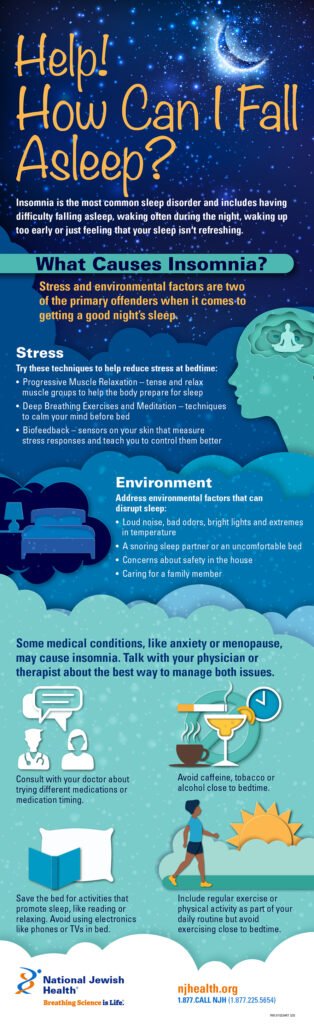
Limit Exposure to Screens
The blue light emitted by electronic devices such as smartphones, tablets, and computers can disrupt your sleep-wake cycle. Taking steps to limit your exposure to screens, particularly before bed, can improve your sleep quality.
Avoid Screen Time Before Bed
The hour before bed should be screen-free to allow your body to prepare for sleep. The blue light emitted by screens can suppress melatonin production and make it harder for you to fall asleep. Instead, engage in calming activities such as reading a physical book or spending time with loved ones before winding down for sleep.
Use Night Mode or Blue Light Filters on Devices
If you must use electronic devices close to bedtime, activate the night mode or use blue light filters to reduce the amount of blue light emitted. These settings make the screen appear warmer and less stimulating to your brain, minimizing the disruption to your sleep-wake cycle.
Establish Technology-Free Zones
Creating technology-free zones, such as your bedroom, can help minimize screen time and promote better sleep habits. Designate areas in your home where screens are not allowed, especially in the hour leading up to bedtime. This encourages healthier sleep habits and reduces the temptation to use screens in bed.
Avoid Excessive Daytime Sleepiness
Excessive daytime sleepiness can interfere with your ability to function effectively throughout the day and disrupt your sleep cycle. By adopting certain habits and routines, you can minimize daytime drowsiness.
Maintain a Consistent Sleep-Wake Schedule
Consistency is key when it comes to maintaining a healthy sleep-wake schedule. Going to bed and waking up at the same time every day, even on weekends, helps regulate your body’s internal clock and minimizes daytime sleepiness. Aim for a sleep duration of seven to nine hours each night to ensure you are well-rested.
Get Sufficient Sunlight Exposure during the Day
Sunlight exposure during the day helps regulate your body’s sleep-wake cycle, making it easier to stay awake and alert during the daytime. Spend time outdoors each day, particularly in the morning, to allow your body to absorb natural sunlight. If getting outdoors is not feasible, consider sitting near a window or using a light therapy box to simulate natural daylight.
Engage in Energy-Boosting Activities when Feeling Drowsy
When you find yourself feeling drowsy during the day, engage in activities that help boost your energy levels. Take a short walk, do some stretching exercises, or listen to uplifting music to get your blood flowing and increase alertness. Avoid relying on caffeine or sugary snacks as a means to combat drowsiness, as they can lead to energy crashes later on.

Avoid Alcohol and Caffeine
While alcohol may initially make you feel drowsy, it can disrupt your sleep later in the night. Similarly, caffeine is a stimulant that can interfere with your ability to fall asleep. Limiting or avoiding these substances, particularly close to bedtime, can improve your sleep quality.
Limit or Avoid Alcohol Consumption
Although alcohol can make you feel sleepy initially, it disrupts the natural sleep cycle and can lead to restless nights. Avoid consuming alcohol close to bedtime, especially in large quantities. If you do choose to drink, do so in moderation and allow several hours for your body to metabolize and clear the alcohol before going to bed.
Reduce or Eliminate Caffeine Intake
Caffeine can interfere with your ability to fall asleep and stay asleep, even hours after consumption. Limit your caffeine intake, particularly in the afternoon and evening. Be mindful that caffeine is not only found in coffee and tea but also in other beverages, chocolate, and some medications. Opt for decaffeinated alternatives or herbal teas in the evening to minimize the impact on your sleep.
Seek Professional Help
If you continue to struggle with insomnia despite implementing healthy sleep habits, it may be beneficial to seek professional help. A healthcare provider can assess your sleep patterns and recommend appropriate interventions. Some options may include:
Consult a Healthcare Provider if Insomnia Persists
If your insomnia persists despite your efforts, it’s important to reach out to a healthcare provider. They can evaluate your sleep patterns, identify any underlying causes of insomnia, and recommend appropriate treatments or therapies. Seeking professional help can provide you with the guidance and support needed to overcome sleep difficulties.
Consider Cognitive Behavioral Therapy for Insomnia (CBT-I)
Cognitive Behavioral Therapy for Insomnia (CBT-I) is a proven and effective treatment for insomnia. This therapy focuses on identifying and addressing the thoughts, behaviors, and environmental factors that contribute to sleep difficulties. A trained therapist can guide you through CBT-I techniques tailored to your specific needs and help you develop healthy sleep habits.
Explore Medication Options under Medical Supervision
In some cases, medication may be prescribed to help manage insomnia. It is crucial to consult with a healthcare provider or sleep specialist before starting any sleep medications. They can evaluate your individual situation, consider potential side effects, and determine the appropriate course of treatment. Medication should always be used under medical supervision.
In conclusion, preventing insomnia involves adopting healthy sleep habits, creating a sleep-friendly environment, managing stress levels, and seeking professional help if needed. By establishing a consistent bedtime routine, making your bedroom conducive to sleep, practicing good sleep hygiene, managing stress, and taking steps to limit screen time and stimulants, you can improve your sleep quality and overall well-being. Remember, a good night’s sleep is essential for your physical and mental health, and it starts with making sleep a priority in your daily routine.