
Have you ever wondered why so many people experience anterior cruciate ligament (ACL) injuries? Whether it’s during a sports activity or a simple misstep, ACL injuries can be quite common. In this article, we will explore some of the common causes of ACL injuries, shedding light on the factors that contribute to this type of injury. By understanding the potential causes, you can take necessary precautions to reduce your risk and protect your knees. So, let’s dive into the world of ACL injuries and learn how to keep ourselves safe.
Overview of ACL Injuries
Welcome to this comprehensive article on ACL injuries! In this guide, we will delve into the definition, importance, and prevalence of ACL injuries. We will also explore the various causes, both traumatic and non-traumatic, that can contribute to ACL injuries. Additionally, we will examine the biological, anatomical, neuromuscular, environmental, and psychological factors that play a role in these injuries. Finally, we will discuss prevention strategies and treatment options for ACL injuries.
Definition of ACL Injuries
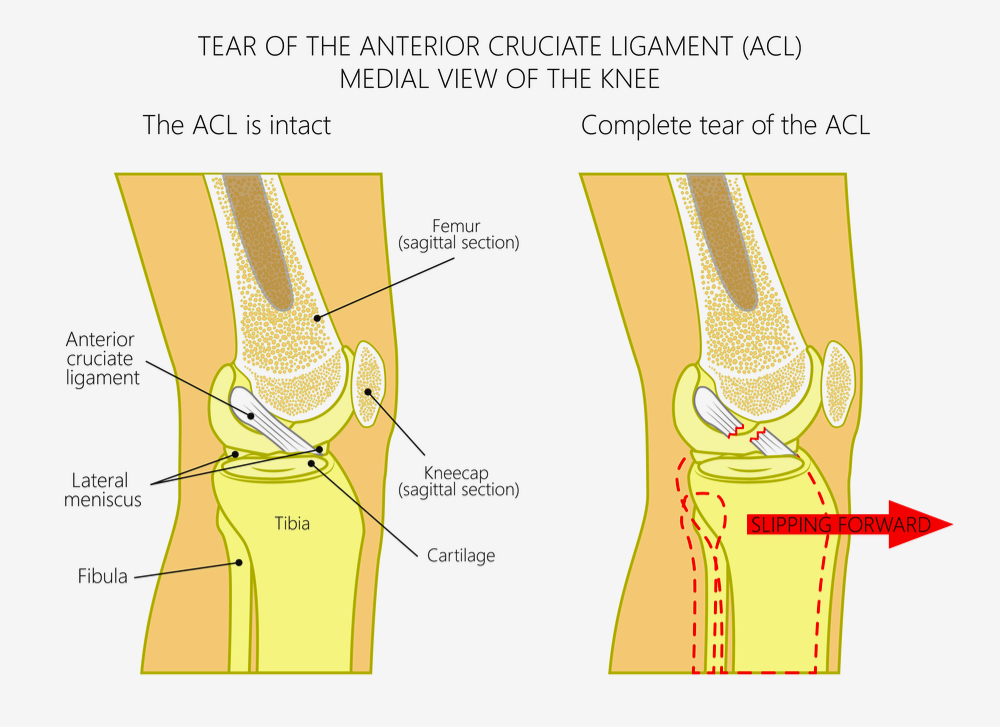
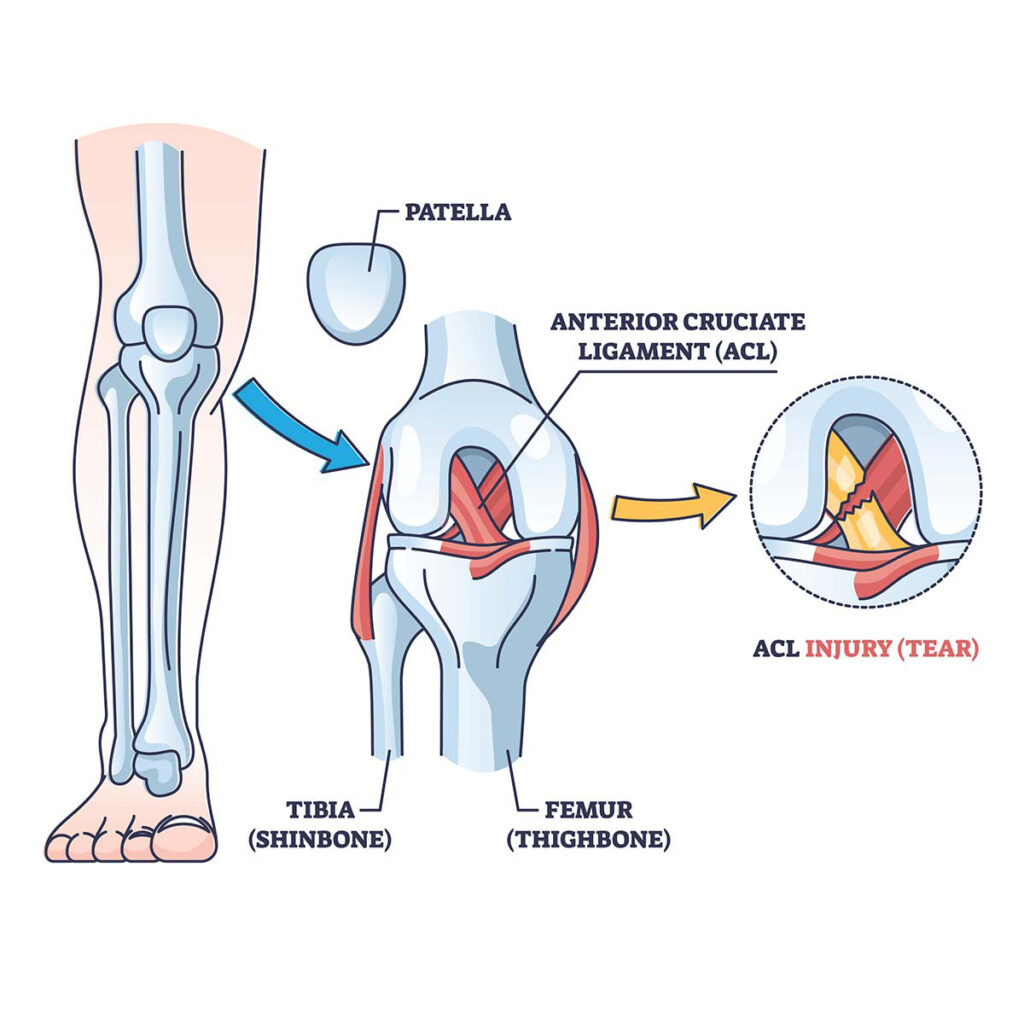
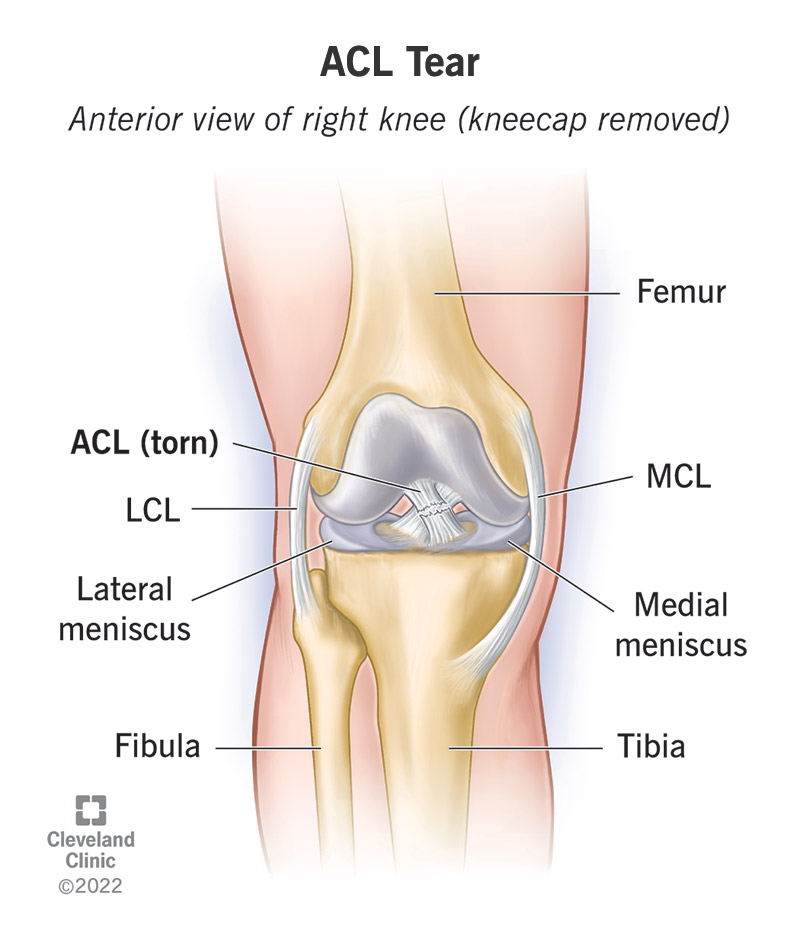
ACL injuries, or anterior cruciate ligament injuries, occur when the ACL in the knee becomes damaged or torn. The ACL is one of the key ligaments in the knee and plays a crucial role in maintaining stability and preventing excessive movement of the joint. When the ACL is injured, it can lead to pain, instability, and limited mobility.
Importance of the ACL
The ACL is vital for providing stability to the knee joint during movement. It prevents excessive forward movement of the tibia (shinbone) in relation to the femur (thighbone). This ligament plays a significant role in activities that involve jumping, pivoting, and changing direction, such as sports. Without a healthy and intact ACL, individuals may experience instability, making it difficult to participate in physical activities and sports.
Prevalence of ACL Injuries
ACL injuries are relatively common, particularly among individuals who participate in sports or activities that involve sudden stops, changes in direction, or jumping. While these injuries can occur in people of all ages, they are more frequently seen in younger individuals, especially athletes involved in high-intensity sports. Understanding the prevalence of ACL injuries is essential for developing preventive measures and treatment strategies.
Traumatic Causes of ACL Injuries
ACL injuries can be categorized into traumatic and non-traumatic causes. Traumatic causes involve direct impact or non-contact twisting motions that exert excessive force on the knee joint.
Sports-related Injuries
Sports-related injuries are a leading cause of ACL tears. Sports that involve high-impact movements, such as soccer, basketball, football, and skiing, put athletes at higher risk. Rapid changes in direction, sudden stops, and jumping motions can place significant stress on the ACL, leading to injury.
Direct Impact
Direct impact to the knee, such as when an athlete collides with another player or objects, can result in an ACL injury. These injuries often occur due to falls, collisions during contact sports, or accidents during recreational activities.
Non-contact Twisting
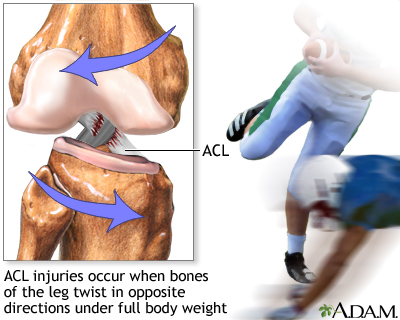
Non-contact twisting motions, particularly when the foot is planted and the knee is forcefully rotated, can also cause ACL injuries. Sudden changes in direction or pivoting maneuvers without proper body mechanics can lead to excessive stress on the ACL, resulting in tears or damage.
Non-Traumatic Causes of ACL Injuries
While traumatic causes are often associated with ACL injuries, non-traumatic causes can also contribute to the development of these injuries. Non-traumatic causes typically involve chronic stress or repetitive movements that gradually weaken the ACL.
Muscle Imbalances
Muscle imbalances, such as a lack of strength in the muscles surrounding the knee or inadequate coordination between muscle groups, can increase the risk of ACL injuries. The imbalance can lead to improper joint alignment, placing extra stress on the ACL during movement and increasing the likelihood of injury.
Poor Landing Techniques
Improper landing techniques, especially during jumping or high-impact activities, can place excessive strain on the ACL. Landing in a vulnerable position with the knees collapsing inward or not sufficiently bending can compromise the integrity of the ligament and lead to injury.
Excessive Training
Overtraining and inadequate rest periods can lead to fatigue and decreased muscle control, increasing the risk of ACL injuries. When the body is exhausted, the muscles may not provide adequate support to the knee joint, making individuals more susceptible to ACL damage.
Biological Factors Contributing to ACL Injuries
In addition to traumatic and non-traumatic causes, several biological factors can contribute to ACL injuries. It is important to understand these factors to develop tailored prevention and rehabilitation strategies.
Gender Differences
Research suggests that female athletes may be more prone to ACL injuries compared to their male counterparts. This difference may be attributed to anatomical, hormonal, and neuromuscular factors, such as wider pelvises, hormonal fluctuations during the menstrual cycle, and differences in muscle activation patterns. Understanding these gender differences can help create targeted prevention programs.
Hormonal Factors
Hormonal fluctuations, particularly estrogen levels, may influence the integrity of the ACL. Changes in hormone levels during the menstrual cycle can affect ligament laxity, making the ACL more susceptible to injury. Further research is needed to fully understand the relationship between hormonal factors and ACL injuries.
Connective Tissue Disorders
Individuals with certain connective tissue disorders, such as Ehlers-Danlos syndrome or Marfan syndrome, may have a higher risk of ACL injuries. These disorders affect the strength and integrity of connective tissues, including the ligaments, making them more prone to injury.

Anatomical Factors Contributing to ACL Injuries
Anatomical factors, such as the Q-angle, intercondylar notch width, and tibial slope, can influence the risk of ACL injuries. Understanding these factors can aid in identifying individuals who may be at higher risk and implementing preventive measures.
Q-Angle
The Q-angle, the angle formed by the line from the anterior superior iliac spine (ASIS) to the center of the patella and the line from the tibial tubercle to the center of the patella, can impact the biomechanics of the knee joint. A larger Q-angle, commonly seen in women, can increase the stress on the ACL, potentially increasing the risk of injury.
Intercondylar Notch Width
The width of the intercondylar notch, the groove in the femur where the ACL resides, can affect the risk of ACL injuries. A narrower notch may create less space for the ACL, increasing the likelihood of impingement and injury.
Tibial Slope
The tibial slope, the angle of the tibial plateau in relation to the ground, can influence the stability of the knee joint. A steeper tibial slope may create a more unstable joint, potentially increasing the risk of ACL injuries.
Neuromuscular Factors Contributing to ACL Injuries
Neuromuscular factors, including impaired proprioception, muscle fatigue, and altered movement patterns, can significantly contribute to ACL injuries. Addressing these factors is crucial for preventing and rehabilitating ACL injuries.
Impaired Proprioception
Proprioception refers to the body’s ability to sense its position and movements in space. When proprioception is impaired, individuals may have difficulty controlling the position of their joints, leading to increased stress on the ACL. Proper training to enhance proprioception can help reduce the risk of ACL injuries.
Muscle Fatigue
Fatigue can negatively affect muscle control, coordination, and balance, potentially compromising the stability of the knee joint. Fatigued muscles may not provide adequate support to the ACL, increasing the risk of injury. Implementing strength and conditioning programs to address muscle fatigue is crucial for injury prevention.
Altered Movement Patterns
Certain movement patterns, such as landing or cutting techniques, may place excessive stress on the ACL. Altered movement patterns, often associated with poor body mechanics or inadequate training, can increase the risk of ACL injuries. Correcting these movement patterns through technique modification and training can significantly reduce the risk of injury.
Environmental Factors Contributing to ACL Injuries
While individual factors play a significant role in ACL injuries, environmental factors, including playing surface, equipment, and weather conditions, can also influence the risk.
Playing Surface
The type of playing surface can impact the risk of ACL injuries. Surfaces with less traction, such as artificial turf, may increase the likelihood of slips and sudden movements that can stress the ACL. Identifying and addressing environmental factors, such as maintaining appropriate field conditions, can help reduce the risk of injury.
Equipment
The use of appropriate and well-fitting equipment is essential for minimizing the risk of ACL injuries. This includes properly fitting footwear and protective gear that provide stability and support to the knee joint. Ill-fitting or inadequate equipment can compromise joint stability and increase the risk of injury.
Weather Conditions
Weather conditions, such as rain or snow, can affect surfaces, making them slippery and increasing the risk of falls and accidental movements that stress the ACL. Being aware of weather conditions and taking necessary precautions, such as modifying activities or wearing appropriate footwear, can help mitigate the risk.
Psychological Factors Contributing to ACL Injuries
Psychological factors can impact an individual’s risk of ACL injuries. Understanding these factors and their influence is essential for developing comprehensive prevention strategies.
Fear of Reinjury
Individuals who have previously experienced an ACL injury may develop a fear of reinjury. This fear can influence movement patterns, leading to altered mechanics and potentially increasing the risk of re-injury. Addressing and managing fears through psychological support and proper rehabilitation can help individuals regain confidence and reduce the risk of reinjury.
Lack of Confidence
A lack of self-confidence can affect an athlete’s performance and increase the risk of ACL injuries. When individuals doubt their abilities, they may not fully engage their muscles or execute proper movements, making them more vulnerable to injury. Building self-confidence through positive reinforcement and tailored training programs can help reduce the risk.
Self-esteem Issues
Low self-esteem or body image concerns can indirectly impact the risk of ACL injuries. When individuals have negative perceptions about themselves, they may push their bodies to the extreme during activities, leading to overexertion and increased risk of injury. Encouraging a positive self-image and providing a supportive environment is crucial for injury prevention.
Prevention Strategies for ACL Injuries
Prevention is key when it comes to ACL injuries. The following strategies can help reduce the risk of ACL injuries and promote overall knee health:
Proper Warm-up and Cool-down
Engaging in a thorough warm-up routine before physical activity and incorporating a cool-down after workouts or sports can help prepare the body for movement and reduce the risk of injuries. Dynamic stretching, mobility exercises, and gradually increasing intensity are essential components of an effective warm-up and cool-down routine.
Strength and Conditioning Programs
Implementing strength and conditioning programs that target the muscles surrounding the knee joint can provide support and stability, reducing the stress on the ACL. Exercises that focus on building muscular strength, endurance, and balance can contribute to overall knee health and injury prevention.
Technique Modification
Modifying movement techniques, such as landing, cutting, and pivoting, can reduce the load on the ACL and minimize the risk of injury. Proper body mechanics, including maintaining proper alignment, using appropriate landing techniques, and avoiding sudden changes in direction, are vital for injury prevention. Seeking guidance from a qualified coach or sports professional can help individuals develop proper technique.
Treatment and Rehabilitation of ACL Injuries
In the unfortunate event of an ACL injury, appropriate treatment and rehabilitation are crucial for recovery and return to physical activities. The following options may be considered:
Surgical Options
For individuals with severe ACL injuries or those who wish to resume high-intensity sports, surgical reconstruction of the ACL may be recommended. Surgeons use various techniques to reconstruct the torn ligament using grafts from other parts of the body or donor tissue. Proper rehabilitation following surgery is essential for a successful recovery.
Physical Therapy
Physical therapy plays a significant role in the rehabilitation process following an ACL injury. Therapists tailor exercise programs to help restore strength, mobility, and stability to the knee joint. They may also address neuromuscular control, proprioception, and movement mechanics to reduce the risk of future injuries.
Return-to-Sport Criteria
Before returning to sports or high-intensity activities, individuals should meet specific criteria to ensure their knees are adequately healed and prepared. This may involve completing rehabilitation goals, passing functional tests, and demonstrating proper movement patterns. Following a structured protocol and consulting with healthcare professionals are essential in determining readiness for return to sport.
In conclusion, ACL injuries have a significant impact on individuals, particularly athletes engaged in high-impact sports. Understanding the various causes and factors contributing to ACL injuries allows us to develop comprehensive prevention strategies and effective treatment approaches. By implementing proper warm-up and cool-down routines, strength and conditioning programs, technique modifications, and psychological support, we can significantly reduce the risk of ACL injuries and promote healthier knees for all individuals.