
Are you constantly struggling to stay focused and complete tasks? Do you find yourself easily distracted and restless? If so, you may be one of the many adults who are living with ADHD, Attention Deficit Hyperactivity Disorder. In this article, we will explore the symptoms of ADHD in adults and discuss effective strategies for managing and coping with this condition. Whether you have recently been diagnosed or suspect that you may have ADHD, this article aims to provide you with valuable insights and practical advice to help you lead a more productive and fulfilling life. So, let’s jump right in and uncover the world of ADHD in adults!
Understanding ADHD in Adults
ADHD, which stands for Attention Deficit Hyperactivity Disorder, is a neurodevelopmental disorder that affects both children and adults. While it is commonly associated with children, it is important to recognize that ADHD can persist into adulthood and have a significant impact on individuals’ lives. Understanding the definition, prevalence, causes, and impact of ADHD in adults is crucial for proper identification and management.
Definition of ADHD
ADHD is characterized by persistent patterns of inattention, hyperactivity, and impulsivity that interfere with daily functioning and development. In adults, the symptoms may manifest differently compared to children, making it challenging to recognize and diagnose. It is important to note that ADHD is not simply a result of laziness or lack of discipline, but rather a neurobiological condition.
Prevalence of ADHD in Adults
Contrary to common misconception, ADHD does not magically disappear once a child reaches adulthood. In fact, it is estimated that approximately 4-5% of adults worldwide have ADHD. However, due to underdiagnosis and misdiagnosis, many individuals go undetected and do not receive appropriate treatment.
Causes and risk factors
The exact causes of ADHD are still not fully understood, but researchers believe that a combination of genetic, environmental, and neurobiological factors contribute to its development. Studies have shown that ADHD tends to run in families, suggesting a genetic predisposition. Additionally, exposure to toxins during pregnancy or early childhood, premature birth, low birth weight, and parental substance abuse may increase the risk of developing ADHD.
Impact of ADHD on adults’ lives
ADHD can significantly impact various areas of an adult’s life, including work, education, relationships, and overall well-being. Adults with ADHD often struggle with executive functions, such as organization, time management, and prioritization, leading to difficulties in meeting deadlines and staying focused. These challenges may result in decreased job performance, academic underachievement, and strained personal relationships. Furthermore, untreated ADHD can contribute to emotional and mental health issues, including anxiety, depression, and low self-esteem.
Identifying Symptoms of Adult ADHD
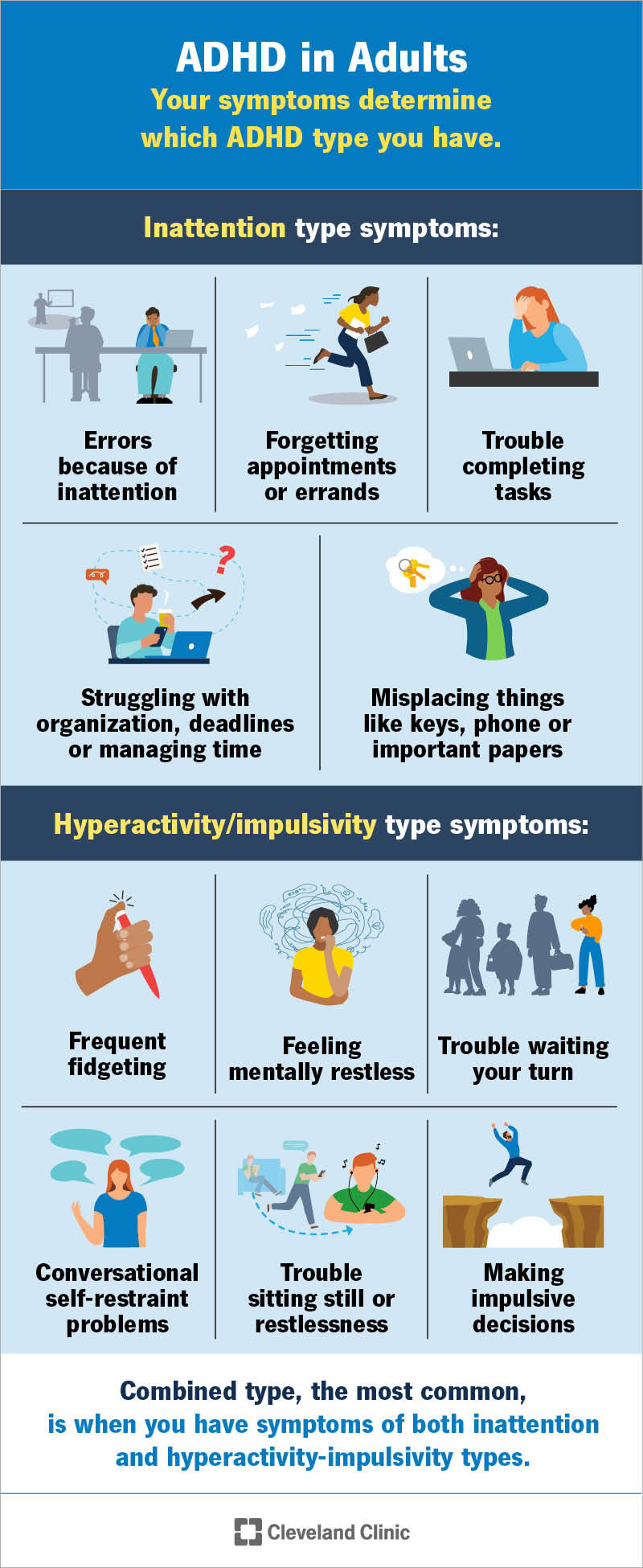
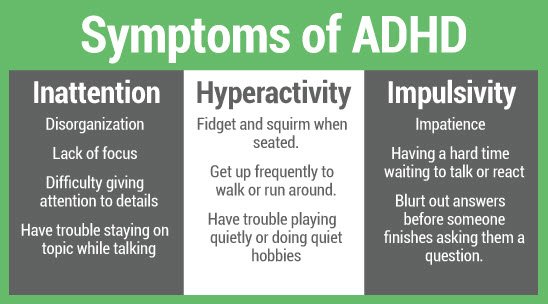
Recognizing the symptoms of adult ADHD is crucial for early detection and intervention. While the presentation may vary among individuals, there are three main symptom categories: inattention, hyperactivity, and impulsivity.
Inattention symptoms
In adults with ADHD, inattention symptoms may manifest as difficulty staying organized, forgetfulness, trouble completing tasks, being easily distracted, and frequent procrastination. They may struggle to maintain focus and concentration, even on activities they find interesting or important.
Hyperactivity symptoms
Hyperactivity symptoms in adults with ADHD are often more subtle compared to children. Restlessness, difficulty sitting still, and feeling a constant need for movement or fidgeting are common signs. Additionally, adults with ADHD may engage in excessive talking or have a tendency to interrupt others during conversations.
Impulsivity symptoms
Impulsivity is another key symptom of adult ADHD. This can lead to impulsive decision-making, acting without considering the consequences, and difficulty waiting for a turn or delaying gratification. Adults with ADHD may engage in risky behaviors or have difficulties controlling their emotional reactions.
Common comorbidities associated with adult ADHD
Adults with ADHD frequently experience comorbidities, meaning they have other medical or psychiatric conditions that coexist with ADHD. Conditions commonly associated with adult ADHD include anxiety disorders, mood disorders (such as depression), substance use disorders, and learning disabilities. Understanding these comorbidities is vital for comprehensive treatment planning.

Diagnostic Process for Adult ADHD
Accurate diagnosis of adult ADHD involves a comprehensive assessment process that evaluates the individual’s symptoms, history, and functional impairment. Below are the steps typically involved in diagnosing adult ADHD.
Screening and self-assessment tools
To initiate the evaluation process, healthcare providers may utilize screening questionnaires or self-assessment tools designed to assess ADHD symptoms and their impact on daily life. These tools provide valuable information and help identify individuals who may require further evaluation.
Clinical interviews and evaluations
The next step in the diagnostic process involves a comprehensive clinical interview with a healthcare professional, such as a psychiatrist or psychologist. The clinician will gather detailed information about the individual’s symptoms, their onset, duration, and any associated impairments. They may also inquire about the individual’s medical and psychiatric history, family history, and overall functioning.
Consideration of childhood history
A crucial aspect of diagnosing adult ADHD involves evaluating the individual’s childhood history. The presence of ADHD symptoms during childhood, even if they were not formally diagnosed, is a strong indicator of the disorder persisting into adulthood. Information from family members, childhood report cards, and teacher feedback can provide valuable insights into the individual’s developmental history.
Differentiating ADHD from other conditions
It is essential to rule out other psychiatric or medical conditions that may mimic or coexist with ADHD. Conditions such as anxiety disorders, mood disorders, sleep disorders, and certain medical conditions can present with symptoms resembling ADHD. A comprehensive evaluation ensures an accurate diagnosis and appropriate treatment planning.
Treatment Options for Adult ADHD
Effectively managing adult ADHD involves a multimodal approach that may include medication management, behavioral therapies, developing coping strategies, and building support systems.
Medication management
Medication can be an effective treatment option for managing adult ADHD symptoms. Stimulant medications, such as methylphenidate or amphetamines, are commonly prescribed and have been shown to improve focus, attention, and impulse control. Non-stimulant medications, such as atomoxetine or bupropion, are alternative options for individuals who may not tolerate or respond well to stimulant medications.
Behavioral therapies
Behavioral therapies, such as psychoeducation, cognitive-behavioral therapy (CBT), and coaching, can significantly benefit adults with ADHD. These interventions aim to improve time management, organization skills, and goal-setting abilities. CBT can also help individuals address negative thought patterns, manage stress and emotions, and develop effective problem-solving skills.
Developing coping strategies
Learning and implementing effective coping strategies is crucial for managing ADHD symptoms in daily life. Strategies such as breaking tasks into smaller, manageable steps, using visual cues and reminders, setting realistic goals, and implementing routines and structures can help individuals stay organized, focused, and on track.
Building support systems
Having a strong support system in place is vital for individuals with ADHD. This can include friends, family members, support groups, or a therapist. Support systems can provide encouragement, understanding, and practical assistance, assisting individuals in overcoming challenges and maintaining overall well-being.

Lifestyle Modifications to Manage Symptoms
In addition to medication and therapy, making certain lifestyle modifications can greatly improve the management of adult ADHD symptoms.
Establishing routines and organization tactics
Creating and maintaining consistent routines can help individuals with ADHD establish structure and reduce the likelihood of forgetfulness or missing important deadlines. Implementing organization tactics, such as using calendars, journals, or apps to schedule activities and set reminders, can also be highly beneficial.
Prioritizing tasks and setting realistic goals
Breaking down tasks into smaller, more manageable steps and prioritizing them based on importance and urgency can help individuals with ADHD stay focused and accomplish their goals. Setting realistic expectations and avoiding excessive multitasking can also alleviate stress and improve productivity.
Creating an ADHD-friendly environment
Creating an environment that supports focus and minimizes distractions is essential for individuals with ADHD. This can include designating a specific workspace, minimizing visual and auditory distractions, and organizing belongings in a systematic and clutter-free manner.
Tips for better time management
Individuals with ADHD often struggle with time management. Implementing strategies such as using timers or alarms to monitor time, allocating specific time blocks for various tasks, and breaking complex tasks into smaller time segments can be helpful in managing time effectively.
The role of exercise and healthy habits
Regular physical exercise has been shown to have a positive impact on ADHD symptoms. Engaging in activities that involve movement, such as aerobic exercises, yoga, or martial arts, can improve attention, mood, and overall well-being. Additionally, maintaining a balanced diet, getting sufficient sleep, and minimizing the consumption of substances like caffeine and nicotine can help manage symptoms.
Professional Support for Adults with ADHD
Navigating life with ADHD can be challenging, and seeking professional support is crucial in managing the condition successfully.
Finding the right healthcare provider
When seeking professional support for ADHD, it is important to find a healthcare provider who specializes in adult ADHD. This can include psychiatrists, psychologists, or specialized ADHD clinics. They have the expertise and knowledge to provide accurate diagnosis, individualized treatment plans, and ongoing support.
Collaborating with mental health professionals
For individuals with ADHD who experience comorbid mental health conditions, collaboration with mental health professionals is essential. Collaborative care between professionals such as psychiatrists, therapists, and counselors ensures comprehensive treatment that addresses all aspects of an individual’s well-being.
Educational or career accommodations
Informing educational institutions or employers about an ADHD diagnosis can open doors to necessary accommodations. This can include extended time for exams, preferential seating, access to assistive technologies, flexible work schedules, or workplace accommodations such as noise-canceling headphones or written task instructions.
ADHD coaching and support groups
ADHD coaching can provide individuals with personalized strategies and tools to overcome specific challenges associated with ADHD. Coaches can help individuals develop effective time management techniques, improve organizing skills, and address emotional and behavioral difficulties. Additionally, participating in support groups with individuals who share similar experiences can provide a sense of belonging and understanding.

Navigating ADHD in the Workplace
Managing ADHD symptoms in the workplace can be particularly challenging, but with the right strategies and support, individuals can thrive professionally.
Challenges faced by adults with ADHD at work
Adults with ADHD may face specific challenges in the workplace. These can include difficulties with time management, staying organized, completing tasks, maintaining focus, and meeting deadlines. Additionally, the impulsivity and restlessness associated with ADHD can affect interpersonal relationships with colleagues and superiors.
Disclosure of ADHD and requesting accommodations
Deciding whether to disclose ADHD to an employer is a personal choice; however, it can often be beneficial. Disclosing can lead to the implementation of appropriate accommodations to support individuals in their work environment. This can include adjustments to workload, schedule flexibility, providing written instructions, or allowing breaks.
Strategies for time management and focus
Implementing effective time management strategies can greatly improve productivity in the workplace. Strategies such as using calendars, to-do lists, and prioritizing tasks can help individuals stay organized and on track. Additionally, utilizing noise-cancelling headphones or creating a designated workspace can minimize distractions and enhance focus.
Building positive relationships with colleagues
Building positive relationships with colleagues is important for individuals with ADHD. This can involve effective communication, active listening, and being proactive in addressing any misunderstandings or conflicts that may arise. Creating a supportive and inclusive work environment can enhance job satisfaction and overall well-being.
Managing ADHD-related Relationship Challenges
ADHD can have a significant impact on relationships, but with understanding, patience, and appropriate strategies, individuals can navigate these challenges.
Communication difficulties within relationships
ADHD can influence communication within relationships, leading to misunderstandings, impulsivity in conversations, or inconsistent attention. Open and honest communication, active listening, and practicing empathy are crucial for addressing communication difficulties. It is important to foster an environment where both partners feel heard and understood.
Strategies for reducing impulsivity and improving empathy
Managing impulsivity is essential for maintaining healthy relationships. Engaging in techniques such as pausing before speaking or responding, actively considering the other person’s perspective, and seeking to understand their feelings can help reduce impulsive behaviors. Building empathy and expressing appreciation and gratitude can also strengthen relationships.
Seeking therapy to address relationship issues
Individual or couples therapy can be highly beneficial for addressing relationship issues related to ADHD. Therapists can provide a safe space to explore challenges, learn effective communication strategies, and develop coping mechanisms. Therapy can foster better understanding, enhance relationship satisfaction, and strengthen emotional bonds.
Supporting a partner with ADHD
Supporting a partner with ADHD involves patience, compassion, and proactive efforts to accommodate their needs. It is important to educate oneself about ADHD, attend therapy sessions together, and actively assist in organizing schedules, setting reminders, or helping with tasks that may be challenging for the partner with ADHD.
Coping with Emotional and Mental Health Challenges
Living with ADHD can take a toll on emotional and mental well-being, but effective coping strategies can greatly improve quality of life.
Managing stress and anxiety
Stress and anxiety are common among individuals with ADHD. Engaging in stress-reducing activities such as exercise, deep breathing exercises, or relaxation techniques can help manage these symptoms. Additionally, mindfulness practices, such as meditation or yoga, can improve focus and calm the mind.
Addressing low self-esteem and self-worth
ADHD can contribute to feelings of low self-esteem and self-worth. It is important to challenge negative self-perceptions, acknowledge accomplishments, and focus on strengths. Engaging in activities that bring joy and a sense of achievement can enhance self-confidence and well-being.
Seeking therapy for depression and mood disorders
Depression and mood disorders are often comorbid with ADHD. Seeking therapy to address underlying mood concerns is crucial. Therapists can provide support, teach coping skills, and help individuals develop strategies to manage depressive symptoms effectively.
Strategies for emotional regulation
Emotion dysregulation is a common challenge for individuals with ADHD. Implementing strategies such as identifying triggers, practicing mindfulness, using grounding techniques, or seeking therapy focused on emotional regulation can help individuals manage and express emotions in a healthy and constructive way.
Tips for Self-Care and Well-being
Self-care is essential for individuals with ADHD to maintain a balanced and fulfilling life.
Importance of self-care for adults with ADHD
Self-care is often overlooked or neglected by individuals with ADHD, yet it is crucial for managing symptoms and promoting well-being. Prioritizing self-care allows individuals to recharge, reduce stress, and enhance overall functioning.
Creating a self-care routine
Establishing a self-care routine involves identifying activities that bring pleasure and relaxation and incorporating them regularly into daily life. This can include engaging in hobbies, practicing mindfulness, spending time in nature, or indulging in self-reflection.
Engaging in activities that promote relaxation and focus
Engaging in activities that promote relaxation and focus can be highly beneficial for individuals with ADHD. Activities such as yoga, meditation, deep breathing exercises, or engaging in hobbies that require concentration and focus can help calm the mind and improve attention.
Building a support network and seeking social connections
Building a support network and seeking social connections is important for individuals with ADHD. Connecting with others who understand and empathize with their experiences can provide a sense of belonging and support. Participating in support groups, joining online communities, or attending social events can foster connections and reduce feelings of isolation.
Understanding ADHD in adults is essential for proper identification and management of this neurodevelopmental disorder. By recognizing the symptoms, undergoing a comprehensive diagnostic process, and exploring various treatment options, individuals with ADHD can navigate the challenges they face and thrive in their personal and professional lives. Embracing lifestyle modifications, seeking professional support, and prioritizing self-care can empower individuals with ADHD to lead fulfilling, successful lives.
Watch This Video Below
Related Terms About ADHD in Adults
Adhd Adults Impulse Control, Adhd Adults Overstimulation, Adhd Adults Overwhelmed, Adhd Diagnosis In Adults Uk, Adhd In Adult Woman Symptoms, Adhd In Adults, Adhd In Adults And Anger, Adhd In Adults And Anxiety, Adhd In Adults And Depression, Adhd In Adults And Friendships