
Living with ADHD can be challenging, but with the right strategies and techniques, you can effectively manage the symptoms and lead a fulfilling life. In this article, you will explore practical approaches that can help you navigate daily tasks, improve focus and concentration, and enhance your overall well-being. Whether you have ADHD yourself or know someone who does, these valuable insights will empower you to better understand and address the complexities associated with Attention Deficit Hyperactivity Disorder.

Understanding ADHD
ADHD, which stands for Attention Deficit Hyperactivity Disorder, is a neurodevelopmental disorder that affects individuals of all ages. It is characterized by difficulties in maintaining attention, controlling impulses, and regulating hyperactive behavior. Understanding ADHD is key to effectively managing it and supporting individuals with this condition.
Definition of ADHD
ADHD is a complex condition that can present differently in each person. The core symptoms of ADHD include inattention, hyperactivity, and impulsivity. Inattention refers to having difficulty focusing on tasks or activities, being easily distracted, and frequently making careless mistakes. Hyperactivity involves excessive restlessness, difficulty staying seated, and constant fidgeting. Impulsivity manifests as impulsive actions, interrupting others, and difficulty waiting for turns.
Types of ADHD
There are three main types of ADHD: predominantly inattentive presentation, predominantly hyperactive-impulsive presentation, and the combined presentation. The predominantly inattentive presentation is characterized by significant difficulties with attention and organization. Those with the predominantly hyperactive-impulsive presentation struggle with hyperactivity and impulsivity, but not necessarily with inattention. The combined presentation involves a combination of both inattentive and hyperactive-impulsive symptoms.
Causes of ADHD
The exact causes of ADHD are still being studied, but research suggests that it is a combination of genetic and environmental factors. There is evidence of a hereditary component, as ADHD often runs in families. Additionally, certain prenatal and early life factors such as exposure to toxins, premature birth, low birth weight, and maternal smoking during pregnancy have been associated with an increased risk of developing ADHD.
Symptoms of ADHD
While the symptoms of ADHD can vary, some common signs include difficulty following instructions, forgetfulness, poor time management, impulsivity, restlessness, difficulties with organization, frequent careless mistakes, and trouble staying focused. These symptoms can significantly impact academic performance, social interactions, and overall well-being.
Diagnosing ADHD
Overview of ADHD diagnosis
Diagnosing ADHD involves a comprehensive evaluation process that considers the individual’s history, symptoms, and functioning across different domains. It is important to consult with healthcare professionals who specialize in ADHD diagnosis and treatment, such as psychiatrists, psychologists, or pediatricians with expertise in neurodevelopmental disorders.
The role of healthcare professionals
Healthcare professionals play a crucial role in diagnosing ADHD. They gather information from various sources, including the individual, parents or caregivers, teachers, and sometimes other relevant individuals, to assess the presence and severity of ADHD symptoms. They also rule out other possible explanations for the observed symptoms, such as learning disabilities or mood disorders, to ensure an accurate diagnosis.
Diagnostic criteria for ADHD
To be diagnosed with ADHD, an individual must meet specific criteria outlined in the Diagnostic and Statistical Manual of Mental Disorders (DSM-5). These criteria consider the frequency, duration, and impact of symptoms on daily functioning. It is important to note that ADHD is a clinical diagnosis, and there is no definitive medical test to confirm its presence.
Medical Treatment Options
Medications for ADHD
Medication is one of the most commonly used treatment options for ADHD. Stimulant medications, such as methylphenidate (Ritalin) and amphetamine-based medications (Adderall), are often prescribed to manage symptoms. These medications work by increasing certain neurotransmitter levels in the brain, which helps to improve focus, attention, and impulse control.
Effectiveness and side effects of medication
Medications for ADHD have been shown to be effective in reducing symptoms in many individuals. However, it is important to note that not every person with ADHD will benefit from medication, and the decision to take medication should be made in consultation with healthcare professionals. Some common side effects of stimulant medications include loss of appetite, sleep disturbances, and irritability.
Non-stimulant alternatives
In cases where stimulant medications are not suitable or well-tolerated, non-stimulant medications may be prescribed. These include medications such as atomoxetine (Strattera), guanfacine (Intuniv), or clonidine (Kapvay). Non-stimulant medications work differently from stimulants, targeting other neurotransmitter systems to improve ADHD symptoms.
Combining medication and therapy
In many cases, a combination of medication and therapy yields the best outcomes for individuals with ADHD. Therapeutic interventions, such as behavioral therapy or cognitive-behavioral therapy (CBT), can provide additional support in managing symptoms and developing coping strategies. Combining medication with therapy can enhance the overall effectiveness of treatment and improve long-term outcomes.
Behavioral Strategies
Behavioral therapy for ADHD
Behavioral therapy is another important component of managing ADHD. It focuses on teaching individuals with ADHD new skills and strategies to manage their behavior, improve attention, and develop impulse control. It involves setting clear expectations, providing consistent structure, and using positive reinforcement to encourage desired behaviors.

Tips for managing behavior at home
Managing ADHD-related behavior at home can be challenging but implementing certain strategies can help. Providing a structured routine, breaking tasks down into smaller steps, and giving clear and concise instructions can facilitate better behavior management. Establishing predictable routines can also help individuals with ADHD stay organized and feel more secure.
Creating a structured routine
A structured routine is crucial for individuals with ADHD, as it helps create a sense of predictability and stability. Setting a consistent schedule for daily activities, such as meals, homework, and bedtime, can help regulate energy levels and promote a more focused and productive environment. Using visual cues, such as calendars or whiteboards, can also aid in keeping track of tasks and responsibilities.
Reward systems for positive behavior
Implementing a reward system can be an effective strategy for promoting positive behavior and motivating individuals with ADHD. Using a token economy system, where individuals earn points or tokens for completing tasks or exhibiting desired behaviors, can provide tangible reinforcement. These tokens can then be exchanged for rewards or privileges, reinforcing positive habits and encouraging continued progress.
Educational Support
Individualized Education Program (IEP)
For students with ADHD, an Individualized Education Program (IEP) is a legally mandated document that outlines specific accommodations, modifications, and support services to meet their individual needs in an educational setting. The IEP is developed collaboratively by a team that typically includes parents or guardians, teachers, special education professionals, and, when appropriate, the student.
504 Plan accommodations
In addition to an IEP, a 504 Plan can be implemented to provide accommodations and support for students with ADHD. A 504 Plan is based on Section 504 of the Rehabilitation Act, which prohibits discrimination against individuals with disabilities. It ensures that students with ADHD receive necessary accommodations or modifications, such as extended time on tests, preferential seating, or the use of assistive technology.
Working with teachers and school staff
Open and collaborative communication with teachers and school staff is essential in supporting students with ADHD. Sharing information about the child’s ADHD diagnosis, discussing their specific challenges and strengths, and working together to develop strategies for classroom management can greatly enhance the student’s academic experience. Regular check-ins with teachers can help address any concerns or adjustments needed to ensure a supportive learning environment.
Parenting Techniques

Understanding your child’s needs
As a parent, understanding your child’s needs is a crucial first step in effectively supporting them. Educate yourself about ADHD, its symptoms, and its impact on daily life. By learning about the condition, you can better empathize with your child’s struggles and make informed decisions about treatment and support.
Setting clear expectations and rules
Consistency and clear communication are key when it comes to setting expectations and rules for children with ADHD. Clearly define behavioral expectations, establish routines, and communicate consequences for both positive and negative behaviors. Visual reminders, such as charts or checklists, can help reinforce rules and increase compliance.
Communication strategies
Effective communication with your child is crucial in building a supportive environment. Use calm and positive language to avoid escalating conflicts or frustration. Active listening and validating your child’s experiences can create a safe space for open communication. Provide specific feedback and praise for desired behaviors, reinforcing positive habits.
Building a supportive environment
Creating a supportive environment at home involves providing structure, consistency, and emotional support. Minimize distractions and create a designated study area where your child can focus on their tasks. Encourage healthy coping mechanisms, such as physical activities or hobbies, to help manage stress. Celebrate small victories and offer encouragement to boost your child’s self-esteem.
Organization and Time Management
Effective organization techniques
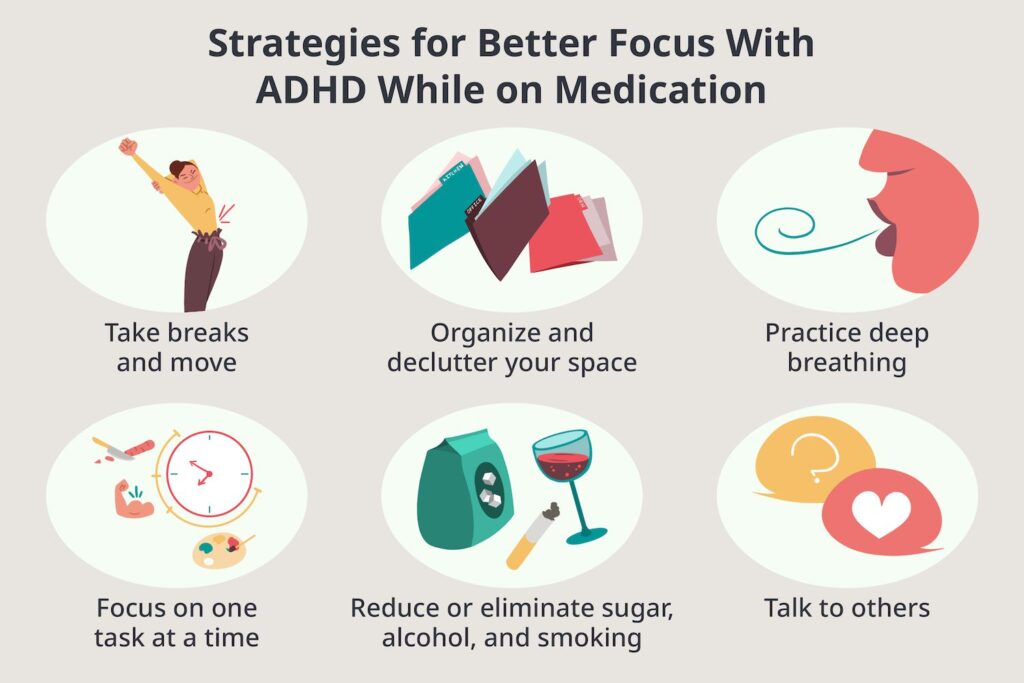
Individuals with ADHD often struggle with organization and time management. Applying effective organization techniques can make a significant difference. Use tools such as color-coded folders, labels, or bins to keep belongings and materials organized. Break larger tasks into smaller, manageable steps to prevent overwhelm and promote productivity.
Using visual aids and reminders
Visual aids and reminders can be powerful tools for individuals with ADHD to stay organized and manage time efficiently. Utilize calendars, planners, or smartphone apps to help keep track of deadlines, appointments, and activities. Setting alarms or timers can help individuals transition between tasks and manage time effectively.
Developing prioritization skills
Prioritization is a valuable skill for individuals with ADHD to learn. Teach your child how to prioritize tasks by determining urgency, importance, and deadlines. Encourage them to start with the most challenging or important task first and break it down into smaller steps if needed. Practice time estimation to allocate appropriate amounts of time for different activities.

Time management strategies
Improving time management skills is crucial for individuals with ADHD. Implement strategies such as setting realistic goals, breaking large tasks into manageable chunks, and utilizing visual schedules or checklists. Encourage the use of time-blocking techniques, where specific time periods are designated for particular activities, allowing for better time allocation and task completion.
Healthy Lifestyle Habits
Importance of regular exercise
Regular exercise offers numerous benefits for individuals with ADHD. Physical activity helps to release excess energy, improve focus, reduce impulsivity, and enhance overall well-being. Engage your child in activities they enjoy, such as sports, dance, or martial arts, to incorporate exercise into their daily routine. Encourage outdoor play and limit sedentary screen time to promote an active lifestyle.
Nutrition and ADHD
While there is no specific ADHD diet, proper nutrition plays a role in managing symptoms. A balanced diet rich in nutrient-dense foods can support overall brain health and enhance cognitive function. Encourage regular meals, including fruits, vegetables, whole grains, and lean proteins. Minimize the consumption of processed foods, sugary snacks, and drinks high in artificial additives.
Getting adequate sleep
Adequate sleep is essential for individuals with ADHD, as it helps regulate mood, attention, and overall cognitive functioning. Establish a consistent bedtime routine that includes relaxation techniques, such as reading or listening to calming music. Ensure a conducive sleep environment by minimizing noise and light distractions. Encourage sufficient sleep duration based on age recommendations.
Stress management techniques
Managing stress is crucial for individuals with ADHD, as stress can exacerbate symptoms. Teach stress management techniques such as deep breathing exercises, mindfulness, or engaging in hobbies or activities that promote relaxation. Encourage open communication about stressors and provide a supportive space for your child to express their emotions.
Supportive Therapies
Cognitive Behavioral Therapy (CBT)
Cognitive-behavioral therapy (CBT) is a type of therapy that focuses on identifying and changing negative thought patterns and behaviors. It can help individuals with ADHD develop coping strategies, improve time management skills, and address challenges related to self-esteem or emotional regulation. CBT can be a valuable tool in assisting individuals with ADHD in managing their symptoms and developing a positive mindset.
Social skills training
Social skills training can be beneficial for individuals with ADHD, as they may face challenges in social interactions and maintaining relationships. This form of therapy focuses on teaching appropriate social behaviors, communication skills, empathy, and problem-solving strategies. Social skills training can enhance self-confidence, reduce social anxiety, and improve overall social functioning.
Mindfulness and relaxation techniques
Practicing mindfulness and relaxation techniques can help individuals with ADHD reduce stress, improve focus, and increase self-awareness. Mindfulness involves paying attention to the present moment without judgment, while relaxation techniques can include deep breathing exercises, progressive muscle relaxation, or guided imagery. These techniques can be incorporated into daily routines to promote emotional well-being.
Creating a Support Network
Connecting with other parents and individuals with ADHD
Connecting with other parents and individuals who have experience with ADHD can provide valuable support and resources. Online forums, local support groups, or parent-led organizations can be excellent platforms for sharing experiences, obtaining advice, and finding a sense of community. By connecting with others who understand the challenges of ADHD, you can gain perspective and learn practical strategies from their experiences.
Joining support groups
Joining a support group specifically tailored for individuals with ADHD or their parents can provide a supportive environment where individuals can discuss their experiences openly. Support groups offer an opportunity to share strategies, resources, and emotional support. Foster connections with individuals who can relate to your challenges and provide encouragement along your ADHD journey.
Seeking professional assistance and counseling
In addition to support groups, seeking professional assistance and counseling can be beneficial for individuals with ADHD and their families. Mental health professionals can offer guidance, therapeutic interventions, and coping strategies specifically tailored to the unique needs of individuals with ADHD. Seeking therapy can provide a safe and non-judgmental space to explore challenges and develop personalized strategies for managing ADHD effectively.
Understanding ADHD is essential for effectively managing and supporting individuals with this condition. By addressing the various aspects of ADHD, from its definition and types to its causes and symptoms, individuals and their support networks can implement strategies to manage the challenges that ADHD presents. With a combination of medical treatment options, behavioral strategies, educational support, parenting techniques, organization and time management skills, healthy lifestyle habits, supportive therapies, and a strong support network, individuals with ADHD can thrive and reach their full potential. Remember, by being proactive and embracing a comprehensive approach, you can create a positive and supportive environment that empowers individuals with ADHD to succeed and lead fulfilling lives.
Watch This Video Below
Related Terms About Managing ADHD
Adhd Dealing With Uncertainty, Adhd Management Consulting, Adhd Management Online, Adhd Management Racgp, Adhd Management Rch, Adhd Management Resources, Adhd Management Techniques For Adults, Adhd Management Tools, Adhd Management Tools Adults, Adhd Management Uk