
Have you ever experienced a sudden racing or fluttering sensation in your chest? If so, you may have encountered a condition known as atrial fibrillation. Atrial fibrillation, also referred to as AFib, is a common heart rhythm disorder that affects millions of people worldwide. In this article, we will explore the causes, symptoms, and treatment options for AFib, allowing you to better understand this condition and how it can impact your life. So, let’s embark on a journey to gain a deeper insight into the world of atrial fibrillation.
What is Atrial Fibrillation?
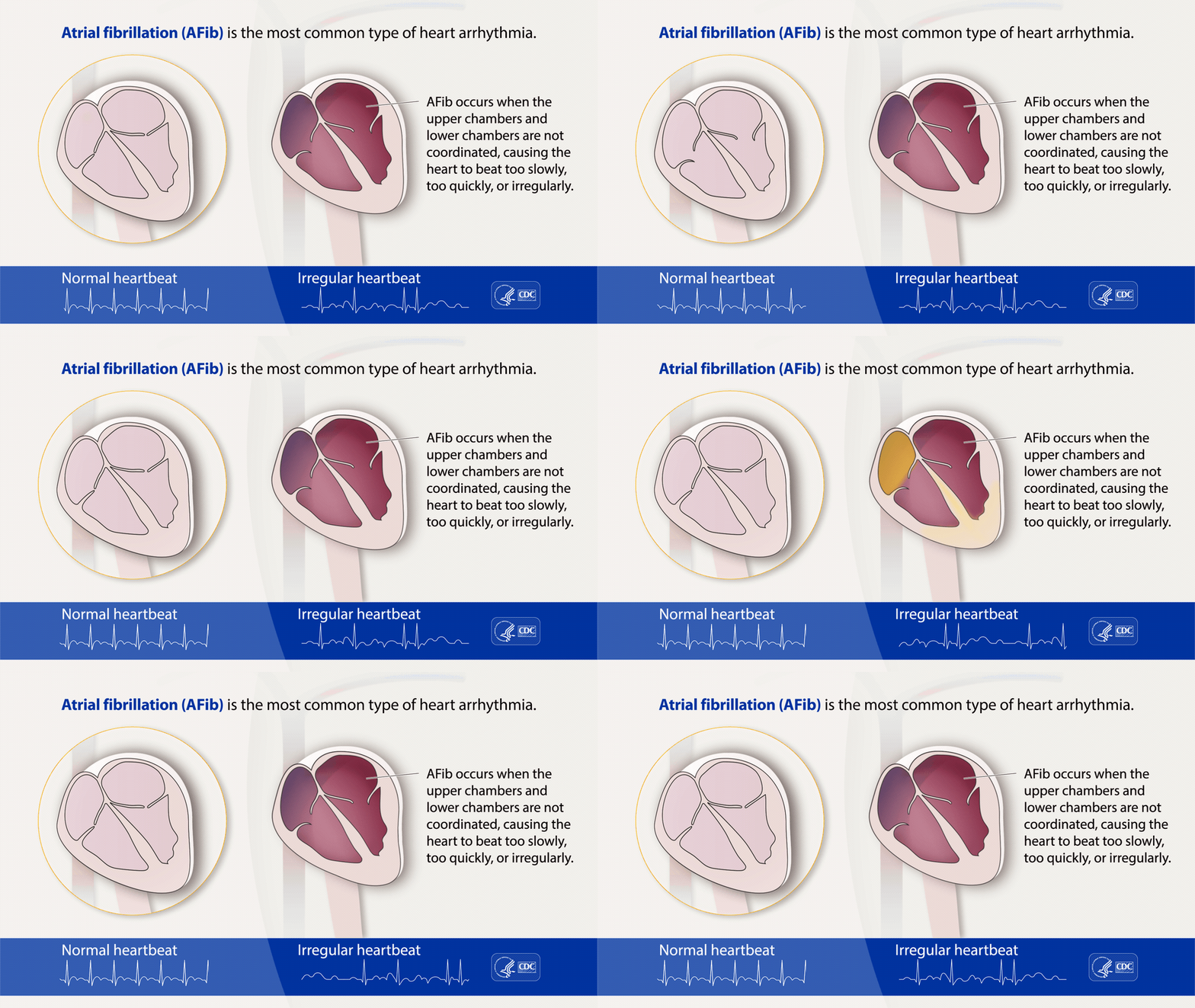
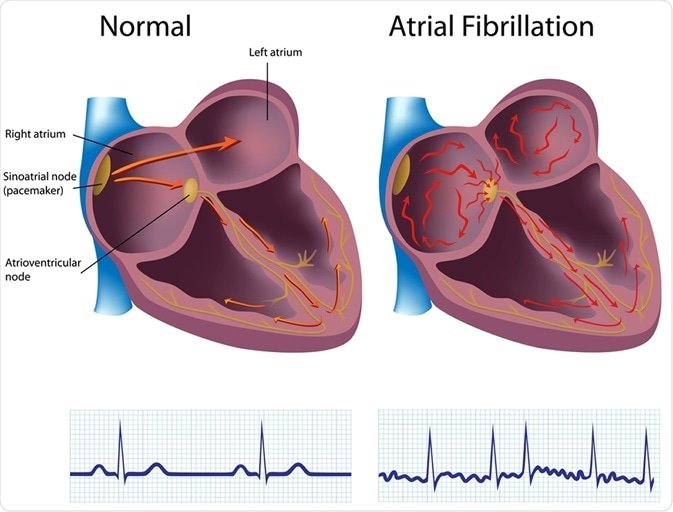
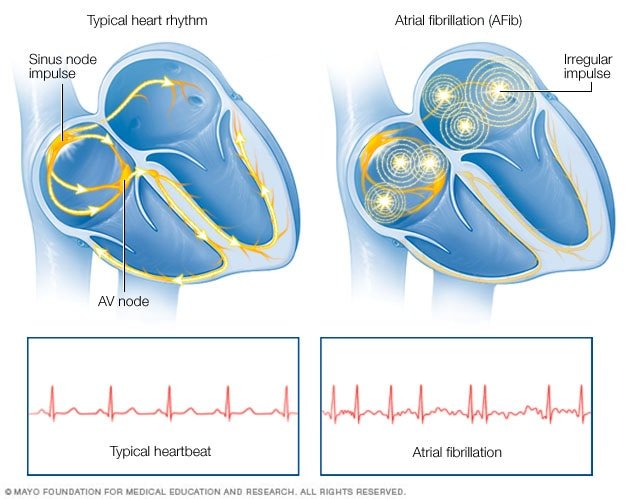
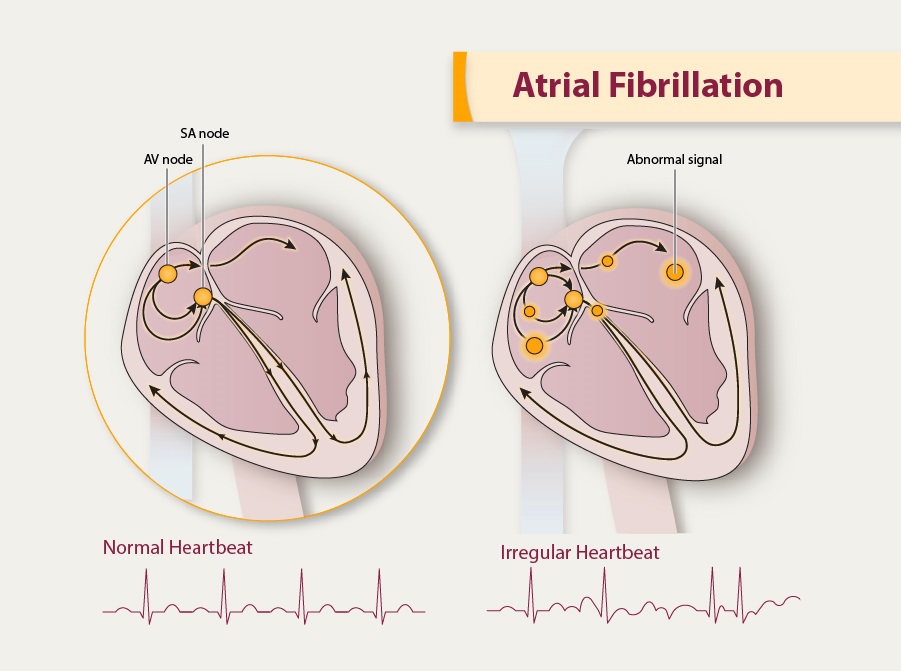
Atrial Fibrillation (AFib) is a common heart condition that affects millions of people worldwide. It occurs when the electrical signals in the upper chambers of the heart, called the atria, become chaotic and irregular. In a normal heart rhythm, the atria contract rhythmically, allowing blood to flow into the ventricles. However, in AFib, the atria quiver instead of contracting properly, leading to an irregular heartbeat.
Definition of Atrial Fibrillation
Atrial Fibrillation is defined as an abnormal heart rhythm characterized by rapid and irregular electrical signals in the atria. It can range from occasional, brief episodes to a persistent and ongoing condition. The irregular electrical signals cause the atria to beat out of sync with the ventricles, which can lead to a variety of symptoms and complications.
Causes of Atrial Fibrillation
There are several factors that can contribute to the development of Atrial Fibrillation. Some common causes include:
- Age: AFib becomes more common with age, and the risk increases significantly after the age of 60.
- High blood pressure: Uncontrolled high blood pressure can put strain on the heart, increasing the likelihood of developing AFib.
- Heart conditions: People with pre-existing heart conditions, such as heart valve problems, congenital heart defects, or a history of heart attack, are at a higher risk of developing AFib.
- Thyroid problems: Thyroid disorders, especially an overactive thyroid, can disrupt the normal heart rhythm.
- Chronic conditions: Chronic lung disease, sleep apnea, diabetes, and obesity are all associated with an increased risk of AFib.
- Lifestyle factors: Excessive alcohol consumption, smoking, drug abuse, and high levels of stress can contribute to the development of AFib.
Types of Atrial Fibrillation
Paroxysmal Atrial Fibrillation
Paroxysmal AFib is characterized by episodes of irregular heart rhythm that start suddenly and resolve on their own within 7 days. These episodes can be recurrent and unpredictable, occurring for minutes, hours, or even days at a time. While the episodes are self-terminating, it is essential to seek medical attention as they can increase the risk of stroke and other complications.
Persistent Atrial Fibrillation
Persistent AFib refers to a sustained irregular heartbeat lasting longer than 7 days. In this type of AFib, the abnormal heart rhythm does not return to normal spontaneously and requires medical intervention to restore normal rhythm. Treatment options may include medications, electrical cardioversion, or catheter ablation.
Long-standing Persistent Atrial Fibrillation
Long-standing persistent AFib is diagnosed when the abnormal heart rhythm lasts for more than 12 months and does not respond to treatment attempts to restore a normal rhythm. It is a challenging form of AFib to manage, and treatment options generally focus on managing symptoms and preventing complications.
Permanent Atrial Fibrillation
Permanent AFib occurs when attempts to restore a normal heart rhythm are unsuccessful, or healthcare professionals decide to stop attempting further cardioversion. In this type of AFib, the abnormal rhythm becomes a permanent condition, and treatment focuses on managing symptoms and preventing complications rather than restoring a normal rhythm.
Signs and Symptoms of Atrial Fibrillation
Recognizing the signs and symptoms of AFib is crucial for early diagnosis and treatment. These symptoms may vary from person to person and can include:
Irregular Heartbeat
One of the most common symptoms of AFib is an irregular heartbeat. Instead of a consistent and regular rhythm, you may notice that your heart is beating irregularly, with a quivering or fluttering sensation.
Heart Palpitations
Heart palpitations, or a feeling that your heart is pounding or racing, can be a significant symptom of AFib. You may experience this sensation even at rest or during normal activities.
Fatigue and Weakness
AFib can cause you to feel tired and weak, even with minimal physical exertion. This fatigue can significantly impact your quality of life and ability to perform daily activities.
Shortness of Breath
Difficulty breathing or feeling short of breath, especially during physical activity or lying flat, is another common symptom of AFib. This can be due to inadequate blood flow to the body or fluid accumulation in the lungs.
Chest Pain or Discomfort
Chest pain or discomfort can occur in some individuals with AFib. It may feel like pressure or tightness in the chest and can be mistaken for a heart attack. It is important to seek medical attention if you experience any chest pain.
Dizziness or Lightheadedness
Feeling dizzy or lightheaded, especially when you stand up quickly, can be a symptom of AFib. This can be caused by a decrease in blood flow to the brain due to the irregular heart rhythm.
Diagnosing Atrial Fibrillation
If you suspect you may have AFib, it is essential to consult a healthcare professional for a proper diagnosis. They will use several methods to evaluate your heart rhythm and determine if you have AFib. Some common diagnostic tests include:
Physical Examination
During a physical examination, your healthcare provider will assess your heart rate, listen to your heart sounds, and check for any signs of irregular heart rhythm. They may also ask about your medical history, lifestyle factors, and any symptoms you may be experiencing.
Electrocardiogram (ECG)
An ECG is a non-invasive test that records the electrical signals of your heart. It can detect abnormal heart rhythms and patterns, helping to diagnose AFib. You may be asked to wear a small device that records your heart’s electrical activity over a period of time.
Holter Monitor
A Holter monitor is a portable device that records your heart’s electrical activity continuously over 24-48 hours or longer. It provides a more extended period of monitoring to capture any intermittent irregular heart rhythms that may not show up during a brief ECG.
Event Recorder
An event recorder is a small device that you can carry with you and activate whenever you experience symptoms. When you have symptoms, you press a button to record your heart’s electrical activity. This can help your healthcare provider capture any irregular heart rhythms that occur during specific episodes.
Echocardiogram
An echocardiogram uses sound waves to create images of your heart. It can help assess the structure and function of your heart and identify any underlying conditions that may be contributing to your AFib.
Blood Tests
Blood tests may be performed to check for underlying conditions that may contribute to AFib, such as thyroid problems or electrolyte imbalances. These tests can help your healthcare provider determine the appropriate treatment approach.
Complications of Atrial Fibrillation
If left untreated or poorly managed, AFib can lead to several complications that can significantly impact your health. It is important to be aware of these potential complications and seek appropriate treatment to reduce the risks. Some common complications of AFib include:
Stroke
AFib increases the risk of blood clots forming in the heart, which can then travel to the brain and cause a stroke. The risk of stroke is significantly higher in individuals with AFib, and appropriate medication or procedures may be prescribed to reduce this risk.
Heart Failure
The irregular heart rhythm in AFib can weaken the heart over time, leading to heart failure. Heart failure occurs when the heart is unable to pump enough blood to meet the body’s needs, causing symptoms such as shortness of breath, fatigue, and fluid retention.
Blood Clots
As mentioned earlier, AFib can lead to the formation of blood clots. These clots can travel to different parts of the body, potentially causing blockages and disruptions in blood flow. This can lead to serious complications, such as deep vein thrombosis (DVT) or pulmonary embolism.
Cardiac Arrest
In severe cases of AFib, the rapid and irregular heartbeat can disrupt the heart’s normal electrical system, leading to a condition called ventricular fibrillation. Ventricular fibrillation is a life-threatening emergency that causes the heart to quiver instead of effectively pumping blood. Immediate medical intervention, such as cardio-pulmonary resuscitation (CPR) and defibrillation, is necessary to restore a normal heart rhythm.
Treatment Options for Atrial Fibrillation
Treatment for AFib aims to control the irregular heart rhythm, manage symptoms, prevent complications, and improve your quality of life. The specific treatment approach will depend on the type and severity of your AFib, as well as your overall health condition. Some common treatment options for AFib include:
Medications
Medications may be prescribed to regulate your heart rate and rhythm, thin the blood to reduce the risk of blood clots, or manage other underlying conditions that may be contributing to your AFib. It is important to take your medications as prescribed and follow up with your healthcare provider regularly.
Electrical Cardioversion
Electrical cardioversion is a procedure where an electrical shock is delivered to the heart to restore a normal rhythm. It is usually performed under sedation or anesthesia and can be an effective method for converting AFib back to a normal rhythm.
Catheter Ablation
Catheter ablation is a minimally invasive procedure that aims to restore a normal heart rhythm by selectively destroying or isolating the areas of the heart that are causing the abnormal electrical signals. This procedure uses a catheter inserted through a blood vessel to reach the heart and deliver controlled energy to the targeted areas.
Pacemaker Implantation
A pacemaker is a small device that is implanted under the skin, usually in the chest. It helps to regulate your heart rate and rhythm by sending electrical signals to the heart when needed. In some cases of AFib, a pacemaker may be implanted to help control the heart rhythm.
Surgical Maze Procedure
The surgical maze procedure is a surgical approach to treat AFib. It involves creating a series of precisely placed scar lines on the heart, which can redirect the abnormal electrical signals and restore a normal rhythm. This procedure is generally performed during open-heart surgery, and its effectiveness depends on the individual’s specific case.

Lifestyle Modifications for Atrial Fibrillation
In addition to medical treatments, certain lifestyle modifications can help manage your AFib and reduce the frequency and severity of symptoms. Making positive changes to your daily routine can have a significant impact on your overall health and well-being. Some lifestyle modifications that may benefit individuals with AFib include:
Avoiding Triggers
Identifying and avoiding triggers that may worsen your AFib episodes can be helpful. Common triggers include excessive alcohol consumption, caffeine, certain medications or supplements, stress, and lack of sleep. Keeping track of your symptoms and triggers in a journal can assist you in identifying patterns and making proactive adjustments.
Managing Stress
Stress can exacerbate AFib symptoms, so finding healthy ways to manage stress is crucial. Engaging in relaxation techniques such as deep breathing exercises, meditation, yoga, or pursuing hobbies and activities you enjoy can help reduce stress levels and promote overall well-being.
Exercising Regularly
Regular exercise is beneficial for cardiovascular health and can help manage AFib symptoms. It is important to engage in activities that are suitable for your individual fitness level, such as walking, swimming, cycling, or low-impact aerobics. Consult your healthcare provider to determine the appropriate level of exercise for your specific case.
Maintaining a Healthy Diet
Following a heart-healthy diet can support overall heart health and help manage AFib. This includes consuming a balanced diet rich in fruits, vegetables, lean proteins, whole grains, and healthy fats while limiting processed foods, saturated fats, and added sugars. It is also important to monitor your sodium intake, as excessive salt can contribute to high blood pressure.
Limiting Alcohol and Caffeine
Alcohol and caffeine are known triggers for AFib episodes in some individuals. It is recommended to limit or avoid alcohol and caffeine consumption, especially if you notice a correlation between their intake and symptom flare-ups. Be aware of hidden sources of caffeine, such as chocolate and certain medications.
Quitting Smoking
Smoking is detrimental to heart health and can worsen AFib symptoms. Quitting smoking is one of the most important lifestyle changes you can make to improve your overall health and well-being. Seek support from healthcare professionals or support groups to successfully quit smoking.
Preventing Atrial Fibrillation
While it may not always be possible to prevent AFib, there are measures you can take to reduce your risk and promote heart health. Some preventive strategies include:
Treating Underlying Conditions
Managing and treating underlying conditions, such as high blood pressure, diabetes, and thyroid disorders, is essential in reducing the risk of AFib. Regularly monitor these conditions and adhere to the treatment plan prescribed by your healthcare provider.
Controlling High Blood Pressure
High blood pressure can strain the heart and contribute to the development of AFib. Adopting a heart-healthy lifestyle, taking medications as prescribed, and regularly monitoring your blood pressure can help control hypertension and reduce the risk of AFib.
Managing Diabetes
Diabetes is associated with an increased risk of AFib. Proper management of blood sugar levels through lifestyle modifications, medications, and regular medical care can help reduce this risk and promote better heart health.
Maintaining a Healthy Weight
Maintaining a healthy weight is crucial for overall health and well-being, including heart health. Aim to achieve and maintain a body mass index (BMI) within the recommended range for your height and frame. Speak to your healthcare provider for guidance on achieving a healthy weight.
Regular Medical Check-ups
Regular medical check-ups and screenings are important for early detection and management of any underlying conditions that may contribute to AFib. Routine monitoring of your heart health, blood pressure, blood sugar levels, and cholesterol levels can help identify any changes or issues early on.
Living with Atrial Fibrillation
Living with AFib can be challenging, but with proper management and support, you can lead a fulfilling life. Here are some strategies to help you navigate life with AFib:
Understanding the Condition
Educate yourself about AFib, its symptoms, risks, and treatment options. The more you understand about your condition, the better equipped you will be to manage it effectively.
Monitoring Heart Rate and Rhythm
Regularly monitor your heart rate and rhythm, as directed by your healthcare provider. This can help you identify any changes or irregularities and enable timely intervention.
Managing Medications
Take your medications as prescribed, and follow up regularly with your healthcare provider. It is important to understand why you are taking each medication and any potential side effects.
Recognizing and Responding to Symptoms
Be attentive to your body and recognize any symptoms or changes in your symptoms. If you experience new or worsening symptoms, reach out to your healthcare provider promptly for guidance.
Seeking Emotional Support
Living with a chronic condition like AFib can be emotionally challenging. Seek support from friends, family, or support groups to share your concerns, experiences, and coping strategies. Don’t hesitate to seek professional help if needed.
Leading a Healthy Lifestyle
Adopting a healthy lifestyle that includes regular exercise, a balanced diet, stress management, and avoidance of known triggers can significantly improve your overall well-being. Make conscious choices to prioritize your health and listen to your body’s needs.
Conclusion
Atrial Fibrillation is a prevalent heart condition that affects many individuals worldwide. While it can be challenging to live with AFib, timely diagnosis, treatment, and lifestyle modifications can significantly improve your quality of life. By understanding the condition, following medical advice, and making positive changes to your lifestyle, you can reduce symptoms, manage complications, and find hope for a better quality of life. Remember to consult your healthcare provider for personalized guidance and support throughout your AFib journey.