
In this article, you’ll discover effective strategies for supporting children with ADHD (Attention Deficit Hyperactivity Disorder). With the increasing number of children diagnosed with ADHD, it’s crucial to understand the unique challenges they face and how we can provide them with the support they need to thrive. From creating structured routines to implementing tailored educational approaches, these practical tips will empower you to make a positive difference in the lives of children with ADHD. So, let’s jump in and explore the world of supporting these remarkable children together!
Understanding ADHD
What is ADHD?
ADHD is a neurodevelopmental disorder that affects both children and adults. It is characterized by a persistent pattern of inattention, hyperactivity, and impulsivity that can impact various aspects of daily life. Individuals with ADHD may struggle with focusing on tasks, organizing and prioritizing, regulating their impulses, and maintaining attention. It is important to understand that ADHD is not just a result of laziness or lack of discipline; it is a legitimate medical condition.
Prevalence of ADHD
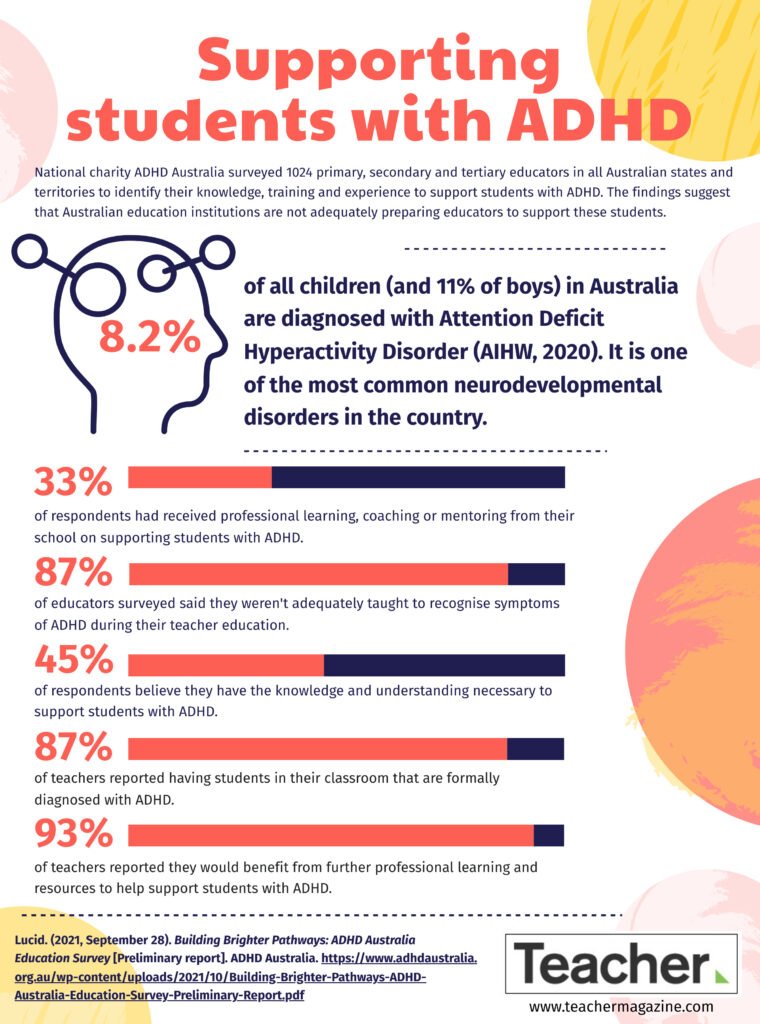
ADHD is one of the most prevalent childhood disorders, with estimates suggesting that around 8-10% of children and adolescents worldwide have ADHD. It is important to note that ADHD can continue into adulthood, and studies suggest that 4-5% of adults may have ADHD. While the exact causes of ADHD are still being studied, research suggests that genetics, brain structure and function, and environmental factors may all play a role in the development of the disorder.
Signs and symptoms of ADHD
The signs and symptoms of ADHD may vary from person to person, but they generally fall under three categories: inattention, hyperactivity, and impulsivity. Inattention may manifest as difficulty paying attention to details, being easily distracted, forgetfulness, and difficulty organizing tasks. Hyperactivity may be seen as constant fidgeting, difficulty remaining still or seated, and excessive talking. Impulsivity may manifest as difficulty waiting for turns, blurting out answers, and interrupting others. It is important to remember that not everyone with ADHD will exhibit all of these symptoms, and they may manifest differently depending on age and individual differences.
Diagnosis and Assessment
The process of diagnosing ADHD
Diagnosing ADHD involves a comprehensive evaluation by a healthcare professional, such as a psychiatrist or psychologist who specializes in ADHD. The evaluation typically includes a thorough assessment of the individual’s medical and psychiatric history, as well as interviews with the individual and their parents or caregivers. In order to meet the diagnostic criteria, the symptoms must be present in multiple settings, such as home and school, and must significantly impair the individual’s daily functioning.
Importance of seeking professional help
Seeking professional help is crucial when it comes to ADHD diagnosis. Professionals have the knowledge and expertise to accurately identify and differentiate ADHD from other conditions that may present with similar symptoms. They can also provide guidance on appropriate treatment options and interventions tailored to the individual’s specific needs. Early diagnosis and intervention can greatly improve the individual’s quality of life and pave the way for better academic, social, and emotional outcomes.
Common assessment tools used for ADHD diagnosis
There are several assessment tools commonly used in diagnosing ADHD. These tools include rating scales, behavior checklists, and neuropsychological tests. Rating scales and behavior checklists involve gathering information from parents, teachers, and sometimes the individual themselves to assess the severity and frequency of ADHD symptoms. Neuropsychological tests assess cognitive abilities such as attention, memory, and impulse control. These assessment tools help professionals gather a comprehensive picture of the individual’s symptoms and functioning.
Treatment Approaches for ADHD
Medication
Medication is a common treatment approach for managing ADHD symptoms. Stimulant medications, such as methylphenidate (Ritalin) and amphetamine (Adderall), are often prescribed to help improve attention, reduce hyperactivity, and control impulsive behavior. Non-stimulant medications, such as atomoxetine (Strattera), may be used for individuals who do not respond well to stimulants or have certain medical conditions. Medication should always be prescribed and monitored by a healthcare professional, as they can best determine the appropriate dosage and monitor any potential side effects.
Behavioral therapy
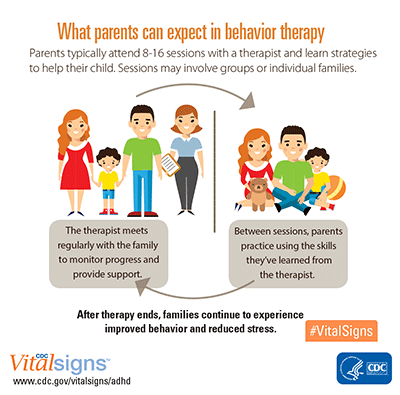
Behavioral therapy, also known as behavior modification or behavior management, is another important component of ADHD treatment. This type of therapy focuses on teaching individuals specific skills and strategies to improve their behavior and manage their symptoms more effectively. Behavioral therapy can include techniques such as token systems, where desirable behaviors are rewarded, and behavior contracts, which outline specific expectations and consequences. It can be delivered individually or in group settings and can involve the participation of parents or caregivers.
Parent and teacher training
Parent and teacher training programs are designed to equip parents and teachers with knowledge and skills to support children with ADHD. These programs help parents and teachers understand the nature of ADHD and provide them with practical strategies to manage behavior, create structured environments, and implement effective discipline techniques. By enhancing their understanding of ADHD and learning evidence-based techniques, parents and teachers can create a supportive environment that fosters the child’s academic and social success.
Alternative and complementary treatments
In addition to medication and behavioral therapy, alternative and complementary treatments may also be considered as part of a holistic approach to managing ADHD. These treatments include dietary changes, such as eliminating certain food additives, nutritional supplements, mindfulness practices, and neurofeedback. It is important to note that the effectiveness of these treatments varies and may not have robust scientific evidence to support their use. It is always advisable to consult with a healthcare professional before implementing any alternative or complementary treatments.
Creating a Supportive Environment
Establishing routines and structure
Creating a supportive environment for individuals with ADHD begins with establishing daily routines and structures. Routines help provide predictability and stability, which can be particularly beneficial for individuals with ADHD who often struggle with transitions and time management. By setting consistent wake-up and bedtime routines, meal times, and designated study or work hours, individuals with ADHD can better anticipate what is expected of them and develop a sense of order and control in their lives.
Reducing distractions
Minimizing distractions is essential for individuals with ADHD to stay focused and productive. Strategies to reduce distractions may include creating a quiet and clutter-free workspace, using noise-canceling headphones, or implementing visual cues and timers to help with time management. Additionally, it is important to limit access to electronic devices and establish rules around screen time to prevent excessive distractions from technology.
Providing clear and consistent expectations
Clear and consistent expectations help individuals with ADHD understand what is expected of them and reduce the likelihood of confusion or misunderstandings. Clearly communicating rules, instructions, and consequences ensures that individuals with ADHD have a clear understanding of the boundaries and guidelines they need to follow. Consistency is also key, as it helps maintain predictability and reinforces expectations over time.
Encouraging positive reinforcement
Positive reinforcement involves recognizing and praising desired behaviors to increase the likelihood of their recurrence. For individuals with ADHD, who often experience challenges and setbacks, positive reinforcement can be a powerful tool for motivation and building self-esteem. Recognizing and celebrating achievements, both big and small, can help individuals with ADHD feel valued and motivated to continue their efforts.
Education and Classroom Strategies
Individualized Education Programs (IEPs)
Individualized Education Programs (IEPs) are formal plans developed for students with disabilities, including ADHD, to ensure that they receive appropriate educational support and accommodations. IEPs outline goals, specific accommodations, and support services tailored to the individual’s needs. It is important for parents, teachers, and other professionals to collaborate to create and implement effective IEPs that address the unique challenges and strengths of the student with ADHD.
Accommodations and modifications
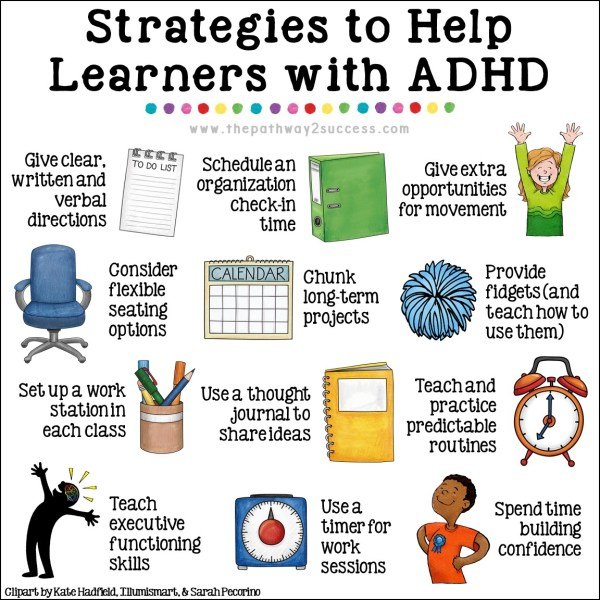
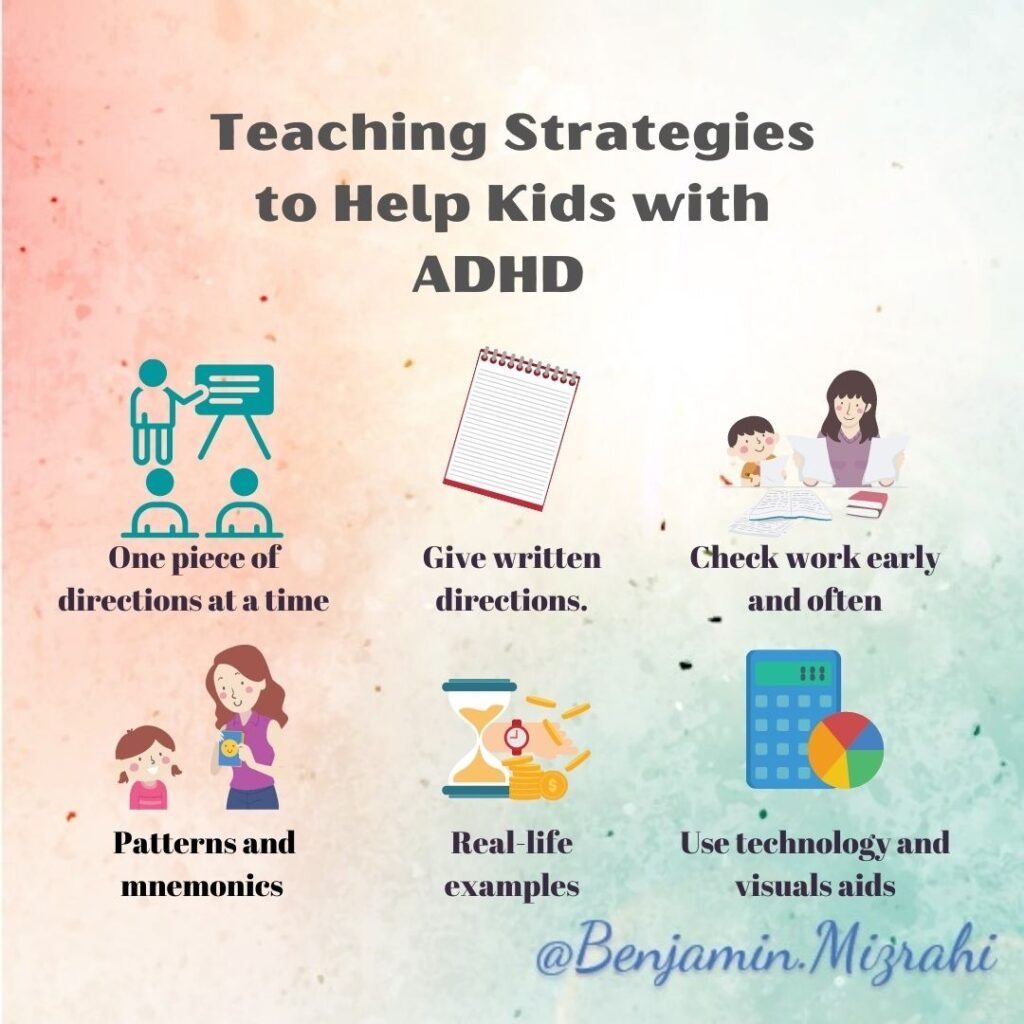
Accommodations and modifications are strategies implemented within the classroom setting to support students with ADHD. Accommodations may include extended time for assignments or tests, preferential seating, and breaking tasks into smaller steps. Modifications involve adjusting the curriculum or expectations to meet the individual’s specific needs. These accommodations and modifications aim to level the playing field and create an inclusive learning environment that supports the academic success of students with ADHD.
Inclusive classroom practices
Creating an inclusive classroom environment involves fostering a sense of belonging, acceptance, and support for all students, including those with ADHD. Inclusive practices can include promoting peer interactions and collaboration, providing opportunities for movement and physical activity, and implementing multi-sensory teaching methods that cater to different learning styles. By embracing diversity and adapting teaching strategies to accommodate various needs, educators can create an inclusive classroom that benefits all students.
Managing Behavior Challenges
Developing a behavior management plan
Developing a behavior management plan involves identifying the specific behaviors that need to be addressed and implementing strategies to encourage desired behaviors and discourage undesired ones. This plan can be developed in collaboration with healthcare professionals, educators, and parents. It may include strategies such as providing clear expectations, setting up a reward system, teaching self-regulation techniques, and implementing consistent consequences. A behavior management plan provides structure and guidance for addressing behavior challenges effectively.
Teaching self-regulation skills
Self-regulation skills are crucial for individuals with ADHD to manage their impulses, emotions, and behavior. Teaching self-regulation skills involves helping individuals develop techniques to monitor, control, and modify their thoughts, feelings, and actions. Some strategies that can be effective include deep breathing exercises, mindfulness practices, and utilizing visual supports, such as visual schedules or cue cards. With practice and support, individuals with ADHD can improve their self-regulation skills and develop more adaptive coping mechanisms.
Implementing rewards and consequences
Positive reinforcement, as well as the implementation of appropriate consequences, plays a significant role in managing behavior challenges for individuals with ADHD. Rewards and consequences should be specific, immediate, and proportionate to the behavior. Rewards can include verbal praise, small privileges, or tangible rewards, while consequences should be logical and related to the behavior. By using a combination of rewards and consequences, individuals with ADHD can learn to connect their actions with outcomes and make more informed choices.

Building Social Skills
Teaching social skills explicitly
Social skills are essential for building and maintaining relationships, but individuals with ADHD may struggle with social interactions due to difficulties with impulsivity, hyperactivity, or inattention. Teaching social skills explicitly involves breaking down social behaviors into specific steps and providing direct instruction, modeling, and practice opportunities. Role-playing, social stories, and cooperative games can also be effective methods for teaching social skills and helping individuals with ADHD learn appropriate social behaviors.
Promoting peer interactions
Promoting peer interactions is crucial for facilitating social inclusion and fostering positive relationships for individuals with ADHD. Teachers and parents can create opportunities for peer interactions through group work, cooperative learning activities, and structured socialization breaks. Encouraging collaboration, empathy, and understanding among peers creates a supportive social environment and provides individuals with ADHD with opportunities to connect and learn from their peers.
Supporting friendships
Supporting the development of friendships for individuals with ADHD is important for their social and emotional well-being. Educators and parents can help facilitate friendships by providing opportunities for socializing outside the classroom, such as organizing playdates or engaging in extracurricular activities where individuals can share common interests. Teaching conflict resolution skills and empathy can also help individuals with ADHD navigate social challenges and cultivate meaningful friendships.
Supporting Emotional Well-being
Identifying and managing co-occurring conditions
Individuals with ADHD often have higher rates of co-occurring conditions such as anxiety, depression, or learning disabilities. Identifying and managing these co-occurring conditions is crucial for supporting the emotional well-being of individuals with ADHD. Collaborating with healthcare professionals to develop a comprehensive treatment plan that addresses all the individual’s needs is essential. Treatment may involve a combination of therapy, medication, and educational support tailored to address the specific co-occurring conditions.
Teaching coping strategies
Teaching coping strategies empowers individuals with ADHD to manage stress, regulate emotions, and navigate challenging situations. Coping strategies can include deep breathing exercises, practicing mindfulness and relaxation techniques, engaging in physical activity, or journaling. By providing individuals with a toolbox of effective coping strategies, they can develop resilience, self-awareness, and the ability to effectively manage their emotions and responses.
Promoting self-esteem and self-advocacy
Building self-esteem is vital for individuals with ADHD to develop a positive sense of self-worth and confidence. Encouraging their strengths, celebrating their achievements, and providing opportunities for success can contribute to healthy self-esteem. Additionally, promoting self-advocacy skills empowers individuals with ADHD to express their needs, ask for support, and advocate for themselves. These skills are invaluable in helping individuals with ADHD navigate various environments and access the resources and accommodations they require.
Engaging Parents and Caregivers
Providing information and resources
Engaging parents and caregivers involves providing them with access to reliable information, resources, and educational materials about ADHD. This information can help parents better understand the challenges associated with ADHD and equip them with strategies to support their child effectively. Resources such as books, websites, support groups, and workshops can offer valuable insights and practical guidance to parents and caregivers.
Offering support groups and workshops
Support groups and workshops specifically tailored to parents and caregivers of children with ADHD can be incredibly beneficial. These forums provide an opportunity to connect with others who are going through similar experiences, share advice and strategies, and receive emotional support. Workshops led by professionals can also offer practical tips and strategies for managing ADHD symptoms, improving communication, and enhancing parenting skills.
Collaborating with parents in the treatment plan
Collaboration between healthcare professionals, educators, and parents is essential in ensuring the most effective treatment and support for individuals with ADHD. By involving parents in the treatment plan, professionals can gain valuable insights into the child’s strengths, challenges, and preferences. Parents can provide important information about their child’s behavior and response to interventions, which can help guide treatment decisions and interventions to better meet the child’s individual needs.
School-Home Collaboration
Open communication between teachers and parents
Establishing open and regular communication between teachers and parents is key to creating a collaborative and supportive educational environment. Teachers and parents can share information about the child’s progress, challenges, and any changes in behavior or medication. An open dialogue helps ensure consistency between home and school, fosters a sense of partnership, and allows for early problem identification and intervention.
Sharing strategies and progress updates
Sharing strategies and progress updates between home and school is crucial in providing consistent support and maximizing the child’s progress. Teachers can inform parents about strategies implemented in the classroom that have proven effective, while parents can share insights about what strategies have worked well at home. Regular progress updates help both parties stay informed about the child’s academic and behavioral performance and make any necessary adjustments to support their needs.
Addressing challenges together
Challenges may arise when supporting a child with ADHD, and addressing these challenges collaboratively is essential. By working together, teachers and parents can identify potential triggers, develop strategies to address specific challenges and adjust interventions as needed. Maintaining a problem-solving mindset and a shared goal of supporting the child’s success can lead to better outcomes and a more positive educational experience for the child.
Understanding ADHD involves recognizing its symptoms, seeking professional help for diagnosis and assessment, considering various treatment approaches, and creating a supportive environment that addresses the challenges associated with ADHD. Education and classroom strategies, behavior management techniques, building social skills, supporting emotional well-being, and engaging parents and caregivers are all integral components in providing the necessary support for individuals with ADHD. With the right support and interventions in place, individuals with ADHD can thrive academically, socially, and emotionally.
Watch This Video Below
Related Terms About Supporting Children with ADHD
How Can I Support My Child With Adhd, How To Support A Child With Adhd In Childcare, How To Support Your Adhd Child, How To Work With Adhd Child, Supporting A Child With Adhd At Home, Supporting A Child With Adhd In Class, Supporting A Child With Adhd In School, Supporting A Child With Adhd In The Classroom, Supporting A Child With Adhd In The Classroom Uk, Supporting Pupils With Adhd In The Classroom