
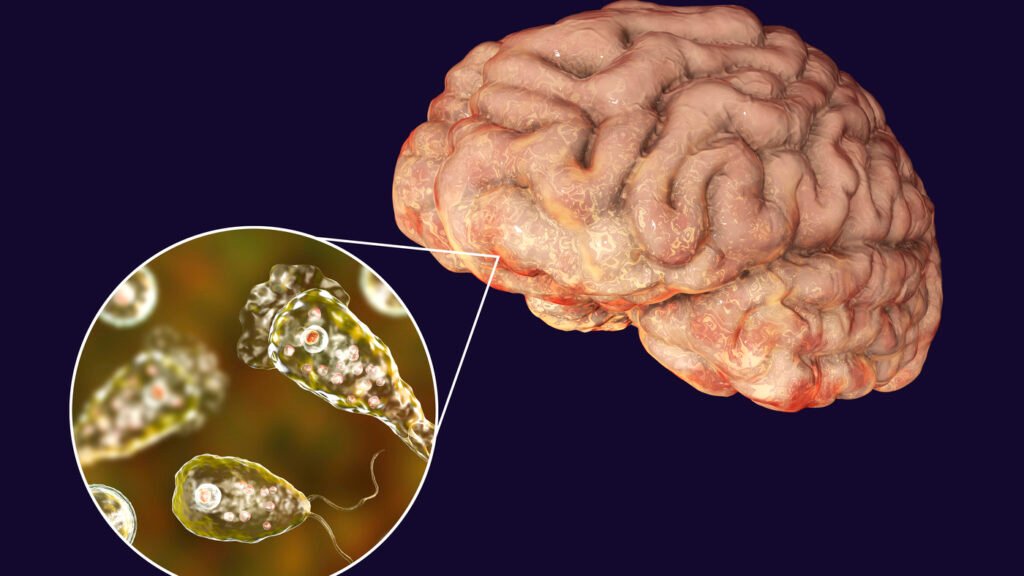
Imagine the shock and horror of discovering that a tiny creature has infiltrated your brain, causing irreversible damage. This nightmare scenario is a reality for those unfortunate enough to encounter the brain-eating amoeba. These microscopic parasites lurk in warm freshwater environments and, once they enter the human body, they swiftly attack the brain, leading to severe and often fatal consequences. In this article, we will explore the devastating impact of brain-eating amoebas on their unfortunate hosts and the urgent need for preventative measures to combat this deadly threat.
Symptoms of Brain-Eating Amoeba Infection
The symptoms of brain-eating amoeba infection can be categorized into early symptoms and advanced symptoms.
Early Symptoms
Initially, the early symptoms of brain-eating amoeba infection may be mild and vague, often resembling symptoms of other common illnesses. These symptoms may include headache, fever, nausea, vomiting, and a stiff neck. You may also experience a loss of appetite and changes in your sense of smell or taste. It is important to note that these early symptoms can easily be mistaken for other less severe conditions, making it crucial to seek medical attention if you suspect an infection.
Advanced Symptoms
As the infection progresses, more severe symptoms may develop. These advanced symptoms can include seizures, confusion, hallucinations, and even a loss of consciousness. You may also experience severe headaches, dizziness, and sensitivity to light. In some cases, there may be signs of neurological damage such as difficulty speaking or moving, as well as changes in mood or behavior. It is vital to recognize and seek prompt medical care if you experience any of these advanced symptoms, as early intervention is crucial for better outcomes.
Risk Factors for Brain-Eating Amoeba Infection
Certain factors can increase your risk of contracting a brain-eating amoeba infection. Understanding these risk factors can help you take necessary precautions to protect yourself and your loved ones.
Geographical Location
The geographical location plays a significant role in your risk of developing a brain-eating amoeba infection. These amoebas are commonly found in warm freshwater environments, such as lakes, rivers, and hot springs. Regions with higher temperatures and stagnant water are more prone to these infections. It is important to be aware of the prevalence of brain-eating amoebas in your area and take appropriate preventive measures.
Water Activities
Engaging in water activities, such as swimming, diving, or water sports, increases your risk of exposure to brain-eating amoebas. These amoebas can enter through your nose when you come into contact with contaminated water. Activities that involve diving or submerging your head underwater pose a higher risk. It is crucial to take precautions and avoid swimming in warm freshwater bodies that have a history of brain-eating amoeba infections.
Hot Weather
Hot weather conditions create an optimal environment for the growth and multiplication of brain-eating amoebas. As the temperature rises, natural bodies of water, such as lakes or rivers, can become a breeding ground for these amoebas. Moreover, during hot weather, people are more likely to seek relief by swimming in bodies of water, putting them at a higher risk of exposure to contaminated water. It is important to stay informed about the weather conditions and take necessary precautions during hot and humid periods.
Age and Health Conditions
Certain age groups and individuals with certain health conditions are more vulnerable to severe infections caused by brain-eating amoebas. Children, adolescents, and young adults are more susceptible due to their adventurous nature and tendency to participate in water activities. Additionally, individuals with compromised immune systems or underlying health conditions, such as diabetes or liver disease, may have a reduced ability to fight off infections. It is crucial for these individuals to be extra cautious and follow preventive measures diligently.
How Brain-Eating Amoeba Spreads
Understanding how brain-eating amoebas spread is crucial in preventing infections.
Contaminated Water Sources
Brain-eating amoebas primarily thrive in warm freshwater environments. One of the main ways they spread is through contaminated water sources, such as lakes, hot springs, and poorly maintained swimming pools. When these amoebas contaminate these water bodies, individuals who come into contact with the water can be at risk of infection. It is important to be cautious when choosing recreational water sources and ensure they are well-maintained and regularly monitored for amoeba contamination.
Waterborne Transmission
Waterborne transmission refers to the route through which brain-eating amoebas can enter the human body. When an individual submerges their head in contaminated water or allows water to enter their nasal passages forcefully, the amoebas can enter the nasal mucosa. From there, they can travel to the brain, causing the infection. It is essential to be mindful of this potential route of transmission and take appropriate preventive measures, especially during water activities.
Diagnosis of Brain-Eating Amoeba Infection
Prompt and accurate diagnosis of brain-eating amoeba infection is crucial for timely treatment and improved outcomes. There are several methods used to diagnose this infection.
Clinical Symptoms
Clinical symptoms play a significant role in identifying a potential brain-eating amoeba infection. If you exhibit symptoms such as severe headaches, seizures, a stiff neck, and neurological abnormalities, your healthcare provider may suspect a brain-eating amoeba infection. However, it is important to note that clinical symptoms alone may not provide a definitive diagnosis and further tests are required for confirmation.
Cerebrospinal Fluid Testing
To confirm the presence of brain-eating amoebas, a cerebrospinal fluid (CSF) test may be performed. A sample of the CSF, which surrounds the brain and spinal cord, is collected through a procedure called a lumbar puncture. The CSF is then examined under a microscope to detect the presence of amoebas or any other abnormalities. This testing method is crucial for an accurate diagnosis and identifying the specific amoeba species causing the infection.
Imaging Tests
Imaging tests, such as computed tomography (CT) scans or magnetic resonance imaging (MRI), may also be conducted to evaluate the extent of brain damage caused by the infection. These tests can provide valuable information about the location and severity of the infection, helping healthcare professionals make informed decisions about treatment options.

Treatment for Brain-Eating Amoeba Infection
Timely and appropriate treatment is crucial for managing brain-eating amoeba infections. The treatment plan may vary depending on the severity of the infection and individual factors.
Antibiotics
Antibiotics are commonly used as part of the treatment regimen for brain-eating amoeba infections. Although they are not effective against the amoebas themselves, they aim to prevent potential secondary bacterial infections that can occur as a result of the amoeba infection. Antibiotics are often prescribed in combination with other medications.
Antifungal Medications
Antifungal medications may also be included in the treatment plan for brain-eating amoeba infections. These medications target fungal infections that can coexist with the amoeba infection and worsen the condition. The specific antifungal medication and dosage may vary depending on the individual’s response to treatment and the severity of the infection.
Supportive Care
Supportive care plays a crucial role in the treatment of brain-eating amoeba infections. This includes managing symptoms such as fever, headaches, and seizures. Supportive care measures may also involve providing hydration, pain relief, and ensuring adequate nutritional intake. In severe cases, hospitalization may be necessary to closely monitor the individual’s condition and provide intensive care.
Prognosis and Survival Rates
Brain-eating amoeba infections are associated with low survival rates, making early detection and prompt treatment vital for better outcomes.
Low Survival Rates
Unfortunately, brain-eating amoeba infections have a high fatality rate. The infection is often severe and progresses rapidly, making it challenging to achieve successful treatment outcomes. Prompt diagnosis, aggressive treatment, and access to specialized medical care are crucial factors that can impact the prognosis and survival rates. However, even with the best available treatment, the survival rates remain low.
Critical Condition and Long-Term Effects
In cases where individuals do survive brain-eating amoeba infections, they often face long-term effects and may be left in critical condition. The infection can cause severe brain damage, resulting in neurological deficits, cognitive impairments, and physical disabilities. The extent of these long-term effects varies depending on the individual and the severity of the infection. Extensive rehabilitation and ongoing medical support are usually necessary to help individuals recover and adapt to their new circumstances.

Prevention and Safety Measures
Preventing brain-eating amoeba infections primarily relies on taking appropriate safety measures and being informed about potential risks.
Avoiding Contaminated Water
One of the most effective preventive measures is to avoid swimming or engaging in water activities in warm freshwater bodies where brain-eating amoebas are prevalent. Pay attention to local health advisories and avoid recreational water sources that have a history of amoeba infections. Additionally, ensure that swimming pools, hot tubs, and water parks are adequately treated and maintained to minimize the risk of contamination.
Proper Nasal Irrigation Techniques
Proper nasal irrigation techniques can help reduce the risk of brain-eating amoeba infections. When engaging in activities where water may enter your nose, such as swimming or using neti pots for nasal irrigation, it is essential to use distilled or sterile water. Tap water, especially if it is not properly treated, can contain amoebas and other contaminants that can lead to infection.
Public Health Measures
Public health measures play a vital role in preventing brain-eating amoeba infections. Local health authorities need to monitor water sources regularly, provide public awareness campaigns, and issue advisories when necessary. Educating the public about the risks, symptoms, and preventive measures can help raise awareness and promote a culture of safety.
Case Studies
Examining recent outbreaks and survivor stories can provide valuable insights into the impact of brain-eating amoeba infections.
Recent Outbreaks and Fatalities
In recent years, there have been several outbreaks of brain-eating amoeba infections, resulting in fatalities. These outbreaks serve as a reminder of the potential dangers associated with these infections. Understanding the circumstances surrounding these outbreaks can help identify areas for improvement in preventive measures and treatment protocols.
Survivor Stories
While brain-eating amoeba infections are often fatal, there have been rare instances of individuals surviving these infections. Survivor stories shed light on the challenges faced by survivors, as well as the resilience and determination required to overcome the devastating effects of the infection. These stories can inspire hope and motivate efforts towards better prevention, diagnosis, and treatment strategies.

Research and Future Outlook
Ongoing research plays a crucial role in better understanding brain-eating amoeba infections and developing effective interventions.
Studying the Amoeba’s Behavior
Scientists and researchers are continuously studying the behaviors and characteristics of brain-eating amoebas to gain insights into their life cycle, survival mechanisms, and susceptibility to treatment. This research can help identify potential targets for therapeutic interventions and guide future prevention strategies.
Developing Effective Treatments
Efforts are being made to develop more effective treatments for brain-eating amoeba infections. This includes exploring new drug therapies, evaluating the efficacy of existing medications, and investigating innovative treatment approaches. By improving treatment options, the hope is to increase the survival rates and improve the overall outcomes for individuals affected by these infections.
Educational Campaigns
Educational campaigns aimed at raising awareness about brain-eating amoebas, their transmission routes, and prevention measures are crucial for mitigating the impact of these infections. By disseminating accurate information and promoting safety measures, these campaigns can empower individuals and communities to take proactive steps to protect themselves from these potentially devastating infections.
Conclusion
Brain-eating amoeba infections are rare, yet they can have devastating consequences. Recognizing the symptoms, understanding the risk factors, and adopting preventive measures are essential for minimizing the risk of contracting such an infection. Timely diagnosis, prompt treatment, and ongoing research efforts offer hope for improving outcomes and reducing the impact of brain-eating amoeba infections. By staying informed and taking necessary precautions, you can play an active role in safeguarding your health and the health of your loved ones.
